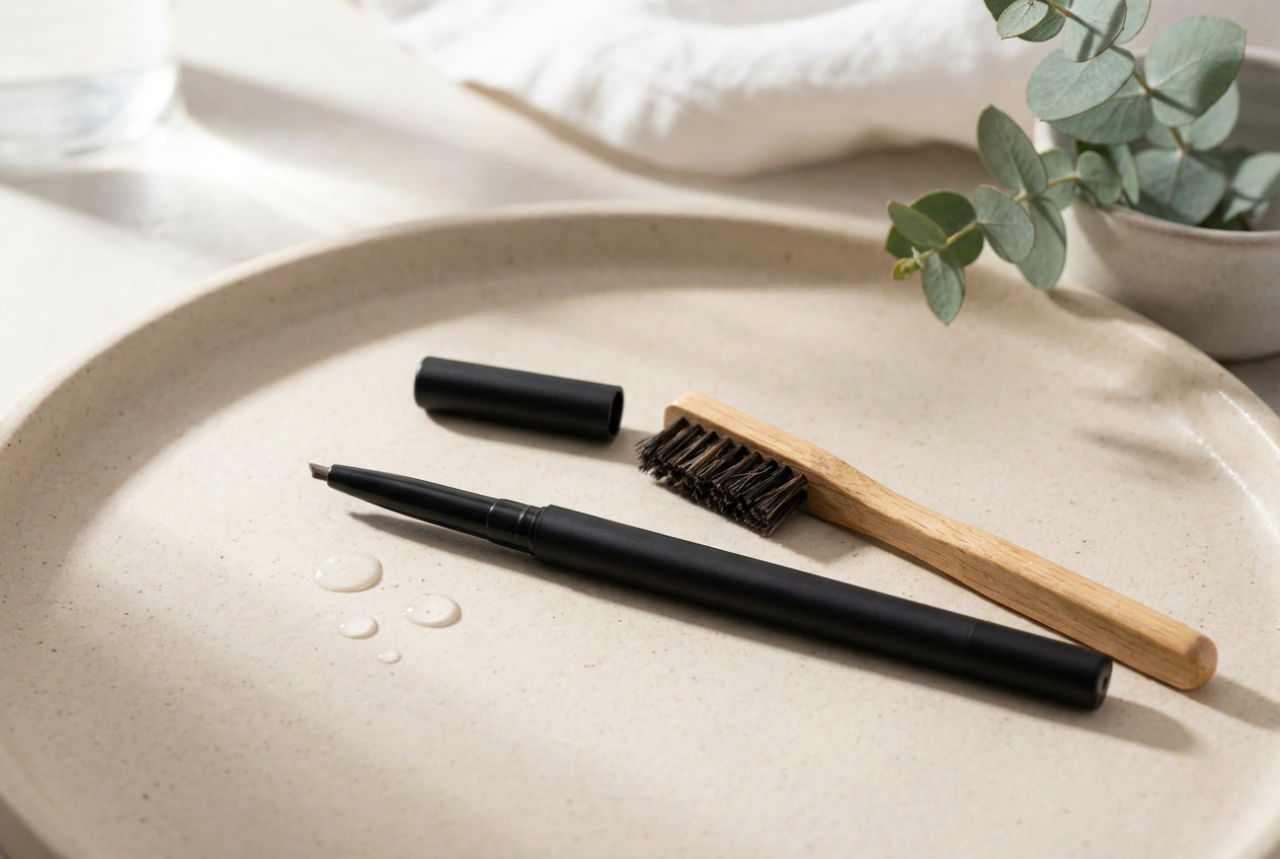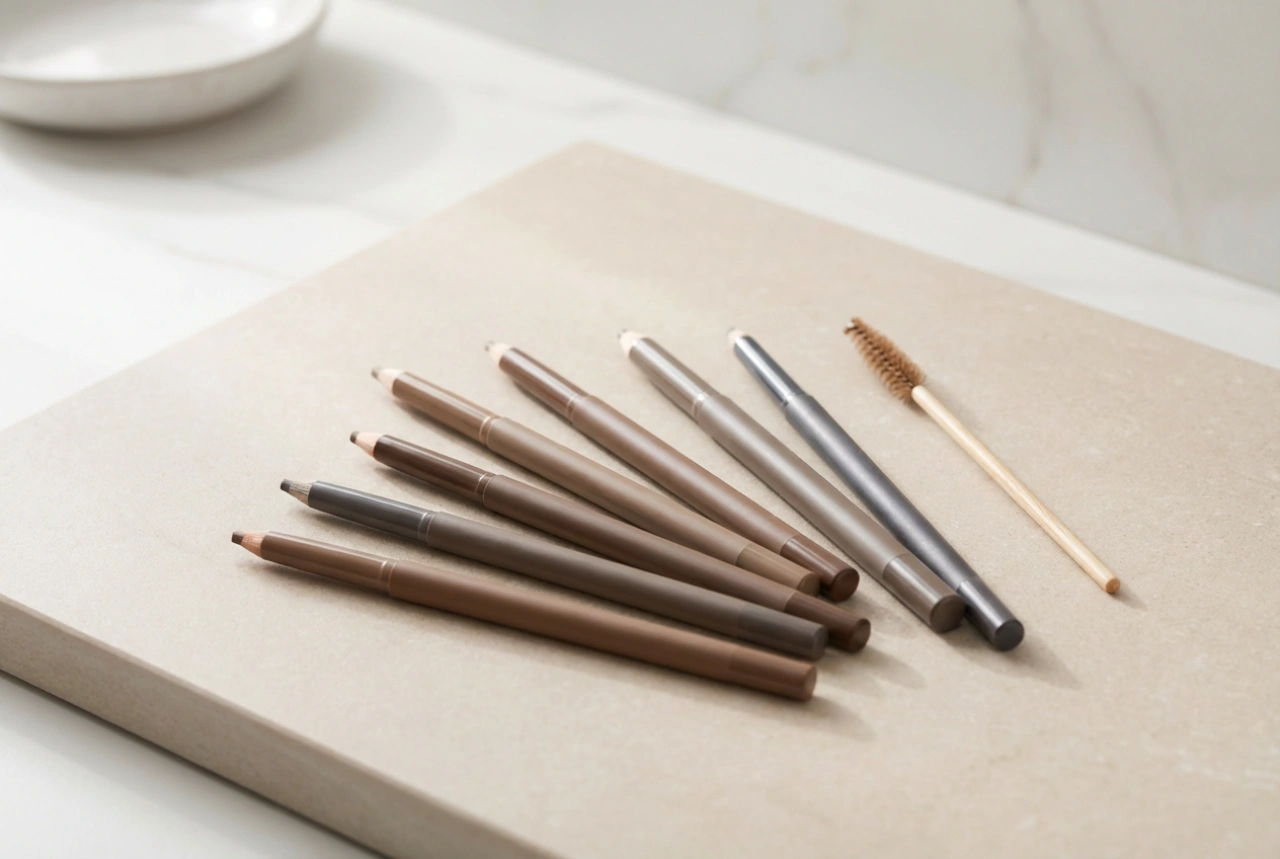


Beautifully defined eyebrows are a cornerstone of modern makeup artistry. To achieve the perfect arch, precise hair-like strokes, or a soft, natural shadow, having the right tools is essential. A collection of clean, well-maintained eyebrow brushes resting on a smooth dressing table under soft natural light reflects a meticulous approach to daily beauty rituals. Achieving precision in brow makeup is not just about the cosmetics you use, but primarily about the quality, shape, and cleanliness of your brushes. Understanding how to select the ideal tool and care for it properly ensures that your brow styling remains flawless every day.
Key Types of Eyebrow Brushes
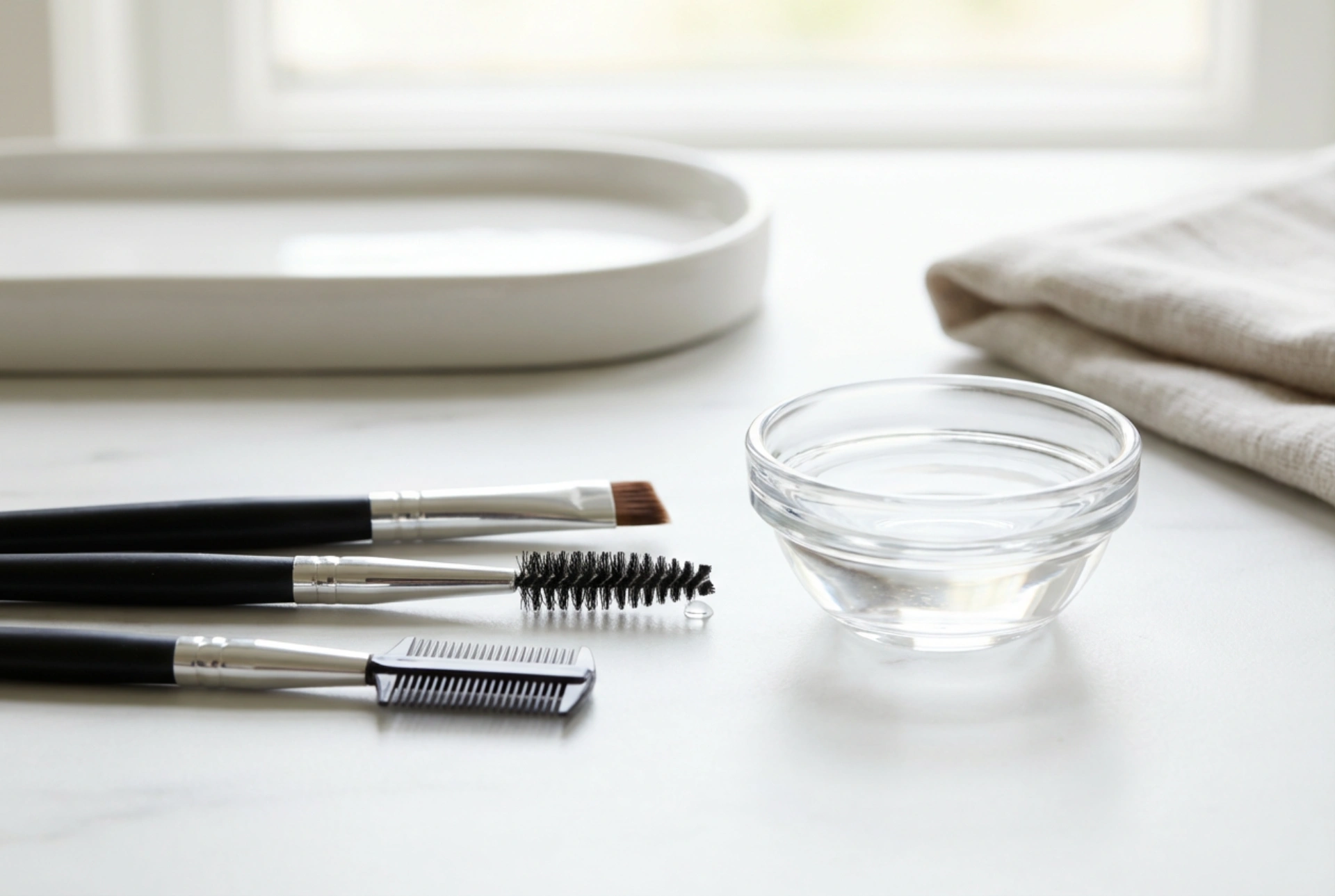
Not all eyebrow brushes are created equal, and each serves a specific purpose in your styling routine. Knowing which brush to choose can transform your application technique from basic to professional. Here are the three most common shapes you should consider adding to your makeup kit:
- The Angled Brow Brush: This is the ultimate tool for precision. It features firm, short, slanted bristles that allow you to mimic natural brow hairs using pomades, powders, or gels. The sharp angle helps in defining the tail of the brow and creating clean borders.
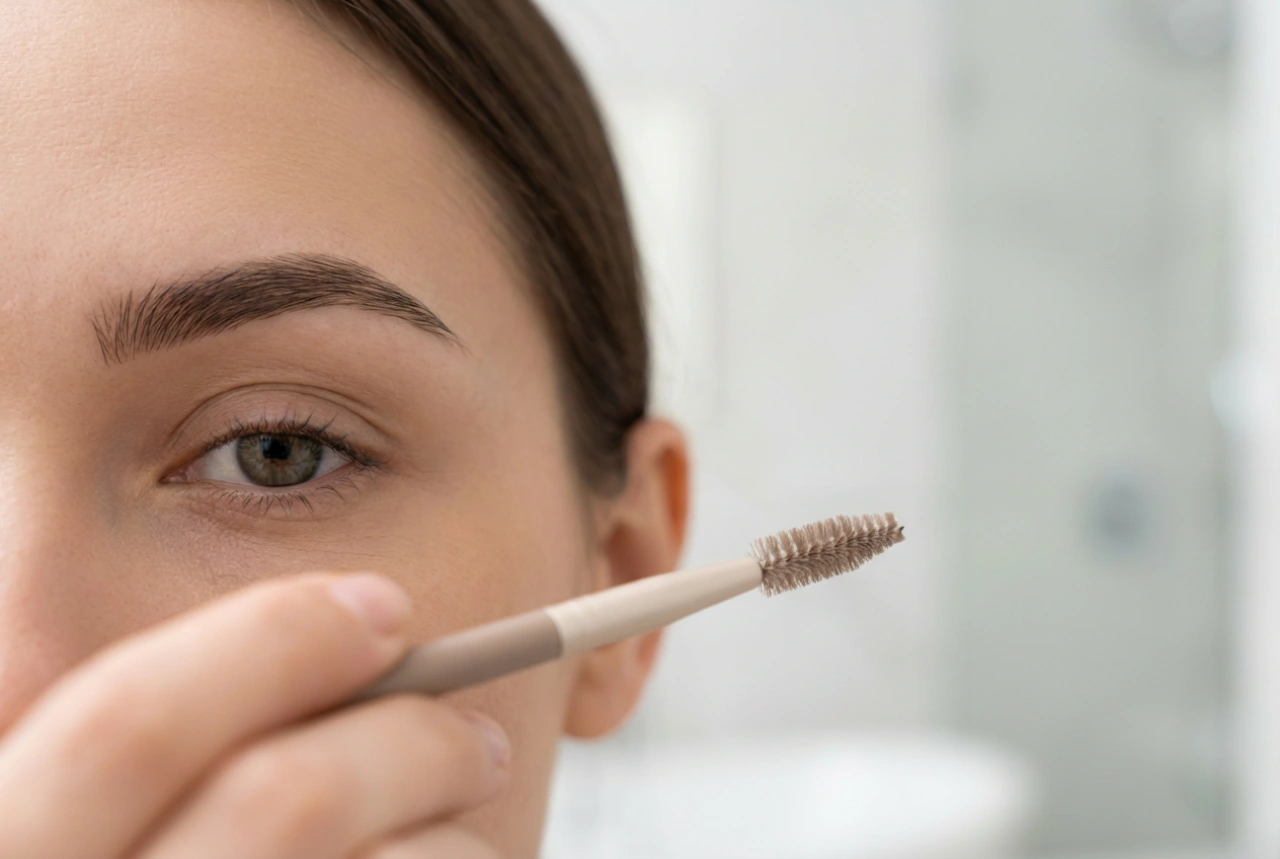
- The Spoolie Brush: Often looking like a clean mascara wand, the spoolie is indispensable for blending. It softens harsh lines, distributes pigment evenly through the hairs, and brushes the brows upward to reveal their natural shape.
- The Flat Definer Brush: A flat, square-shaped brush is perfect for applying concealer just beneath the brow bone to clean up any stray product and highlight the arch.
Choosing the Right Bristles: Synthetic vs. Natural
When selecting your eyebrow tools, the material of the bristles plays a crucial role in how product is picked up and deposited onto the skin. For brow styling, synthetic bristles are generally preferred over natural hair. Synthetic fibres, such as nylon or polyester, are non-porous. This means they do not absorb liquid or cream formulas, making them ideal for brow pomades, waxes, and gels. They are also easier to clean and retain their sharp, flat shape for a longer period.
Natural bristles can be used if you exclusively prefer brow powders. They offer a softer application and blend powder pigments seamlessly. However, they require gentler care and can lose their precise shape quicker than synthetic alternatives when exposed to moisture.
How to Clean Eyebrow Brushes for Perfect Precision
To maintain the fine, sharp edge of your angled brush, regular cleaning is vital. Residual product buildup makes the bristles stiff, clumped, and splayed, which completely ruins your ability to draw precise lines. A simple, safe cleaning routine using a generic bowl of water and mild cleanser will keep your tools in pristine condition.
Step-by-Step Washing Routine
- Rinse: Gently wet the brush bristles under lukewarm running water. Always keep the brush pointing downwards to prevent water from entering the ferrule (the metal part holding the bristles), which can dissolve the glue.
- Cleanse: Apply a small drop of mild, fragrance-free baby soap or a dedicated brush cleanser onto the palm of your hand or a silicone cleaning mat. Swirl the brush gently in circular motions until a lather forms.
- Rinse Again: Rinse the soap away thoroughly with lukewarm water until the water runs completely clear.
- Reshape and Dry: Gently squeeze out excess water with a clean, lint-free towel. Reshape the bristles into their original sharp, angled form using your fingers. Lay the brushes flat on the edge of a table or a dry towel, allowing the bristle ends to hang over the edge to dry naturally.
Storing and Caring for Your Tools
Proper storage is just as important as washing. Store your dry eyebrow brushes vertically in a clean cup or organized in a brush roll to prevent the bristles from bending. Keeping them away from dusty environments ensures they remain hygienic for your skin. Regularly checking the shape of your angled brushes will tell you when it is time to replace them. When the bristles begin to splay outward and can no longer be pinched into a sharp, flat edge, a replacement is necessary to regain that effortless precision.