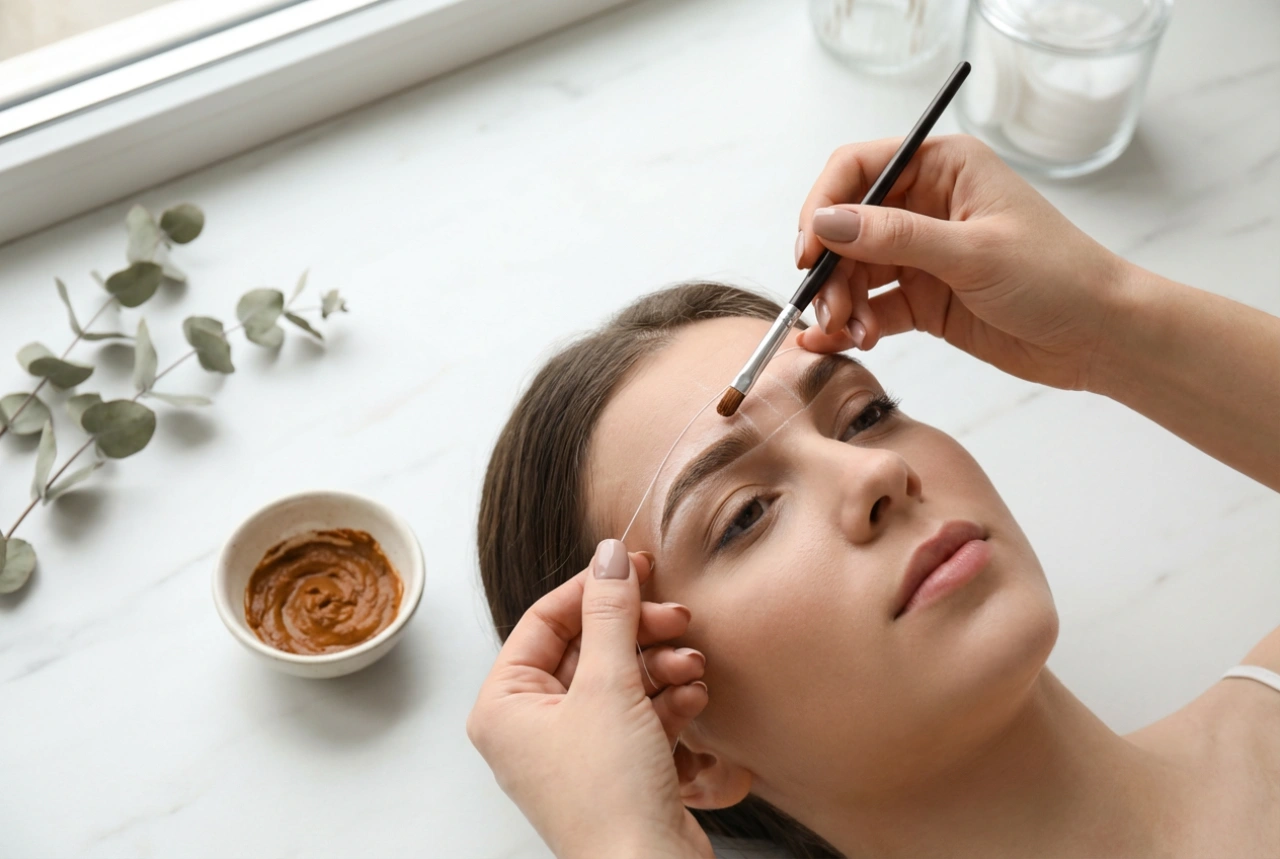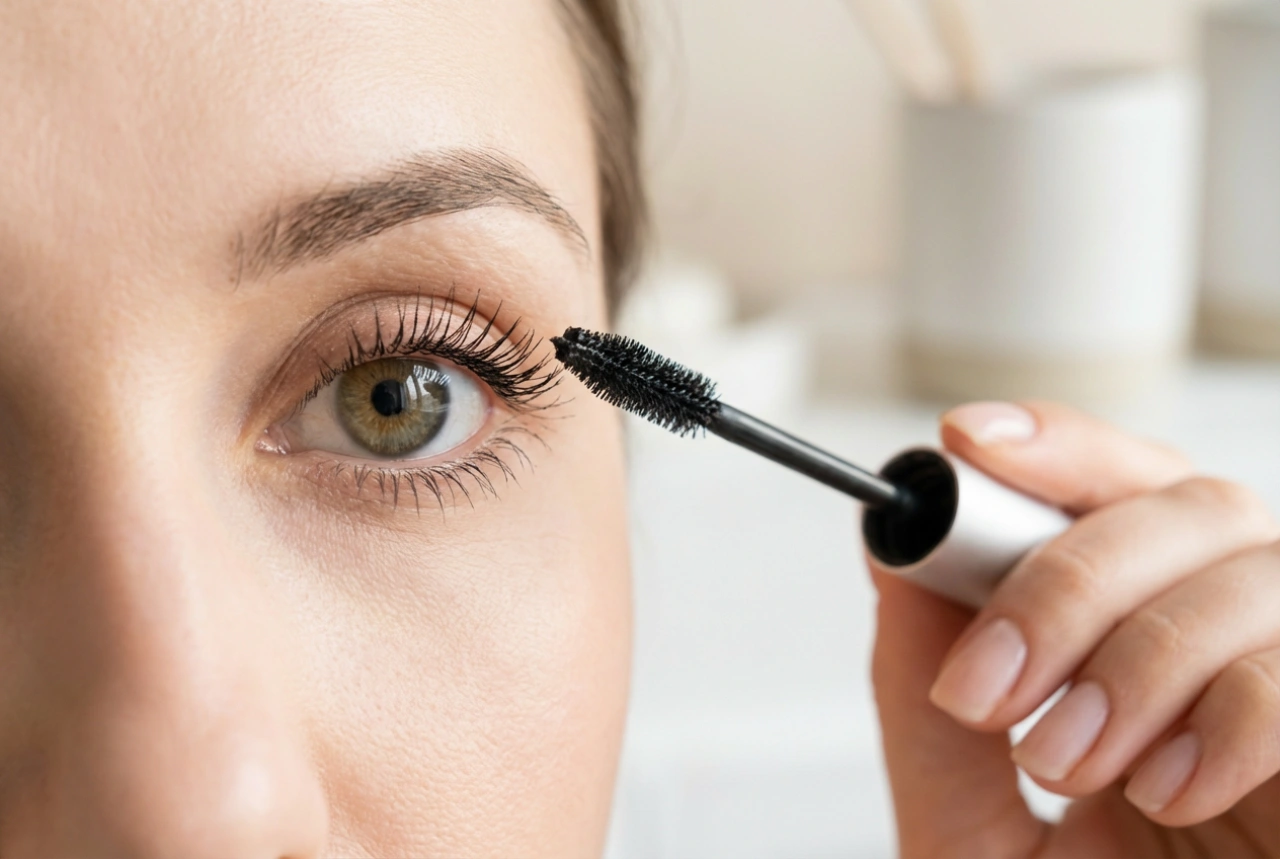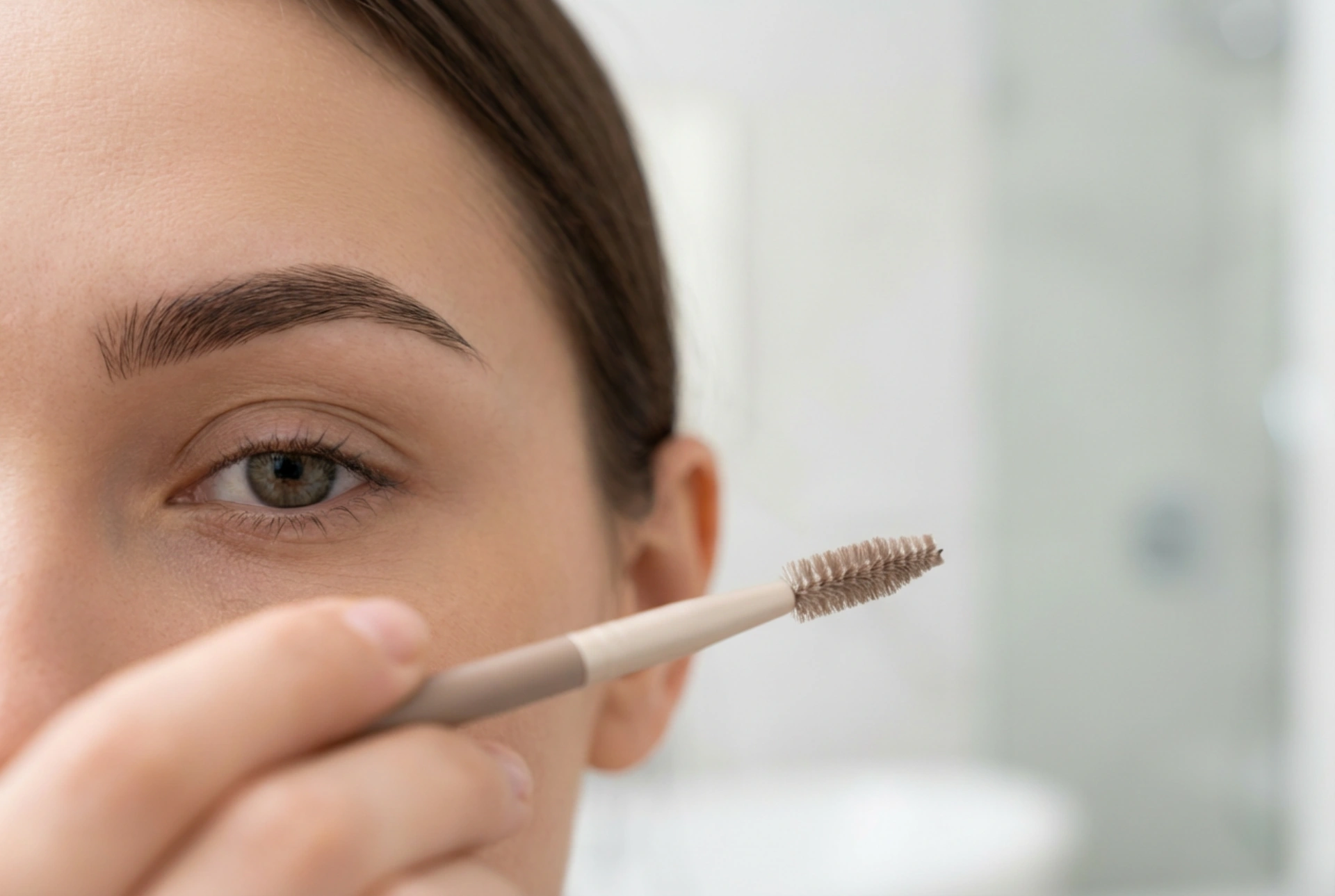


An elegant, finely defined eyebrow arch has the unique power to harmonise facial features, draw attention to the eyes, and elevate a clean, natural beauty aesthetic. Just like a delicate frame enhances a beautiful painting, well-groomed eyebrows bring balance and symmetry to the entire face. Under soft, natural light, the meticulous grooming of a tailored brow becomes even more apparent, showcasing how subtle adjustments to the shape can transform one’s expression. Finding the perfect eyebrow shape is not about following fleeting trends, but rather about understanding your unique facial proportions and working with your natural bone structure.
The Art of Eyebrow Mapping: Finding Your Natural Proportions
Before determining which brow shape best complements your face, it is essential to understand the basic map of your eyebrows. Eyebrow mapping is a classic technique used to identify the three key points of the brow: the head, the arch, and the tail. By using a straight tool, such as a makeup brush or a pencil, you can easily map out these coordinates at home to ensure your brows are perfectly proportioned to your eyes and nose.
- The Starting Point (The Head): Hold the tool vertically against the edge of your nostril, pointing straight up towards your brow. This is where your eyebrow should ideally begin. Starting too far apart can make the nose appear wider, while starting too close together can create a stern look.
- The Highest Point (The Arch): Align the tool from the outer corner of your nose through the centre of your pupil. The point where the tool intersects with your brow is your natural arch. This is the peak that lifts the eye and adds expression.
- The Ending Point (The Tail): Angle the tool from the outer corner of your nose to the outer corner of your eye. Where the tool meets the outer brow area is where the tail should end. A tail that is too short can make the eyes look smaller, while a tail that drops too low can create a tired appearance.
Matching Eyebrow Shapes to Your Face Shape
Once you understand the basic proportions of your brows, the next step is to tailor the arch to complement your specific face shape. Different facial structures require different optical illusions to create balance, soften sharp angles, or add definition to rounded contours.
The Round Face: Adding Definition with Sharp Arches
For those with a round face, where the width and length of the face are roughly equal, the goal is to create the illusion of length and definition. A high, sharp arch is perfect for this, as it draws the eye upwards and creates vertical lines. Avoid rounded eyebrow shapes, as they will only emphasise the roundness of your facial structure. Instead, opt for clean, structured lines with a defined peak that adds structure to soft cheeks.
The Square Face: Softening Strong Angles
A square face is characterised by a strong, defined jawline and a broad forehead. To balance these prominent angles, eyebrows should be kept relatively soft and rounded. A gently curved arch works beautifully to soften a square jaw. Avoid overly sharp, angular brows, which can compete with your strong features and make your expression look harsh. Instead, focus on a smooth, natural curve that creates a gentle, feminine frame.
The Heart-Shaped Face: Balancing the Forehead and Chin
With a heart-shaped face, the forehead is typically the widest part of the face, tapering down to a delicate, pointed chin. To draw attention away from the width of the forehead and soften the sharp chin, a low, rounded brow arch is ideal. Keep the brows neat and naturally groomed, avoiding heavy or overly thick shapes that can overwhelm the upper portion of the face. A soft, natural arch creates a delicate balance, keeping the focus on your eyes.
The Long Face: Creating Width with Straight Brows
A long or oblong face requires a shape that cuts across the vertical line to create the illusion of width and balance. Flat, straight eyebrows with a minimal arch are highly effective for this. By keeping the brow line horizontal, you visually shorten the face and add a welcoming softness. Avoid high arches, as they will only make the face appear longer and narrower.
The Oval Face: Maintaining Classic Symmetry
The oval face is widely considered the most balanced and versatile shape, with soft contours and a slightly narrower chin. If you have an oval face, you can carry off almost any brow style. However, the most flattering look is a soft, classic arch. This subtle curve maintains the natural symmetry of your features without overpowering them. Keep the thickness medium and the lines clean for an effortlessly elegant finish.
Grooming and Maintenance: Achieving the Perfect Finish at Home
Creating the perfect eyebrow shape is only the first step; maintaining it requires a gentle and precise grooming routine. To keep your brows looking clean and elegant under any light, follow a few simple, safe practices at home. Always groom your brows in natural light, as this allows you to see every fine hair clearly without the risk of over-tweezing.
Before you begin tweezing, brush your brow hairs upwards with a clean spoolie. This helps you see the actual shape and identify any stray hairs that fall outside your mapped boundaries. When tweezing, always pluck in the direction of hair growth to avoid breaking the hair or irritating the skin. Focus only on the stray hairs beneath the brow line and between the eyes; leaving the top of the brow natural helps preserve its organic shape. For longer, unruly hairs, you can gently trim the tips with small grooming scissors, but do so sparingly to maintain natural volume and texture.