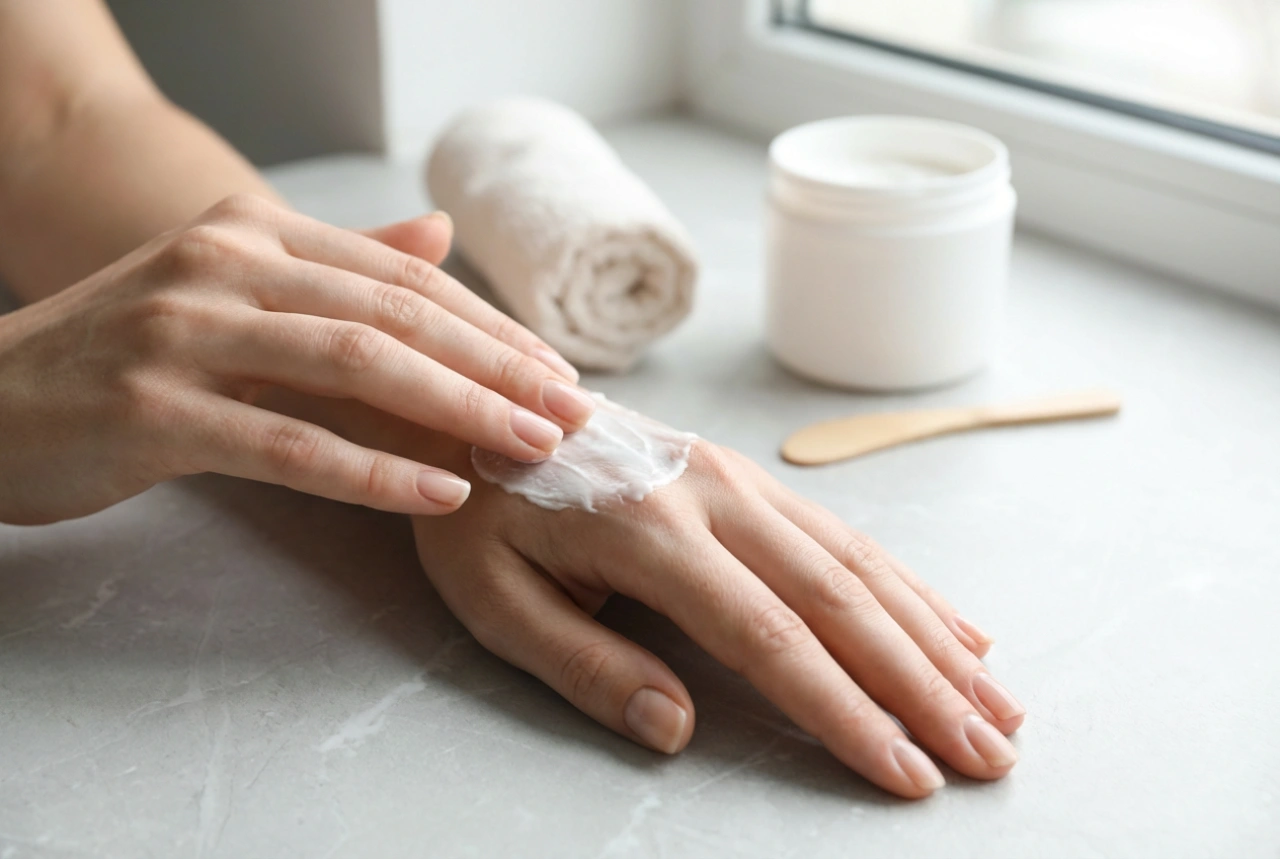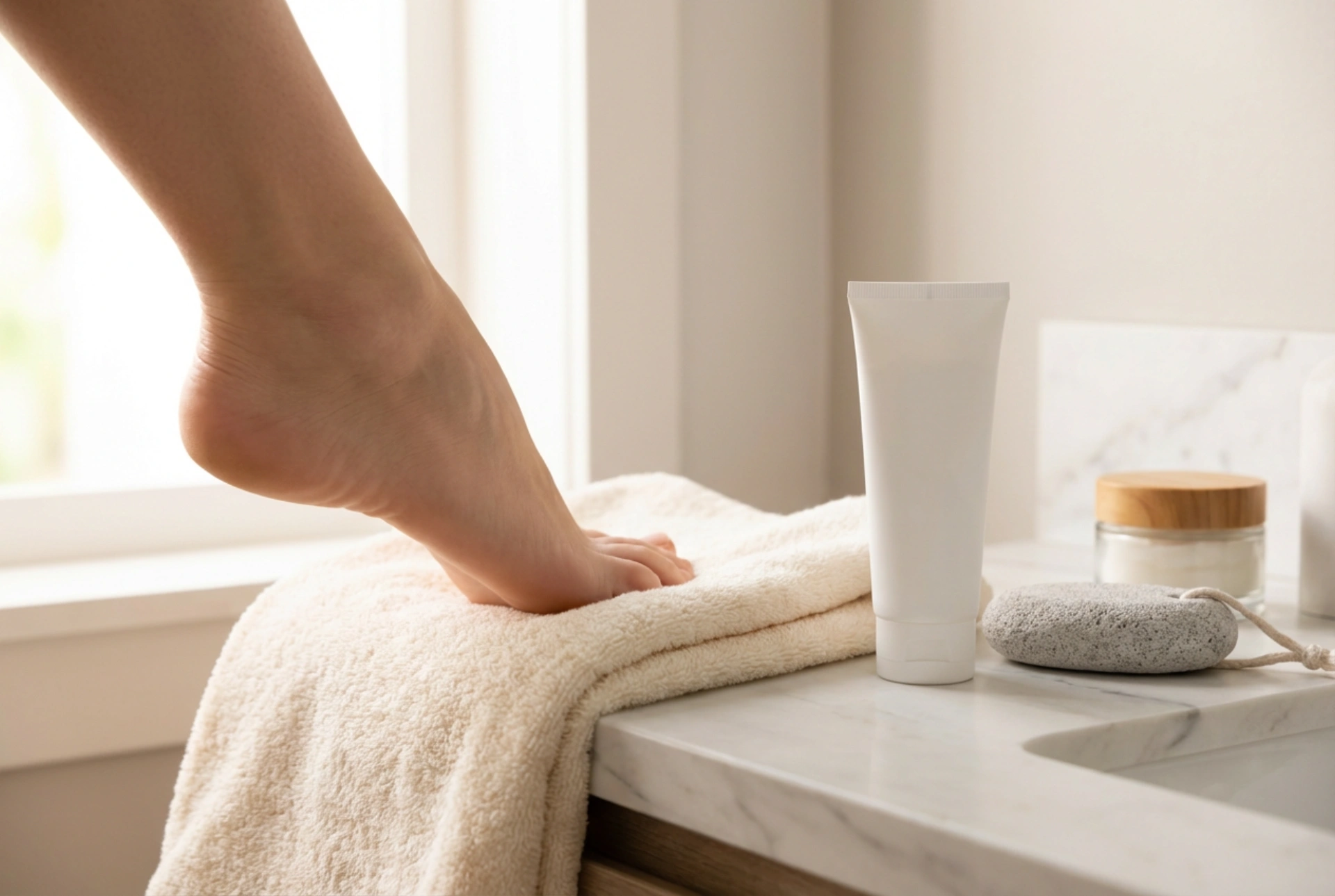


After a long summer filled with sunny days, beach walks, and open-toed shoes, our feet often require some extra attention. While summer brings joy, the exposure to hot sand, dry air, and constant walking barefoot can leave our heels feeling dry, rough, and prone to cracking. Creating a serene home spa scene, complete with soft, light-coloured towels and nurturing foot care products, is the perfect way to restore your feet to their natural, healthy smoothness. Implementing a quick and gentle at-home care routine can easily revitalise tired heels, ensuring they remain beautifully soft and comfortable throughout the colder months.
Why Summer Leaves Heels Dry and Rough
During the warmer months, our feet are exposed to environmental factors that significantly strip away natural moisture. Walking in flip-flops, sandals, or entirely barefoot causes the skin on our heels to expand sideways. Without the proper support of enclosed shoes, this constant pressure, combined with dry air, leads to the formation of thick, calloused skin. Over time, this hardened layer loses its elasticity and begins to split, resulting in unsightly and uncomfortable cracked heels.
Additionally, walking on hot pavement or dry beach sand acts as a natural exfoliant, but when done excessively without subsequent hydration, it severely dehydrates the epidermis. Unlike other areas of the body, the skin on our feet does not contain sebaceous glands, meaning it relies entirely on sweat glands and external moisture to stay hydrated. This is why a targeted cosmetic care routine is essential to replenish lost moisture and restore the skin's natural protective barrier.
Step 1: The Revitalising Warm Foot Soak
The foundation of any successful home pedicure routine is a deeply relaxing foot bath. This step not only helps to soften hardened skin, making subsequent exfoliation much easier, but it also provides a wonderful sense of relaxation, akin to a professional spa experience. To prepare your foot soak, follow these simple guidelines:
- Fill a basin with warm, but not excessively hot, water to prevent further drying of the skin.
- Add a handful of natural mineral salts, such as Epsom salt or sea salt, to help soften the rough epidermis.
- Incorporate a few drops of nourishing essential oils, such as lavender, eucalyptus, or tea tree oil, for a refreshing aroma.
- Soak your feet for approximately 10 to 15 minutes, allowing the hard skin to absorb moisture thoroughly.
Once finished, gently pat your feet dry with a soft, clean towel. It is crucial not to rub the skin aggressively, especially in areas where cracks have formed, to avoid causing irritation or micro-damage to the delicate skin layers.
Step 2: Gentle Exfoliation for Smooth Skin
Choosing the Right Tools
After softening the skin in a warm bath, the next step is to gently remove the dead epidermis. It is important to approach this step with care and patience. Avoid using sharp metal scrapers or blades, as these can easily cut the skin and trigger a defensive mechanism that causes the skin to grow back even thicker and harder.
The Proper Exfoliation Technique
Instead, opt for a traditional natural pumice stone or a gentle foot file with a fine grit. Work in circular, light motions over the rough areas of your heels. Focus solely on the outer, hardened layers and stop immediately if you feel any sensitivity. For an even gentler approach, you can use a rich cosmetic foot scrub containing natural exfoliating particles like sugar, ground apricot stones, or sea salt mixed with nourishing oils. This method removes dead skin cells while simultaneously delivering initial hydration to the freshly exposed skin.
Step 3: Deep Moisturisation and Nourishing Foot Masks
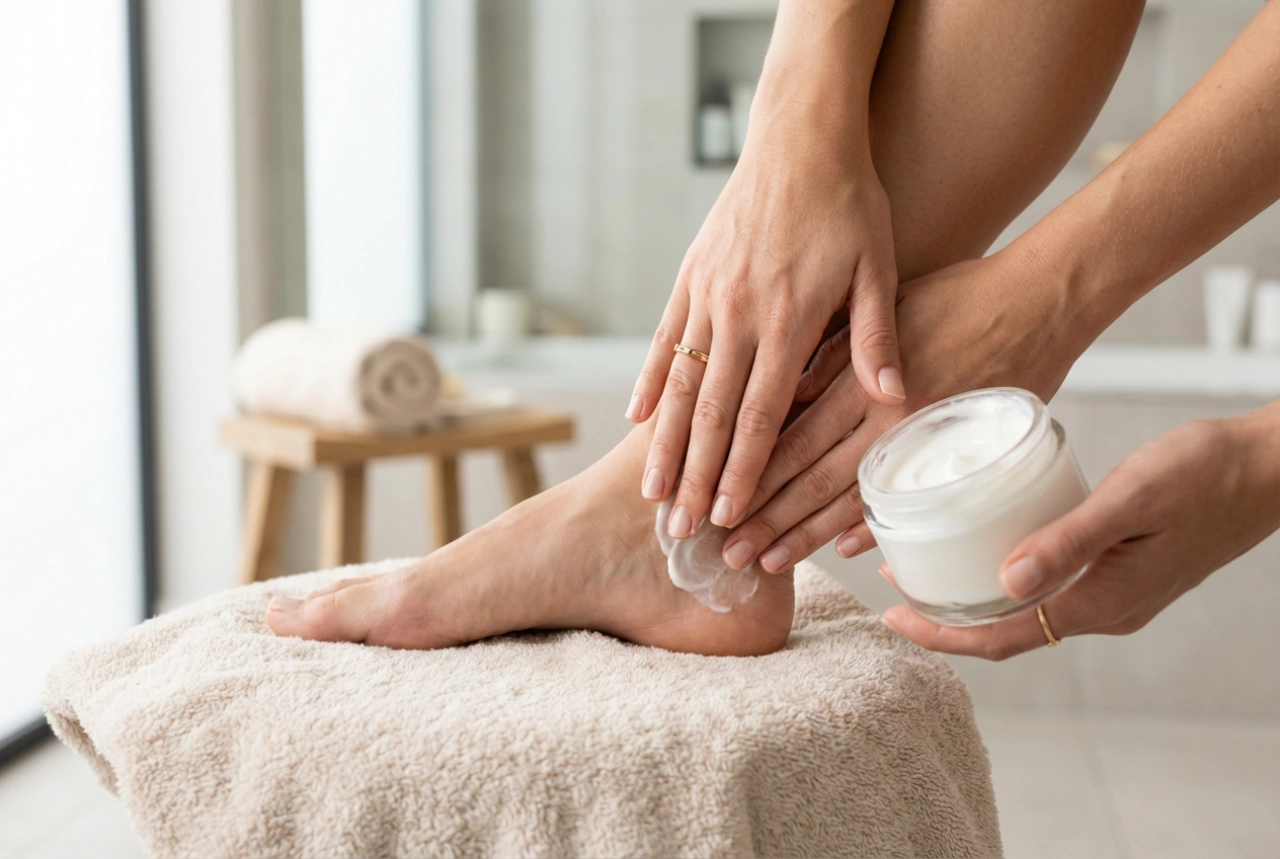
Once your heels are clean and exfoliated, they are highly receptive to moisturising ingredients. This is the most critical stage of the routine, where you must supply the skin with rich, nourishing emollients to lock in moisture and promote skin regeneration.
Look for foot creams containing deeply hydrating ingredients such as urea, glycerin, shea butter, lanolin, or natural plant oils like coconut and avocado oil. Apply a generous layer of the cream to your entire foot, paying special attention to the heels. To maximise the effectiveness of this treatment, turn it into an overnight foot mask. Simply apply a thick layer of cosmetic cream or petroleum jelly to your heels, wrap them gently, and put on a pair of clean, breathable cotton socks. Sleeping in socks helps the active ingredients penetrate deeper into the skin layers, revealing incredibly soft and smooth heels by morning.
Maintaining Soft and Healthy Heels Year-Round
Consistency is key when it comes to foot care. To prevent your heels from becoming dry and cracked in the future, try to integrate simple habits into your daily beauty routine:
- Apply a moisturising foot cream every single day, ideally right after your evening shower or bath.
- Drink plenty of water to keep your body and skin hydrated from the inside out.
- Wear comfortable, well-fitting shoes that support your heels and prevent friction.
- Avoid excessively hot baths or showers, which can dry out the skin on your feet.
By taking just a few minutes each day to care for your feet, you can easily maintain that soft, smooth, post-spa feeling all year round, ensuring your heels remain healthy, comfortable, and beautifully revitalised.