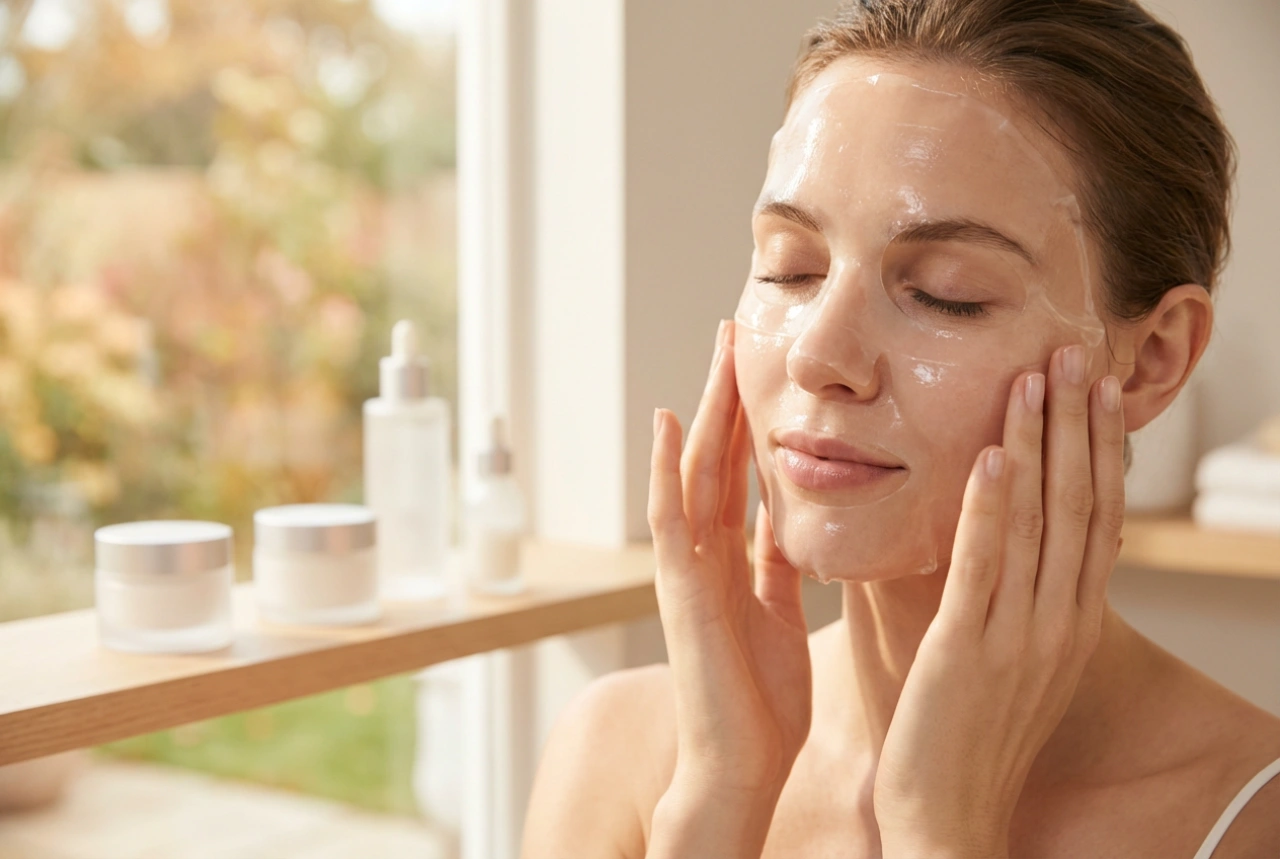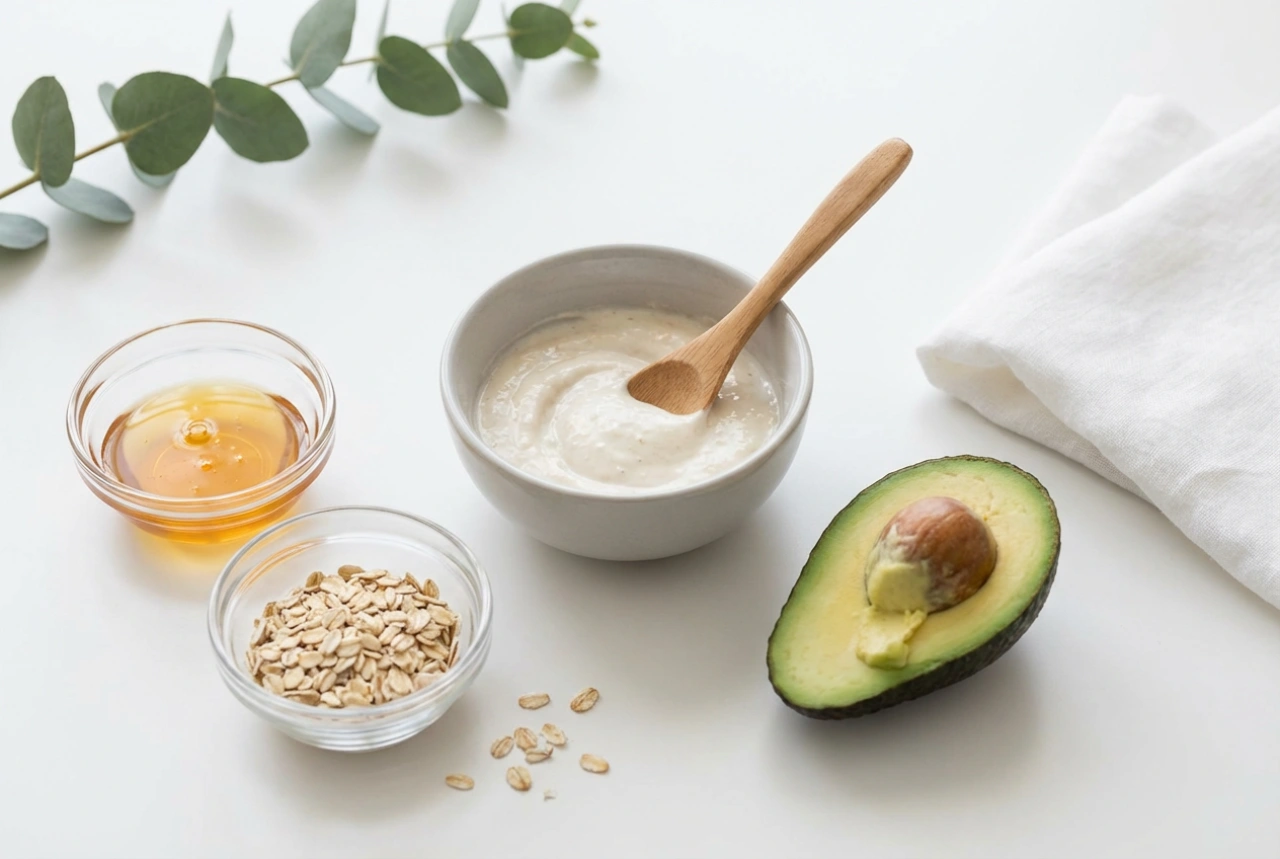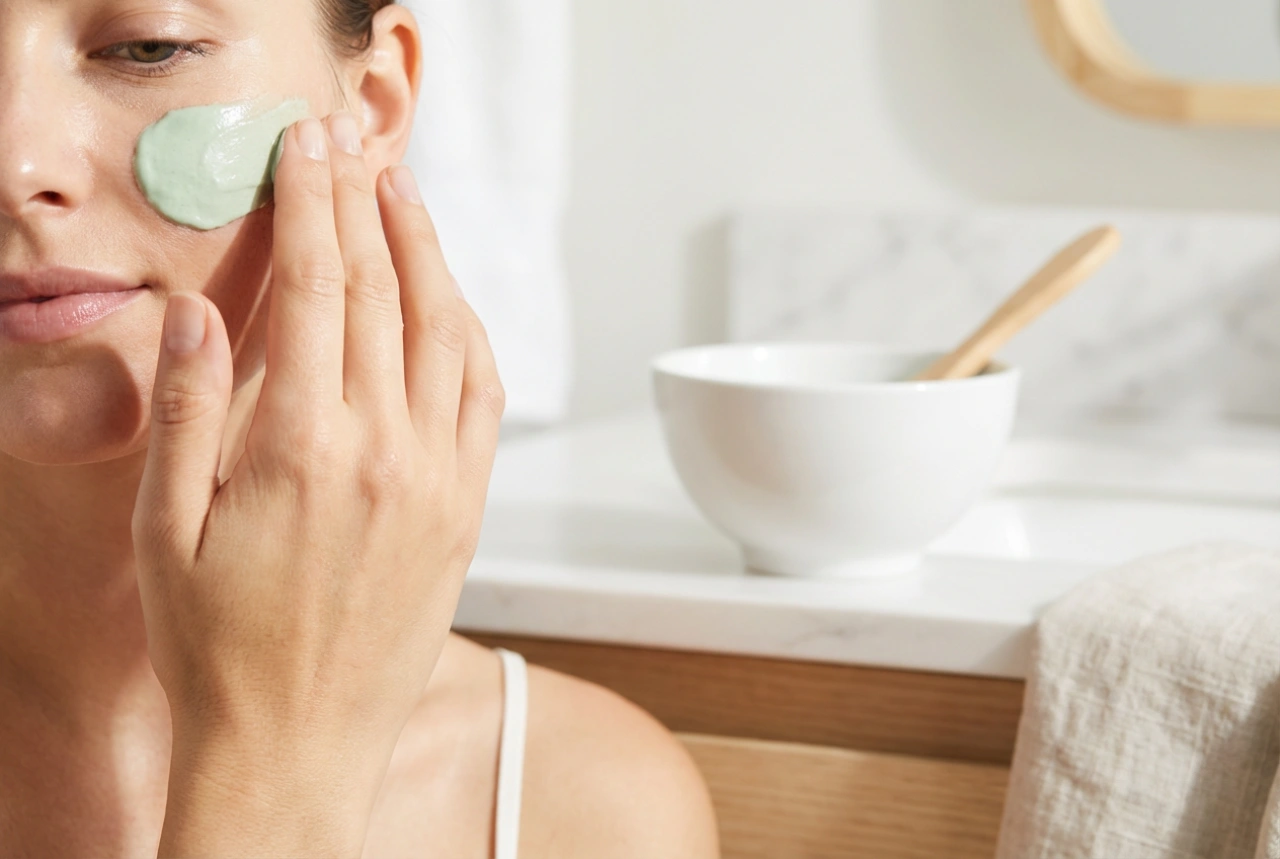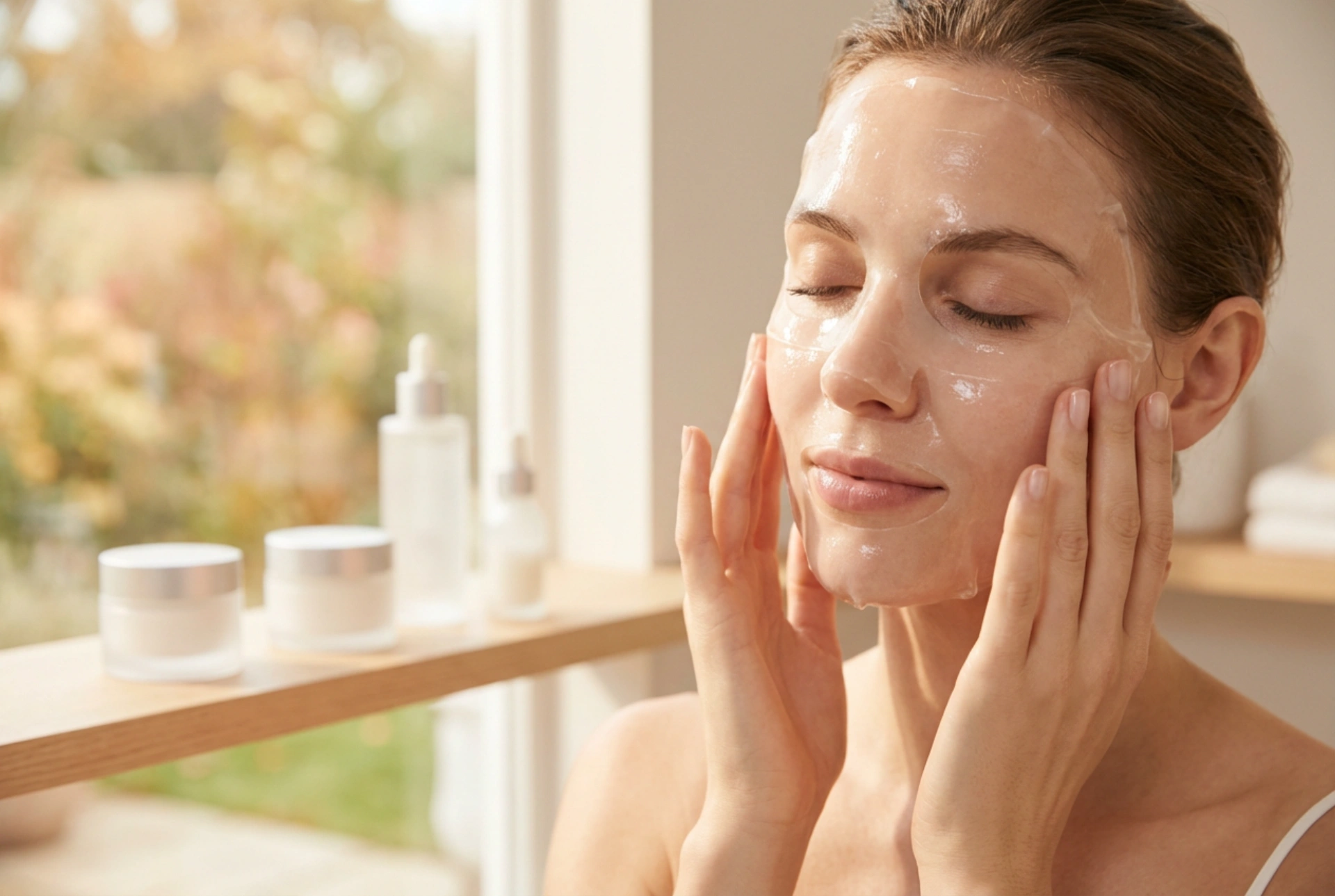


A hydrating face mask is more than just a skincare step; it's a ritual of self-care that provides a concentrated boost of moisture, leaving your skin feeling plump, supple, and refreshed. Turning your bathroom into a personal spa for even just 20 minutes can work wonders for both your complexion and your mood. To truly reap the rewards, however, it's important to understand the best practices for application, from skin preparation to the crucial final steps.
The Essential Prep Work: Cleansing and Exfoliating
For any mask to work its magic, it needs a clean canvas. Applying a mask over makeup, dirt, and daily grime is counterproductive, as the barrier of impurities will prevent the beneficial ingredients from properly absorbing into your skin. Always begin your masking ritual by thoroughly cleansing your face with your usual gentle cleanser.
The Peel-then-Mask Rule
One of the most common questions is whether to exfoliate before or after a hydrating mask. The answer is simple: always exfoliate before. Exfoliating, whether with a physical scrub or a chemical peel, sloughs away the top layer of dead skin cells. Removing this layer is key because it clears the path for the hydrating ingredients of your mask to penetrate deeper into the epidermis, dramatically increasing its effectiveness.
- Choose wisely: Opt for a gentle exfoliant. Overly harsh scrubs can cause micro-tears and irritation, which will detract from the soothing, hydrating goal of your mask.
- Be gentle: Use light, circular motions when using a scrub. There's no need for aggressive pressure; let the product do the work.
- Listen to your skin: Don't exfoliate every time you mask. Most skin types benefit from exfoliation 1-3 times a week. If your skin is sensitive, once a week is likely sufficient.
Mastering the Application Technique
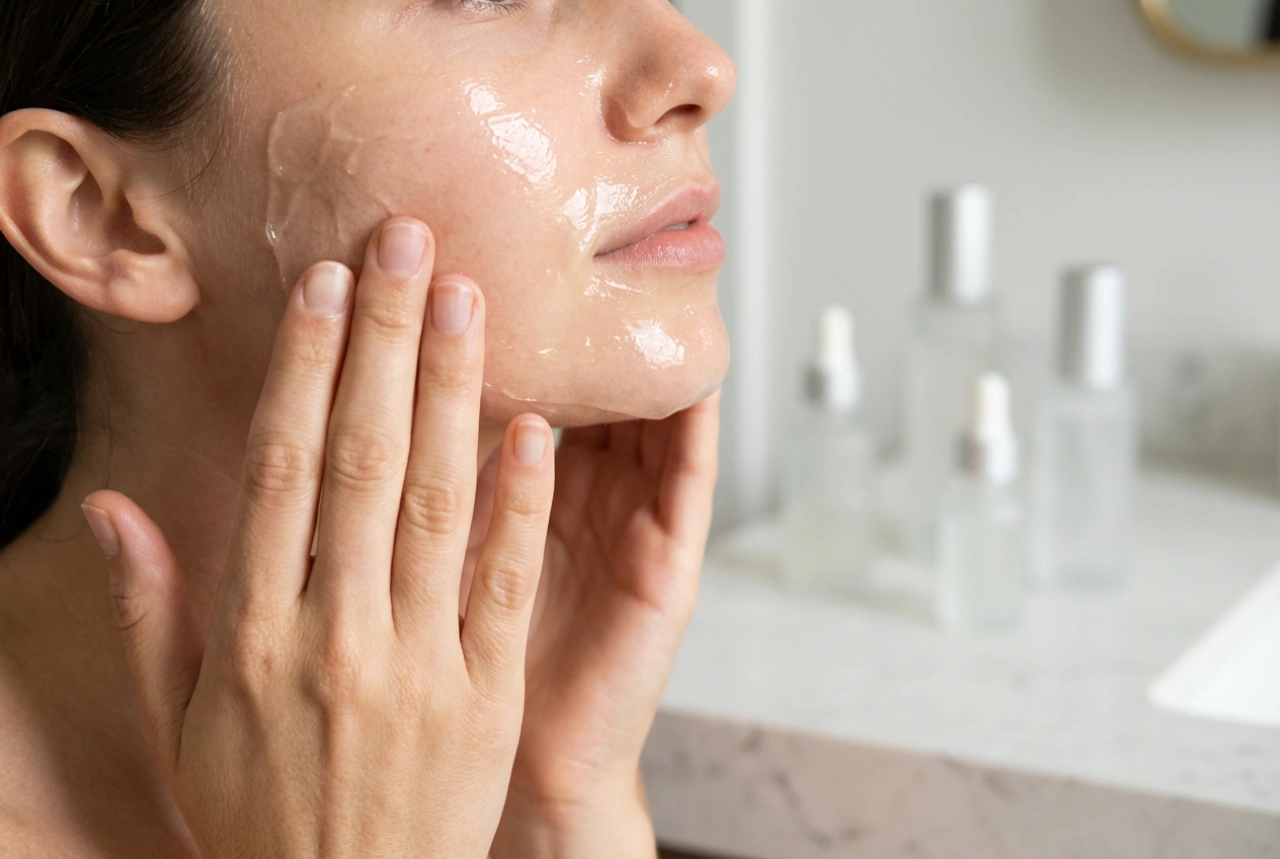
Once your skin is cleansed and exfoliated, it's primed for hydration. Pat your skin dry gently with a clean towel before moving on to the mask application. The goal is to apply an even layer of product across your entire face, avoiding the delicate areas around your eyes and lips.
Fingers or a Brush?
The choice between using your clean fingertips or a dedicated mask brush is purely personal. Applying with your fingers is quick, easy, and the natural warmth from your hands can help to soften the product slightly. On the other hand, using a flat foundation-style brush or a silicone applicator can feel more hygienic and luxurious, allowing you to spread the product in a thin, perfectly even layer for a true spa-like experience.
How Much is Enough?
You don't need to slather on a thick, inch-deep layer for the mask to be effective. The aim is to apply an opaque layer that is substantial enough that you can't see your skin through it. A very thin, transparent layer may dry out too quickly, while an excessively thick layer is simply a waste of product, as your skin can only absorb so much at once.
Perfect Timing for Optimal Hydration
Patience is a virtue, especially in skincare. Leaving your mask on for the correct amount of time is crucial for achieving the desired results. Always read the product's instructions, as different formulations have different recommended durations.
The General Guideline
For most creamy or gel-based hydrating masks, the sweet spot is typically between 10 and 20 minutes. This gives the ingredients enough time to infuse into the skin without beginning to dry out. Set a timer and use this time to relax – lie down, listen to music, or enjoy a moment of quiet.
Can You Leave a Mask on for Too Long?
While leaving a hydrating mask on for an extra five minutes is unlikely to cause harm, it's not a case of 'the longer, the better'. Once a mask begins to dry on your skin, it can have a reverse effect, potentially starting to draw moisture back out from the epidermis. Adhering to the recommended time ensures you get all the benefits without any drawbacks.
How Often Should You Use It?
The frequency of use depends on your skin's needs. If your skin is particularly dry or dehydrated, you might benefit from using a hydrating mask up to three times a week. For normal or combination skin, once or twice a week is usually plenty to maintain a healthy moisture balance.
Elevating Your At-Home Facial
A few simple tricks can turn your standard masking session into a truly enhanced skincare ritual. These small additions help to maximise the absorption of your mask and lock in the results for a longer-lasting glow.
- Prepare with warmth: Apply your mask after a warm shower or use a warm, damp flannel on your face for a minute beforehand. The steam helps to open up your pores, making them more receptive to the mask.
- Rinse correctly: When your time is up, rinse the mask off with lukewarm water. Water that is too hot can strip the skin of its natural oils. Use your hands or a soft cloth to gently remove all residue.
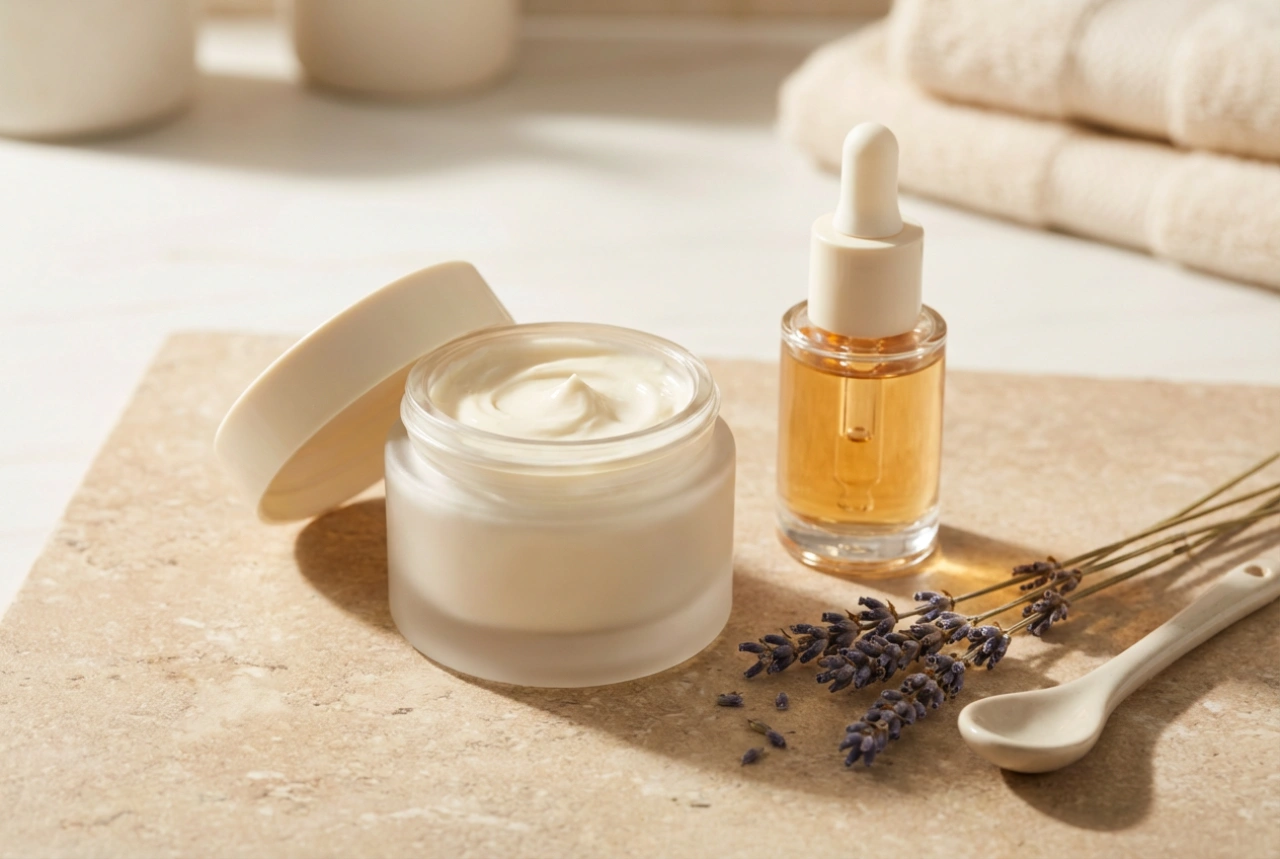
- Seal the deal: This is the most important step that many people miss. After rinsing off your mask, your skin is perfectly prepped for the rest of your routine. Immediately follow up with your favourite hydrating serum and moisturiser. This final step locks in the moisture from the mask and protects your newly hydrated skin barrier.