

Gentle care is the cornerstone of a skincare routine for sensitive, couperose-prone skin. The daily cleansing ritual, often seen as a simple step, holds immense power. The way you wash your face and the products you use can either soothe your skin or exacerbate its tendency towards redness. Mastering a gentle cleansing technique, like the mindful massage depicted, is crucial for maintaining a calm and balanced complexion, free from unnecessary irritation.
Understanding Couperose-Prone Skin
Couperose-prone skin is primarily characterised by its heightened sensitivity and the presence of visible, dilated capillaries, often appearing as a network of fine red or purplish lines, particularly around the nose, cheeks, and chin. This skin type reacts swiftly to various triggers, including temperature changes, spicy foods, stress, and inappropriate cosmetics. The result is often persistent or fleeting redness and a feeling of tightness or heat. The goal of caring for this skin type is to strengthen the delicate vessel walls, soothe irritation, and avoid any factors that could lead to further redness.
Choosing the Right Cleansing Gel: What to Look For
The ideal cleansing gel for couperose-prone skin should be effective at removing impurities without stripping the skin of its natural protective barrier. Look for formulations described as 'mild', 'for sensitive skin', or 'hypoallergenic'. The ingredient list is your best guide.
- Soothing agents: Ingredients like panthenol (pro-vitamin B5) and allantoin are excellent for calming irritation and promoting skin regeneration.
- Moisturising substances: Hyaluronic acid, glycerin, and natural moisturising factors (NMFs) help to hydrate the skin during cleansing, preventing the feeling of tightness.
- Plant extracts: Certain botanical extracts are known for their ability to strengthen blood vessels and reduce redness. Look for horse chestnut, arnica, witch hazel, or ginkgo biloba extracts.
- Mild surfactants: Opt for cleansers based on gentle, plant-derived washing agents (e.g., Coco-Glucoside, Decyl Glucoside) instead of harsh detergents.
Ingredients to Avoid in Your Cleanser
Just as important as knowing what to look for is knowing what to avoid. Certain common cosmetic ingredients can be particularly aggravating for couperose-prone skin. Scrutinise labels and steer clear of products containing:
- Alcohol Denat.: High concentrations of simple alcohols can be very drying and irritating, leading to increased redness.
- Strong detergents: Sulphates like Sodium Lauryl Sulfate (SLS) and Sodium Laureth Sulfate (SLES) are powerful cleansing agents that can disrupt the delicate hydrolipid film of the skin.
- Synthetic fragrances and essential oils: Both can be potential allergens and irritants for sensitive skin. While some essential oils have benefits, many can trigger reactions in reactive skin types.
- Mechanical exfoliants: Abrasive particles, such as those in scrubs, can physically irritate the skin and damage fragile capillaries. Stick to gentle enzymatic peels for exfoliation, and never use a scrub-based cleanser for daily washing.
- Menthol and camphor: These ingredients create a cooling sensation but can cause significant irritation and flushing in couperose-prone skin.
The Gentle Cleansing Technique
The right product is only half the battle; the correct technique is equally important. Follow these steps for a gentle and effective cleanse that respects your skin's delicate nature.
Step 1: Use Lukewarm Water
Extreme temperatures are a major trigger for redness. Always use lukewarm water to wet your face and to rinse off the cleanser. Hot water can dilate blood vessels, while ice-cold water can be a shock to the system.
Step 2: Gentle Application
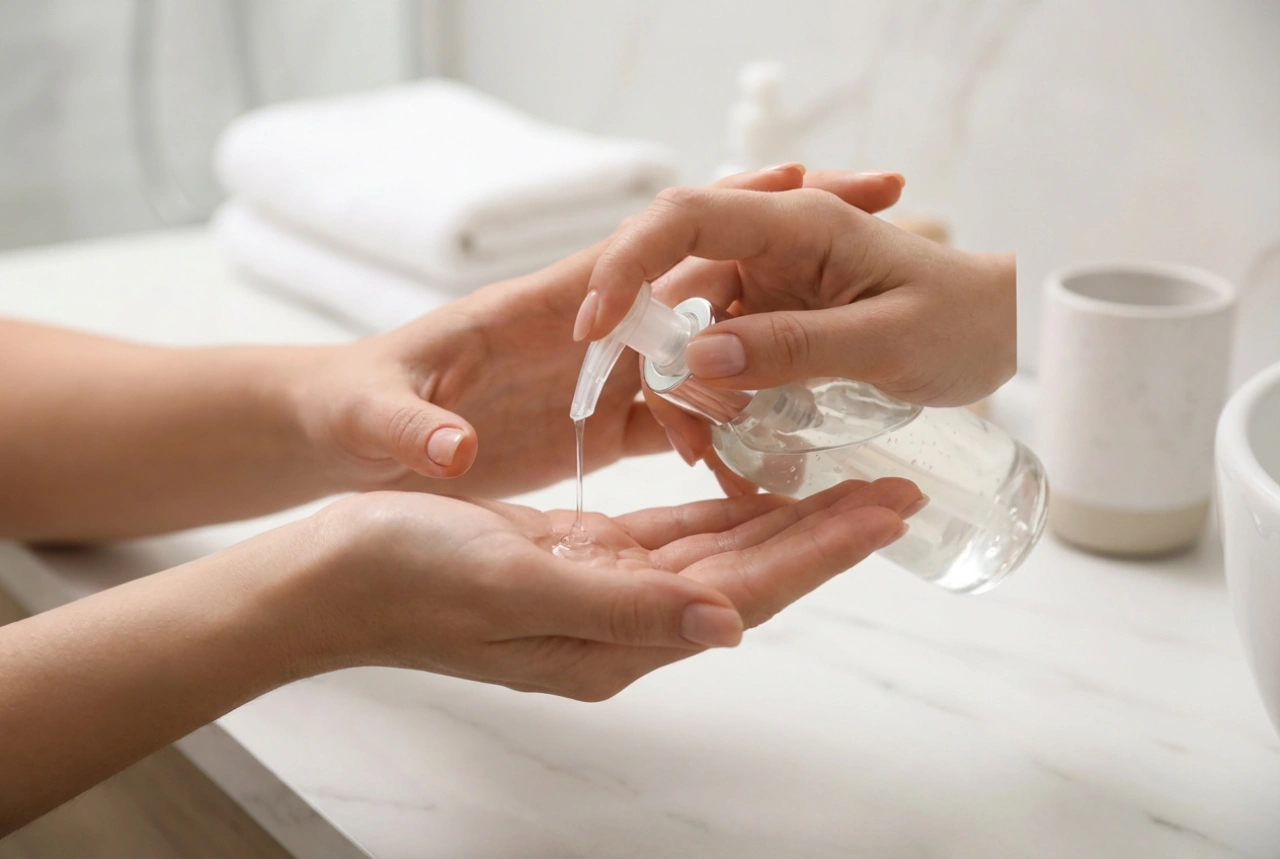
Dispense a small, pea-sized amount of gel into your wet palms and lather it slightly before applying it to your face. Use your fingertips to gently massage the cleanser onto your skin in slow, circular motions. Avoid vigorous rubbing or stretching the skin, especially in areas prone to redness.
Step 3: Thorough Rinsing and Patting Dry
Rinse your face thoroughly with lukewarm water until all traces of the cleanser are gone. Afterwards, gently pat your skin dry with a soft, clean towel. Do not rub the towel against your face, as the friction can cause immediate irritation and redness. Following cleansing, apply a soothing toner or hydrolate and a protective cream designed for couperose-prone skin to lock in moisture and further calm the complexion.