

Caring for curly hair is a unique journey that requires a special understanding of its needs. Unlike straight hair, the twists and turns of curls can make it difficult for natural oils from the scalp to travel down the hair shaft, often leaving the ends feeling dry and prone to frizz. Proper conditioning is therefore not just a step, but the foundation of a great curly hair routine. By understanding key ingredients and methods, you can provide your curls with the hydration and nourishment they crave, resulting in defined, bouncy, and healthy-looking hair.
Understanding the Needs of Curly Hair
The structure of curly hair is what gives it its beauty, but also its challenges. Each bend in the hair strand is a potential weak point and an area where the cuticle can be raised. A raised cuticle layer allows moisture to escape easily, leading to dryness, and allows humidity from the air to enter, causing frizz. The main goal in a curly hair care routine is to smooth this cuticle and provide lasting moisture. This is where the right conditioning techniques and ingredients, such as humectants and emollients, play a crucial role.
The Power Duo: Humectants and Emollients
When you look at the ingredients list of a conditioner, you will often see a variety of components designed to moisturise and protect. Two of the most important categories for curly hair are humectants and emollients. Understanding their different functions is key to building an effective routine.
Humectants: The Moisture Magnets
Humectants are ingredients that attract water molecules from the environment and bind them to the hair shaft. They act like tiny magnets for moisture, helping to hydrate your curls from the inside out. They are excellent for infusing hair with a dose of hydration, making it feel soft and pliable.
Common humectants in hair products include:
- Glycerin
- Aloe vera juice or gel
- Panthenol (Pro-vitamin B5)
- Honey
- Hyaluronic acid
- Sorbitol
However, it is wise to be mindful of the weather. In very high humidity, humectants can draw too much moisture into the hair, causing it to swell and frizz. In very dry conditions, they can potentially pull moisture out of the hair if there is none in the air, leading to more dryness.
Emollients: Sealing the Deal
While humectants draw moisture in, emollients lock it down. Emollients are oily or creamy substances that form a protective barrier around the hair shaft. This coating smooths the cuticle, reduces moisture loss, and provides that silky, slip-like feeling that helps with detangling. They are essential for fighting frizz and adding shine.
Common emollients in hair products include:
- Shea butter
- Cocoa butter
- Avocado oil
- Coconut oil
- Jojoba oil
- Olive oil
- Silicones (e.g., dimethicone)
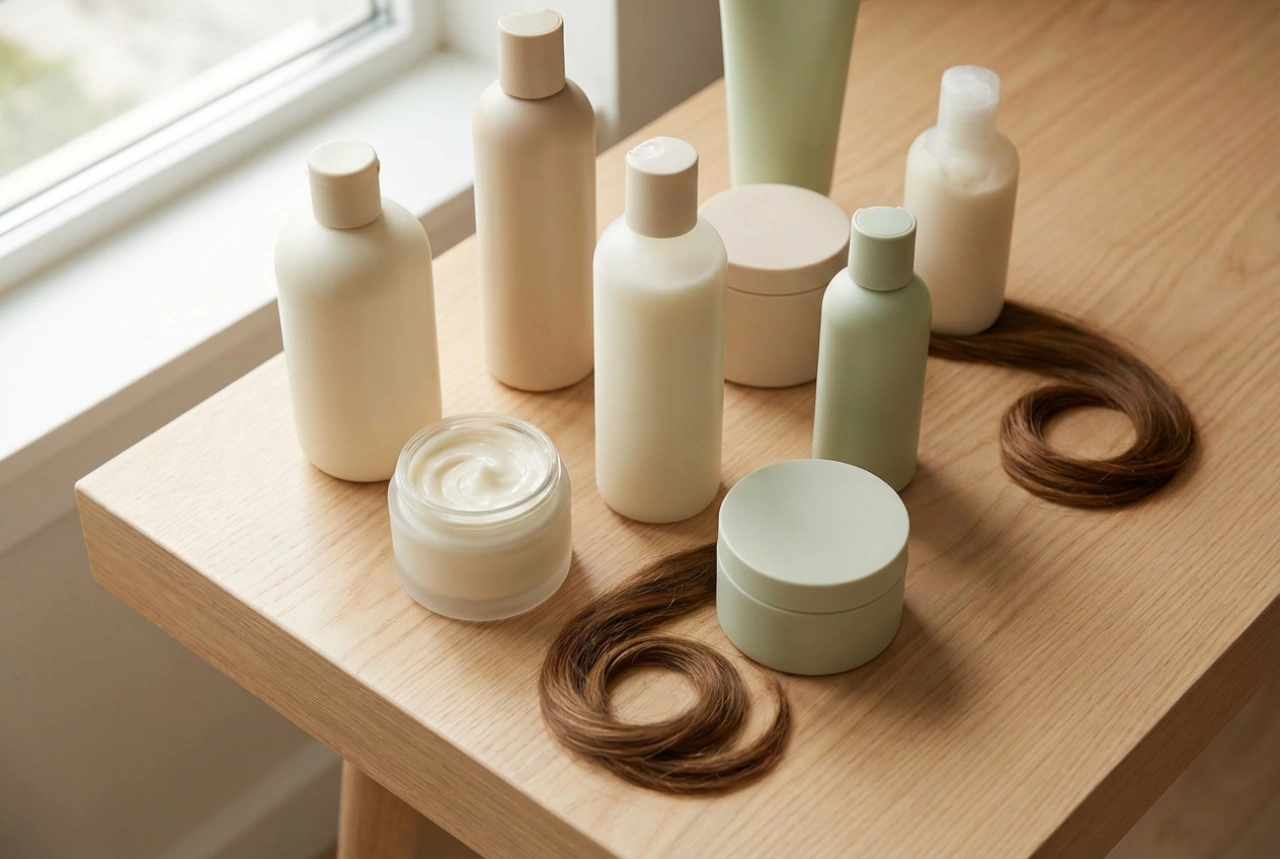
A good conditioner for curly hair will often contain a balance of both humectants and emollients to both hydrate and seal.
The OMO Method: A Revolutionary Washing Technique
The OMO method is a washing routine that is particularly beneficial for dry, delicate, or curly hair. The acronym OMO stands for 'Odżywka-Mycie-Odżywka', which translates from Polish to Condition-Wash-Condition. This three-step process is designed to protect hair from the potentially stripping effects of shampoos while ensuring it receives maximum nourishment.
Step 1: The First 'C' (Condition)
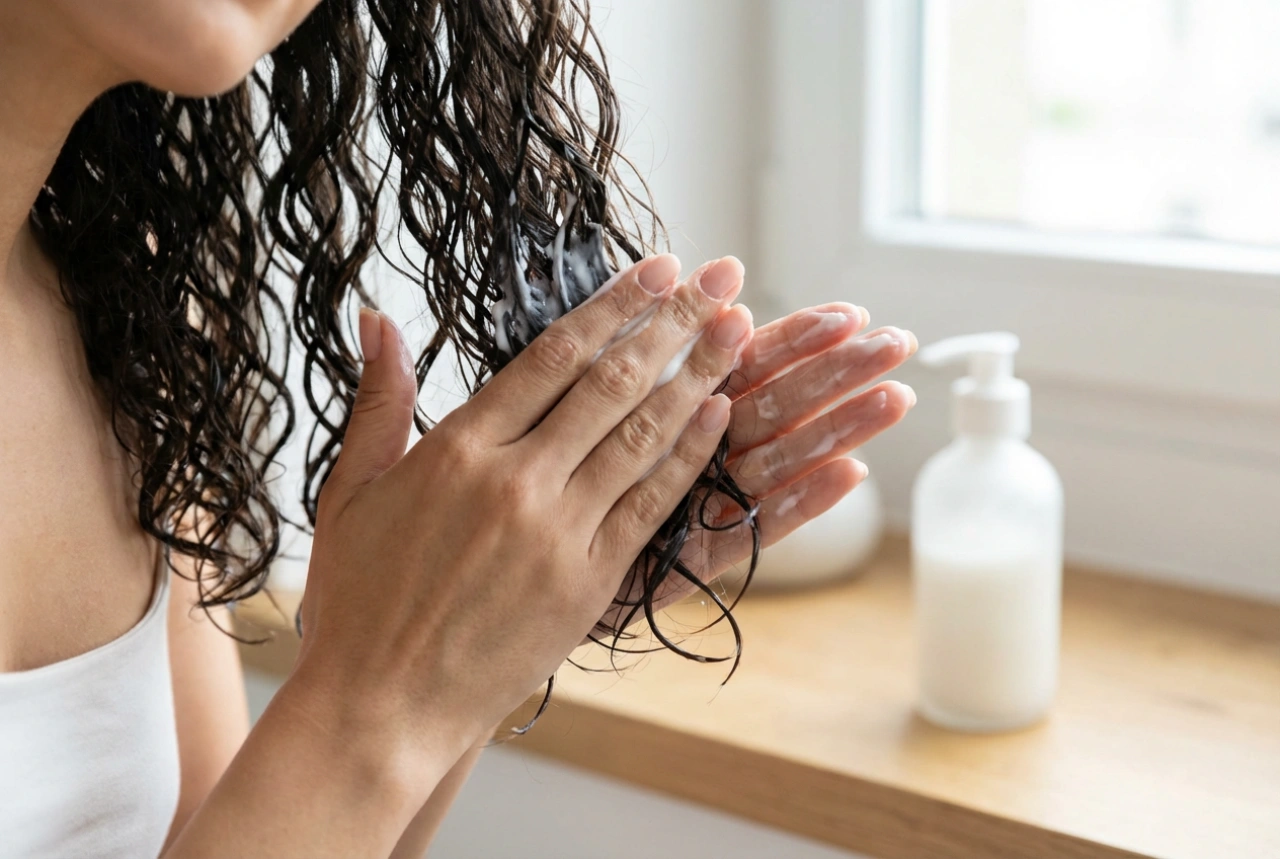
Before you even introduce shampoo, you apply a light conditioner to the lengths and ends of your wet hair. This first conditioning step acts as a protective shield. It coats the hair shaft, preventing the shampoo from removing too much of its natural oils, which is especially important for the already-dry ends of curly hair. A simple, lightweight conditioner without heavy oils is often best for this step.
Step 2: 'W' (Wash)
With the conditioner still on the lengths of your hair, you can proceed to wash your scalp. Apply a gentle, sulphate-free shampoo directly to the roots and massage it in to cleanse the scalp of dirt, oil, and product build-up. When you rinse the shampoo out, it will gently flow down the hair, cleansing the lengths without harsh friction, as they are already protected by the initial layer of conditioner.
Step 3: The Second 'C' (Condition)
After thoroughly rinsing out the shampoo and the first conditioner, it is time for the final, most nourishing step. Apply a richer, more moisturising conditioner from the mid-lengths to the ends. This is the time to use your main conditioning product, which could be richer in emollients to seal in moisture, or a deep conditioner if your hair needs extra care. Leave it on for several minutes to allow it to penetrate deeply, then rinse as usual, perhaps with cool water to help seal the cuticle.
Choosing the Right Conditioner for Your Curls
The ideal conditioner depends on your hair's specific characteristics, such as its porosity (how well it absorbs and retains moisture) and thickness. Hair that feels very dry and rough may benefit from conditioners rich in emollients like butters and oils. Hair that feels limp and lacks bounce might need a dose of hydration from humectant-rich products. Experimenting with the balance and paying attention to how your hair responds is the best way to find your perfect routine and unlock the full potential of your beautiful curls.