

Incorporating a face mask into your evening skincare routine can be a deeply relaxing and beneficial ritual. When that mask contains a powerhouse ingredient like retinol, it can elevate your regimen to a new level, targeting concerns related to skin texture and appearance. Understanding how and when to use a retinol mask is key to unlocking its full potential while maintaining happy, healthy-looking skin. This guide will walk you through the essential steps for using this potent product correctly as part of your nighttime ritual.
What is Retinol and Why Use It in a Mask?
Retinol is a derivative of vitamin A and one of the most well-regarded ingredients in the world of skincare. It is known for its ability to support the skin's natural renewal processes. When used consistently, it can help to visibly improve skin texture, diminish the appearance of fine lines and wrinkles, and promote a more even skin tone. A face mask is an excellent delivery system for retinol because it allows the ingredient to sit on the skin for a designated period, providing a concentrated application. This format can offer a periodic boost to your regular skincare, working to refine and rejuvenate the skin's surface for a smoother, more radiant look.
The Best Time to Use a Retinol Mask
The golden rule for using any retinol product is to apply it exclusively in the evening. There are two primary reasons for this. Firstly, retinol can make your skin more sensitive to ultraviolet (UV) light, increasing the potential for sun damage. Applying it at night minimises this risk. Secondly, the skin's natural repair processes are most active while you sleep, making it an opportune time to introduce ingredients that support rejuvenation. When it comes to frequency, less is often more, especially when you're starting out. Begin by using a retinol mask once a week to allow your skin to acclimate. If your skin responds well, you can consider gradually increasing the frequency to twice a week, but always pay close attention to how your skin feels.
A Step-by-Step Guide to Application
Proper application is crucial for achieving the best results and minimising the chance of irritation. Follow these steps for a safe and effective treatment.
Step 1: Prepare Your Skin
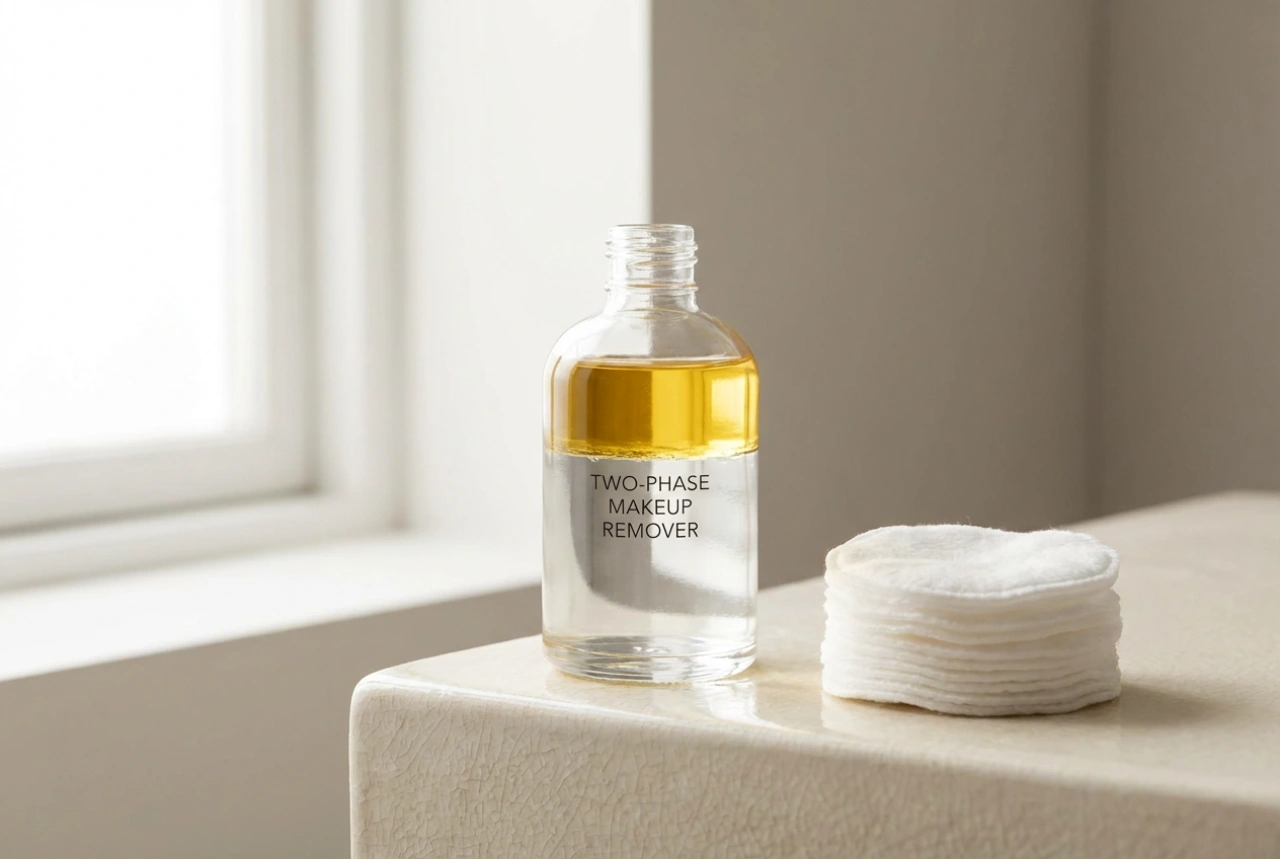
Start with a thoroughly cleansed face. Use a gentle cleanser to remove all makeup, dirt, and impurities from the day. It is vital that you pat your skin completely dry afterwards. Applying retinol to damp skin can increase its penetration, which might sound good but can also heighten the risk of irritation. A dry canvas ensures a more controlled and gentle application.
Step 2: Apply a Thin, Even Layer
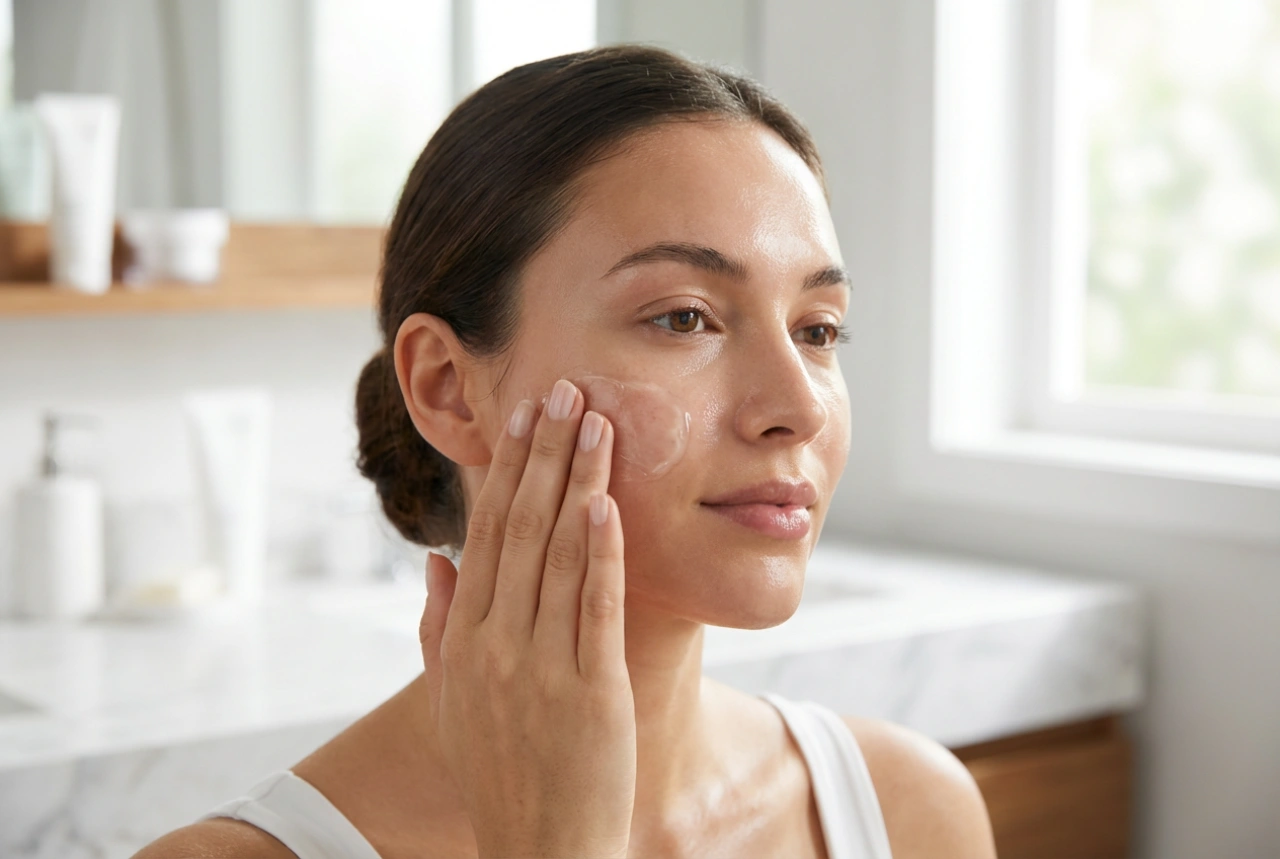
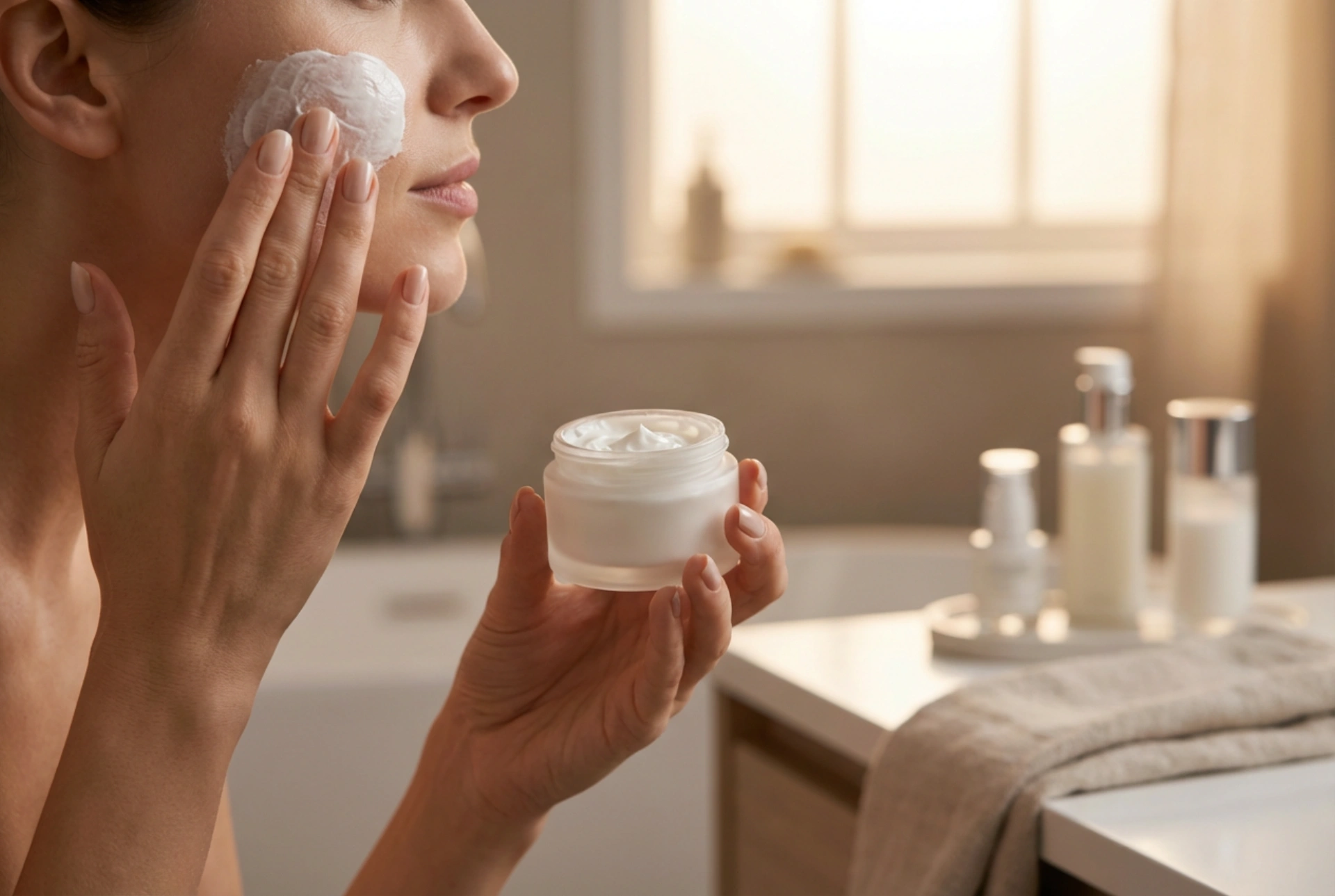
Squeeze a small amount of the mask onto your fingertips. Apply a thin, even layer across your face, being careful to avoid the most sensitive areas. Steer clear of the delicate skin around your eyes, the corners of your nose, and the area around your mouth, as these spots are more prone to dryness and irritation. Spreading the product too thickly won't make it work better and may lead to unnecessary sensitivity.
Step 3: Timing is Everything
Always adhere to the time specified in the product's instructions. Most retinol masks are designed to be left on for 10 to 20 minutes. Set a timer to avoid leaving it on for too long. Over-exposing your skin to a high concentration of retinol, especially in the beginning, can lead to redness, peeling, and discomfort.
Step 4: Rinsing and Aftercare
Once the time is up, rinse the mask off thoroughly with lukewarm water. Avoid using hot water, which can strip the skin of its natural oils. Gently pat your face dry with a soft towel. The final and most important step is to follow up with a nourishing, hydrating moisturiser. Look for formulas with ingredients like ceramides, hyaluronic acid, or glycerin to help soothe the skin, lock in moisture, and support your skin's barrier. On the night you use a retinol mask, it's best to avoid using other potent active ingredients like exfoliating acids (AHAs, BHAs) or vitamin C serums to prevent over-burdening your skin.
Important Considerations for Retinol Use
To ensure your journey with retinol is a positive one, keep these best practices in mind.
- Start with a patch test: Before applying the mask to your entire face for the first time, test it on a small, discreet area of skin (like behind your ear or on your inner arm) to check for any adverse reactions.
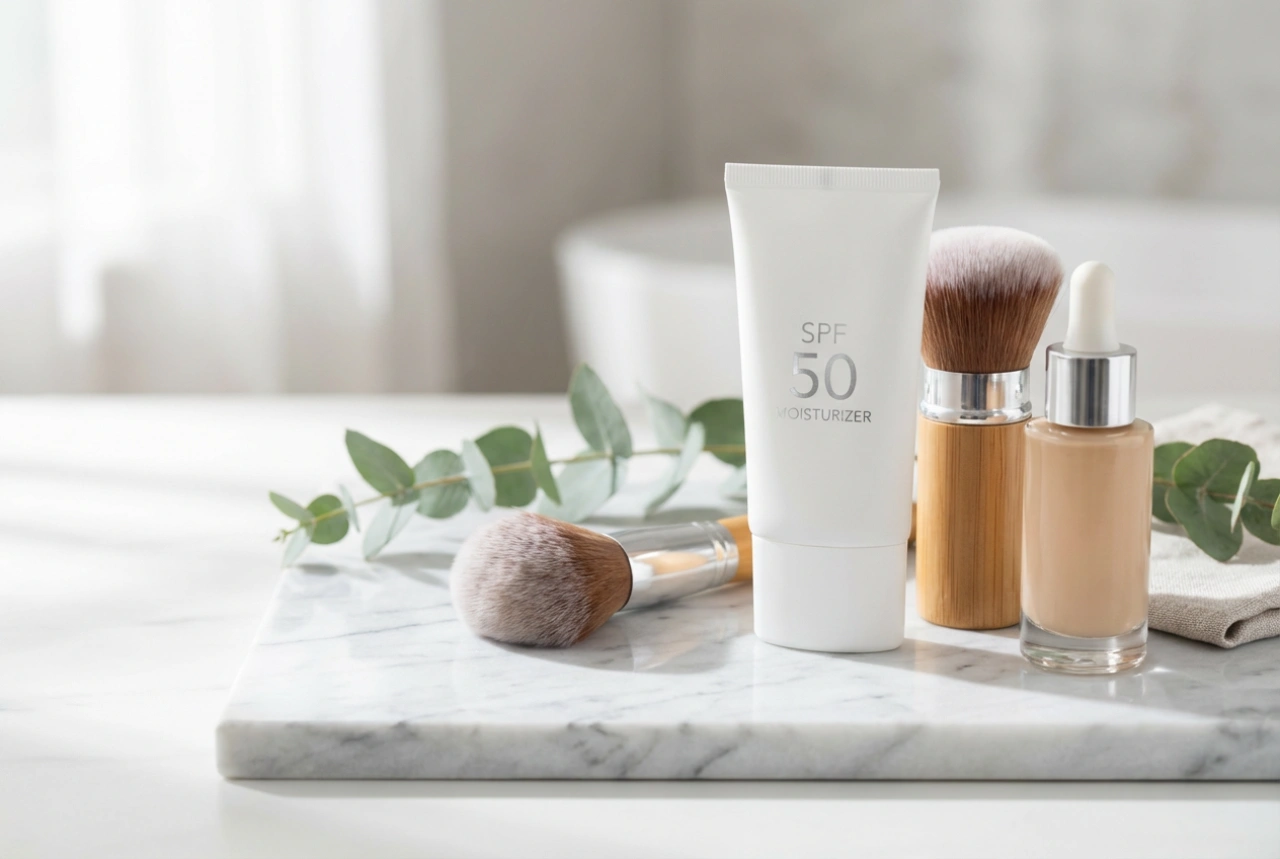
- Sunscreen is non-negotiable: The day after using a retinol mask, it is absolutely essential to apply a broad-spectrum sunscreen with a high SPF. Your skin will be more susceptible to sun damage, and protecting it is key to seeing the benefits of your treatment.
- Hydrate, hydrate, hydrate: Retinol can have a drying effect. Support your skin by using a gentle, hydrating cleanser and a rich moisturiser both morning and night.
- Listen to your skin: If you experience significant redness, peeling, or discomfort, reduce the frequency of use or take a break from the product altogether. Allow your skin barrier to recover before trying again.