

Using wax strips at home is a popular and convenient method for achieving smooth, hair-free skin. The process can seem straightforward, but mastering the technique is key to getting the best results while minimising discomfort and irritation. From warming the strip between your palms to the final soothing aftercare, each step plays a vital role. This guide will walk you through how to properly prepare, apply, and remove wax strips for a professional-feeling finish in the comfort of your own home.
Preparing Your Skin for a Flawless Result
Proper preparation is the foundation of successful waxing. Skipping this stage can lead to less effective hair removal and increase the chance of skin irritation. Before you even think about opening the wax strip packet, ensure your skin is ready.
- Clean and Dry Skin is Essential: Start by washing the area you intend to wax with a mild soap and water to remove any oils, lotions, or dirt. Afterwards, pat the skin completely dry with a clean towel. Any moisture will prevent the wax from adhering properly to the hair.
- Check Hair Length: For wax to grip effectively, hair should be between 2 and 5 millimetres long. If it's too short, the wax won't have enough to grab onto. If it's too long, the process can be more uncomfortable and less efficient. Trim longer hairs with scissors before you begin.
- Consider a Light Dusting of Powder: If your skin tends to be oily or you are waxing in a warm environment, applying a very light layer of talc-free powder or cornflour can help absorb excess moisture and create a better surface for the wax to adhere to the hair, not the skin.
Warming and Applying the Wax Strips
Once your skin is prepped, it's time to handle the strips themselves. The goal is to warm the wax just enough to make it pliable and effective. Overheating is not necessary and does not improve performance.
The Correct Warming Method
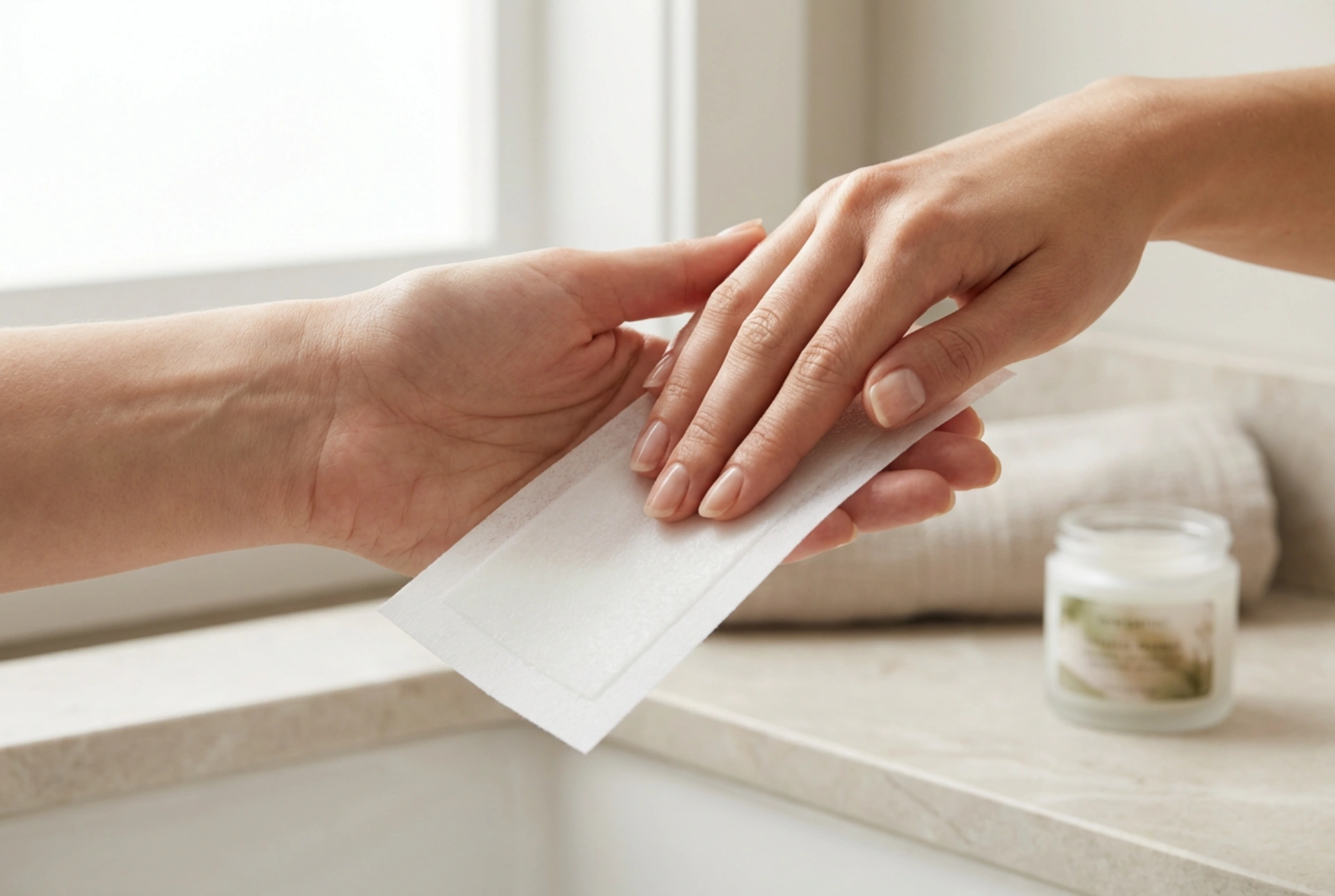
The simplest and safest way to warm a pre-waxed strip is by using the heat from your own hands. Place the strip between your palms and rub them together briskly for about 20-30 seconds. This gentle friction generates enough warmth to soften the wax, making it ready for application. Avoid using external heat sources like hairdryers or microwaves, as this can melt the wax unevenly and pose a risk of burns.
Application Technique
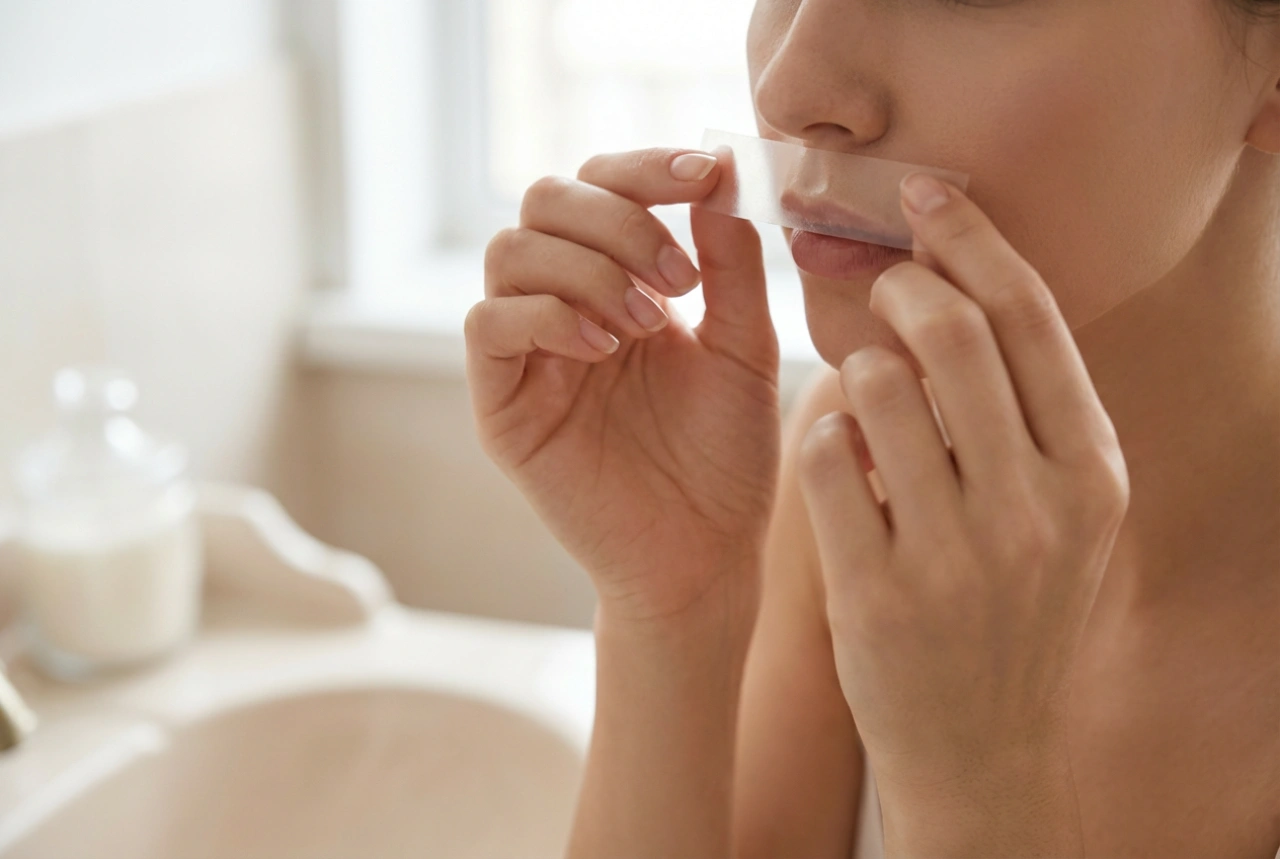
Slowly peel the two sides of the strip apart to reveal the waxed surfaces. Choose one strip and place it onto the skin, ensuring you are applying it in the same direction that your hair grows. Press down firmly and use your hand to smooth over the strip several times in the direction of hair growth. This action ensures the wax thoroughly coats and grips every hair from the root.
The Removal Technique: Quick and Effective
This is the most critical step and the one that often causes hesitation. A swift, confident motion is far more effective and less uncomfortable than a slow, tentative pull. The key is to work against the direction of hair growth.
With one hand, hold the skin taut just below the edge of the wax strip. This prevents the skin from being pulled upwards during removal, which significantly reduces discomfort and bruising. With your other hand, grip the bottom edge of the strip. In one single, rapid movement, pull the strip back on itself. It is crucial to pull parallel to the skin, not straight up and away from it. Think of it like turning the page of a book very quickly. This angle helps to pull the hair out from the root cleanly rather than breaking it at the surface.
Essential Post-Wax Aftercare
After the hair is removed, your skin will be sensitive and requires gentle care to help it calm down and recover. Proper aftercare helps prevent bumps, redness, and ingrown hairs.
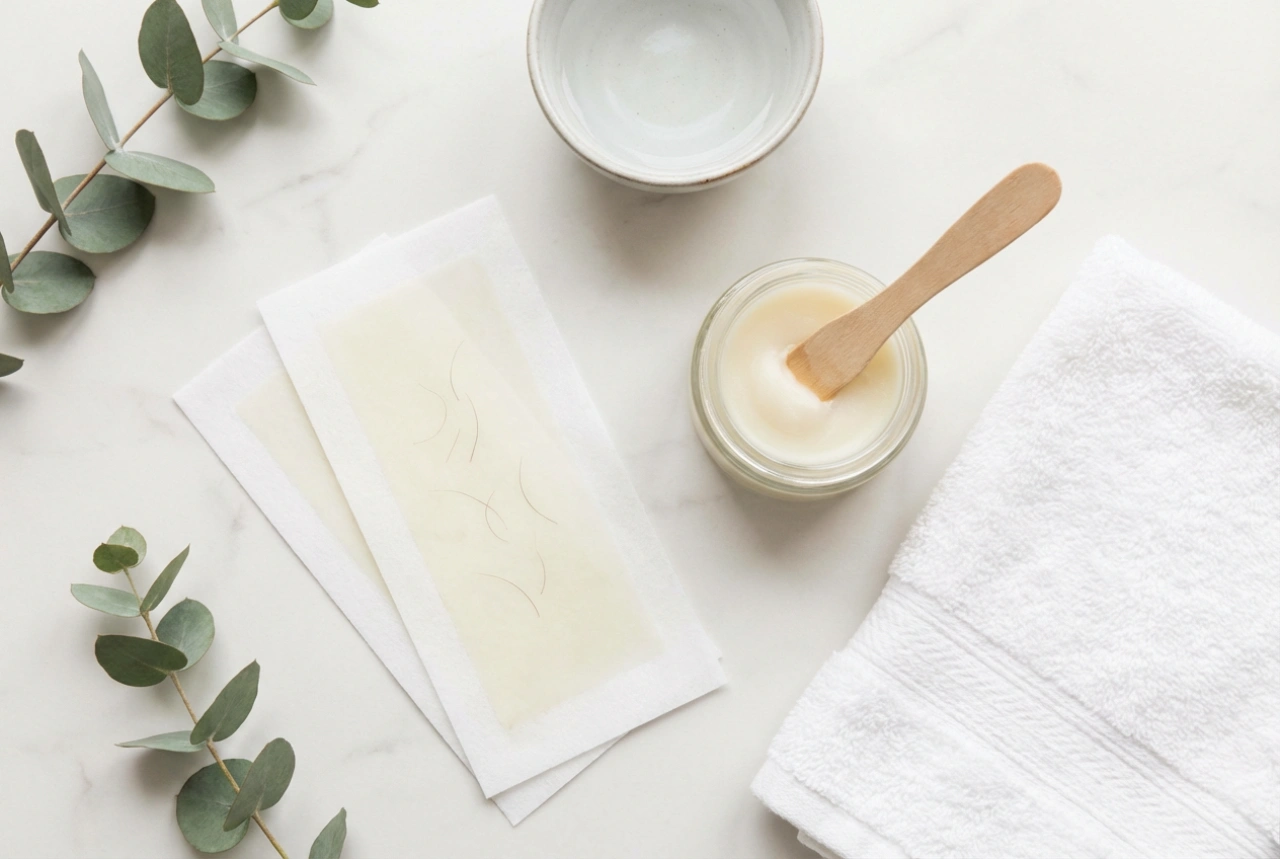
- Remove Wax Residue: Most wax strip kits come with special post-wax finishing wipes. These are typically oil-based and are designed to dissolve any sticky wax residue left on the skin. If you don't have these, a cotton pad soaked in a body-safe oil like baby oil, coconut oil, or almond oil will also work effectively. Never try to remove wax residue with water, soap, or alcohol, as this will not work and will only irritate the skin further.
- Soothe the Area: Apply a calming, fragrance-free lotion, a pure aloe vera gel, or a light, non-comedogenic oil to the waxed area. This will help to soothe redness and rehydrate the skin.
- Avoid Irritants for 24 Hours: For the first 24 hours after waxing, avoid hot baths or showers, saunas, swimming pools, and direct sun exposure. It is also wise to wear loose-fitting clothing made from natural fibres like cotton to allow your skin to breathe and prevent friction.