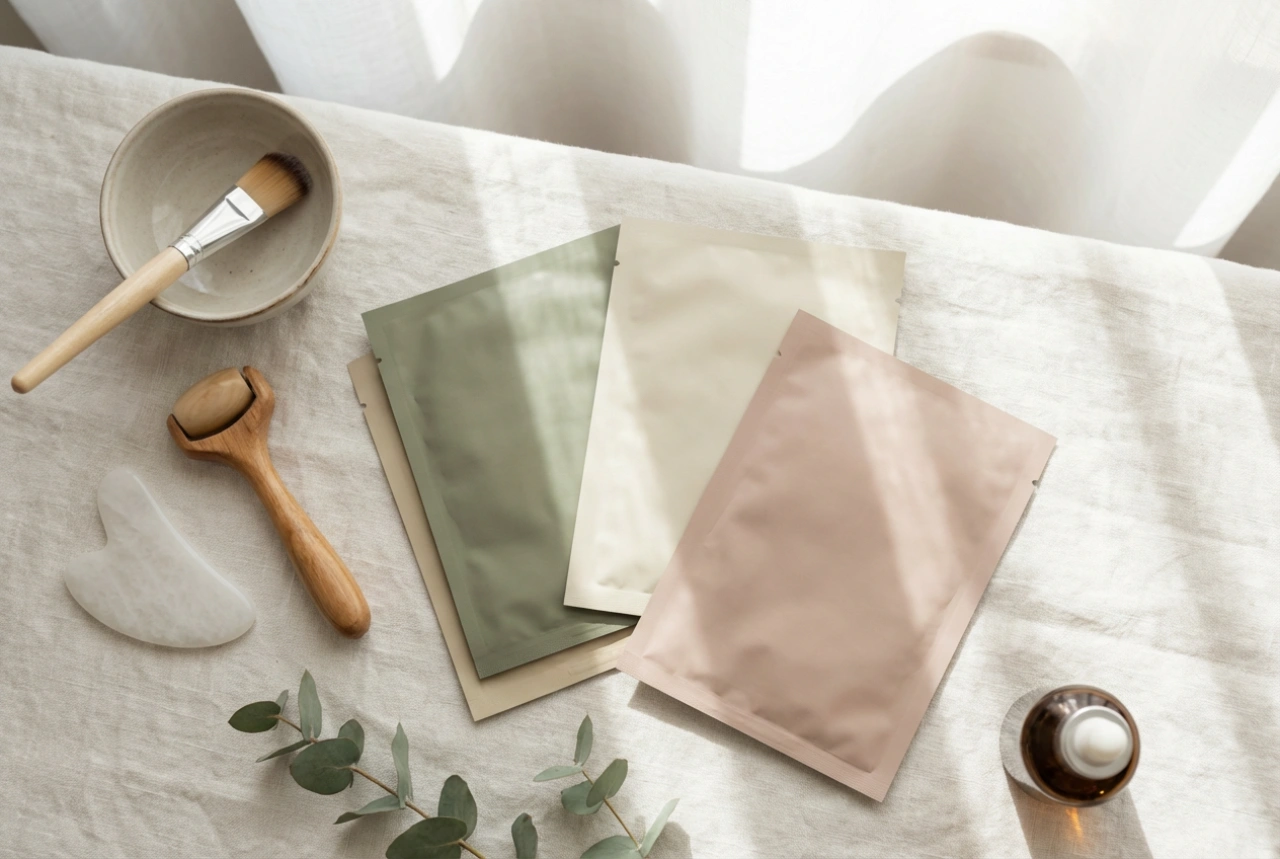


Drawing from the earth's natural resources, cosmetic clays have been a staple in beauty rituals for centuries. Their ability to purify, refresh, and revitalise the complexion makes them a popular choice for at-home skincare. Understanding the different types of clay and how to use them correctly is key to unlocking their full potential without causing skin dryness. With just a few simple steps, you can incorporate this powerful ingredient into your routine for clearer, more balanced skin.
Choosing the Right Clay for Your Skin Type
Not all clays are created equal. Their colour, which comes from their mineral composition, often indicates their properties and suitability for different skin concerns. Selecting the appropriate one is the first step towards an effective masking experience.
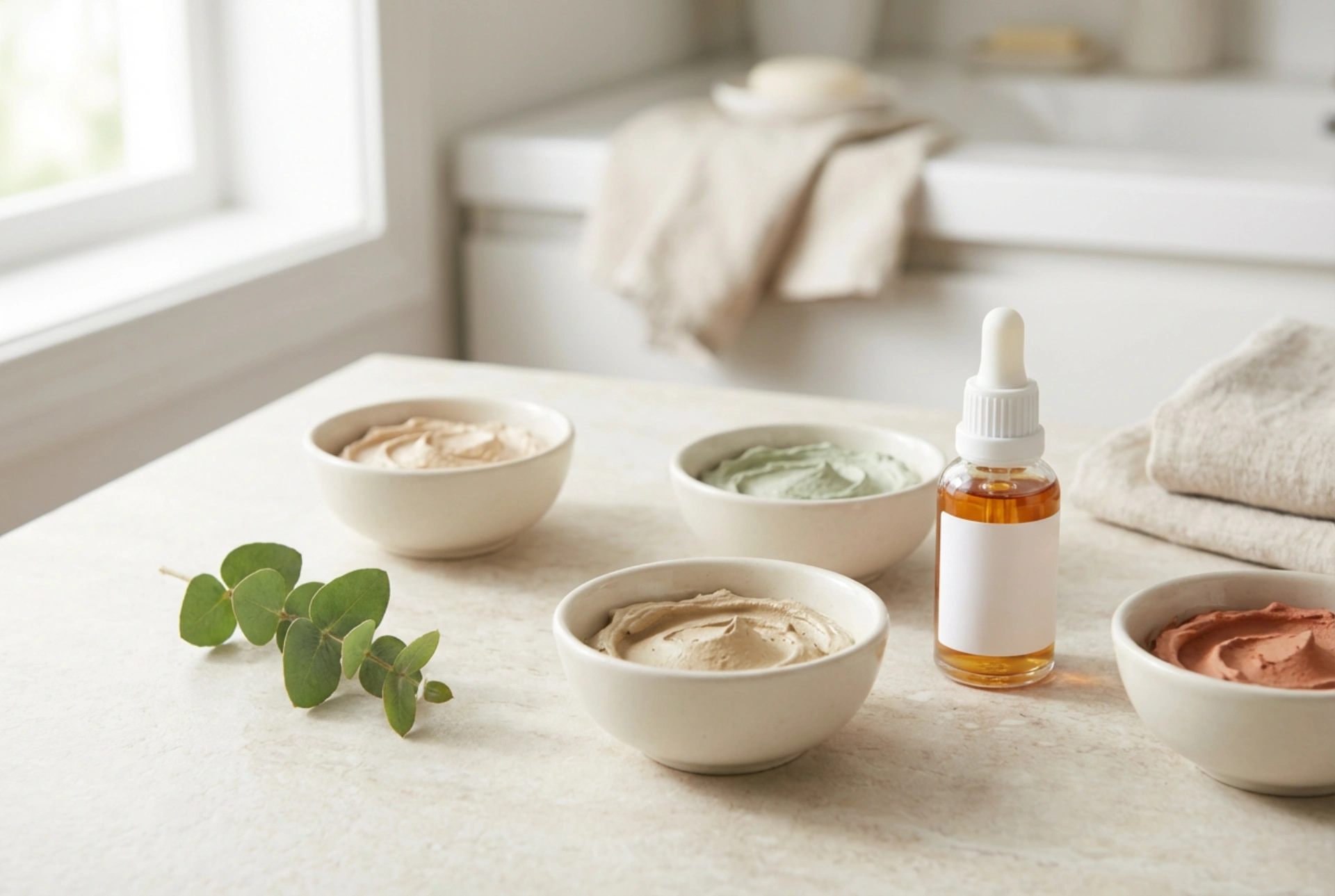
Common Types of Cosmetic Clays:
- Green Clay: Often illite or bentonite clay, this is one of the most absorbent types. It's excellent at drawing out impurities and excess oil from the pores, making it ideal for oily and combination skin types. Its purifying properties help to clarify the complexion.
- White Clay (Kaolin): This is the mildest of all cosmetic clays. Its gentle nature makes it suitable for sensitive, dry, and mature skin. It provides very light exfoliation and helps to soften the skin without stripping it of its natural oils.
- Red Clay: Rich in iron oxide, red clay is known for its revitalising and brightening properties. It can help to improve the appearance of dull, tired skin by enhancing skin tone and clarity. It is generally suitable for normal to oily skin types.
- Pink Clay: A blend of red and white clays, pink clay offers a perfect balance. It provides gentle purification and exfoliation, making it an excellent choice for sensitive, normal, and combination skin. It helps to soothe the skin while drawing out impurities.
Mastering the Art of Application
Proper application ensures you get all the benefits of your chosen clay mask. Whether you are using a pre-mixed formula or a powder you prepare yourself, the technique is crucial for optimal results.
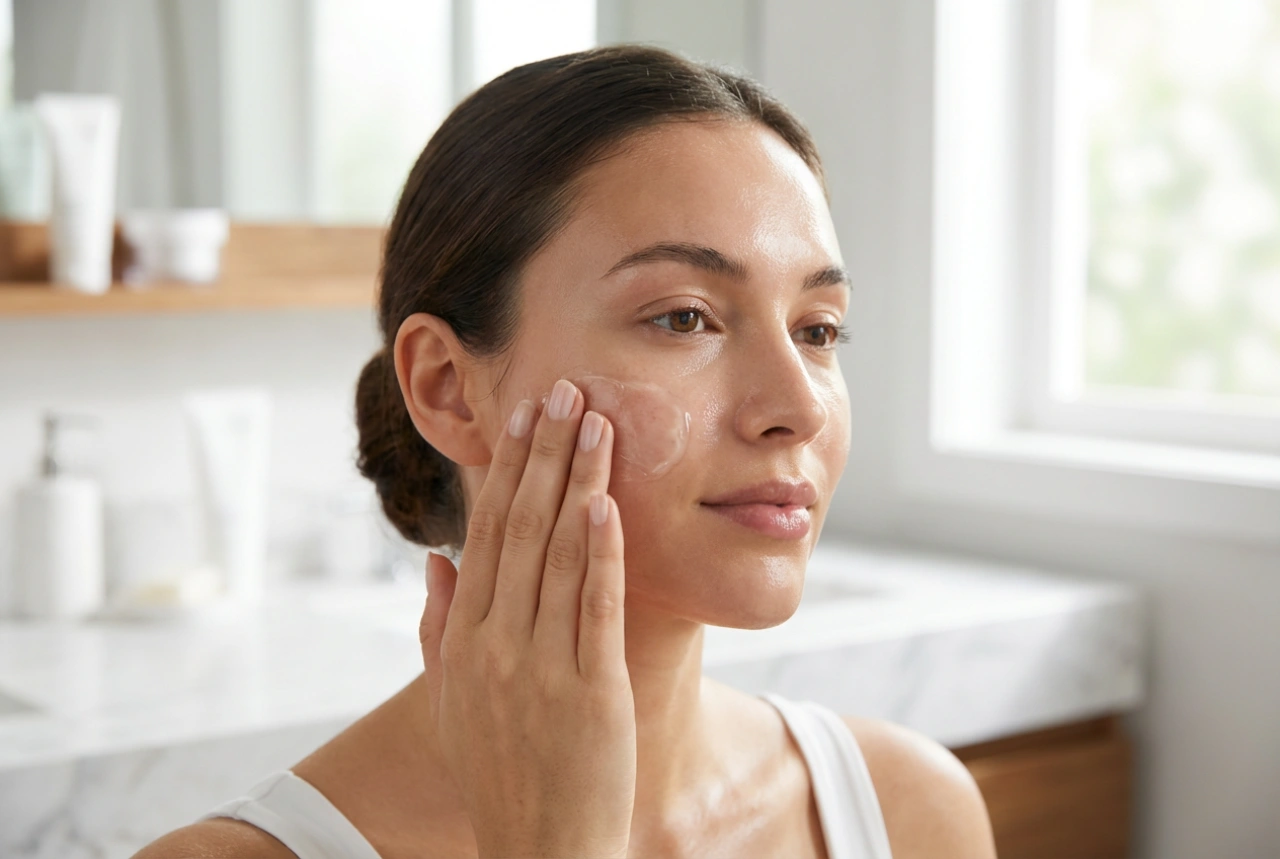
Start with a cleansed face. If you are using clay powder, mix a small amount with a liquid like water or a floral water (hydrosol) in a non-metallic bowl until it forms a smooth, spreadable paste. Using your fingertips or a clean brush, apply an even layer to your face, avoiding the delicate eye and lip areas. The layer should be thick enough that you cannot see your skin through it, but not excessively thick.
The Critical Factor: How Long to Leave a Clay Mask On
One of the most common mistakes when using a clay mask is leaving it on for too long. A clay mask works in three phases. In the initial damp phase, your skin absorbs the beneficial minerals from the clay. As it begins to dry, the mask feels cool and starts to gently tighten, which helps to stimulate blood flow. This is the optimal point to rinse it off. If you let the mask dry completely until it's cracking and flaking, it enters a third phase where it can start to draw moisture *out* of your skin, leading to dehydration and irritation. A good rule of thumb is to remove the mask when it is still slightly tacky to the touch. This usually takes between 5 to 15 minutes, depending on the type of clay and the thickness of the application.
The Essential Final Step: Post-Mask Hydration
After rinsing off the clay mask with lukewarm water, your skincare routine is not yet complete. Clay is inherently absorbent, and even when used correctly, it can leave the skin feeling tight. It's vital to replenish any lost moisture immediately to maintain a healthy skin barrier. Pat your skin dry gently with a soft towel and follow up with your favourite hydrating products. A serum containing ingredients like hyaluronic acid or glycerin is an excellent choice to deeply hydrate the skin. Seal in that moisture by applying a good-quality moisturiser suited to your skin type. This final step ensures your skin remains balanced, soft, and comfortable, allowing you to enjoy the purifying benefits of the clay without the drawback of dryness.