

Achieving beautifully smooth, hair-free skin is a common beauty goal. While methods like shaving and waxing are well-known, hair removal creams, also known as depilatory creams, offer a convenient and painless alternative. These creams work their magic without the risk of nicks or the discomfort of waxing, making them a popular choice for at-home use. However, to get the best results and avoid skin irritation, it is essential to understand how they work and how to apply them correctly. Proper technique is key to turning this simple process into a refined beauty ritual.
How Does Hair Removal Cream Work?
The science behind hair removal cream is quite straightforward. These products contain active chemical ingredients, typically salts of thioglycolic acid, which are alkaline. Their primary function is to break down the protein structure of the hair, known as keratin. When you apply the cream, it weakens the hair shaft at or just below the skin's surface until it is soft enough to be wiped away. This is why the hair seems to dissolve. Unlike shaving, which cuts the hair bluntly at the surface, this method results in a softer, less stubbly regrowth. Because this is a chemical process, it is crucial to treat these products with respect and always follow the instructions to protect your skin from potential irritation.
A Step-by-Step Guide for Perfect Application
Following a precise method ensures you get flawlessly smooth skin without any unwanted side effects. Consistency and attention to detail are your best friends here.
1. Preparation is Key
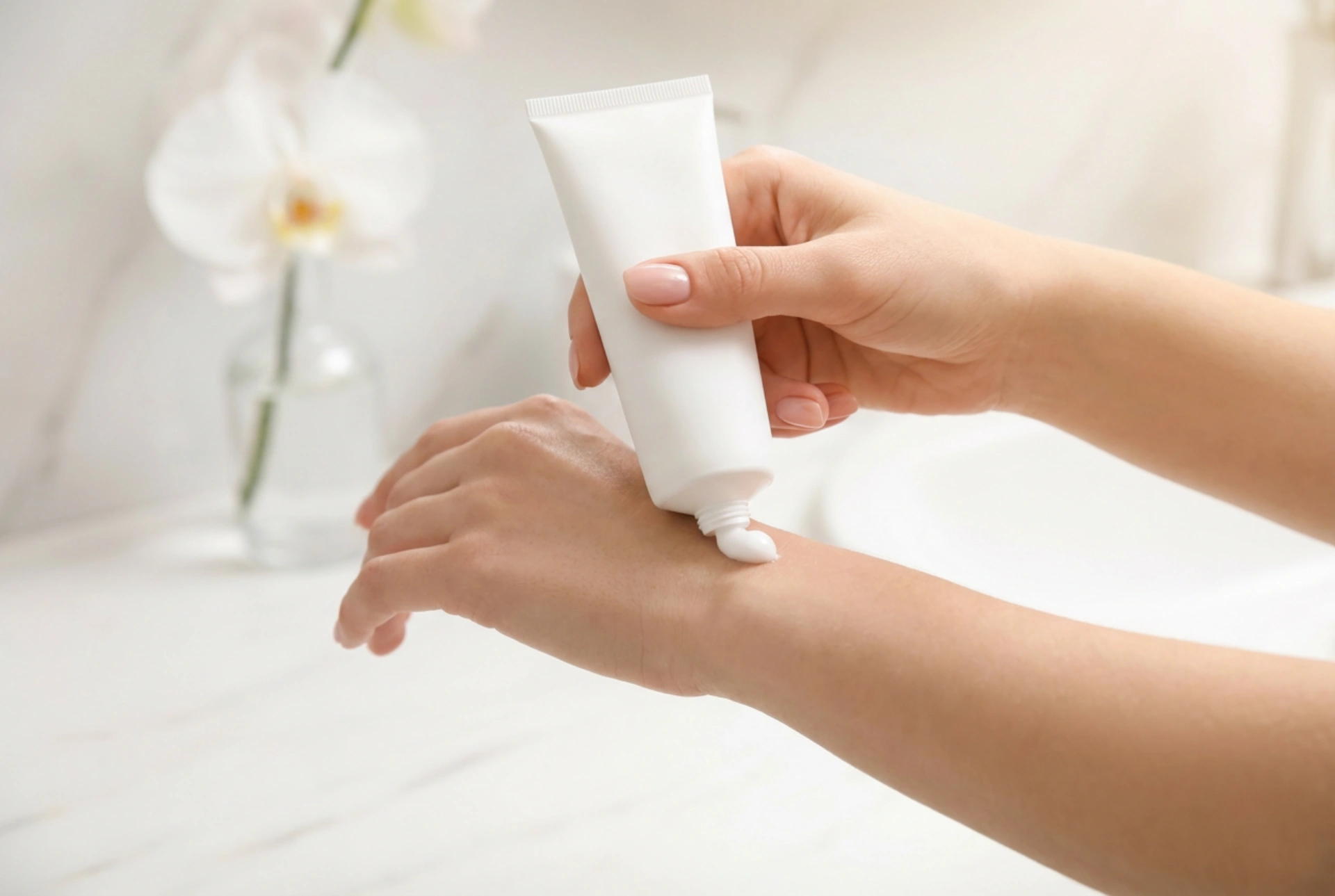
Before you even open the tube, your skin needs to be ready. Ensure the area you wish to treat is clean, dry, and free from any cuts, spots, or irritation. Do not apply cream to sunburnt or recently exfoliated skin. The most critical preparatory step is the patch test. Apply a small amount of the cream to a discreet patch of skin where you intend to use it, like the inside of your wrist or ankle. Follow the instructions for the patch test, wait the recommended time (usually 24-48 hours), and check for any signs of redness, itching, or irritation. If your skin reacts, do not use the product.
2. The Application Process
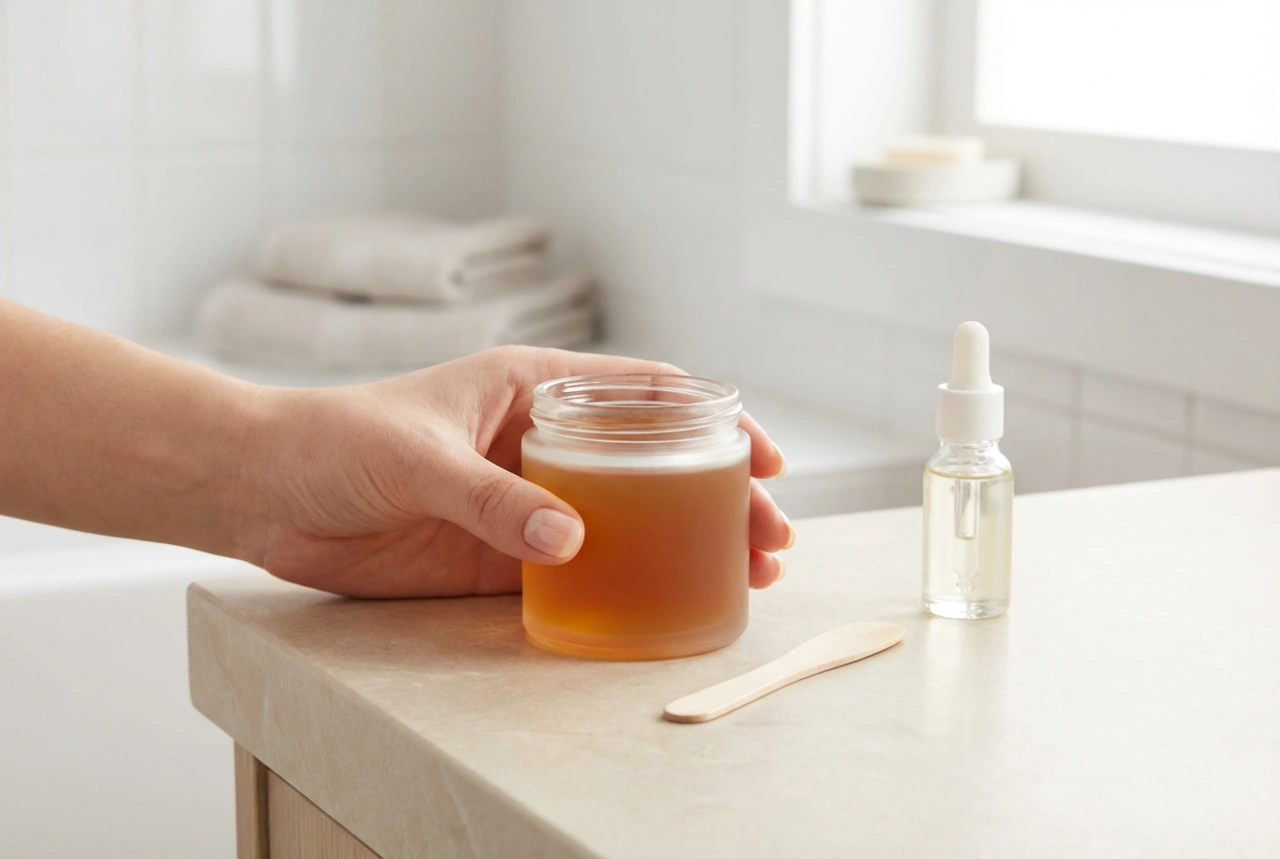
Using the spatula that usually comes with the product, apply a thick, even layer of cream over the hair. Do not rub it into your skin as you would with a moisturiser. The cream needs to sit on top of the skin, fully covering the hair you want to remove. Make sure the layer is generous enough to coat the entire length of the hair for the chemicals to work effectively. Wash your hands thoroughly immediately after application.
3. Timing is Everything
This is perhaps the most important part of the process. Check the product's instructions for the recommended development time. Use a timer to keep track accurately. The time can vary from as little as three minutes to around ten minutes, depending on the formula and your hair thickness. Never be tempted to leave the cream on for longer than the maximum time stated in the instructions, as this significantly increases the risk of chemical burns and severe skin irritation.
4. Gentle Removal and Rinsing
Once the time is up, gently test a small area by scraping the cream off with the spatula against the direction of hair growth. If the hair comes away easily, proceed to remove the rest. If it doesn't, you can wait another minute or two, but never exceed the maximum time. After removing all the cream and hair, rinse your skin thoroughly with lukewarm water. Do not use soap. Pat the area dry with a soft towel—avoid rubbing, as your skin will be more sensitive.
Common Mistakes to Avoid for a Flawless Finish
Many common issues with hair removal creams stem from incorrect usage. Avoiding these pitfalls will help you achieve the best possible results safely.
- Exceeding the time limit: Leaving the cream on for too long is the number one cause of redness, stinging, and even chemical burns. Always adhere to the manufacturer's instructions.
- Skipping the patch test: Even if you have used the same product before, formulas can change, and your skin's sensitivity can fluctuate. A patch test is a non-negotiable step to prevent adverse reactions.
- Applying to compromised skin: Never use depilatory cream on skin that is broken, sunburnt, inflamed, or has moles or varicose veins. It can cause significant pain and damage.
- Rubbing the cream in: The cream is designed to work on the surface. Rubbing it in does not make it more effective and may increase the risk of skin irritation.
- Using the wrong product for the area: Body hair removal cream is often too strong for the delicate skin on the face or bikini line. Always use a product specifically formulated for the intended area.
- Poor aftercare: Applying perfumed products, deodorants, or alcohol-based toners immediately after treatment can irritate freshly treated skin. Give your skin time to recover.
Aftercare for Smooth, Healthy Skin
What you do after removing the hair is just as important as the removal process itself. Proper aftercare helps to soothe the skin and maintain its healthy appearance. Immediately after rinsing and patting the area dry, apply a gentle, soothing moisturiser. Look for formulas that are free from fragrance and alcohol to avoid stinging or irritation. Ingredients like aloe vera or chamomile can be particularly calming. For the next 24 hours, treat your skin with extra care. Avoid hot baths or showers, swimming in chlorinated pools, and sunbathing or using tanning beds. Wear loose, comfortable clothing over the treated area to prevent friction. To help prevent ingrown hairs, you can start to gently exfoliate the area a few days after hair removal, but not before.