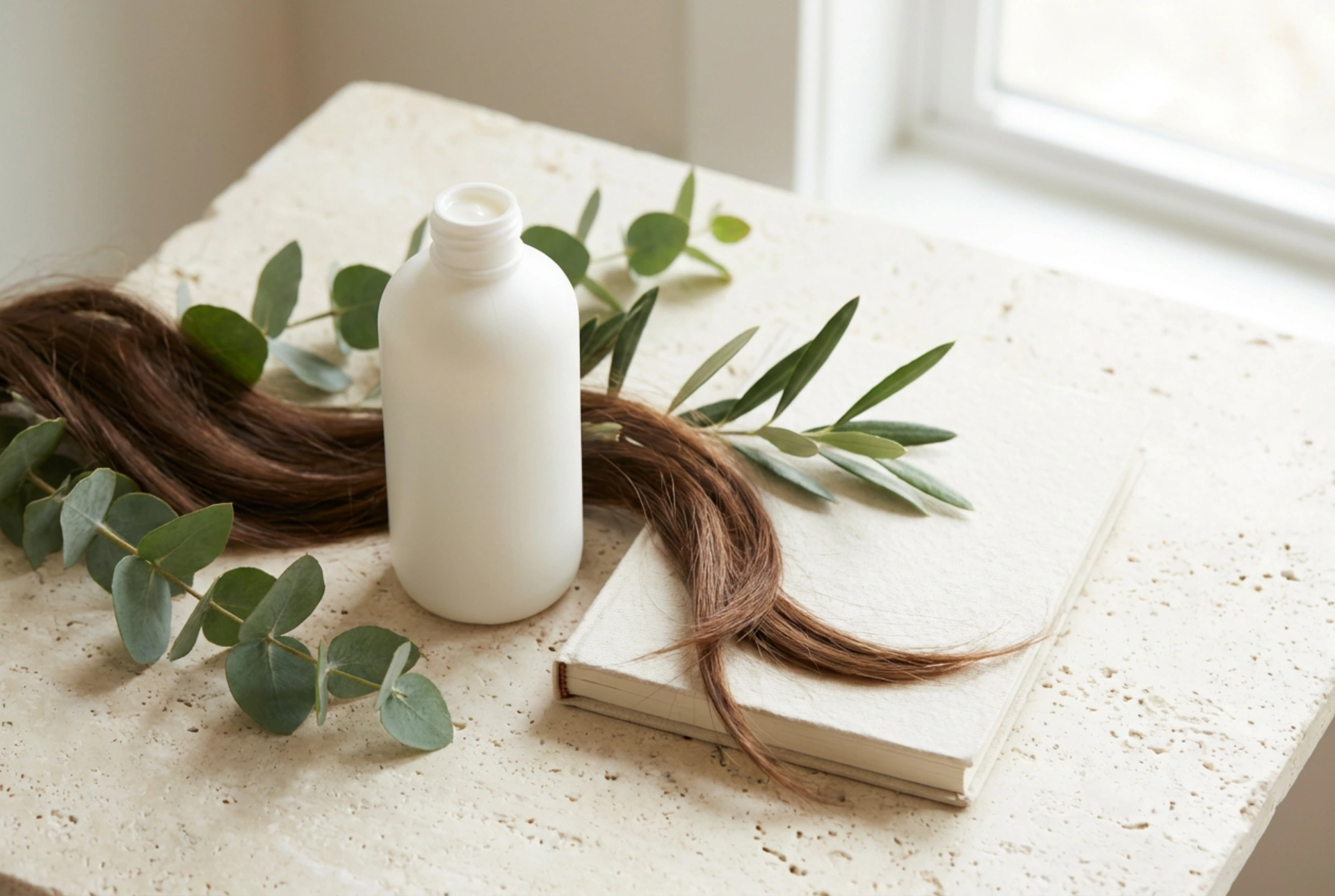


Dealing with dry, lacklustre hair can be a frustrating experience. It often feels brittle, looks dull, and is prone to tangles and breakage. The key to reviving it lies not just in finding a suitable product, but in establishing a consistent care routine. Just as you might jot down notes in a journal to track progress, creating a personalised hair care plan can transform your locks. A well-chosen conditioner is the cornerstone of this plan, working to restore much-needed moisture and smoothness.
Understanding the Needs of Dry Hair
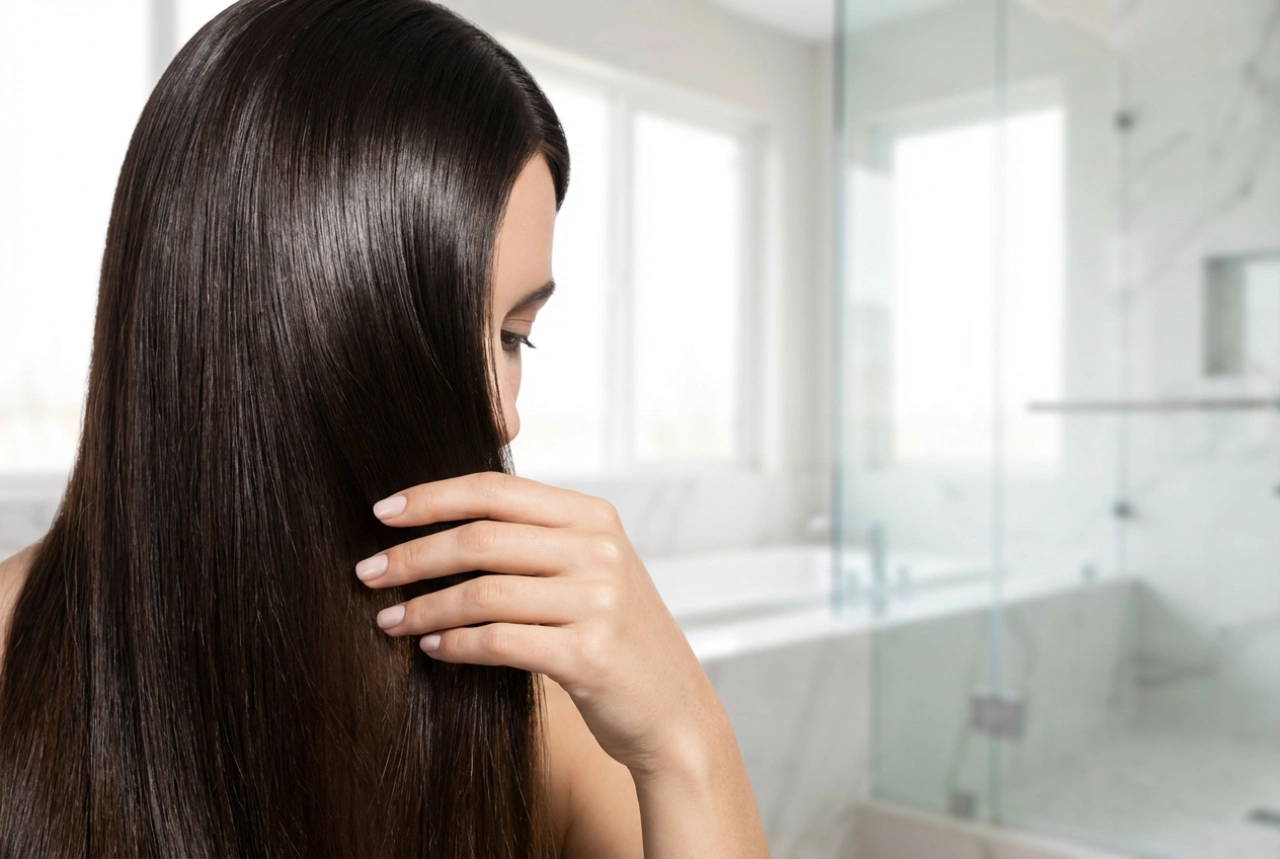
Before you can choose the right conditioner, it's essential to understand what makes hair dry. The outer layer of a hair strand, known as the cuticle, is made of overlapping scales. On healthy hair, these scales lie flat, which helps to lock in moisture and gives the hair a smooth, shiny appearance. On dry hair, these scales are lifted and open, allowing moisture to escape easily. This can be caused by a variety of factors, including environmental exposure, heat styling, and chemical treatments. The primary goals of a care plan for dry hair are to replenish lost moisture, seal the cuticle to prevent further moisture loss, and improve elasticity to reduce breakage.
Key Ingredients in Conditioners for Dry Hair
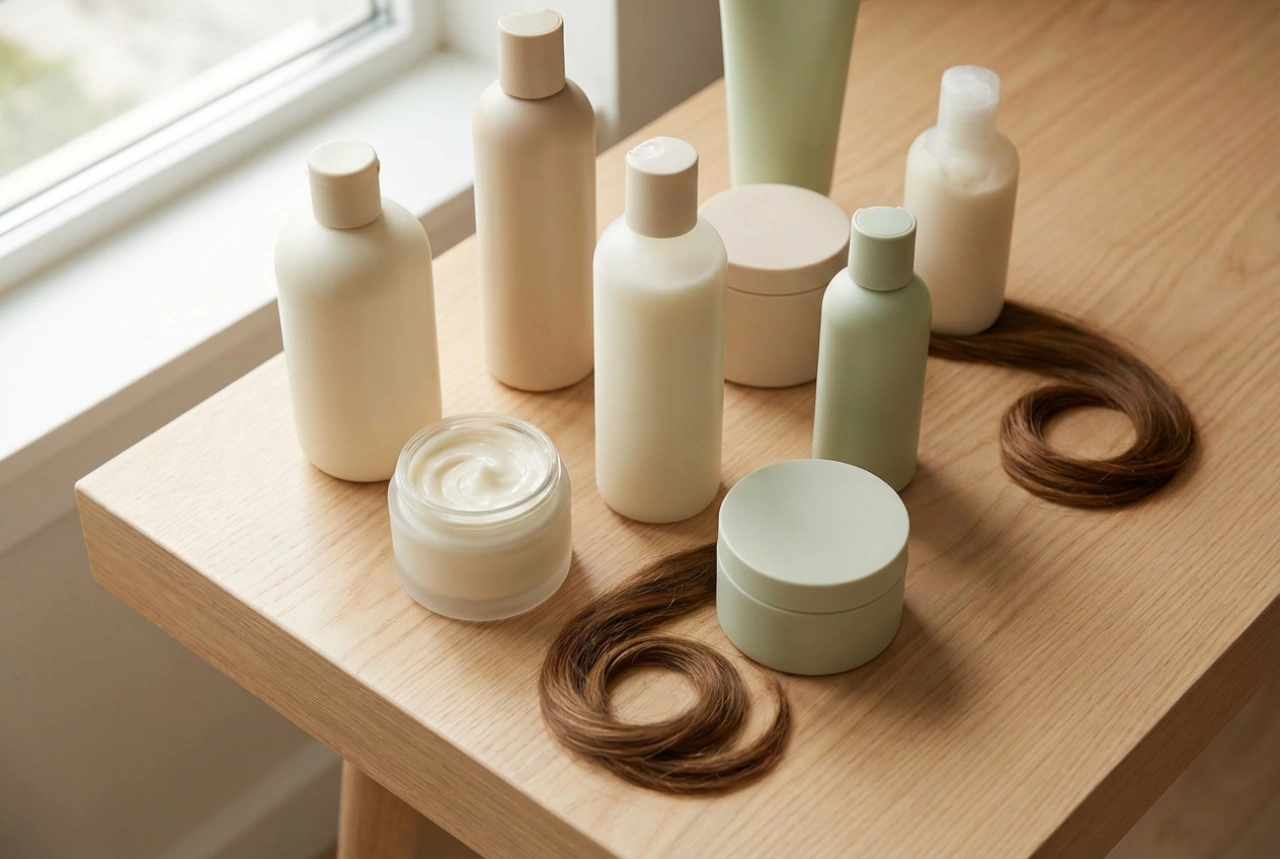
When you're scanning the ingredient list of a conditioner, certain components are particularly beneficial for thirsty strands. Learning to identify them will empower you to make an informed choice. Look for a balanced formula that provides both hydration and sealing properties.
Humectants: The Moisture Magnets
Humectants are ingredients that attract water molecules from the environment and bind them to the hair shaft. They are crucial for hydrating the hair from within. Common examples to look for include glycerin, panthenol (pro-vitamin B5), hyaluronic acid, and aloe vera. These ingredients help to infuse the hair with water, making it more flexible and less prone to snapping.
Emollients: The Cuticle Sealers
Once the hair is hydrated, that moisture needs to be locked in. This is where emollients come in. They are oily or fatty substances that coat the hair strand, smoothing down the cuticle and creating a protective barrier that prevents moisture from escaping. They also reduce friction between strands, which helps with detangling and adds a soft, silky feel. Effective emollients include plant-based butters like shea butter and cocoa butter, as well as natural oils such as coconut oil, argan oil, jojoba oil, and avocado oil.
Proteins: The Strengthening Blocks
While moisture is paramount, dry hair is often weak and needs structural support. Proteins can help fill in gaps in the hair cuticle, temporarily strengthening the strand. Look for ingredients like hydrolysed wheat protein, silk amino acids, or hydrolysed keratin. It's important to maintain a good balance, however. Using too many protein-heavy products without enough moisture can sometimes make the hair feel stiff, so alternate protein treatments with purely moisturising ones.
Creating Your Weekly Hair Care Plan
A good product is only half the battle; how you use it is just as important. A structured routine ensures your hair gets consistent care.
Washing and Conditioning
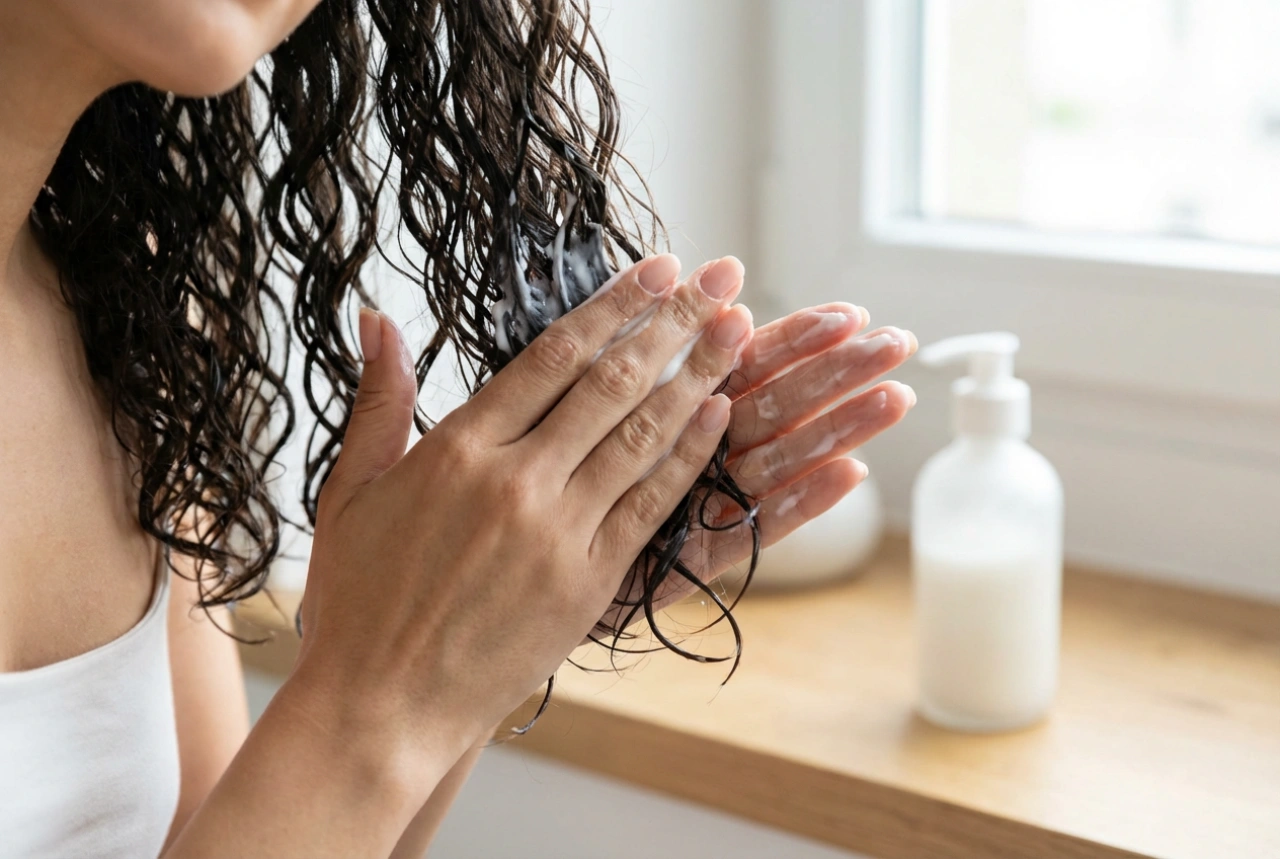
Try to wash your hair less frequently, as overwashing can strip it of its natural oils. When you do wash, use lukewarm water instead of hot water, which can be drying. After shampooing, gently squeeze excess water from your hair before applying conditioner. Focus the product on the mid-lengths and ends, where hair is the oldest and driest. Leave the conditioner on for at least 3-5 minutes to allow the ingredients to penetrate the hair shaft before rinsing thoroughly.
Deep Conditioning Treatment
Incorporate a more intensive treatment into your routine once a week. Use a deep conditioner or a hair mask specifically formulated for dry or damaged hair. These products have a higher concentration of beneficial ingredients. For an extra boost, you can cover your hair with a shower cap after applying the mask. The trapped heat will help open the cuticle, allowing for deeper absorption. Leave it on for 15-30 minutes before rinsing.
Additional Tips for Nurturing Dry Hair
Your care plan extends beyond the shower. Simple daily habits can make a significant difference in the health and appearance of your hair. Limit the use of heat styling tools like straighteners and curling wands. When you do use them, always apply a heat protectant spray first. Protect your hair from sun, wind, and chlorine, which can all exacerbate dryness. After washing, gently pat your hair with a microfibre towel or an old t-shirt instead of rubbing it vigorously with a traditional towel, as this reduces friction and prevents cuticle damage. Consistency is the most important element of all; stick to your plan, and over time you will notice your hair becoming softer, shinier, and more manageable.