

A warm bath is one of the simplest and most effective ways to relax the body and calm the mind after a long day. Adding bath salts can elevate this experience, transforming a routine wash into a luxurious, spa-like ritual. With so many types and blends available, choosing the right one can seem daunting. This guide will walk you through the different kinds of bath salts, the benefits of various additives, and the ideal proportions to create the perfect soak tailored to your needs.
Understanding the Main Types of Bath Salts
The foundation of any good bath salt blend is the salt itself. Different salts offer unique properties due to their mineral composition. Understanding these differences is the first step in customising your bath experience.
Epsom Salt
Technically not a salt, Epsom salt is a naturally occurring mineral compound of magnesium and sulphate. It dissolves easily in water and is widely praised for its ability to help soothe tired, overworked muscles. A bath with Epsom salt is a popular choice after physical activity or a stressful day, helping to promote a sense of relaxation and physical ease.
Himalayan Pink Salt
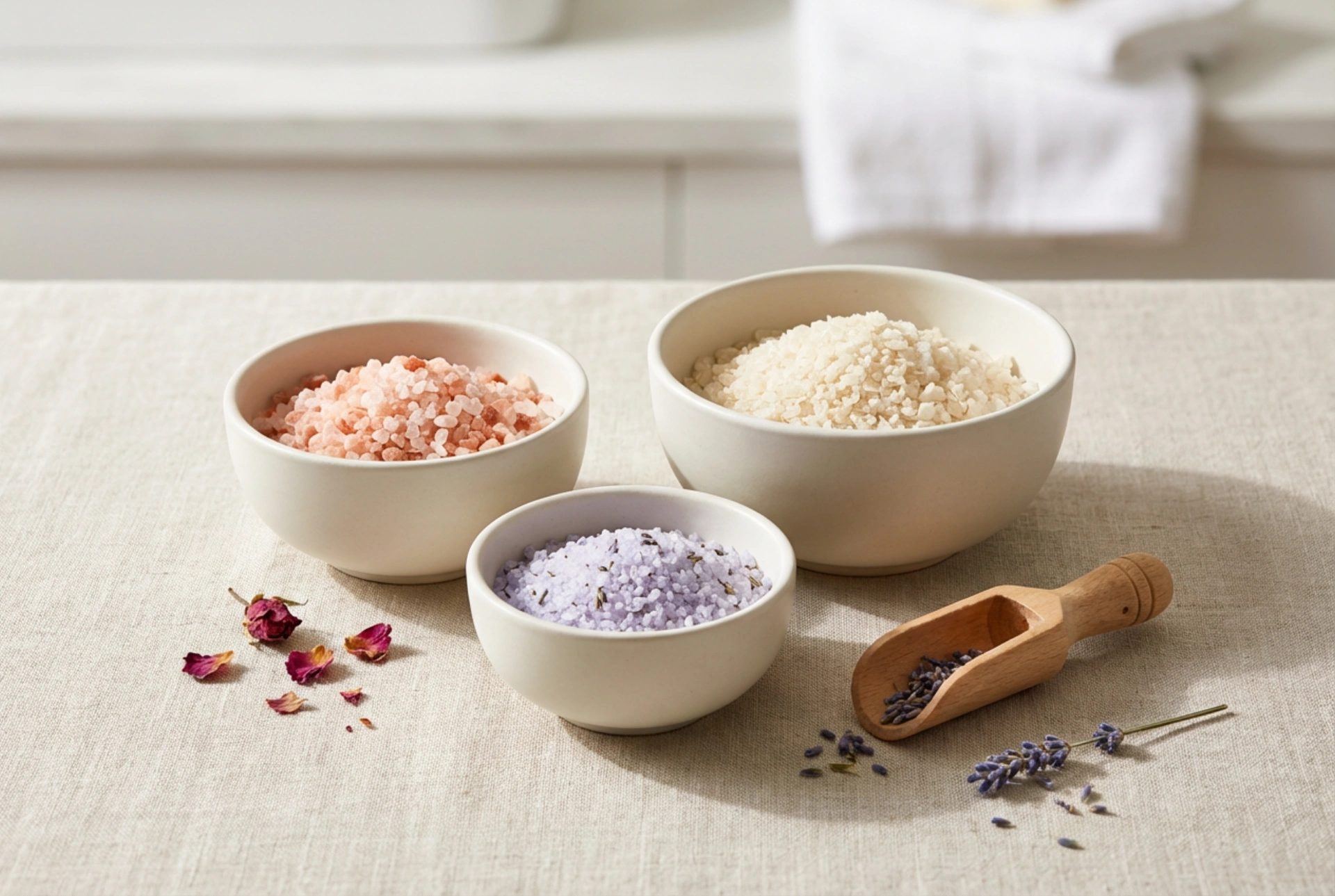
Harvested from ancient sea beds in the Himalayan mountains, this salt is known for its beautiful pink hue, which comes from its rich mineral content, including iron. Himalayan salt is considered one of the purest salts available. In a bath, it creates a rejuvenating and calming environment, leaving the skin feeling soft and smooth. Its gentle nature makes it suitable for most skin types.
Dead Sea Salt
Sourced from the Dead Sea, a body of water with a uniquely high concentration of minerals, this salt is different from regular sea salt. It contains a rich blend of over 20 minerals. A soak in Dead Sea salt can help to gently buff away dead skin cells and improve skin texture, leaving it feeling wonderfully soft and hydrated. It offers a deeply mineralising experience for your skin.
Enhancing Your Bath with Additives
While salts form the base, additives are what can truly personalise your bath. From fragrant oils to colourful botanicals, these additions provide extra sensory and skin-caring benefits.
Essential Oils
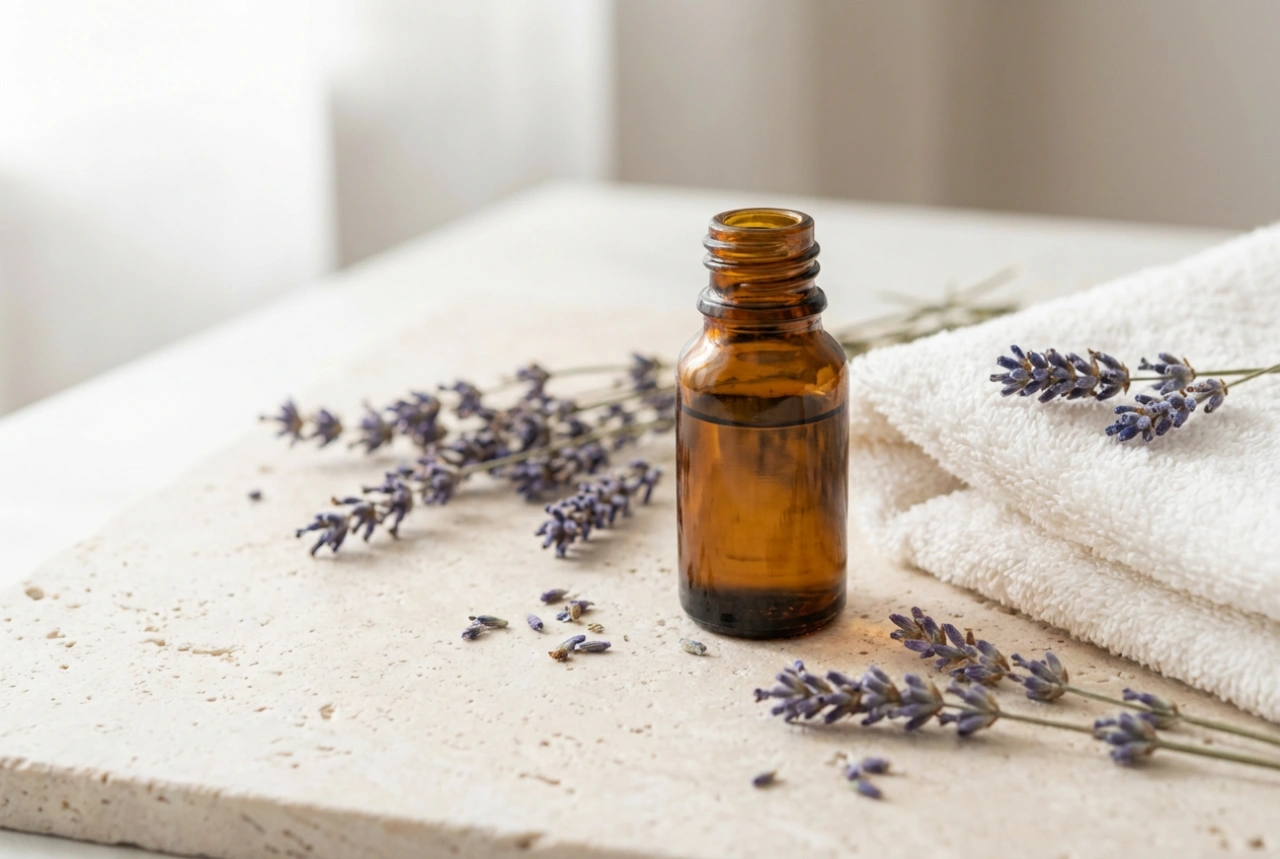
Essential oils introduce the element of aromatherapy to your bath, influencing your mood and providing a beautiful scent. For relaxation, consider lavender, chamomile, or ylang-ylang. For an uplifting experience, try citrus oils like sweet orange or grapefruit. It is crucial to use them correctly: always mix 5-10 drops of essential oil with a tablespoon of a carrier oil (like jojoba, almond, or coconut oil) before adding it to your bath water. This ensures the oil disperses safely and doesn't irritate the skin.
Dried Flowers and Herbs
Adding dried botanicals not only makes your bath visually appealing but can also impart subtle fragrances and skin-soothing properties. Popular choices include rose petals for a romantic feel, lavender buds for calmness, and chamomile flowers for their gentle, soothing qualities. Calendula petals are another excellent option, known for their kind-to-skin nature. To avoid a messy clean-up, you can place the salt and botanical blend inside a small muslin or organza bag before dropping it into the tub.
Clays and Powders
For an extra touch of skin purification and softening, consider adding cosmetic clays or other natural powders to your bath salt mix. Kaolin clay is very gentle and helps to soften the skin, while bentonite clay can provide a deeper cleansing feeling. Finely ground oatmeal is another wonderful addition, renowned for its ability to soothe and comfort sensitive or dry-feeling skin, making the bath water milky and soft.
Getting the Proportions Right: Tips for the Perfect Bath
Creating a beneficial and enjoyable bath is not just about what you add, but also how you add it. Following a few simple guidelines will ensure you get the most out of your soak.
- Salt Quantity: As a general rule, use about half a cup (around 125g) to one full cup (around 250g) of bath salt for a standard-sized bathtub. You can adjust the amount based on your preference and the size of your tub.
- Water Temperature: The ideal water temperature is warm, not hot. Water that is too hot can be dehydrating for the skin and may cause you to feel light-headed. A comfortable, warm temperature helps dissolve the salts effectively and promotes relaxation.
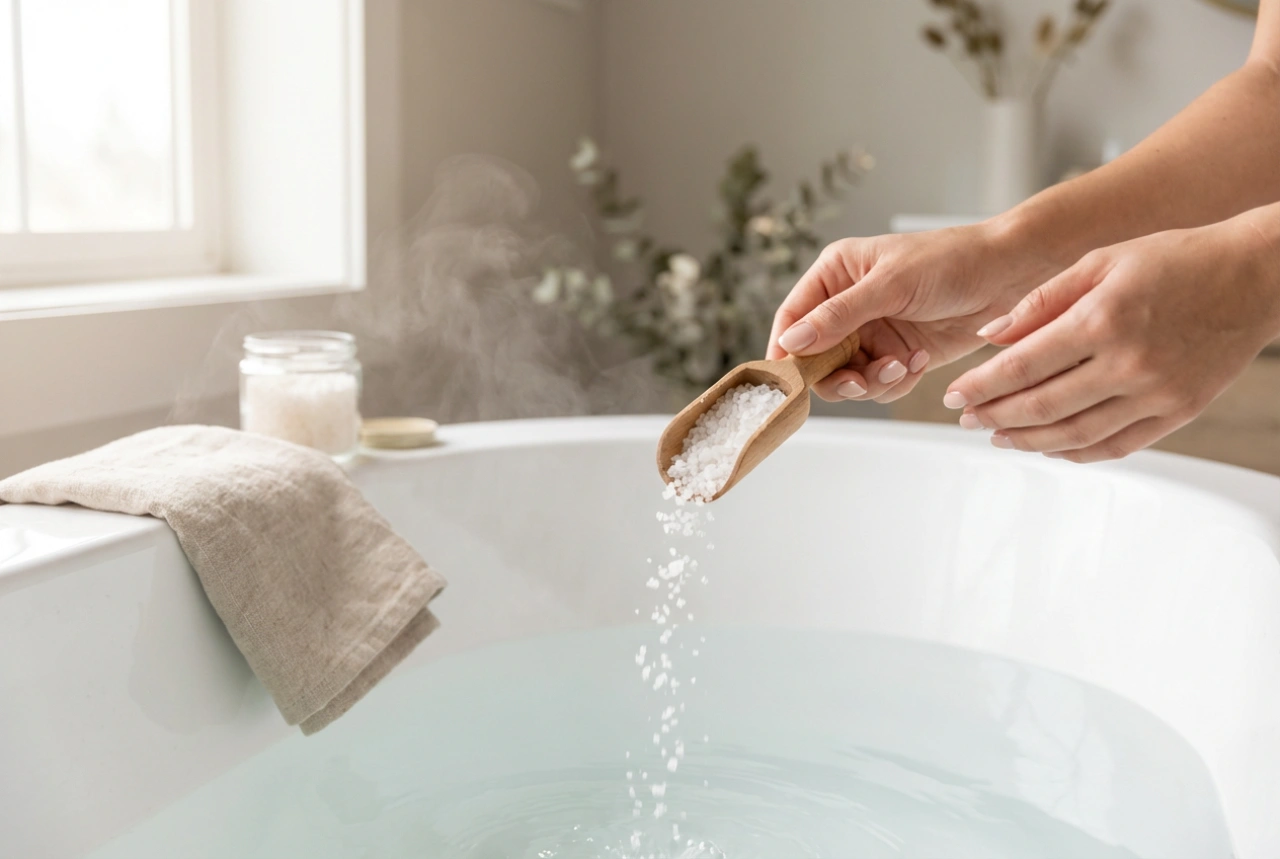
- Dissolving the Salt: Add the bath salts while the water is running. This helps them dissolve completely, ensuring the minerals are evenly distributed throughout the water. Swirl the water with your hand to help any remaining crystals dissolve.
- Soaking Time: Aim for a soak of around 15-20 minutes. This is long enough to enjoy the benefits without causing your skin to prune excessively.
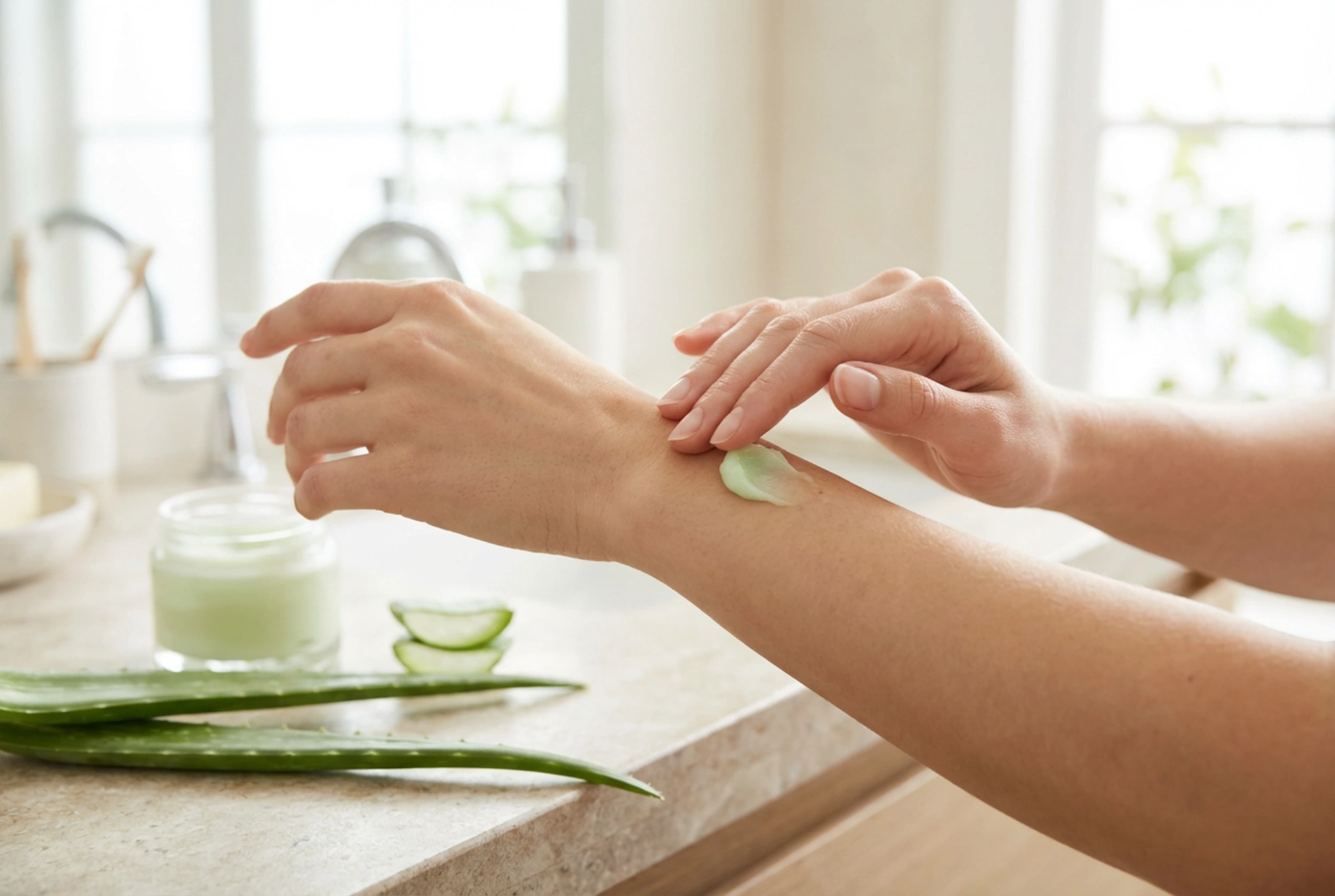
- After the Bath: After your soak, give your body a quick rinse with clean, lukewarm water to wash away any salt residue. Gently pat your skin dry with a soft towel and apply a moisturiser immediately to lock in hydration.
By understanding the different types of salts and experimenting with various additives, you can easily create a bespoke bathing experience that helps you relax, unwind, and care for your skin, all from the comfort of your own home.