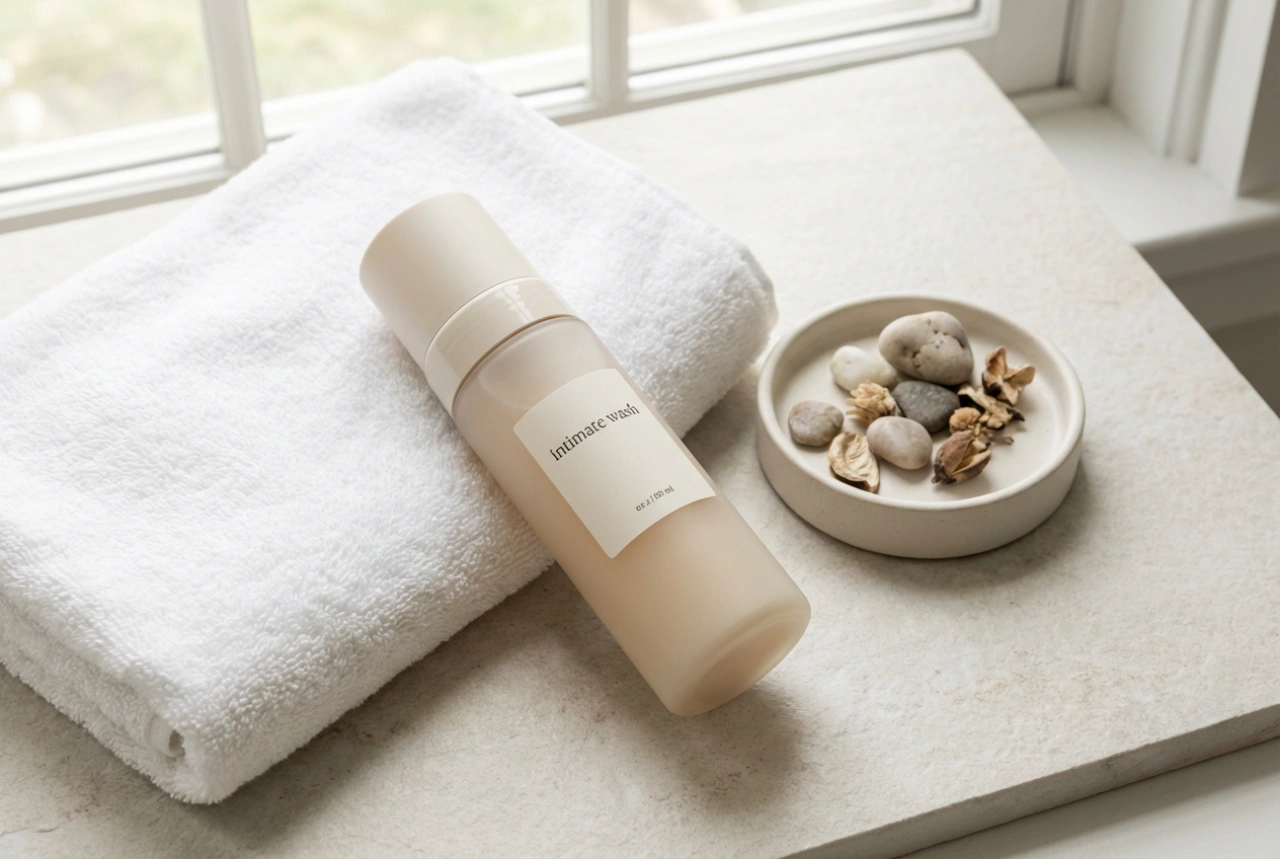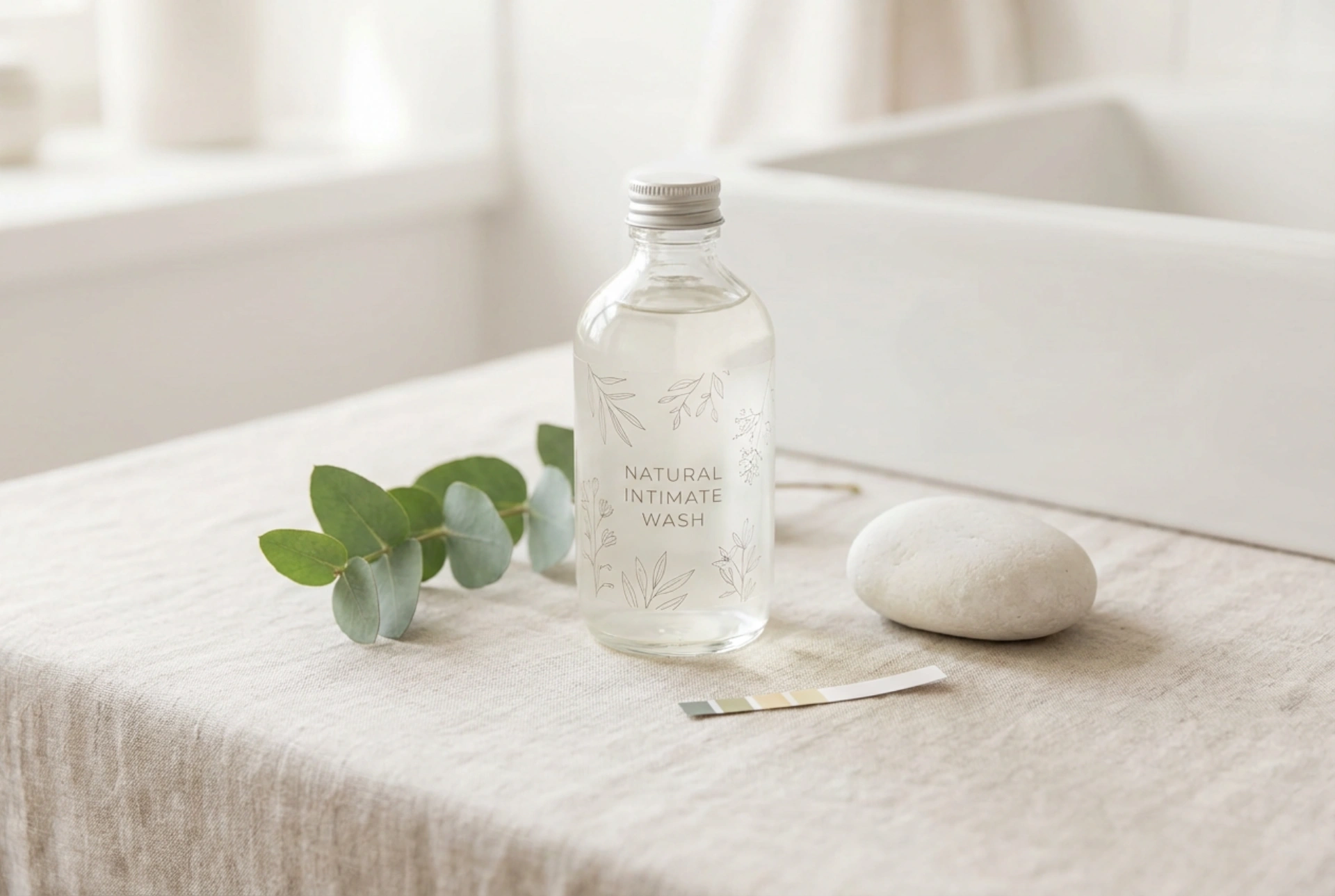


Choosing personal care products requires special attention, especially for the most delicate areas of your body. A natural intimate wash is designed to provide gentle cleansing while respecting the skin's sensitive balance. Understanding the key components of these products, such as their pH and ingredients, is the first step towards incorporating them thoughtfully into your daily hygiene routine for a lasting feeling of comfort and freshness.
The Crucial Role of pH in Intimate Care
One of the most significant factors in an intimate wash is its pH level. The term 'pH' stands for 'potential of Hydrogen' and measures how acidic or alkaline a substance is on a scale from 0 to 14. The skin in the intimate area naturally maintains an acidic pH, typically between 3.8 and 4.5. This acidity is part of a natural protective barrier, helping to maintain a healthy microenvironment. Using regular soaps or shower gels, which are often alkaline (with a pH above 7), can disrupt this delicate balance. This disruption may lead to feelings of dryness, discomfort, and irritation. A good intimate wash should be formulated to match the natural pH of the intimate area, helping to support its protective functions and ensure gentle, harmonious cleansing.
Key Ingredients in a Natural Intimate Wash
When selecting a natural intimate wash, the ingredient list is your best guide. Gentle yet effective formulations focus on plant-derived and skin-friendly components that cleanse without stripping the skin of its natural moisture.
Soothing Botanical Extracts
Many natural formulas harness the power of botanicals known for their calming properties. Look for ingredients like aloe vera, which is celebrated for its moisturising and soothing effects. Chamomile extract is another popular choice, valued for its ability to calm sensitive skin. Similarly, calendula and oak bark extract are often included for their gentle, protective qualities, helping to leave the skin feeling comfortable and refreshed after cleansing.
Gentle Cleansing Agents
The type of cleansing agent, or surfactant, is vital. Harsh surfactants like Sodium Lauryl Sulfate (SLS) or Sodium Laureth Sulfate (SLES) can be too aggressive for delicate skin. Natural intimate washes typically use milder, plant-based alternatives derived from coconut oil or sugars, such as Coco-Glucoside or Lauryl Glucoside. These cleansers effectively remove impurities while being exceptionally gentle on the skin, preserving its natural lipid barrier.
pH Balancing Components
To ensure the product has the correct pH, formulations often include specific ingredients to regulate acidity. Lactic acid is a primary example. It is a substance naturally present in the intimate area and helps to maintain the acidic environment. Its inclusion in an intimate wash helps to support the natural balance, making it a cornerstone ingredient for a well-formulated product. Allantoin is another beneficial ingredient that complements this function by providing soothing and skin-softening properties.
How to Use Intimate Wash Correctly
Using an intimate wash properly is just as important as choosing the right one. Simplicity and gentleness are key. Following a few simple steps can help you get the most out of your product while ensuring maximum comfort.
- Apply a small amount of the wash onto your wet hand. A pea-sized amount is usually sufficient.
- Gently apply it to the external intimate area only. These products are not intended for internal use.
- Cleanse the area with gentle, forward-to-back motions. Avoid harsh scrubbing, as this can cause irritation.
- Rinse the area thoroughly with lukewarm water until all traces of the product are gone.
- Pat the area dry with a clean, soft towel. Avoid rubbing, which can be abrasive to sensitive skin.
Intimate washes are generally designed for daily use, but you should always listen to your body. They can be used once or twice a day, such as during your morning or evening shower, to help you feel clean and comfortable.
Ingredients to Avoid in Your Intimate Care Products
Just as important as knowing what to look for is knowing what to avoid. Certain ingredients commonly found in conventional personal care products can be unsuitable for the delicate intimate area. To minimise the risk of discomfort, try to avoid products containing strong artificial fragrances or perfumes, as these are common sources of irritation. Dyes and colourants are also unnecessary and can be problematic for sensitive skin. Additionally, be cautious with products containing aggressive preservatives or alcohol, as they can have a drying effect and disrupt the skin's natural moisture balance. Opting for a product with a simple, transparent ingredient list is always a sensible approach.