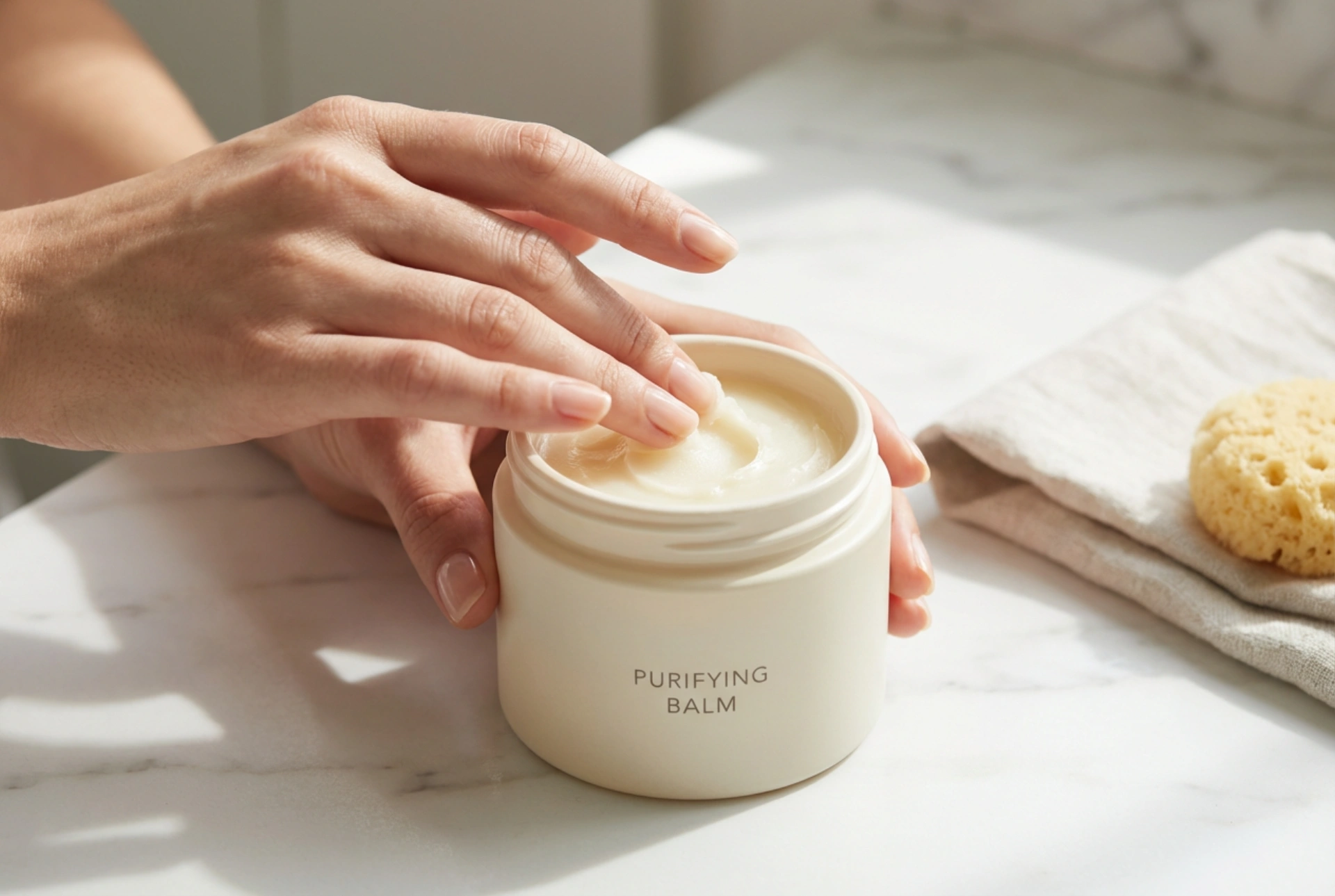


The ritual of cleansing your face can be transformed from a simple necessity into a moment of serene self-care. A thick, luscious cleansing balm offers just that—a luxurious experience that effectively melts away the day's make-up, sunscreen, and impurities. Its rich, buttery texture glides onto the skin, making make-up removal feel less like a chore and more like a pampering treat. But what exactly is a cleansing balm, and how do you incorporate it correctly into your routine for the best results?
What is a Thick Cleansing Balm?
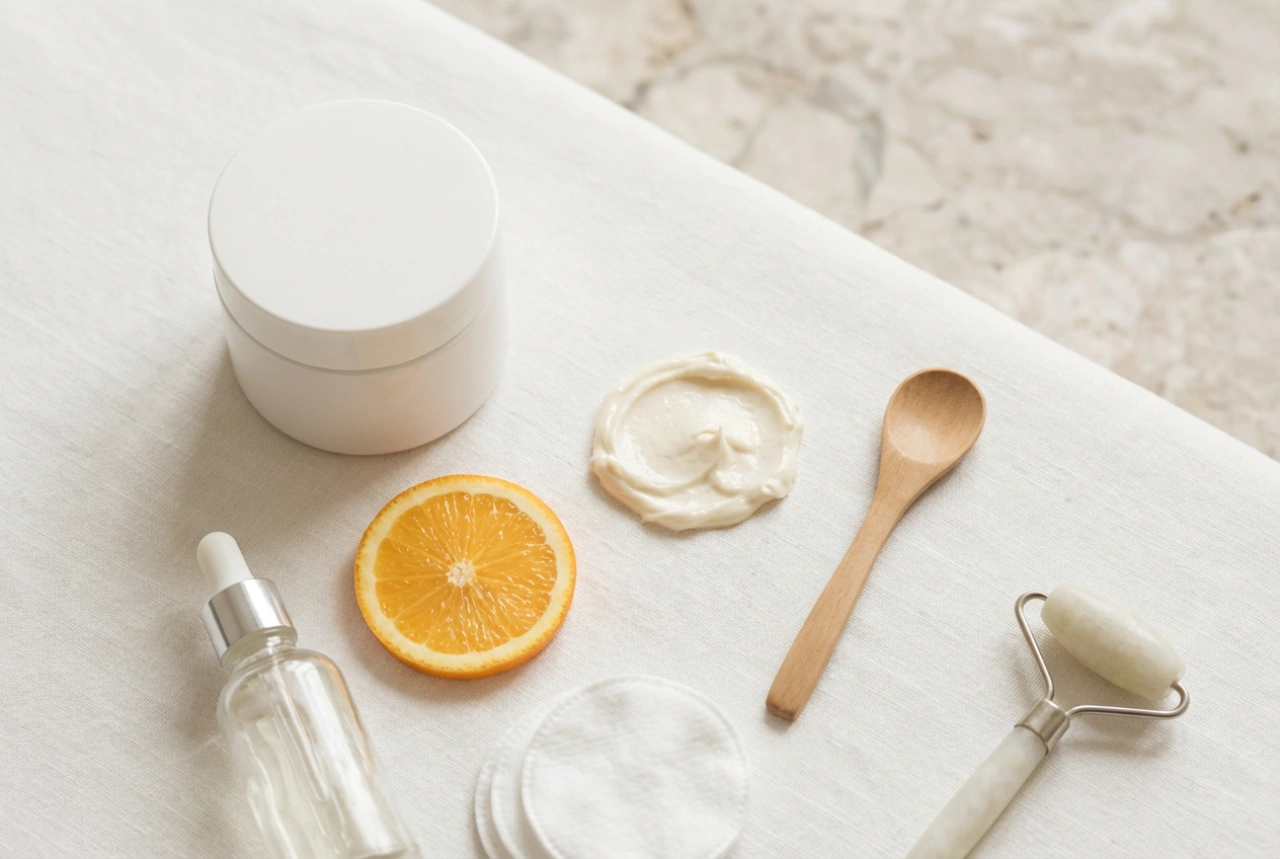
A cleansing balm is a solid, oil-based cleanser that typically comes in a jar. Its formulation is based on a blend of natural oils, butters, and waxes, which give it a dense, balm-like consistency at room temperature. When you scoop it out and warm it between your fingers, it transforms into a silky oil. This transformation is key to its effectiveness. The oils are brilliant at dissolving other oils, including the sebum on your skin and the oil-based ingredients found in long-wearing make-up and sun protection products. Unlike liquid oils or milky lotions, the thick texture of a balm means it stays put on your skin, allowing you to give yourself a thorough facial massage without drips or mess, enhancing the cleansing process.
When is a Cleansing Balm the Right Choice?
Cleansing balms are surprisingly versatile and can be beneficial for almost all skin types, but they are particularly advantageous in certain situations.
For Heavy or Waterproof Make-up
If you regularly wear foundation, long-lasting lipstick, or waterproof mascara, a cleansing balm is an invaluable tool. Its oil-based formula breaks down stubborn pigments and waterproof formulations far more effectively and gently than a typical water-based cleanser, which can require harsh rubbing. The balm dissolves the make-up, allowing you to wipe or rinse it away with minimal effort and without stripping your skin.
For Dry or Mature Skin
People with dry or mature skin often find that foaming cleansers can leave their skin feeling tight and stripped. Cleansing balms do the opposite. They are rich in nourishing oils and emollients that cleanse the skin while helping to support its natural moisture barrier. The result is skin that feels clean, soft, and comfortable, not parched.
For Oily and Combination Skin
It might seem counterintuitive to use an oil-based product on oily skin, but it's a highly effective method. The principle of 'like dissolves like' means the oils in the balm can help to break down and lift away excess sebum and congestion from the pores. When followed by a water-based cleanser in a double-cleansing routine, it ensures a deep clean without over-stripping the skin, which can sometimes trigger even more oil production.
How to Use and Remove a Cleansing Balm Correctly
Using a cleansing balm is a two-step process: application and removal. Getting both steps right is crucial for achieving a clean and balanced complexion. Follow this simple guide for perfect results every time.
- Step 1: Start with a dry face. Unlike many other cleansers, balms should be applied to dry skin, with dry hands. This allows the oils to work directly on the make-up and grime without being diluted by water.
- Step 2: Warm the balm. Scoop a small, pea-sized amount of balm from the jar. Warm it between your palms until it melts into a smooth oil.
- Step 3: Massage thoroughly. Gently massage the oil all over your face in circular motions for 30 to 60 seconds. Pay extra attention to areas with heavy make-up, like the eyes and lips. This massage not only cleanses but also helps to stimulate circulation.
- Step 4: Emulsify. This is the most important step for easy removal. Wet your fingertips with a little warm water and continue to massage your face. The balm will turn into a milky, lighter lotion. This process, called emulsification, helps to lift the oil and dissolved dirt from your skin.
- Step 5: Rinse or wipe away. You can now rinse your face thoroughly with warm water. For an even more effective and spa-like removal, soak a soft face cloth in warm water, wring it out, and gently wipe the balm from your face. This method provides light exfoliation and ensures no residue is left behind.
The Importance of the Second Cleanse
A cleansing balm is almost always designed to be the first step in a two-step cleansing process known as 'double cleansing'. The first cleanse with the balm is dedicated to removing everything on the surface: make-up, SPF, and pollutants. To truly clean the skin itself, it's essential to follow up with a water-based cleanser (like a gel, cream, or foam cleanser). This second cleanse washes away any remaining balm residue and cleanses the pores, leaving your skin perfectly prepped for the next steps in your skincare routine, such as serums and moisturisers. By adopting this two-step method, you ensure that your skin is immaculately clean, balanced, and ready to receive the full benefits of your other products.