

Achieving beautifully smooth skin, particularly in delicate areas, is a goal for many. The key to a successful outcome lies not just in the hair removal method itself, but in the careful preparation of the skin beforehand and the soothing care provided afterwards. Using gentle products like a mild exfoliating scrub and a calming lotion can transform the experience, ensuring your skin feels fresh and pampered. One popular method for long-lasting smoothness is intimate waxing, with the Brazilian style being a well-known option.
What is Brazilian Waxing?
Brazilian waxing is a type of intimate hair removal that involves removing nearly all the hair from the pubic region. This includes the hair on the front of the pubic bone (the mons pubis), the external labia, and the area in between and around the back (the perineum and anal area). The name originates from its popularity in Brazil, where it became a common practice. While it's known for its thoroughness, it's also customisable. Some people opt for complete hair removal, while others prefer to leave a small, neatly shaped strip or triangle of hair at the front, often referred to as a 'landing strip'. The main characteristic is the removal of hair from the labia and the perineal area, resulting in a completely smooth feeling.
Understanding Different Bikini Wax Styles
Before deciding on a particular style, it's helpful to understand the common variations of bikini waxing. This allows you to choose the one that best suits your personal preference and comfort level.
The Classic Bikini Line Wax
This is the most basic style of intimate waxing. It focuses on tidying up the area along the sides, removing any hair that might be visible when wearing a standard bikini bottom. It's a great starting point for those new to waxing, as it only removes hair from the top and sides of the bikini line.
The French Wax
A French wax is a step up from the classic bikini wax. It removes more hair from the front and sides, creating a more defined and narrower shape. Typically, a rectangular strip or small triangle of hair is left on the mons pubis. Unlike the Brazilian, the French wax does not usually involve hair removal from the labia or the area between the buttocks.
The Full Brazilian Wax
As mentioned, the Brazilian wax is the most comprehensive option. It removes all the hair from the front, sides, labia, and back. The choice to leave a small shape at the front is purely personal. This style provides a completely bare look and feel, which many prefer for its cleanliness and long-lasting smoothness.
How to Prepare Your Skin for Waxing
Proper preparation is essential for a more comfortable experience and better results. Taking a few simple steps in the days leading up to your waxing session can make a significant difference in how your skin reacts and recovers.
Ensure the Right Hair Length
For wax to grip the hair effectively, it needs to be the right length—ideally about 6 millimetres, or the length of a grain of rice. If hair is too short, the wax won't be able to adhere properly, leading to an ineffective session. If it's too long, it can make the process more uncomfortable. If needed, you can carefully trim the hair to the recommended length a day or two before your session.
Gently Exfoliate the Area
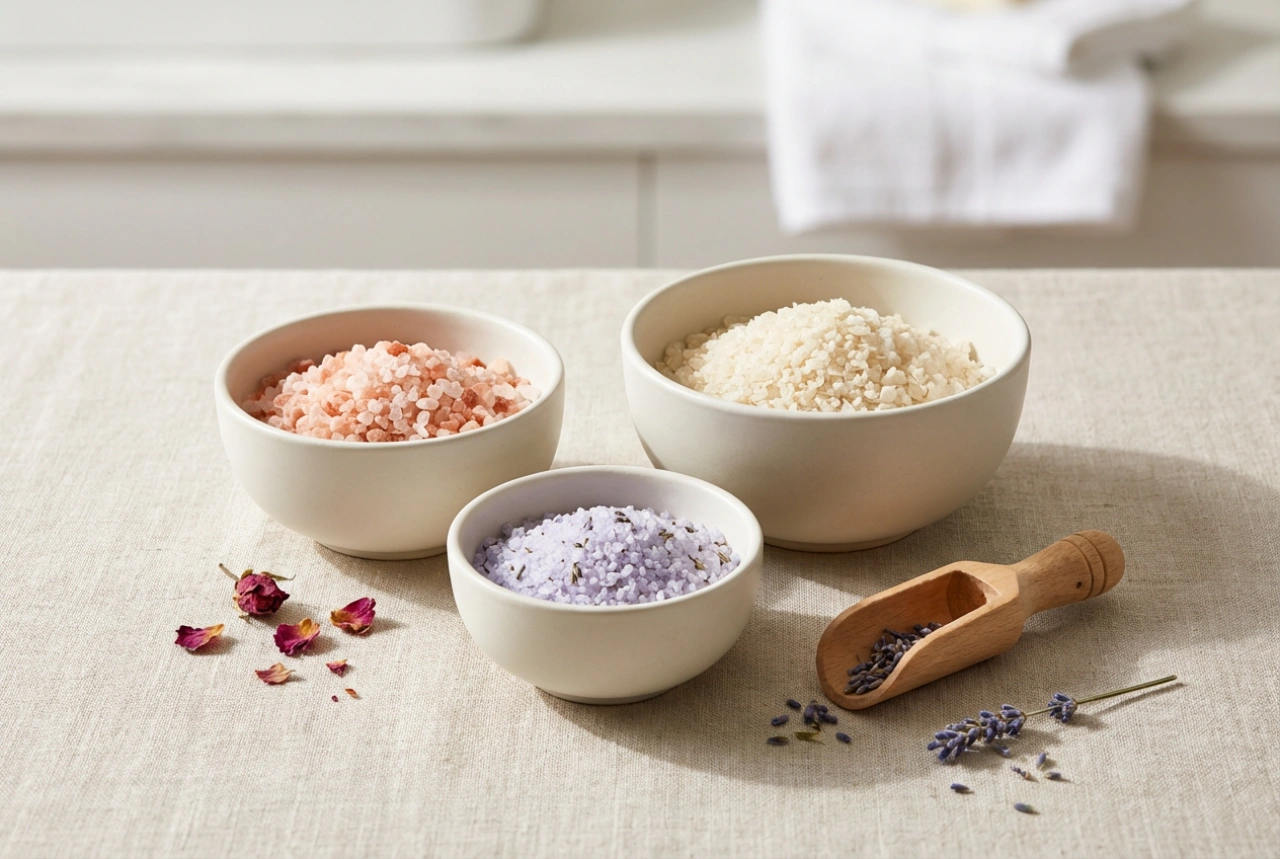
About 24 to 48 hours before waxing, use a gentle body scrub to exfoliate the bikini area. This helps to remove dead skin cells that can clog hair follicles, which in turn helps to prevent the formation of ingrown hairs later on. Exfoliation allows for a cleaner wax application and smoother results. Avoid exfoliating on the day of your wax, as this can make the skin too sensitive.
Keep the Skin Clean and Dry
On the day of your waxing, wash the area with a mild, fragrance-free soap and warm water. It's crucial that the skin is completely clean and dry before you begin. Do not apply any moisturisers, body oils, or deodorants to the area, as these can create a barrier that prevents the wax from sticking to the hair.
Essential Post-Waxing Aftercare
What you do after waxing is just as important as the preparation. The skin in the intimate area is delicate and will be sensitive following hair removal. Proper aftercare helps to soothe the skin, reduce redness, and prevent potential issues like bumps or ingrown hairs.
Minimise Heat and Friction
For the first 24-48 hours after waxing, it's best to avoid activities that could irritate the newly sensitised skin. This includes hot baths, saunas, steam rooms, swimming in chlorinated pools, and intense workouts that cause excessive sweating. Also, opt for loose-fitting cotton underwear and clothing to minimise friction and allow the skin to breathe.
Soothe and Moisturise
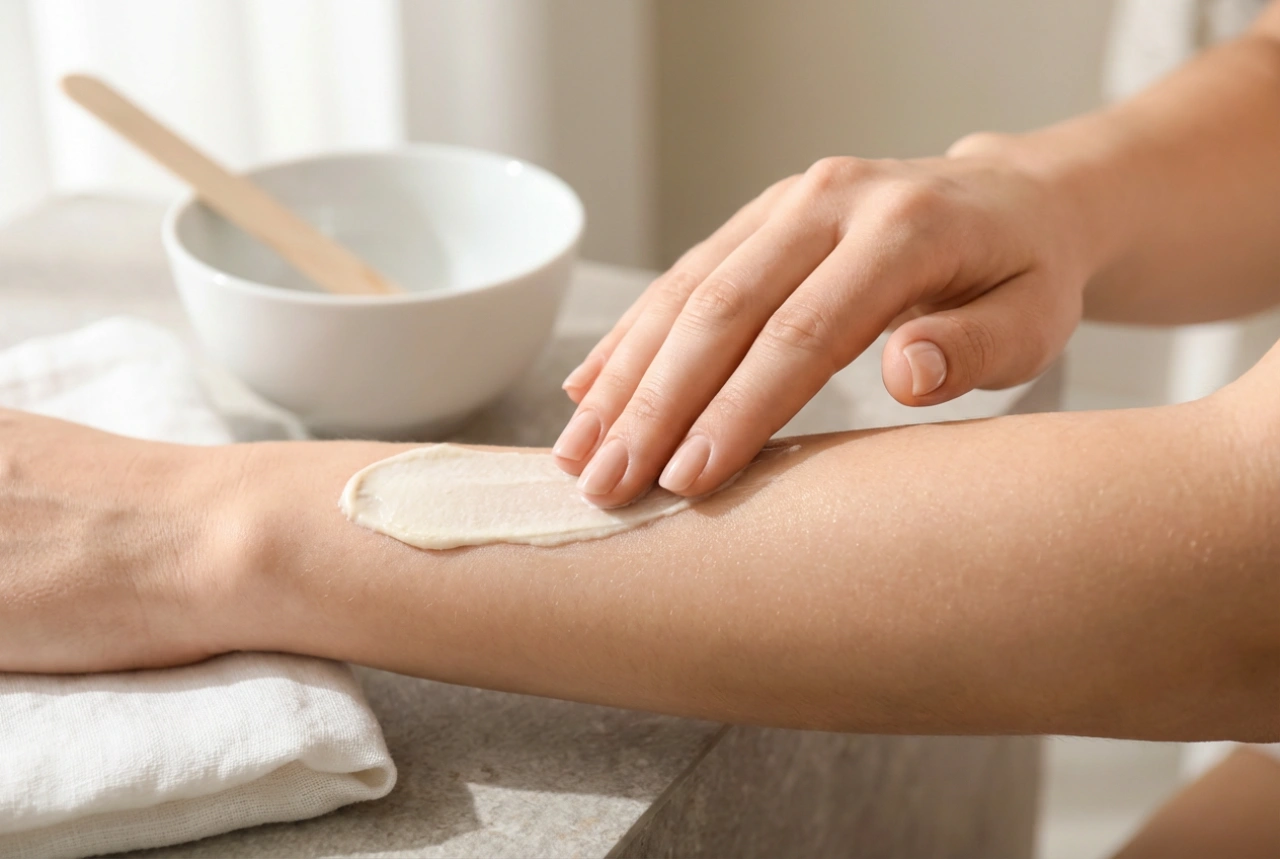
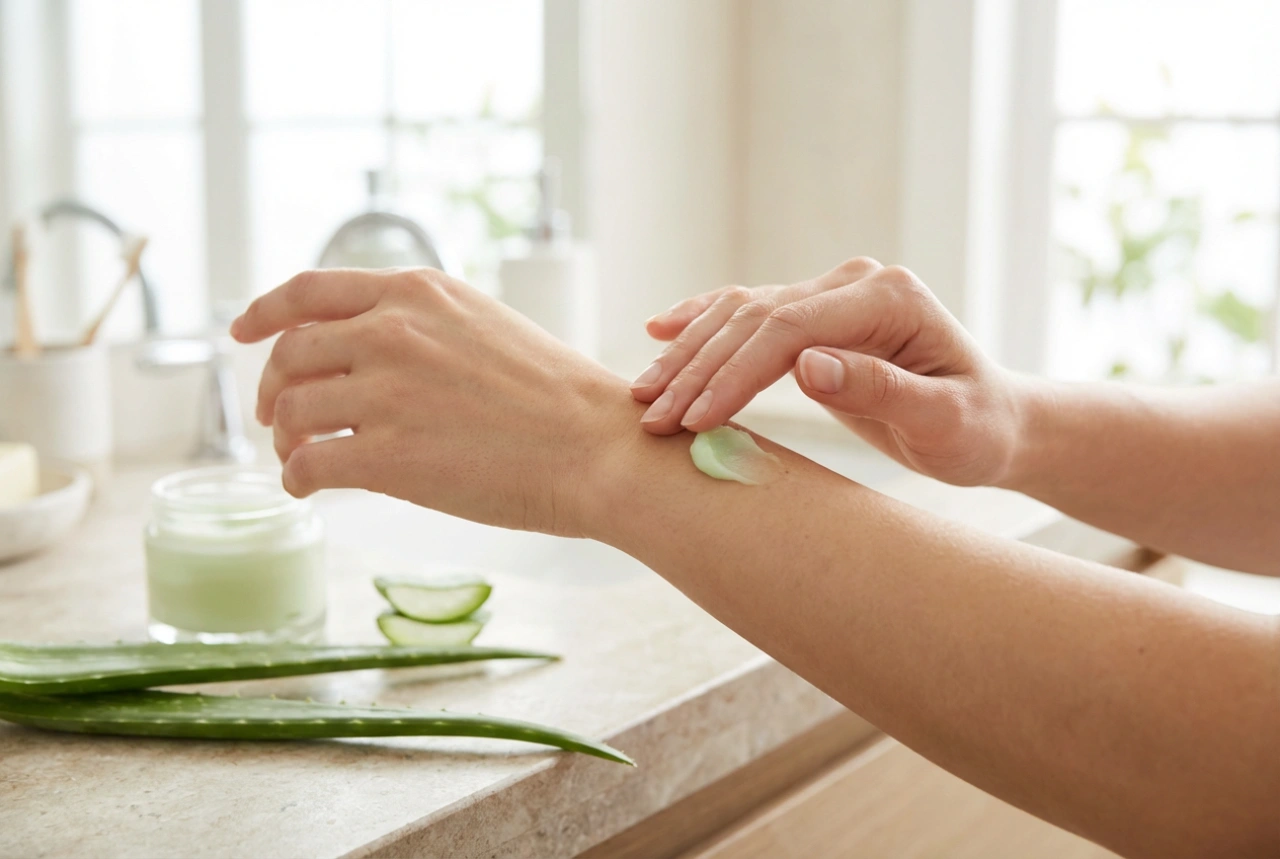
Immediately after waxing, you can apply a soothing product to calm the skin. Look for gentle, fragrance-free lotions or gels containing calming ingredients. Continue to moisturise the area daily to keep the skin hydrated and supple. This will also help as the hair begins to grow back, making it softer and less prone to becoming ingrown.
Prevent Ingrown Hairs
A few days after your session, once any initial sensitivity has subsided, you can resume gentle exfoliation. Exfoliating the area two to three times a week helps to keep the skin clear of dead cells, allowing new hairs to grow through the surface easily rather than getting trapped underneath. This simple step is one of the most effective ways to maintain smooth, bump-free skin between waxing sessions.