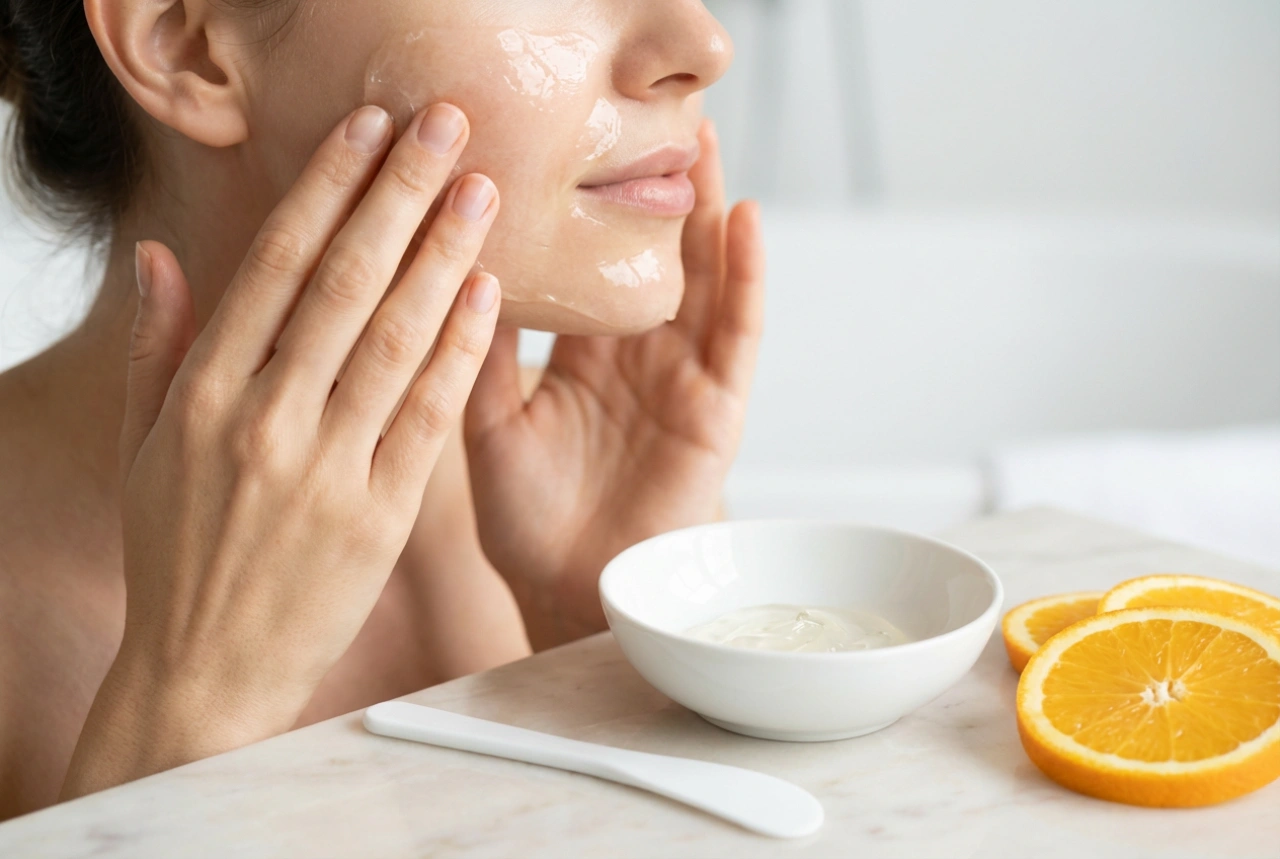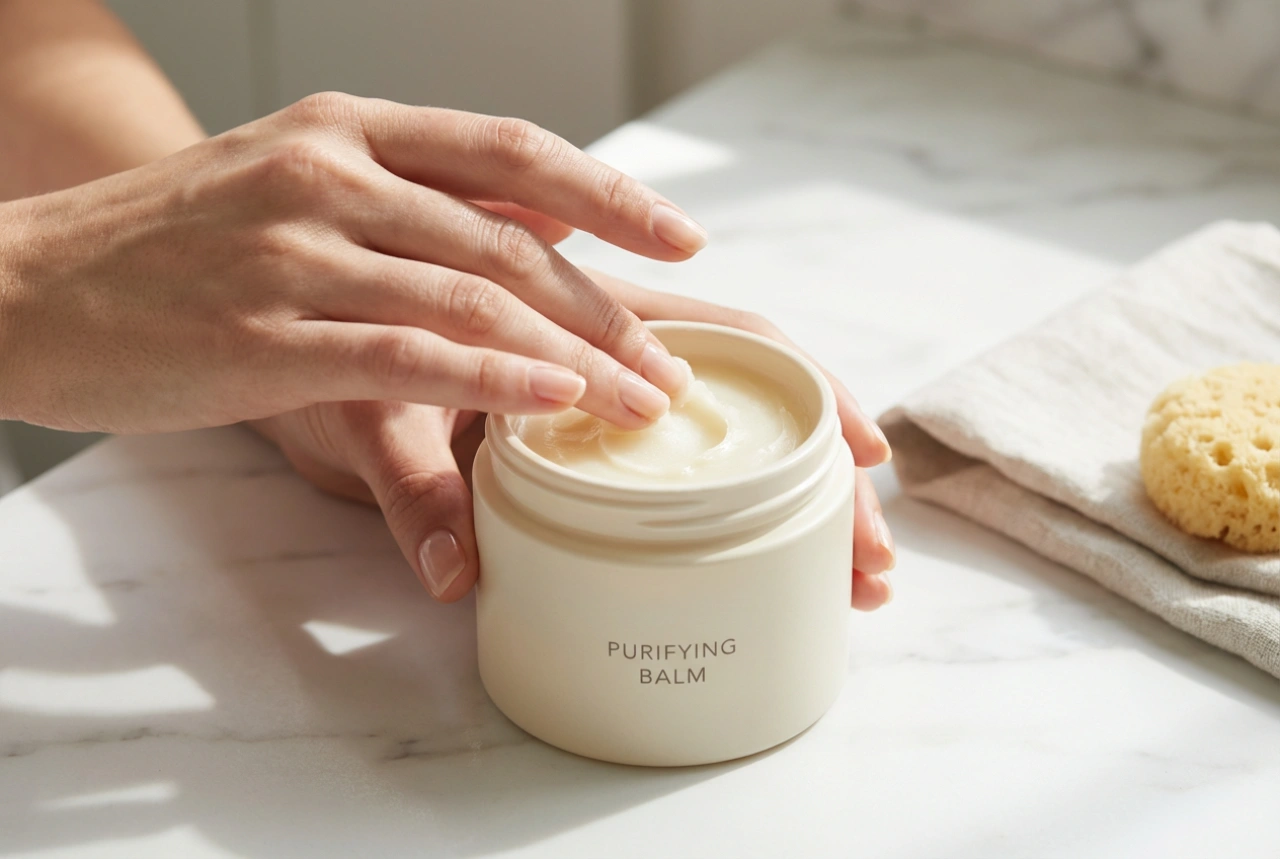


The art of Japanese skincare often evokes a sense of calm and intention, transforming a daily routine into a mindful ritual. Central to this philosophy is the face mask, a powerful tool for delivering concentrated ingredients directly to the skin. Unlike quick, utilitarian applications, the Japanese approach to masking is an experience—a moment of tranquility designed to deeply nourish the skin and soothe the mind. It’s about more than just the product; it’s about the process, embracing minimalism and effectiveness in equal measure.
The Philosophy Behind Japanese Skincare
Japanese beauty, often referred to as J-Beauty, is rooted in the principle that skin should be cared for gently and consistently. The focus is less on aggressive treatments and more on prevention, hydration, and maintaining a healthy skin barrier. This approach values layers of lightweight, hydrating products over single, heavy creams. The goal is to achieve 'mochi hada'—skin that is as soft, plump, and elastic as a mochi rice cake. Face masks, particularly sheet masks, are a perfect embodiment of this philosophy, providing an intensive boost of moisture and targeted nutrients in a gentle format.
Key Characteristics of Japanese Face Masks
While face masks are used worldwide, Japanese masks have several distinguishing features that set them apart. Understanding these can help you appreciate their unique benefits.
Emphasis on Hydration and Essence
The cornerstone of a Japanese face mask is its essence—the liquid serum it is saturated in. These essences are typically formulated with a high concentration of humectants like hyaluronic acid, glycerin, and collagen, which draw moisture into the skin. They also frequently feature traditional Japanese ingredients known for their skin-loving properties, such as green tea extract, rice bran, sake (fermented rice water), and seaweed. The formulas are generally lightweight and watery, designed for rapid absorption without leaving a heavy or sticky residue.
Advanced Sheet Mask Technology
Japan has pioneered many advancements in sheet mask materials. The sheets themselves are engineered for optimal performance. They are often made from high-quality cotton, microfibre, or hydrogel that adheres closely to the contours of the face like a second skin. This close fit prevents the potent essence from evaporating quickly and creates an occlusive barrier, ensuring the ingredients penetrate deeply into the epidermis. The result is a more efficient and effective delivery system compared to simply applying a serum with your hands.
How to Incorporate a Japanese Mask into Your Routine
Using a Japanese face mask correctly is simple, but following a few key steps can significantly enhance its effects. Think of it as a weekly or bi-weekly treatment to supplement your daily skincare.
Step 1: Preparation
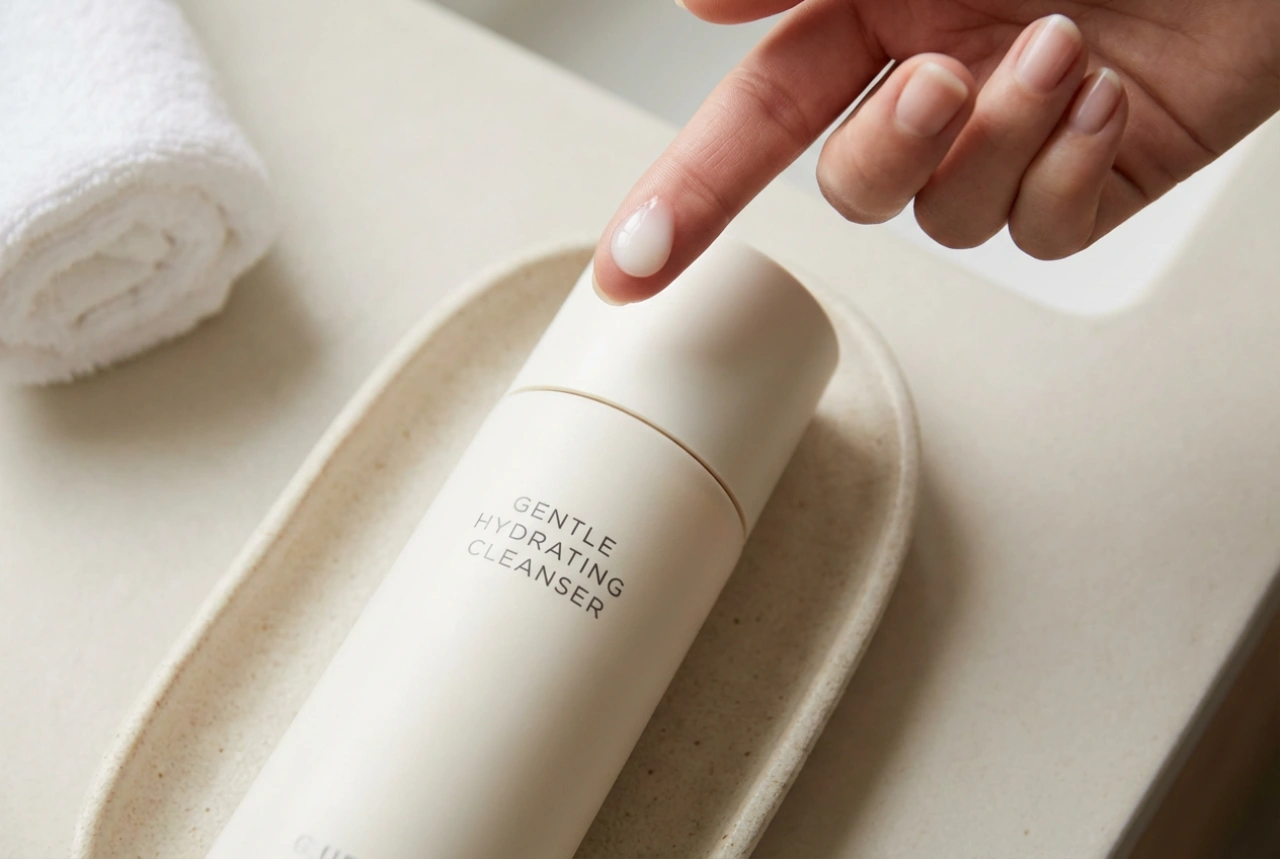
Always start with a thoroughly cleansed face. Use a gentle cleanser to remove all makeup, dirt, and impurities. After cleansing, it's highly recommended to apply a hydrating toner or lotion. In the Japanese routine, this step is crucial as it dampens the skin and prepares it to absorb the mask's essence more effectively. Pat the toner in gently until it is mostly absorbed.
Step 2: Application
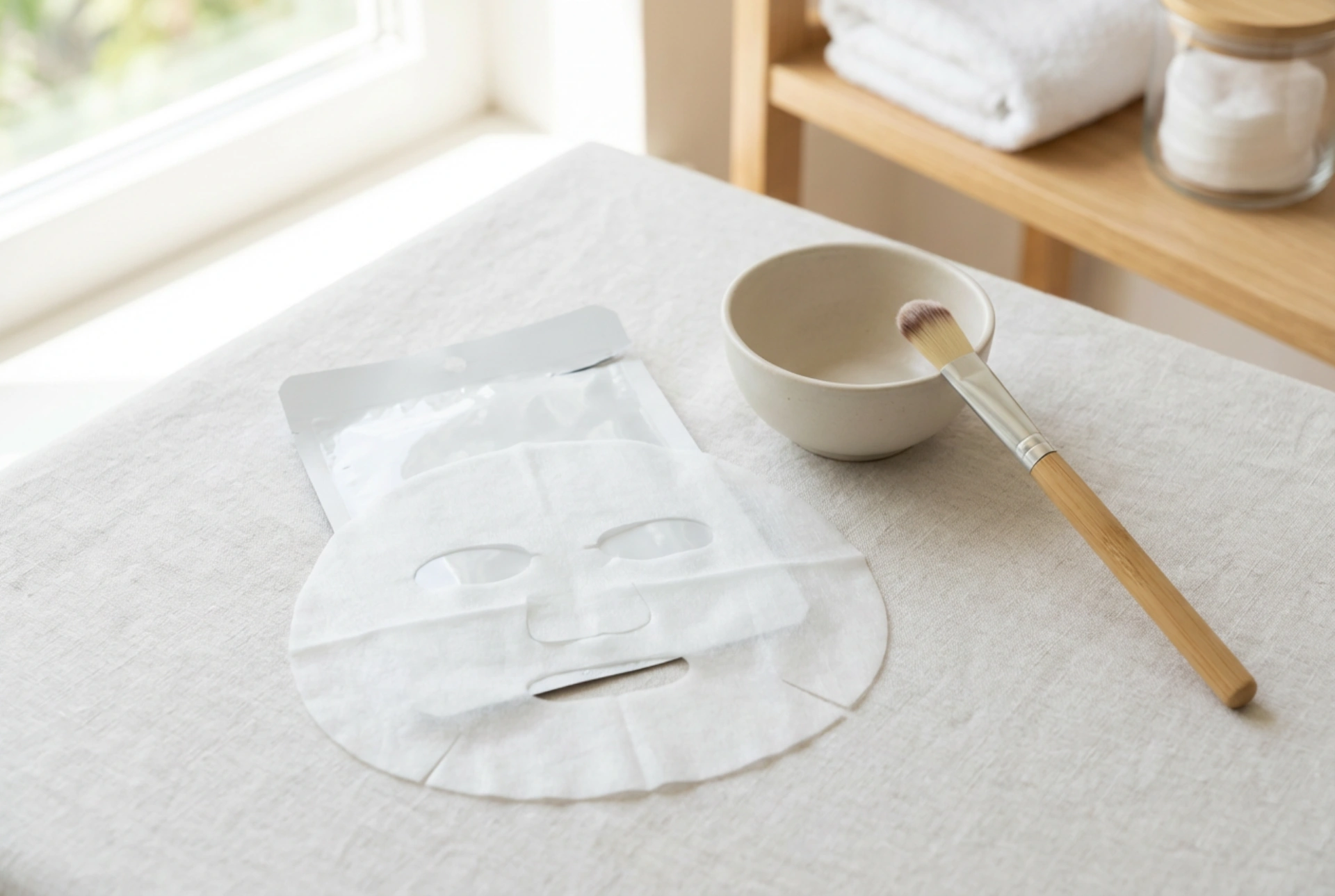
Carefully remove the mask from its packaging and unfold it. Some masks come with a protective film that you will need to peel off. Align the holes for your eyes, nose, and mouth, and gently press the mask onto your face, smoothing out any air bubbles to ensure full contact with the skin. Now, relax. Leave the mask on for the duration specified in the instructions, typically between 10 and 20 minutes. This is a perfect time to lie back, listen to music, or simply enjoy a moment of peace.
Step 3: Aftercare
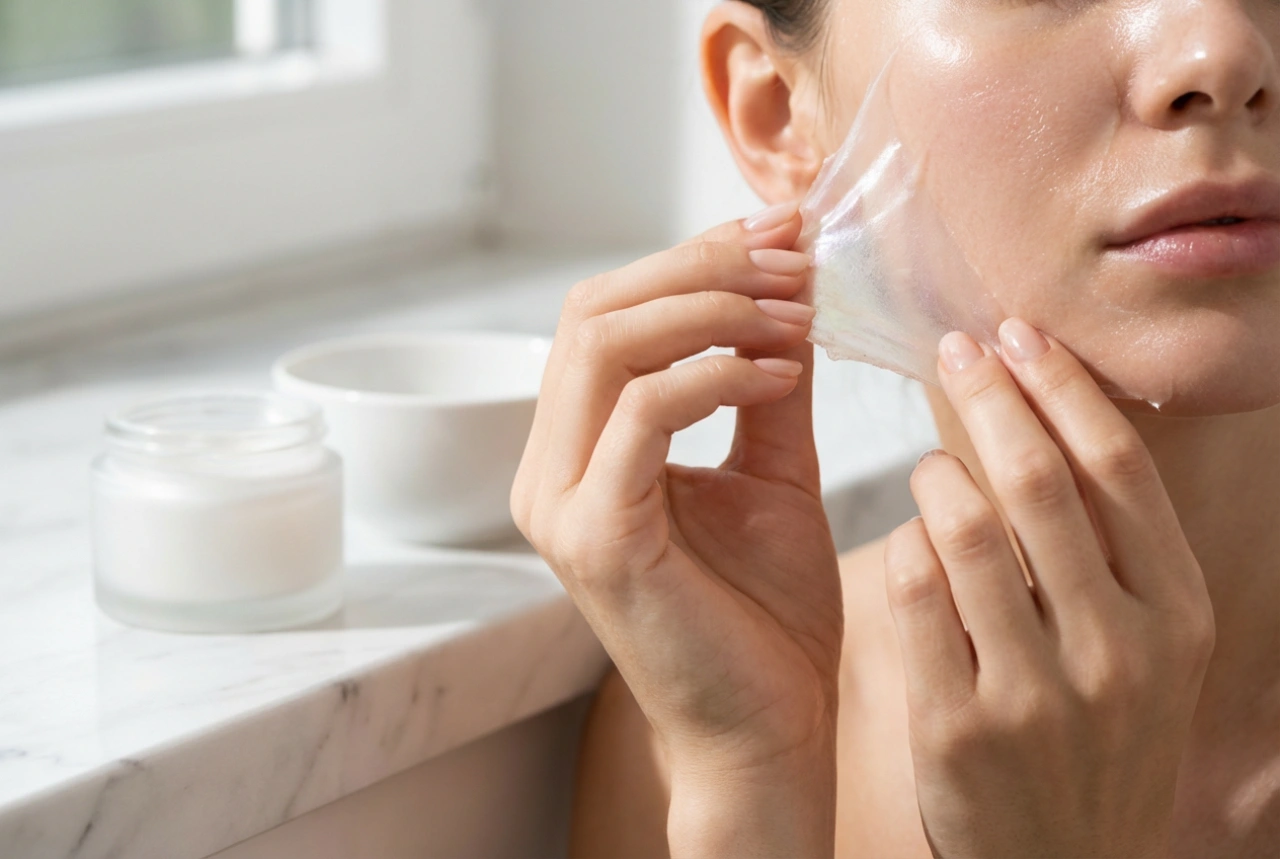
Once the time is up, gently peel the mask off. Do not rinse your face. The remaining essence on your skin is packed with beneficial ingredients. Lightly pat and press the serum into your skin until it is fully absorbed. You can also use any excess essence left in the packet on your neck, décolletage, and the backs of your hands. To seal in all the hydration and benefits, follow up with your favourite moisturiser. This final step creates a barrier to prevent moisture loss and keeps your skin feeling soft and plump for hours.
Tips for Maximising the Benefits
To get the most out of your masking experience, consider these simple tips:
- Don't Exceed the Recommended Time: Leaving a sheet mask on for too long can have the opposite effect. As the sheet begins to dry out, it can start to pull moisture back out of your skin. Stick to the time suggested on the packaging.
- Cooling Sensation: For an extra refreshing and de-puffing experience, especially in the morning or during warm weather, store your face masks in the refrigerator before use.
- Frequency is Key: While some people in Japan use sheet masks daily, using one 1-3 times per week is an excellent way to maintain a healthy hydration level and give your skin a regular boost.
- Choose Based on Your Skin's Needs: Look for masks with ingredients that address your current skin concerns. For example, choose masks with brightening ingredients for a more luminous complexion, or those with soothing components if your skin feels sensitive.