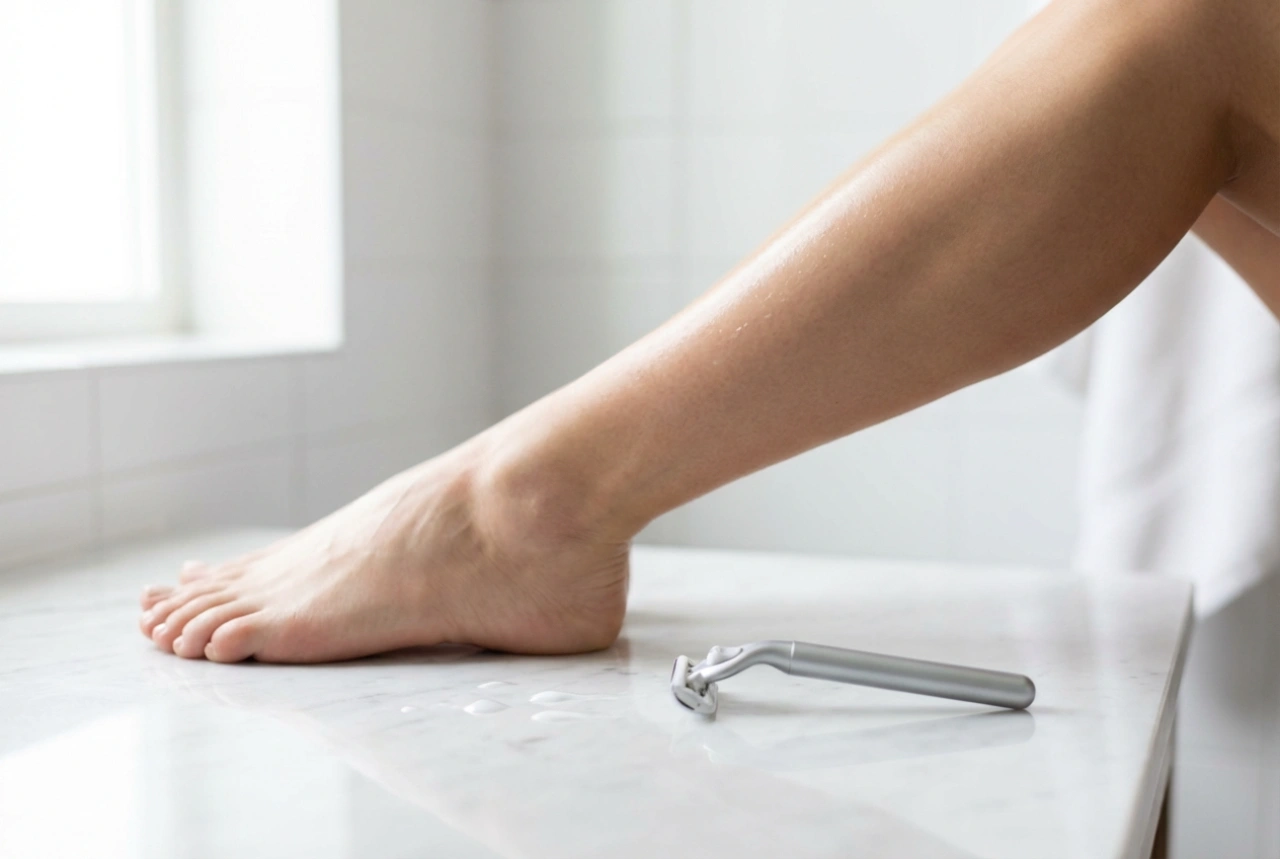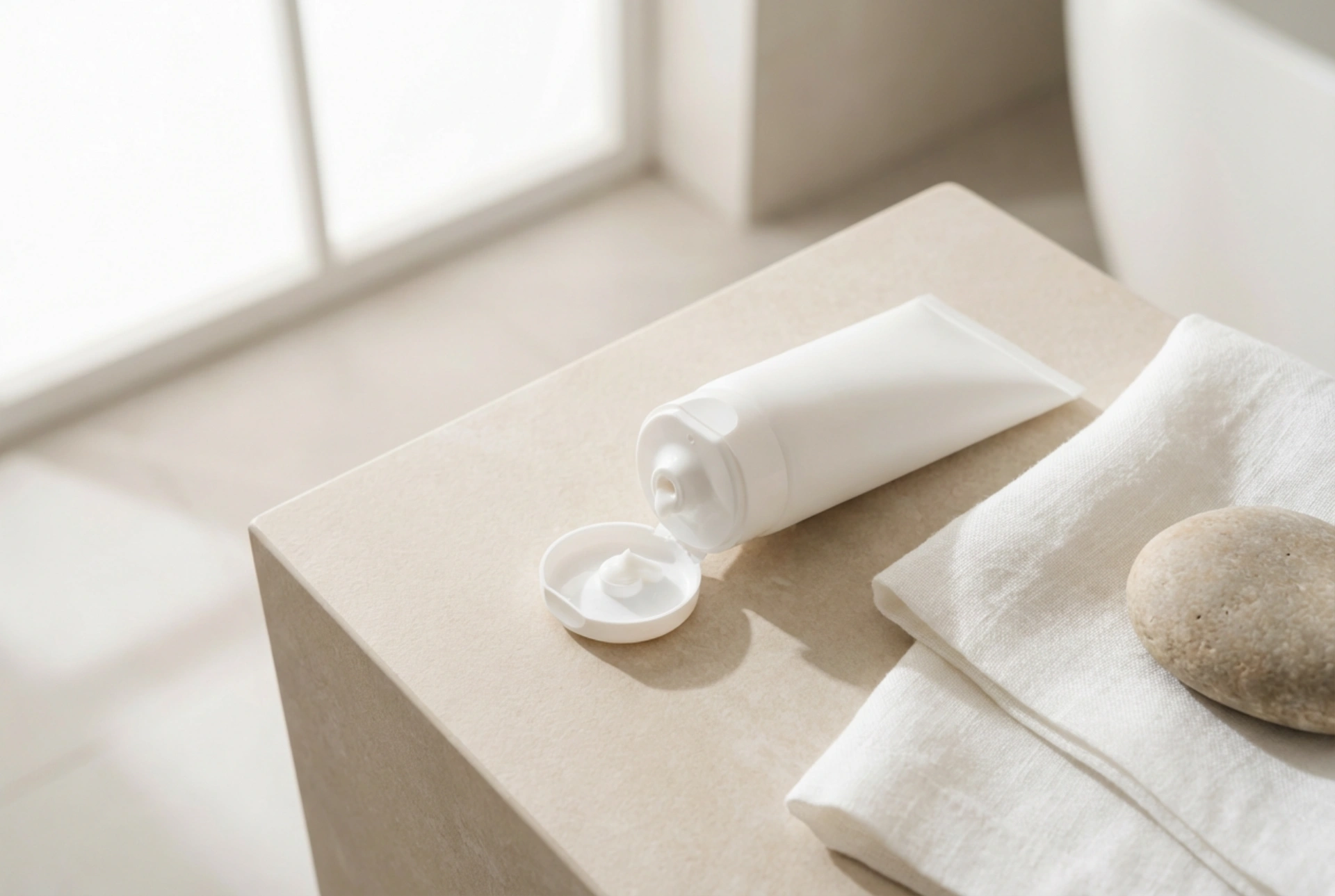


Well-cared-for feet are a cornerstone of overall comfort and confidence, yet the skin on our heels and soles is often neglected until it becomes dry, rough, or uncomfortable. Achieving soft, smooth feet is simpler than you might think, and one key ingredient stands out for its remarkable effectiveness: urea. A good quality foot cream, especially one formulated with urea, can provide deep hydration and gentle care, transforming the look and feel of your feet. Understanding how this ingredient works is the first step towards a successful and satisfying foot care routine.
What is Urea and How Does It Work in Foot Creams?
Urea is a compound that occurs naturally in the skin and plays a vital role in maintaining moisture balance. In cosmetics, the urea used is synthetically produced and is highly valued for its dual-action properties. It acts as both a humectant and a keratolytic agent. As a humectant, it draws moisture from the environment and the deeper layers of the skin, binding it into the outermost layer (the stratum corneum). This action provides intense and lasting hydration, which is crucial for the thick skin on the feet. As a keratolytic agent, urea helps to break down keratin, the hard protein that makes up dead skin cells. This gentle exfoliating effect helps to soften and shed the thick, rough layers of skin that form calluses and dry patches, revealing the smoother, healthier skin underneath.
The Key Benefits of Using a Urea-Based Foot Cream
Incorporating a urea-based cream into your daily routine offers a multitude of benefits for the health and appearance of your feet. Its unique properties make it one of the most effective ingredients for tackling common foot skin concerns.
- Intense Hydration: Urea's ability to attract and retain water provides deep and lasting relief for dry, dehydrated skin, helping to prevent the tightness and discomfort associated with it.
- Softening of Rough Skin and Calluses: By breaking down hard, dead skin cells, urea effectively softens calluses and smooths rough patches, particularly on the heels and balls of the feet.
- Gentle Exfoliation: Unlike harsh physical scrubs, urea provides a gentle chemical exfoliation that removes dead skin without causing irritation, promoting a healthier skin renewal cycle.
- Strengthening the Skin Barrier: Regular use helps to improve the skin's natural barrier function, making it more resilient to moisture loss and environmental stressors. This can help reduce the frequency of cracked heels over time.
- Improved Product Absorption: By clearing away the layer of dead cells, urea can also help other beneficial ingredients in your foot care products to penetrate more effectively.
How to Effectively Use a Urea Foot Cream
To get the most out of your urea foot cream, it's important to apply it correctly and consistently. A simple, regular routine will yield the best results for soft and healthy feet.
Step 1: Prepare Your Feet
Start with clean, dry feet. The best time to apply foot cream is after a bath or shower when your skin is still slightly damp. Pat your feet dry with a towel, paying attention to the areas between your toes. The warmth and moisture will help the cream absorb more efficiently.
Step 2: Apply the Cream
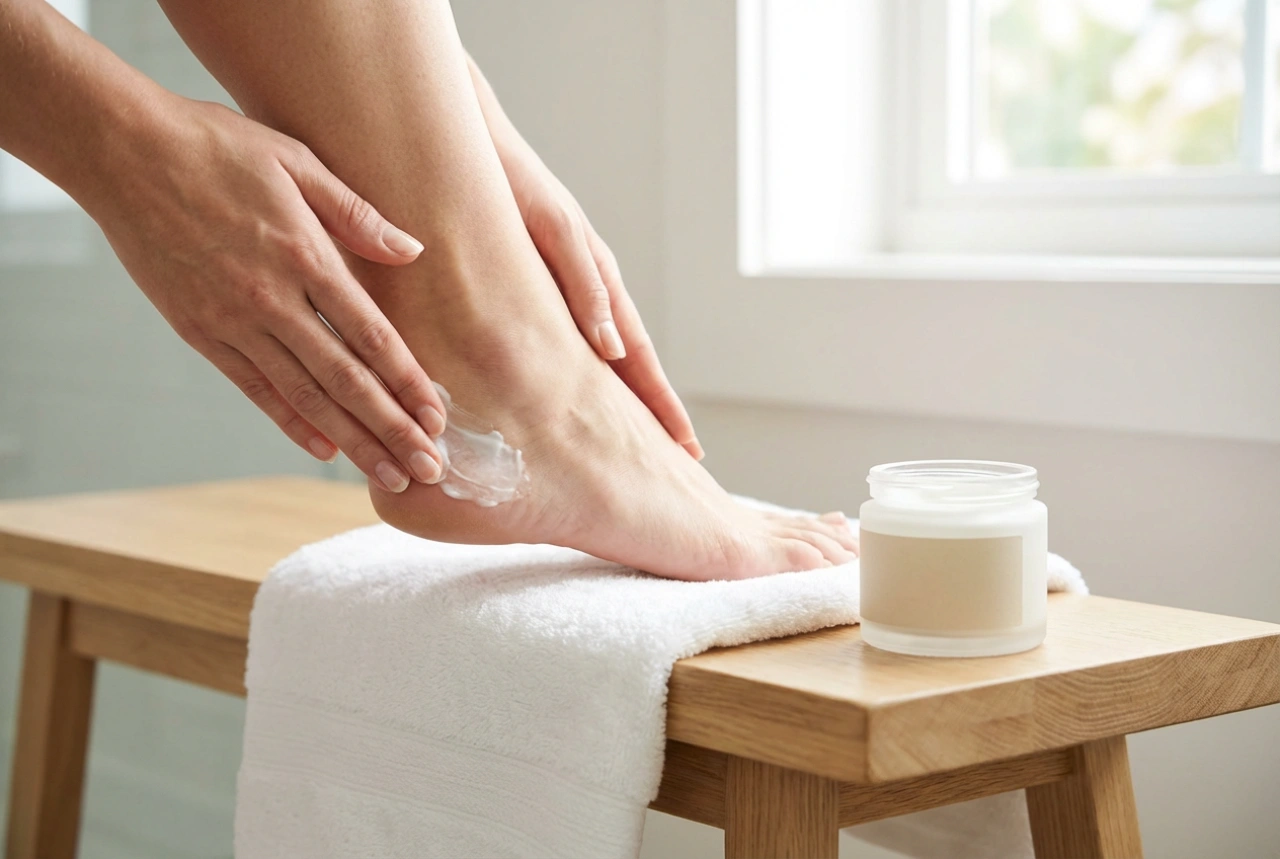
Squeeze a generous amount of cream into your palm and warm it between your hands. Massage it thoroughly into the skin of your feet, concentrating on the driest and roughest areas like the heels, soles, and any calluses. Use firm, circular motions to help stimulate circulation and ensure the product is evenly distributed.
Step 3: Be Consistent
Consistency is key. For best results, apply the cream at least once a day. Applying it at night before bed is an excellent practice. After application, you can put on a pair of clean cotton socks. This helps to lock in moisture and keeps the cream from rubbing off on your bedding, allowing it to work undisturbed overnight.
Understanding Urea Concentrations
Foot creams with urea are available in various concentrations, and choosing the right one depends on your specific needs. While we won't discuss specific products, it's helpful to understand the general guidelines. Lower concentrations, typically around 10%, are excellent for daily maintenance and hydrating moderately dry skin. They provide gentle softening and keep feet feeling smooth. Higher concentrations, such as 15% to 30%, are more suitable for tackling significant calluses and very thick, rough, or cracked skin. They offer more potent keratolytic (exfoliating) action. If you're new to using urea or have sensitive skin, it is often best to start with a lower concentration and see how your skin responds before moving to a stronger formula if needed.