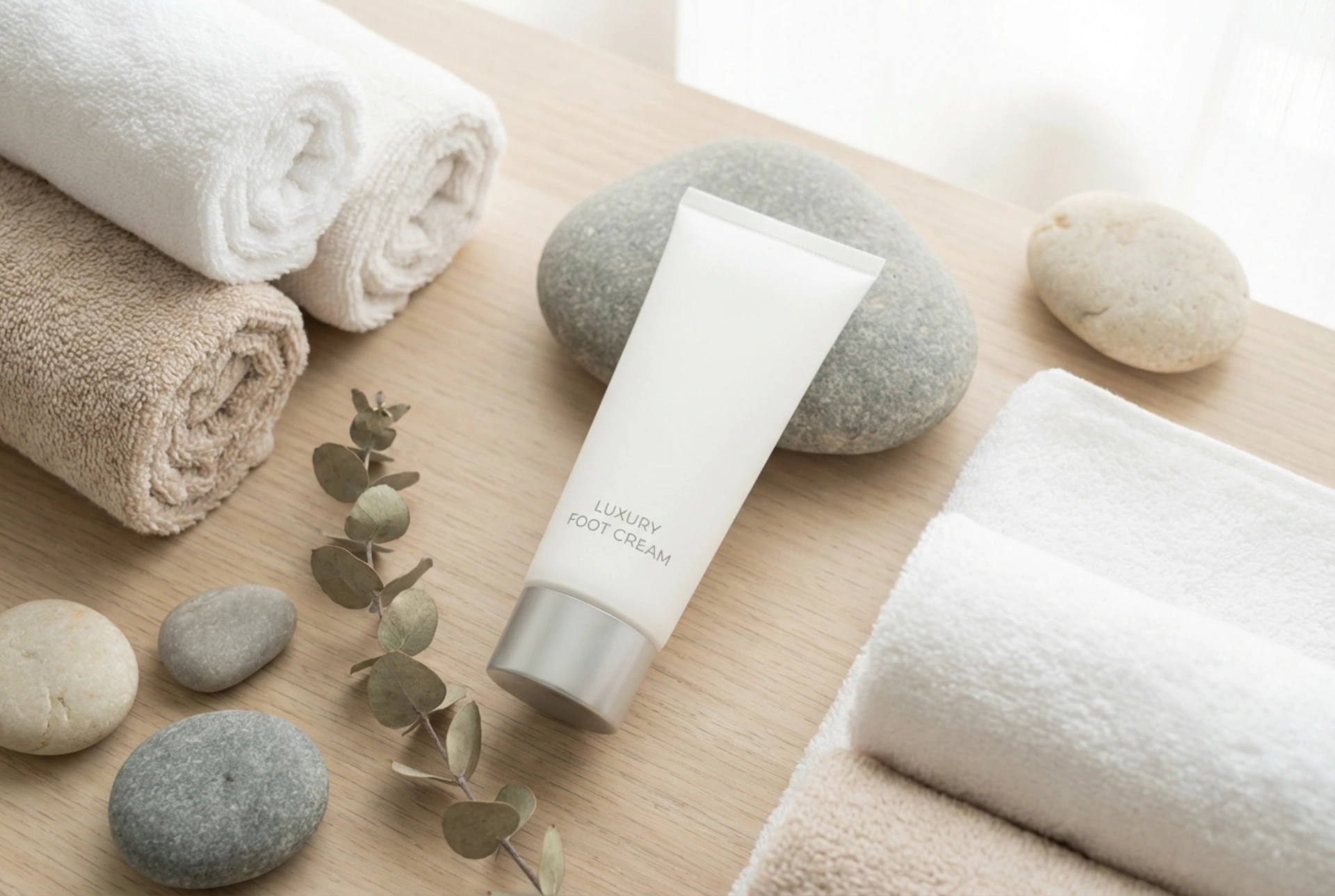


Taking care of our feet is a fundamental part of any self-care routine. Often overlooked, our feet carry us through life and deserve dedicated attention. For those dealing with very dry, rough, or calloused skin, a standard moisturiser may not be enough. This is where intensive treatments, such as creams containing a high concentration of urea, come into play. A 30% urea cream can be a powerful tool for restoring softness and comfort to your feet, but it's crucial to understand how to choose the right one and use it safely for the best results.
What is Urea and Why is it in Foot Creams?
Urea is a compound that is naturally present in the outer layer of our skin and plays a vital role in maintaining moisture balance. In cosmetics, the urea used is synthetically produced and is highly valued for its dual-action properties. At lower concentrations (typically up to 10%), urea acts as a humectant, meaning it draws moisture from the deeper layers of the skin and the environment into the epidermis, providing excellent hydration. However, at higher concentrations, from 20% upwards, urea exhibits a keratolytic effect. This means it helps to break down the bonds between dead skin cells, promoting exfoliation and softening thick, hardened skin. This makes it an incredibly effective ingredient for tackling stubborn foot concerns like calluses and cracked heels.
Understanding a 30% Urea Concentration
A cream with 30% urea is considered a high-strength formula designed for intensive, targeted treatment. Its primary purpose is to provide a strong exfoliating and softening action on severely hyperkeratotic skin – that is, skin that has become abnormally thick, such as tough calluses on the heels or balls of the feet. It is not intended for use as a daily, all-over foot moisturiser for those with normal or mildly dry skin. Think of it as a specialised solution for a specific problem, rather than a general maintenance product. Using it correctly is key to avoiding irritation and achieving the desired outcome of smoother, healthier-looking skin.
How to Choose the Right 30% Urea Cream
When selecting a high-concentration urea cream, it's wise to look beyond the star ingredient and consider the entire formula to ensure it is both effective and gentle on the skin.
Supporting Ingredients to Look For
- Emollients: These ingredients help to soften and smooth the skin by forming a protective barrier that locks in moisture. Look for ingredients like shea butter, cocoa butter, lanolin, or various natural oils.
- Other Humectants: To boost the hydrating effects of urea, formulas often include other humectants like glycerin or hyaluronic acid. These help to draw in even more moisture.
- Soothing Agents: High concentrations of urea can sometimes be irritating. Ingredients like panthenol (pro-vitamin B5), allantoin, or bisabolol can help to calm the skin and reduce the potential for redness or discomfort.
- Ceramides: These lipids are crucial for a healthy skin barrier. Including them in the formula helps to reinforce the skin's natural defences, which is particularly important when undergoing an intensive exfoliating process.
What to Consider Avoiding
For a product designed to treat compromised skin, it's best to opt for a simple, gentle formula. Try to avoid creams with strong artificial fragrances, colourants, or high concentrations of drying alcohols, as these can potentially cause irritation, especially on cracked skin.
A Safe Step-by-Step Guide to Application
To get the most benefit from your 30% urea cream without causing problems, follow a careful application process.
Step 1: Prepare Your Feet
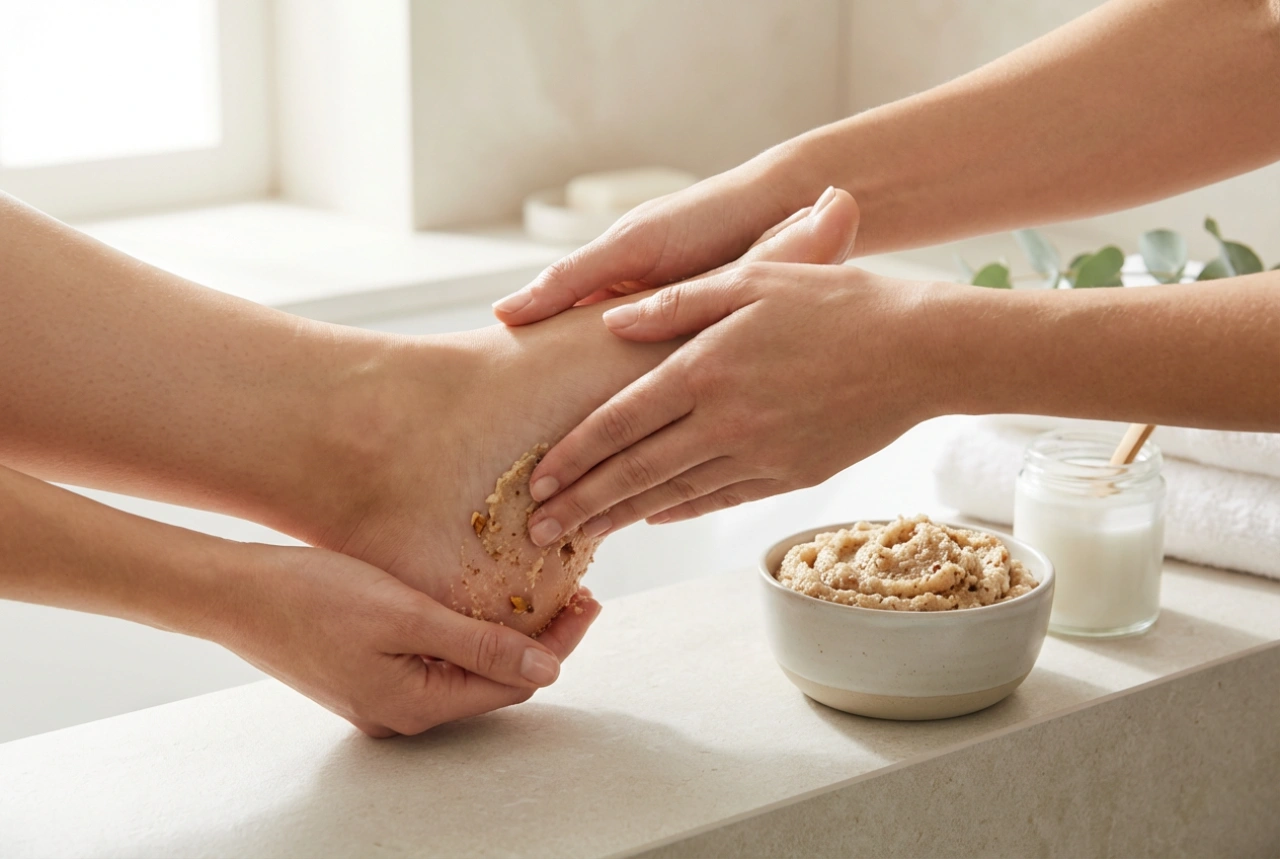
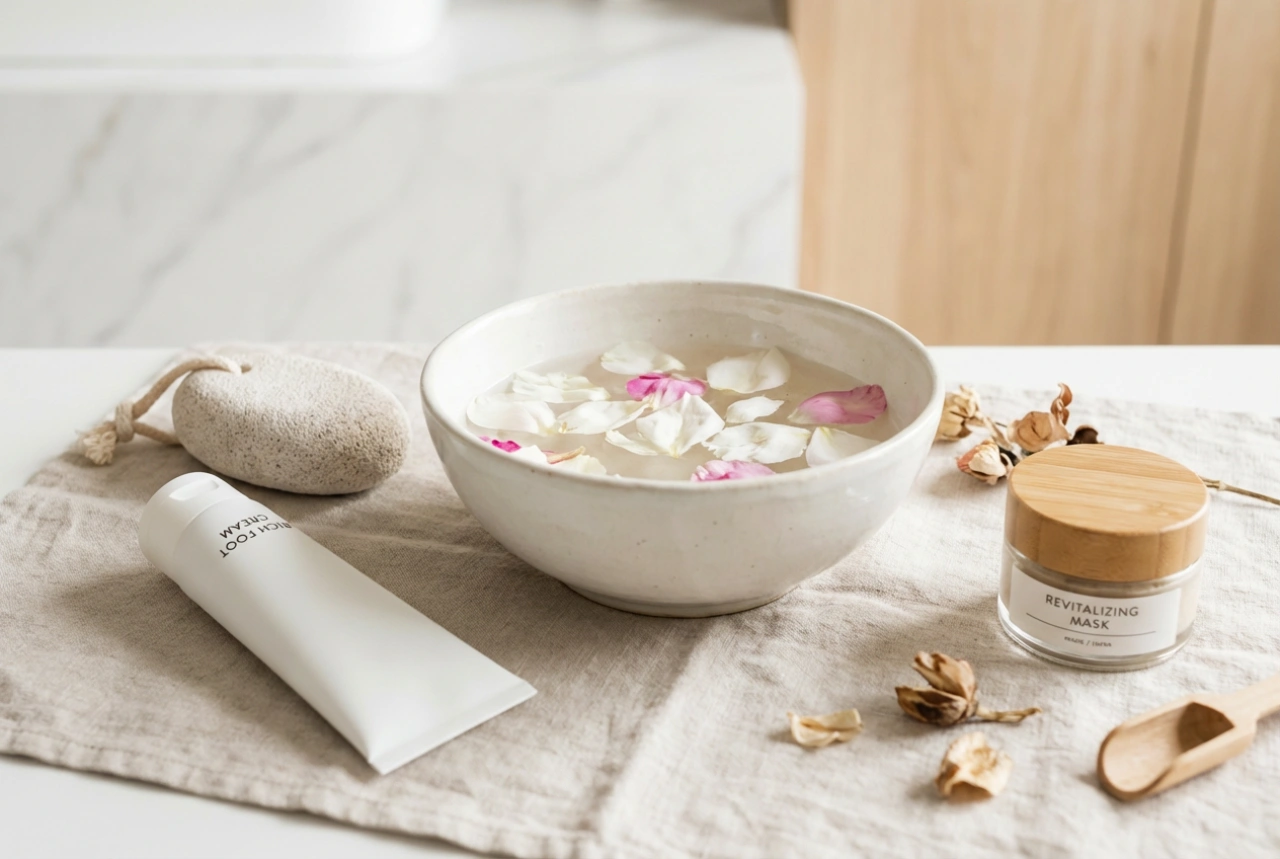
Start with clean, dry feet. For an enhanced effect, you can soak your feet in warm water for 10-15 minutes before application. This helps to soften the tough outer layers of skin, allowing the cream to penetrate more effectively. Pat your feet completely dry with a soft towel afterwards.
Step 2: Targeted Application
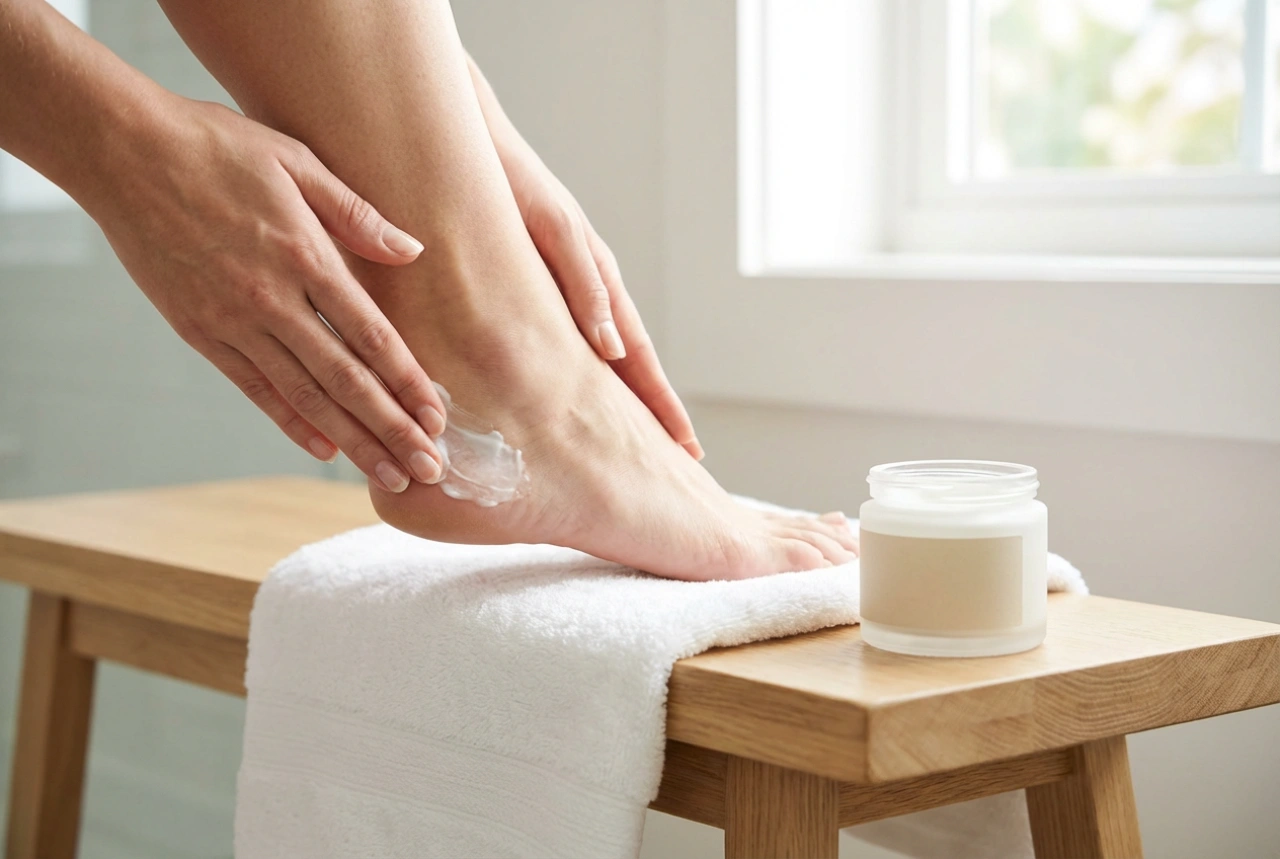
Apply a thin, even layer of the cream *only* to the areas with thickened, calloused, or cracked skin. Avoid applying it to the thinner, healthier skin on the tops of your feet or between your toes, as the strong keratolytic action is not needed there and could cause irritation.
Step 3: Frequency and Timing
Begin by using the cream once a day, preferably at night before bed. Applying it overnight allows the product to work undisturbed for several hours. Wearing a pair of cotton socks after application can help the cream absorb better and prevent it from rubbing off on your bed linens.
Step 4: Monitor and Maintain
Use the 30% urea cream consistently for a limited period, typically 7 to 14 days, or until you see a significant improvement in the skin's texture. Once the calluses have softened and the cracks have improved, it is important to reduce the frequency or switch to a maintenance cream with a lower urea concentration (e.g., 10% or 15%) to keep your feet hydrated and prevent the problem from recurring. Continuous use of a high-strength formula on healed skin is unnecessary and not recommended.
Important Precautions
Always perform a patch test on a small area of skin 24 hours before first use to check for sensitivity. Never apply the cream to open wounds, bleeding cracks, or inflamed or infected skin. Remember to wash your hands thoroughly after each application. If you experience any persistent stinging, redness, or irritation, discontinue use.