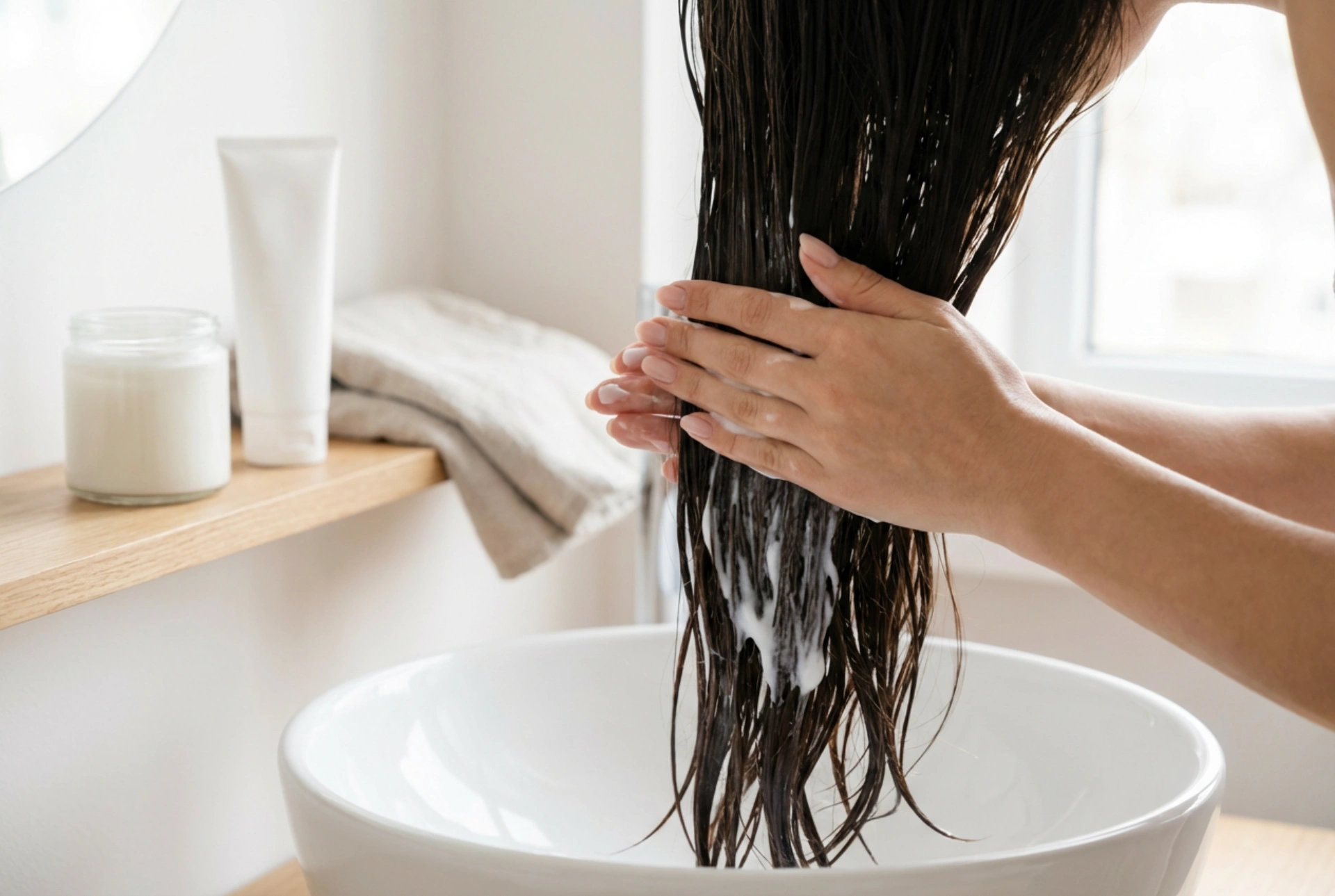


The ritual of applying a hair mask is a moment of pure self-care, a chance to deeply nourish our hair. Among the many ingredients promising to revitalise our strands, collagen stands out for its unique properties. This powerful protein is a key component in maintaining the health and vitality of our hair. But what exactly is a collagen mask, and how can it benefit your routine? Understanding its purpose and the correct application method is crucial to unlocking its full potential and achieving stronger, shinier hair.
Understanding Collagen and Its Role in Hair Care
Collagen is the most abundant protein in our bodies, acting as a fundamental building block for skin, bones, and, importantly, hair. It provides strength, structure, and elasticity. In hair care, products infused with collagen work to fortify the hair shaft from the outside. A collagen hair mask is a deep conditioning treatment formulated to deliver this protein directly to the hair, aiming to improve its overall health and appearance by replenishing its structure.
Key Benefits for Your Hair
- Strengthening and Reducing Breakage: By supplementing the hair's natural protein structure, collagen can help fortify strands, making them more resilient to daily stressors and damage from styling. This leads to less breakage and fewer split ends.
- Improving Elasticity: Healthy hair has a certain amount of stretch. Collagen can help restore this elasticity, which is often lost in dry or damaged hair, making it less prone to snapping when brushed or styled.
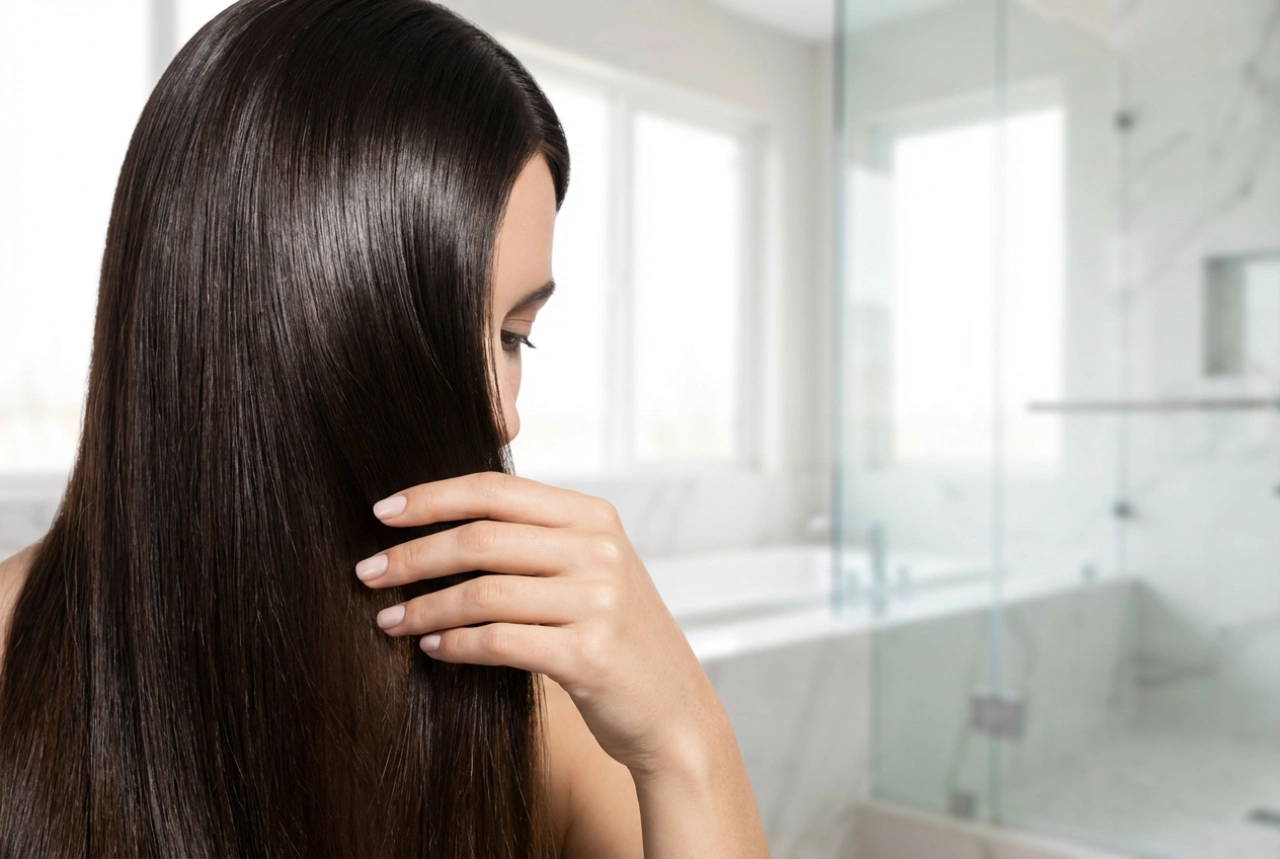
- Enhancing Shine and Smoothness: Collagen helps to smooth down the hair cuticle, the outermost layer of the hair shaft. A smoother cuticle reflects light more effectively, resulting in a shinier, healthier, and less frizzy appearance.
- Boosting Moisture Retention: While not a primary moisturising agent itself, collagen creates a protective film around the hair shaft. This film helps to lock in moisture provided by other hydrating ingredients within the mask, keeping hair hydrated for longer.
Is a Collagen Hair Mask Right for You?
Deciding when to incorporate a collagen mask into your routine depends on your hair's specific needs and condition. It's a versatile treatment, but it can be particularly beneficial for addressing certain common hair concerns. Observing your hair's texture and behaviour is the best way to determine if it could use a protein boost.
Consider using a collagen mask if your hair is:
- Dry and Brittle: If your hair feels rough to the touch and snaps easily when you run your fingers through it, it may lack the protein integrity that collagen can help to reinforce.
- Damaged by Heat or Colouring: Frequent use of styling tools and chemical processes like bleaching or dyeing can strip hair of its natural proteins. A collagen mask can help to replenish what has been lost, improving texture and resilience.
- Fine or Lacking Volume: By fortifying and slightly thickening individual strands, collagen can give the hair a fuller, more voluminous appearance without weighing it down like some heavy conditioning treatments might.
- Showing Signs of Ageing: Just as collagen production in the skin declines with age, our hair can also become weaker, more fragile, and thinner over time. Regular collagen treatments can help counteract these effects and maintain hair strength.
A Step-by-Step Guide to Applying Your Collagen Hair Mask
To get the most out of your treatment, proper application is key. Following these simple steps will ensure the product is distributed evenly and has the best chance to penetrate the hair shaft for maximum effect.
Step 1: Prepare Your Hair
Start with clean, damp hair. Wash your hair with a gentle shampoo to remove any product build-up, oils, and impurities. Squeeze out excess water gently with your hands, then blot with a microfibre towel until your hair is damp but not dripping wet. This state allows the mask to be absorbed most effectively.
Step 2: Apply the Mask Evenly
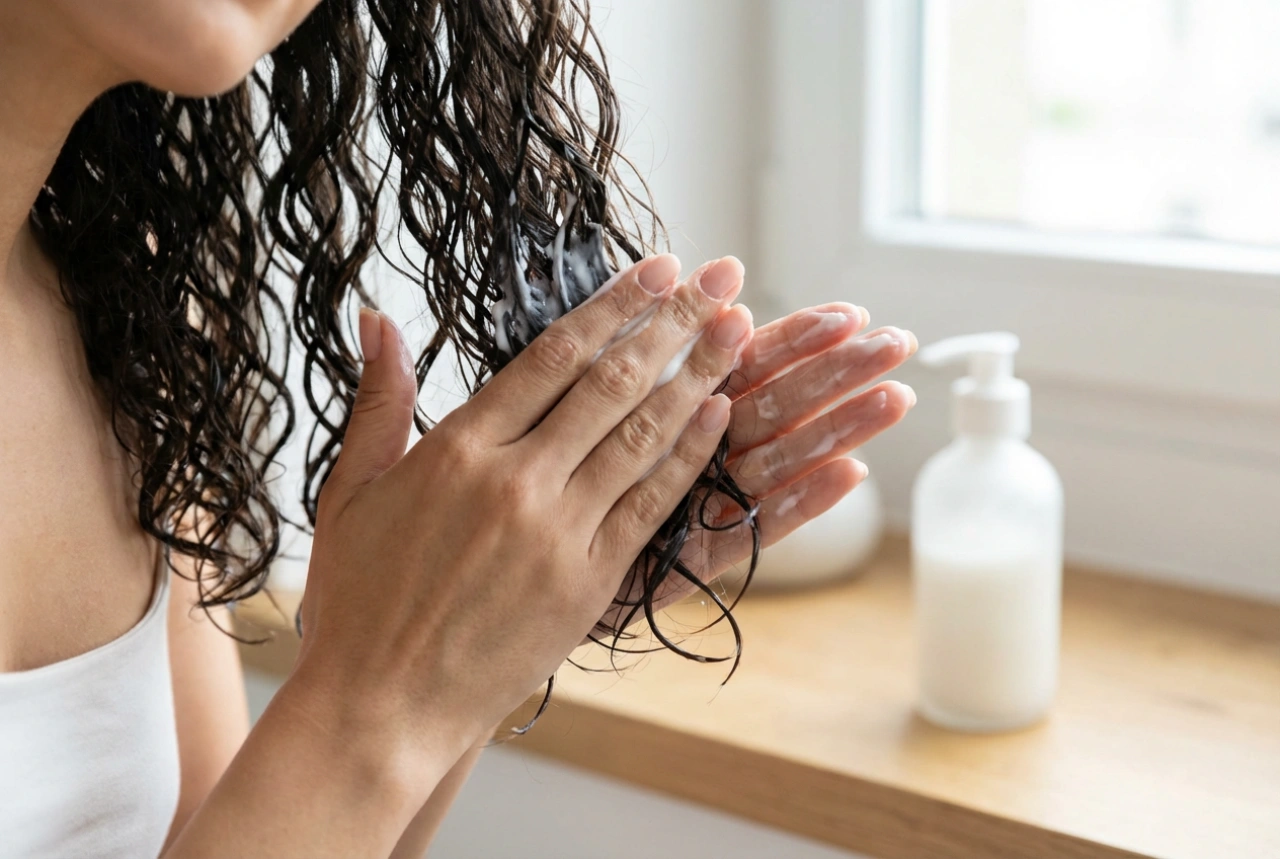
Dispense a suitable amount of the mask into your palms. The quantity will depend on your hair's length and thickness. Begin applying the product from the mid-lengths down to the ends, as this is typically the oldest and most damaged part of the hair. If you have fine or oily-prone hair, it's best to avoid applying the mask directly to the roots. For thicker or very dry hair, you can work it closer to the scalp. Use your fingers or a wide-tooth comb to ensure every strand is evenly coated.
Step 3: Let It Penetrate
Once the mask is applied, let it work its magic. The recommended time is usually stated on the product packaging, typically between 15 to 20 minutes. For an enhanced treatment, you can wrap your hair in a warm towel or cover it with a shower cap. The heat generated will help to open the hair cuticles, allowing for deeper penetration of the beneficial ingredients.
Step 4: Rinse Thoroughly
After the waiting time is up, rinse your hair thoroughly with lukewarm water. Avoid using hot water, as it can strip the hair of its natural oils and potentially cause frizz. Continue rinsing until you feel all the product has been washed out and your hair feels smooth, but not slippery or heavy. Finish with a cool water rinse to help seal the cuticle.
Frequency of Use: Finding Your Balance
The ideal frequency for using a collagen hair mask depends entirely on your hair's condition and type. For hair that is significantly damaged or very dry, starting with a weekly treatment can yield noticeable improvements in strength and texture. As your hair's health improves, you can reduce the frequency to once every two weeks for maintenance. For hair that is in relatively good condition, using a mask once or twice a month may be sufficient to provide an extra boost of strength and shine. It's important to pay attention to how your hair feels; if it starts to feel stiff or brittle, you may be using protein treatments too often. The goal is to nourish your hair, not overload it.