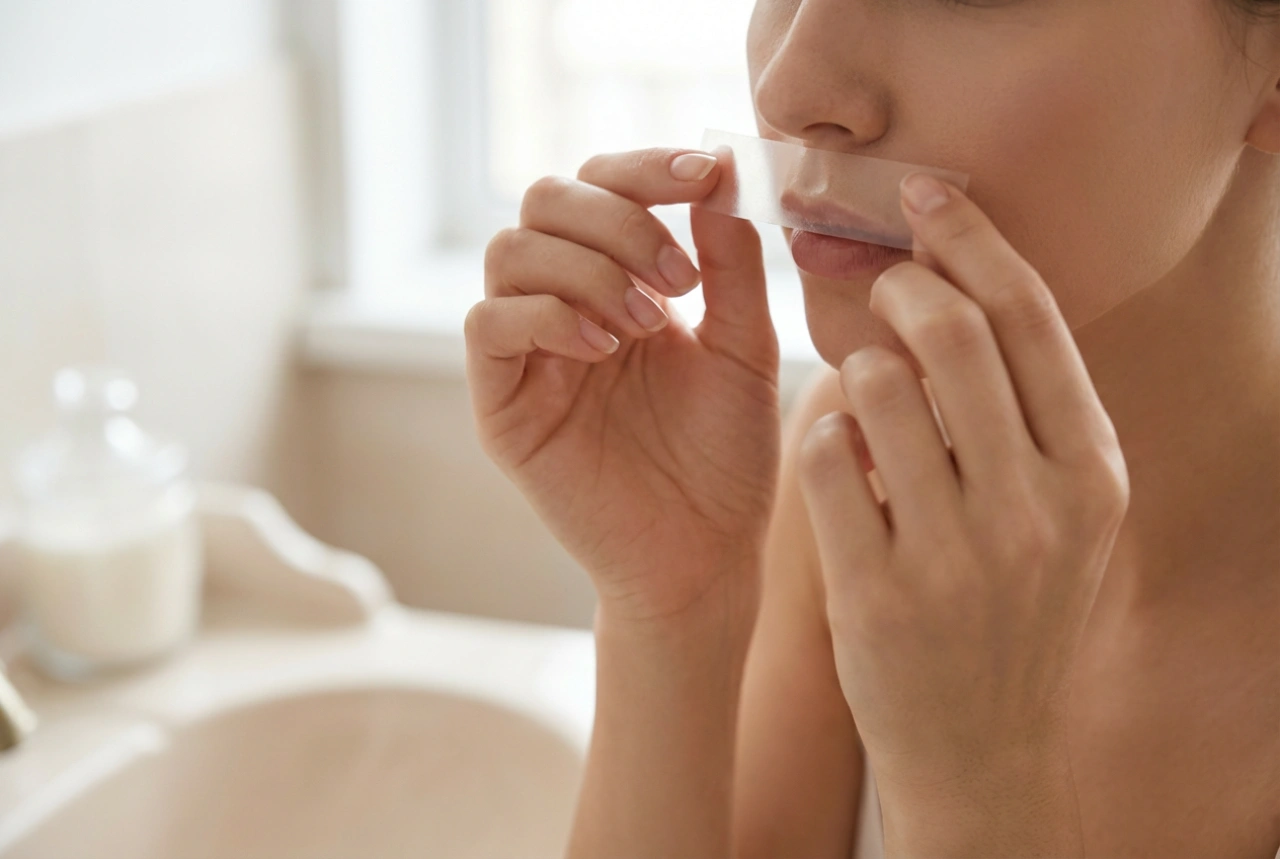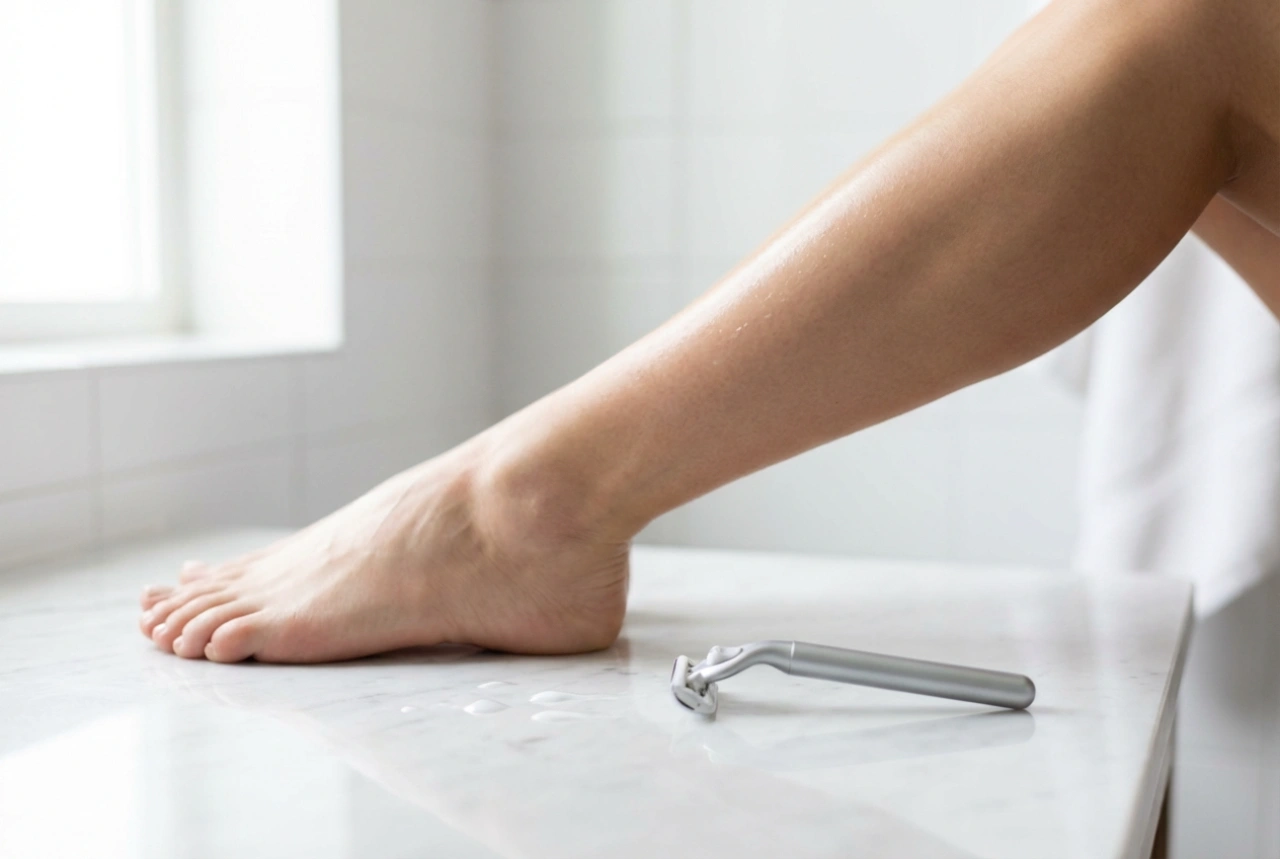


The pursuit of smooth, soft skin is a common beauty goal, and performing hair removal in the comfort of your own home offers both convenience and privacy. As suggested by an organised self-care setup, achieving professional-level results is not just about the hair removal act itself, but about a holistic approach. Choosing the right method for your needs, diligently preparing your skin, and following a dedicated aftercare plan are the cornerstones of a successful and gentle routine. This guide will walk you through the process, helping you create a personalised plan for beautifully smooth skin.
Choosing Your At-Home Hair Removal Method
The market offers a variety of at-home hair removal solutions, which can generally be divided into two categories: those that remove hair from the surface of the skin and those that remove it from the root. The best choice for you will depend on your pain tolerance, the time you have, your budget, and the desired longevity of the results.
Surface Hair Removal Methods
These methods are known for being quick and generally painless, making them a popular choice for beginners or those in a hurry. However, the results are short-lived as the hair is only cut at the skin level.
- Shaving: This involves using a razor to cut hair at the skin's surface. It is fast, effective, and can be done wet or dry. The main drawback is that hair grows back quickly, often feeling stubbly within a day or two. It can also lead to nicks, cuts, and razor burn if not done carefully with a sharp blade and lubricating gel or foam.
- Depilatory Creams: These creams use chemicals to dissolve the hair protein just below the skin's surface. You apply the cream, wait a specified amount of time, and then wipe or rinse it off, along with the weakened hair. It's painless and the results last slightly longer than shaving. The downsides include a distinct chemical smell and the risk of skin irritation or allergic reactions, making a patch test essential.
Root Hair Removal Methods
These techniques remove the entire hair, including the root, from the follicle. While they can be more uncomfortable, the results last much longer—typically from two to four weeks—and hair often grows back finer over time.
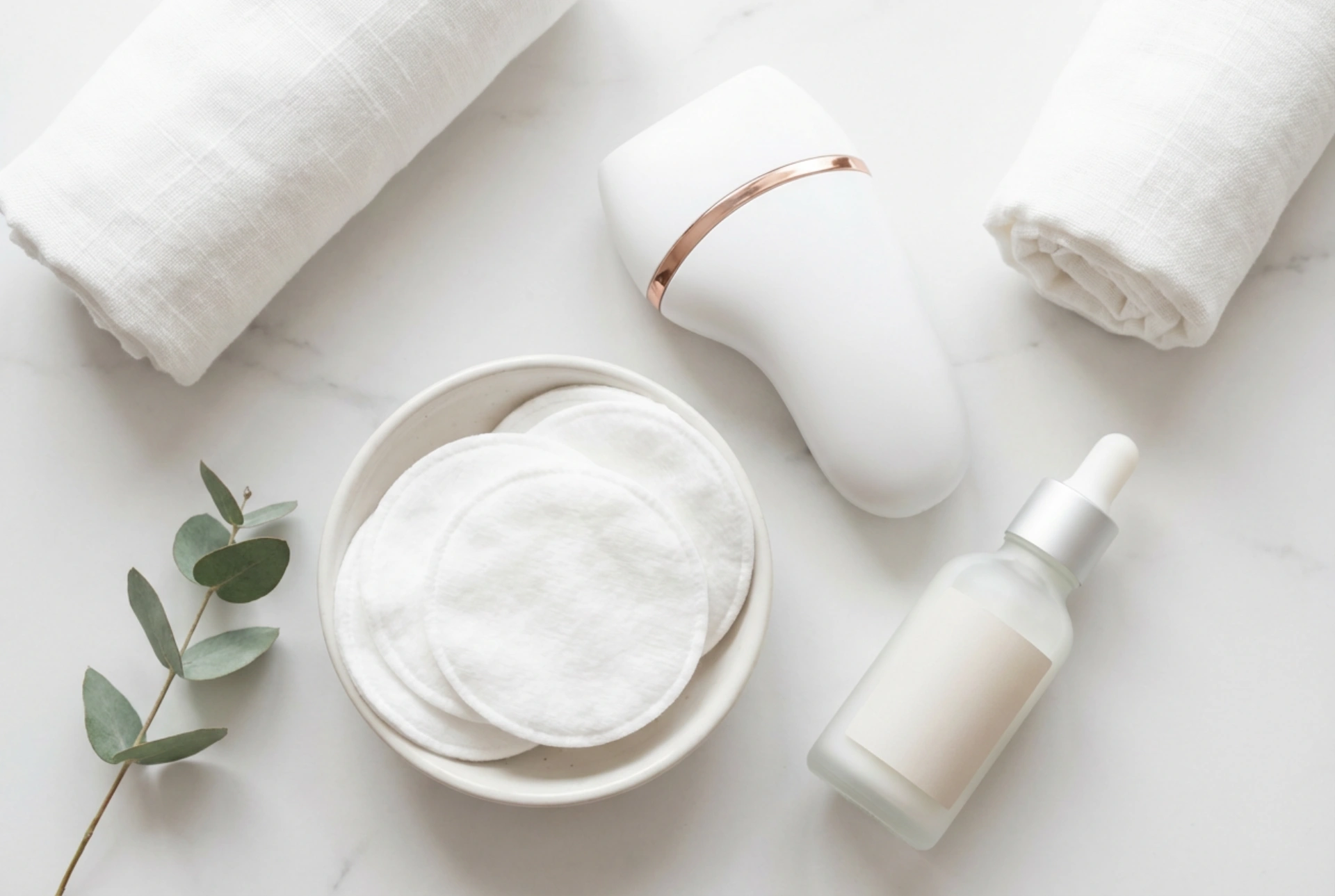
- Epilation: An epilator is an electrical device with a head of rotating tweezers that grasp and pull out multiple hairs at once. It's highly effective for long-lasting smoothness. The primary disadvantage is the discomfort, especially during the first few sessions. There is also a risk of ingrown hairs if pre- and post-care steps are neglected.
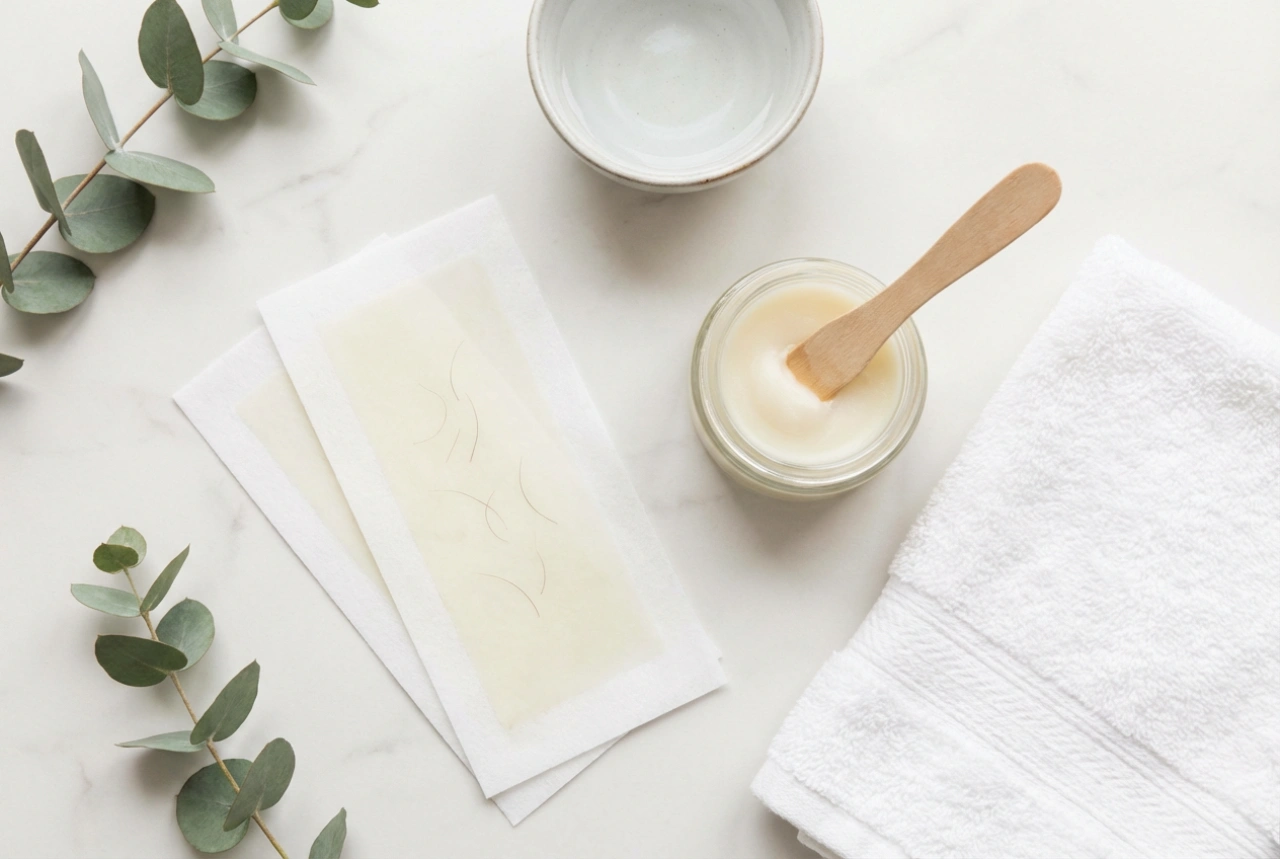
- Waxing: This can be done with soft wax (removed with strips) or hard wax (which hardens and is pulled off on its own). Wax is applied to the skin, adheres to the hair, and is then quickly pulled off in the opposite direction of hair growth. It provides excellent, smooth results. However, it can be painful and requires a certain technique to avoid bruising or skin lifting. Hair also needs to be a certain length for the wax to grip it effectively.
- Sugaring: Similar to waxing, sugaring uses a paste made from sugar, lemon juice, and water to remove hair from the root. The paste is applied against the direction of hair growth and flicked off in the direction of growth, which many find less painful than waxing. It's gentle on the skin and the paste is easy to clean up with water. The main challenge is mastering the technique, which can be tricky at first.
Preparing Your Skin for Hair Removal
Proper preparation is key to minimising discomfort and preventing common side effects like redness, bumps, and ingrown hairs. Never perform hair removal on irritated, broken, or sunburnt skin.
- Cleanse the Area: Start by washing the skin with a gentle cleanser to remove any oils, lotions, or dirt. Pat the area completely dry, as most methods work best on clean, dry skin.
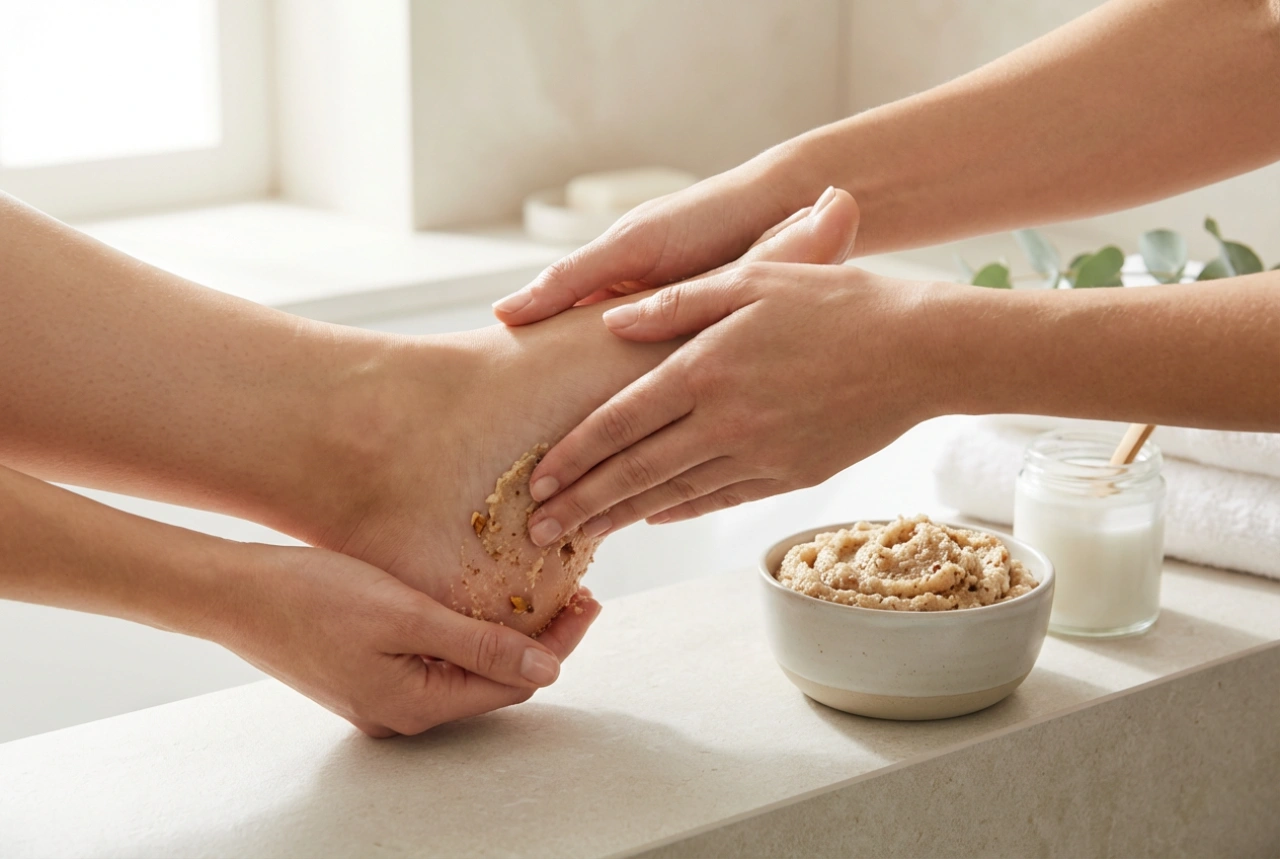
- Exfoliate in Advance: One or two days before you plan to remove hair, gently exfoliate the area. This sloughs away dead skin cells, allowing for a closer shave or easier hair removal from the root, and is one of the most effective ways to prevent future ingrown hairs. Use a soft body brush, a scrub, or an exfoliating glove.
- Check Hair Length: For methods like waxing or sugaring, your hair needs to be long enough for the product to grip—usually about the length of a grain of rice. If it's too short, the treatment won't be effective. If it's too long, it can be more painful, so you may need to trim it first.
- Perform a Patch Test: If you are using a new depilatory cream or wax, always test it on a small, discreet patch of skin 24 hours beforehand to check for any adverse reactions.
The Post-Treatment Care Plan for Smooth Skin
What you do after hair removal is just as important as the preparation. The right aftercare soothes the skin, promotes healing, and helps maintain your smooth results for longer.
- Soothe Immediately: After the treatment, your skin will likely be sensitive. Apply a calming, alcohol-free product. Look for ingredients like aloe vera, chamomile, or panthenol in a lightweight lotion or gel to reduce redness and inflammation.
- Avoid Potential Irritants: For the first 24 to 48 hours, treat your skin with care. Avoid hot showers or baths, saunas, swimming in chlorinated pools, and intense exercise that causes excessive sweating. Wear loose, breathable clothing made from natural fabrics like cotton to prevent friction.
- Steer Clear of Fragrance: Avoid using perfumes, fragranced body lotions, or deodorants on the freshly treated area, as these can cause stinging and irritation.
- Moisturise Daily: Keeping your skin hydrated is crucial. A well-moisturised skin barrier is healthier and more resilient. Use a simple, unscented moisturiser every day.
- Exfoliate Regularly: A few days after hair removal, resume a gentle exfoliation routine 2-3 times per week. This continued practice is vital for preventing dead skin cells from trapping newly growing hairs, which is the primary cause of ingrown hairs.
Organising Your Hair Removal Routine
Consistency is the secret to maintaining effortlessly smooth skin. Creating a schedule helps you stay on top of your routine and integrate it seamlessly into your life.
First, determine the right frequency based on your chosen method and hair growth rate. Shaving might be a daily or every-other-day task, while depilatory creams may be used once or twice a week. Root-removal methods like epilation, waxing, or sugaring typically only need to be done every two to four weeks. Mark these dates on a calendar or set reminders on your phone. Also, schedule your pre-care (exfoliation the day before) and be mindful of post-care in the days following. By turning these steps into a planned ritual, you ensure your skin gets the consistent care it needs to stay healthy, smooth, and beautiful.