

Intimate hair removal is a personal choice often linked to comfort and aesthetics. While many focus on the bikini line, the perineum—the area between the anus and the vulva or scrotum—requires particular attention due to its extreme sensitivity. Achieving smooth, irritation-free skin in this delicate zone is possible with the right techniques, gentle methods, and dedicated aftercare. A calm and careful approach, similar to a thoughtful skincare routine, is the key to success.
Preparing the Skin for Perineum Hair Removal
Proper preparation is non-negotiable for minimising the risk of irritation, nicks, and ingrown hairs. Rushing this step can lead to discomfort and undesirable results. Before you begin, ensure the skin is in a healthy state—free from any existing irritation or broken skin.
Cleanse and Soften
Start by washing the area with warm water and a mild, fragrance-free intimate wash. This helps to remove bacteria and soften both the skin and the hair, making removal easier and safer. Gently pat the area dry with a clean, soft towel. Avoid vigorous rubbing, as this can sensitise the skin before you even start.
Gentle Exfoliation
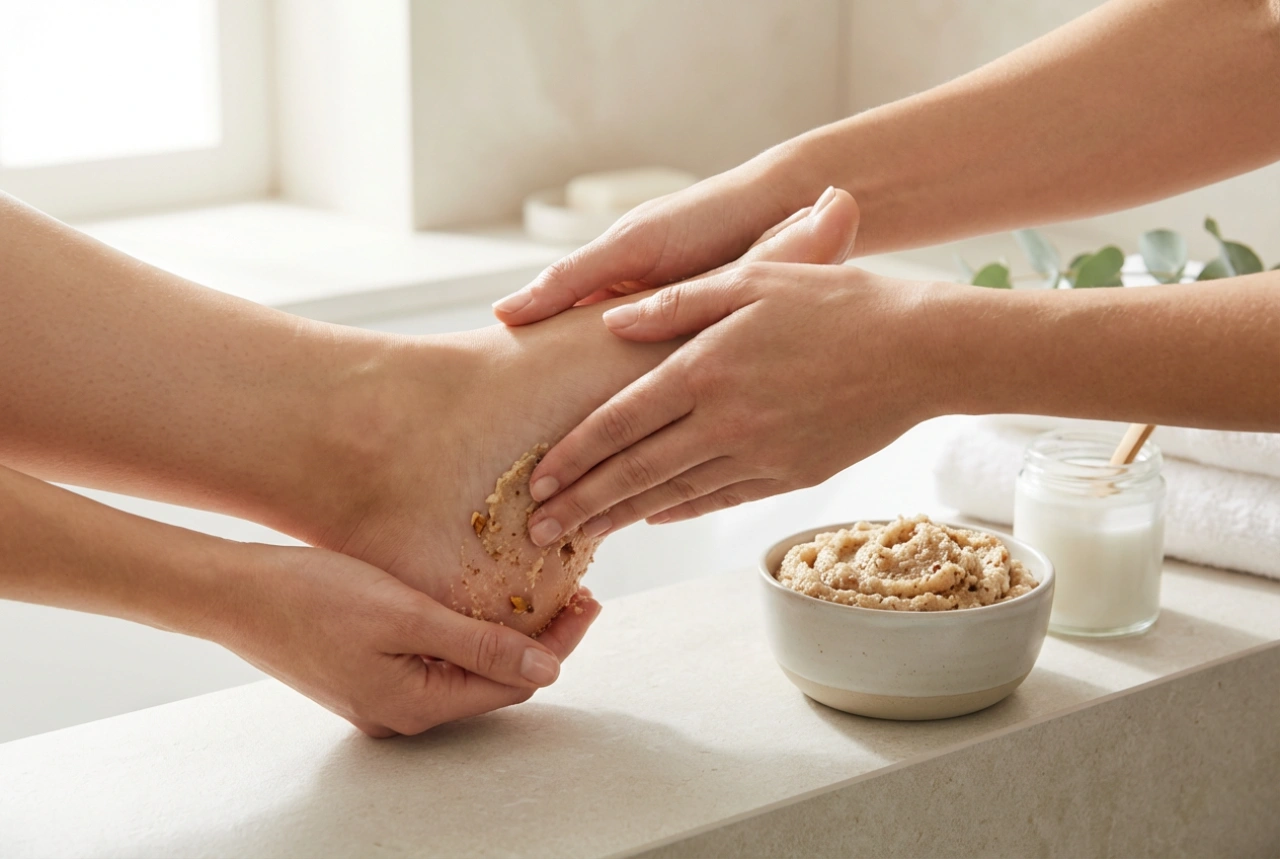
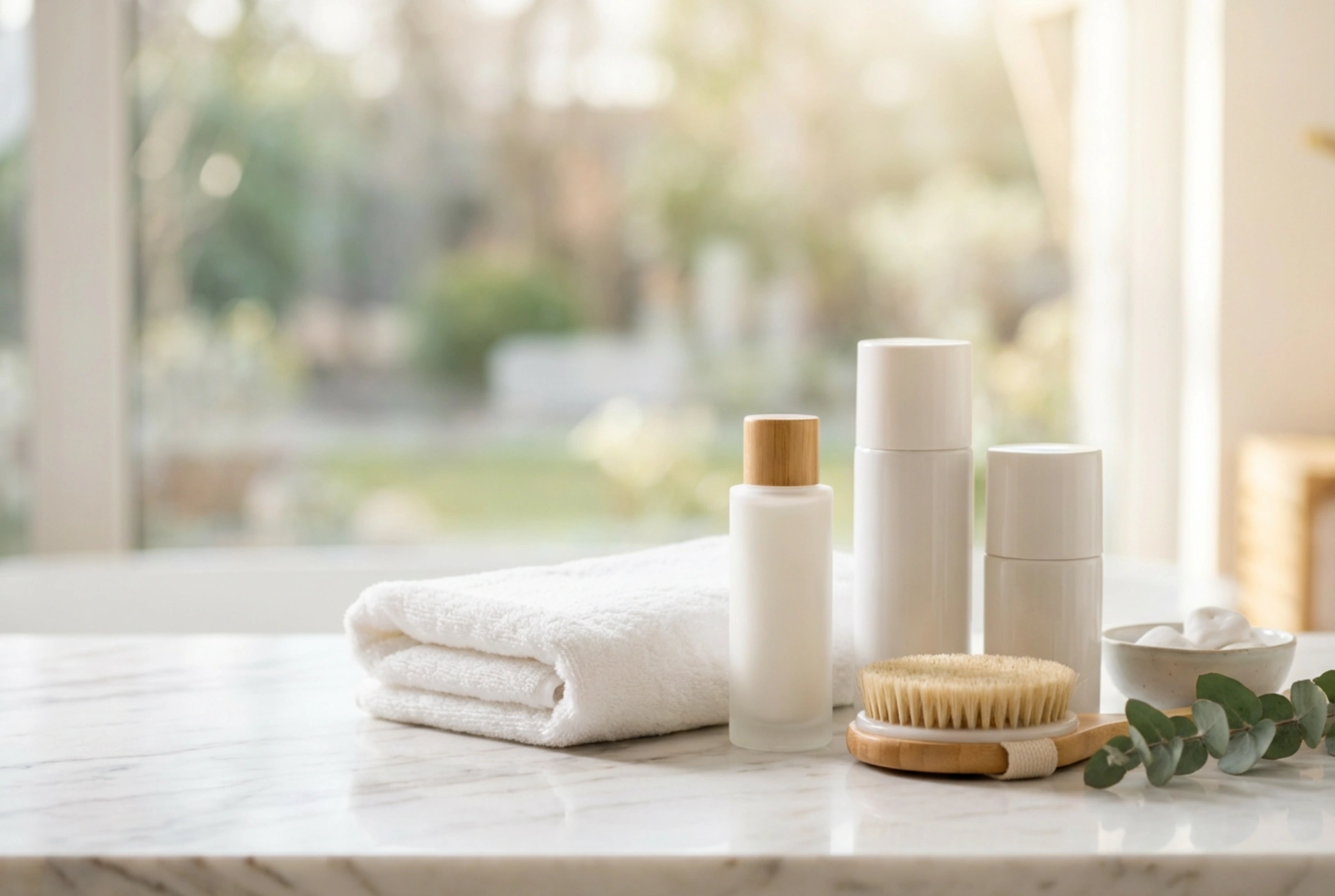
A day or two before you plan to remove hair, consider a very gentle exfoliation. This helps to slough off dead skin cells that can trap hairs and lead to ingrowns. You can use a soft, natural-bristle brush in light circular motions or a very mild scrub specifically designed for sensitive skin. Never exfoliate immediately before or after hair removal, as this will cause over-exfoliation and severe irritation.
Gentle Hair Removal Methods for the Perineum
The skin on the perineum is thinner and more delicate than in other areas, so it's crucial to choose a method that prioritises safety and gentleness. Always work in a well-lit space and use a mirror to ensure you have full visibility of the area.
Trimming
Trimming is arguably the safest method for managing hair on the perineum. It doesn't involve contact with the skin itself, which virtually eliminates the risk of cuts, razor burn, and ingrown hairs. Use a small, clean pair of grooming scissors with rounded tips or an electric trimmer with a safety guard. Pull the skin taut and carefully trim the hair to your desired length. This method is perfect for those with very sensitive skin or anyone who prefers a neat look without complete removal.
Careful Shaving
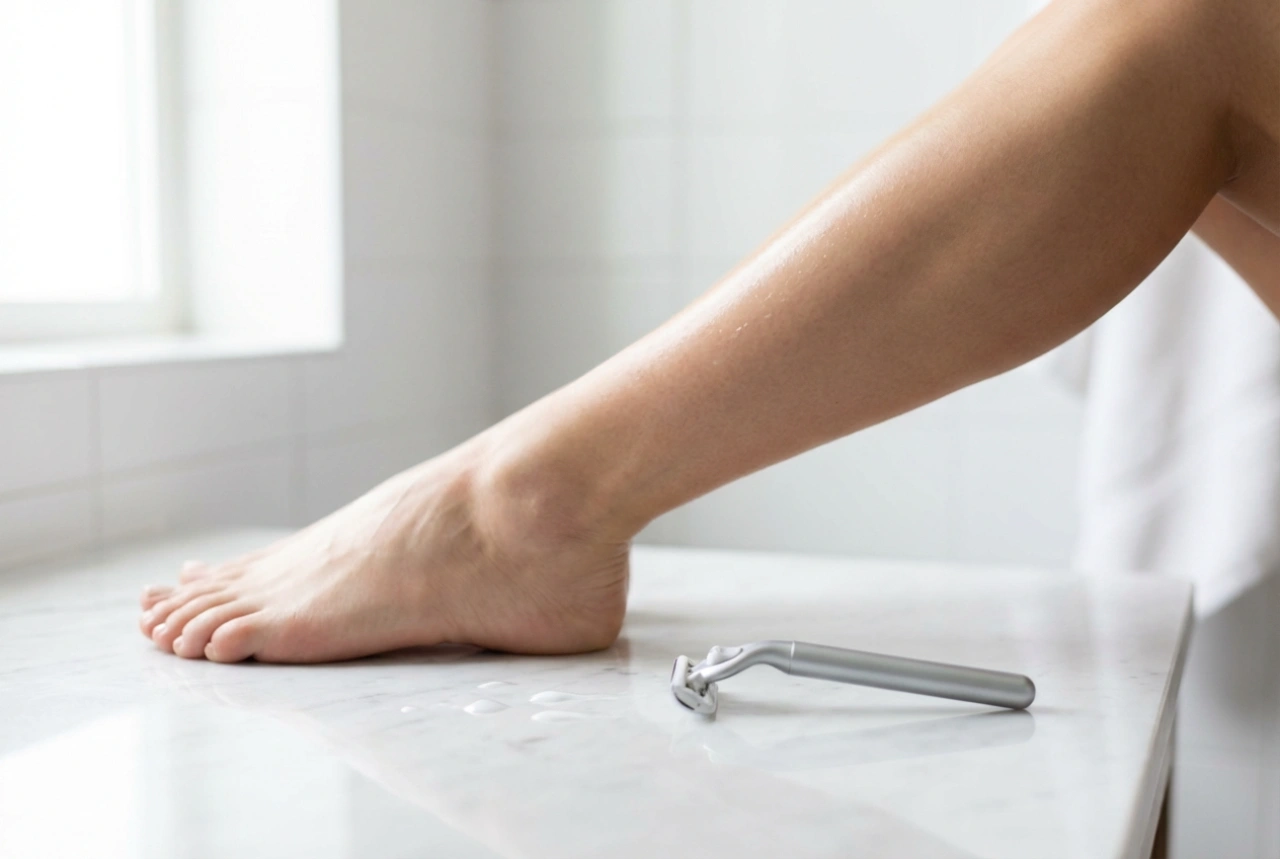
Shaving can provide a very smooth finish, but it requires extreme caution in this area. Follow these steps for a safer shave:
- Use a fresh, sharp razor: A dull blade will drag on the skin and cause nicks and irritation. A multi-blade razor with a pivoting head can help navigate the contours of the area.
- Apply a lubricating agent: Never dry shave. Use a generous amount of fragrance-free shaving cream, gel, or oil formulated for sensitive skin.
- Shave with the grain: Shaving in the direction of hair growth significantly reduces the likelihood of razor bumps and ingrown hairs.
- Be gentle: Use light, short strokes and do not apply pressure. Rinse the blade frequently. Pulling the skin taut can help create a flatter surface, but be very gentle.
Depilatory Creams
Hair removal creams work by chemically dissolving the hair at the skin's surface. While effective, they must be used with caution. It is absolutely essential to choose a cream specifically formulated for intimate or bikini areas. Standard body hair removal creams are too harsh for the perineum. Before every single use, perform a patch test on a small, discreet patch of skin in the area 24-48 hours beforehand to check for any adverse reactions. When applying, be meticulous to avoid contact with mucous membranes. Follow the product's timing instructions precisely and remove it thoroughly with the provided tool or a soft, damp cloth, then rinse with lukewarm water.
Essential Aftercare for Smooth, Calm Skin
What you do after hair removal is just as important as the process itself. The goal is to soothe the skin and protect it from irritation while it recovers.
- Rinse and Pat Dry: Immediately after hair removal, rinse the area with cool water to help close the pores. Gently pat it dry with a clean, soft towel.
- Apply a Soothing Product: Use a fragrance-free, alcohol-free moisturiser or balm to calm the skin. Look for ingredients like aloe vera, panthenol, or chamomile. This will help reduce redness and hydrate the skin.
- Allow the Skin to Breathe: For the next 24-48 hours, wear loose-fitting, breathable cotton underwear. Avoid tight clothing, synthetic fabrics, and any friction in the area.
- Avoid Irritants: Steer clear of hot baths, saunas, swimming pools, and intense exercise for at least a day after hair removal. Sweat and chlorine can irritate the freshly treated skin.
Preventing Common Issues: Irritation and Ingrown Hairs
Consistent care can help you maintain smooth skin long after hair removal. A few days after the procedure, once any initial sensitivity has subsided, you can begin a preventative routine. Regular, gentle exfoliation—two to three times a week—is the best defence against ingrown hairs. You can use a soft brush, a gentle scrub, or a washcloth. Keeping the skin consistently moisturised also helps hair grow back properly without getting trapped. If you notice any persistent redness or bumps, give your skin a break from hair removal until it has fully recovered.