

Maintaining a feeling of freshness and lightness in your hair can sometimes feel like a daily challenge, especially when it's prone to becoming oily quickly. The key to managing this lies not just in frequent washing, but in a mindful approach that includes the right products and techniques. A well-chosen routine can help regulate sebum production and extend that clean, just-washed feeling, promoting both scalp health and hair beauty.
Understanding the Causes of Oily Hair
Oily hair is the result of overactive sebaceous glands on the scalp, which produce an excess amount of a natural oil called sebum. While sebum is essential for protecting the scalp and keeping hair moisturised, too much of it can leave hair looking flat, heavy, and greasy. Several factors can contribute to this overproduction:
- Genetics: Your genetic makeup plays a significant role in determining your skin and scalp type. If your parents had oily hair, you are more likely to have it too.
- Hormonal Fluctuations: Changes in hormone levels, such as those occurring during puberty, menstrual cycles, or periods of stress, can trigger increased sebum production.
- Washing Habits: Using overly harsh shampoos that strip the scalp of its natural oils can cause a rebound effect, where the glands produce even more oil to compensate. Conversely, not washing thoroughly enough can lead to buildup.
- Lifestyle Factors: Diet and stress levels can also influence your scalp's condition. A balanced diet and effective stress management can contribute to better overall scalp health.
Choosing the Right Shampoo for an Oily Scalp
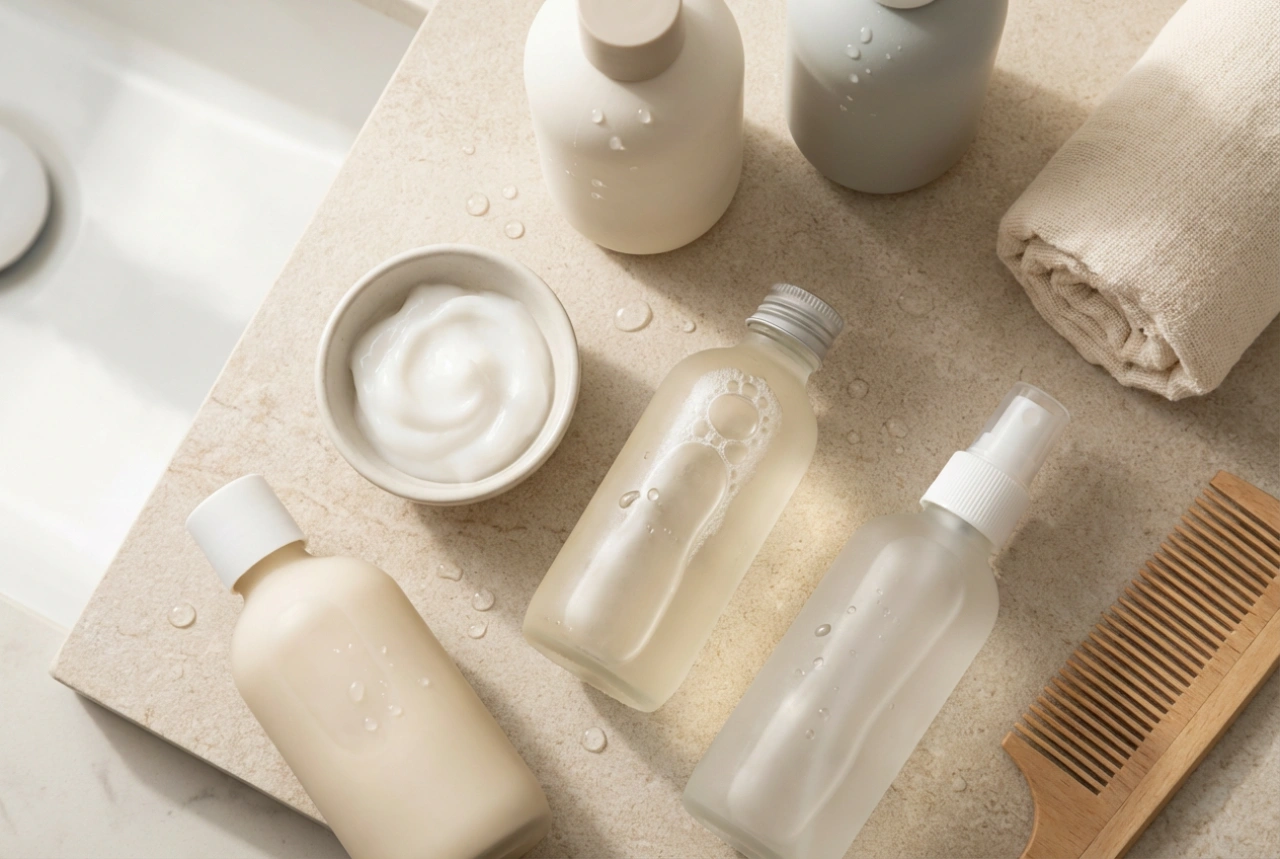
The foundation of managing oily hair is selecting a shampoo formulated for your specific needs. The goal is to cleanse away excess oil and impurities without stripping the scalp and causing irritation. Look for products with clear, lightweight formulas rather than creamy, heavy ones.
Beneficial Ingredients to Look For
When selecting a shampoo, seek out ingredients known for their balancing and clarifying properties. These often include:
- Gentle Cleansing Agents: Look for cleansers that effectively remove oil without being excessively harsh.
- Natural Extracts: Ingredients like tea tree, nettle, rosemary, citrus extracts, and mint are often included in formulas for oily hair. They are known for their refreshing and purifying qualities that can help balance the scalp.
- Salicylic Acid: In cosmetic formulations, this ingredient can help gently exfoliate the scalp, removing dead skin cells and product buildup that can trap oil.
Ingredients to Use with Caution
Certain ingredients can sometimes exacerbate the problem for oily hair types. It’s often beneficial to avoid shampoos that are heavily enriched with silicones, heavy oils, or butters. While these are excellent for dry or damaged hair, they can weigh down fine, oily hair and contribute to a greasy feeling even after washing.
Perfecting Your Hair Washing Technique
How you wash your hair is just as important as what you wash it with. Adopting the right technique can make a significant difference in how long your hair stays fresh.
Frequency and Temperature
The debate on how often to wash oily hair is ongoing. The best approach is to listen to your hair. If it feels greasy, it's time to wash it. Washing daily with a gentle, appropriate shampoo is perfectly fine and often necessary. Use lukewarm water instead of hot water, as high temperatures can stimulate the sebaceous glands to produce more oil.
Application and Rinsing
Follow these steps for an effective wash:
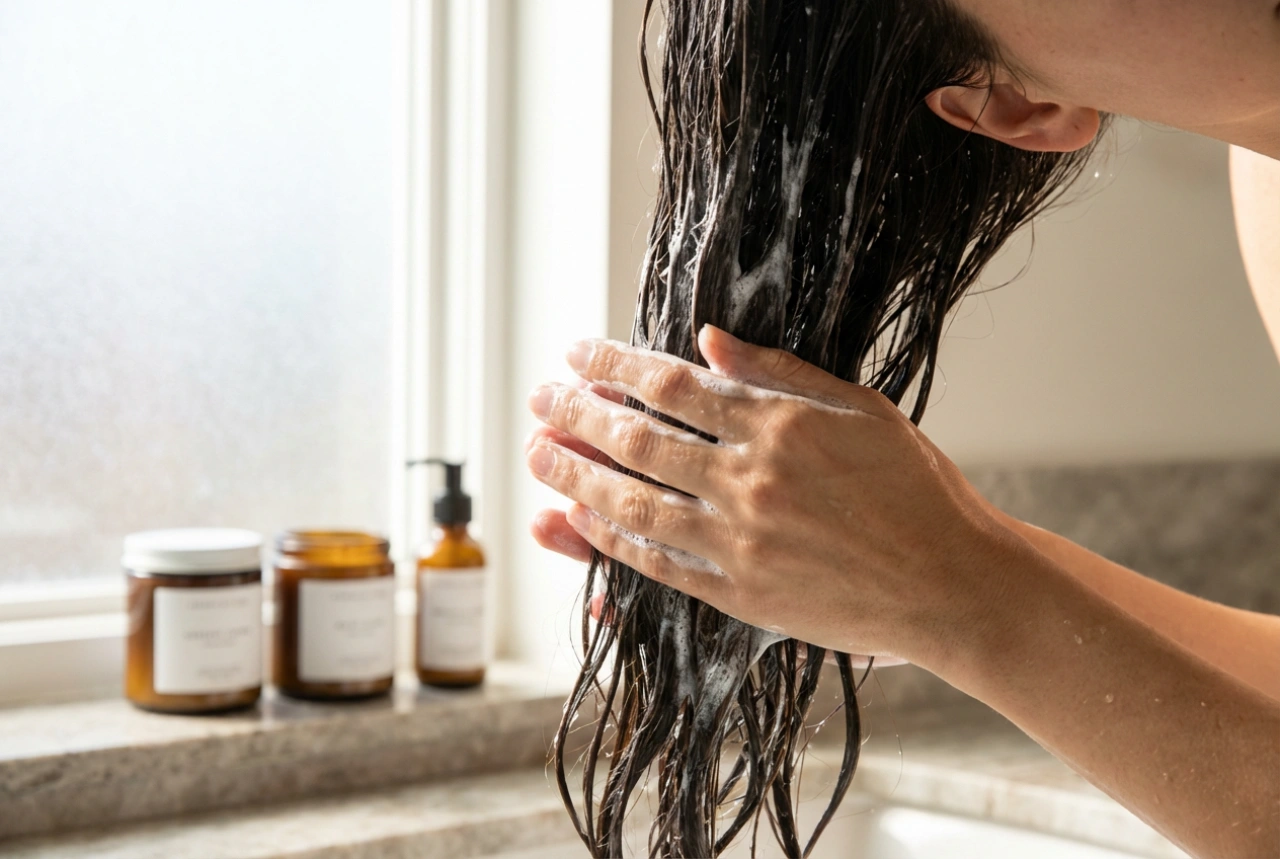
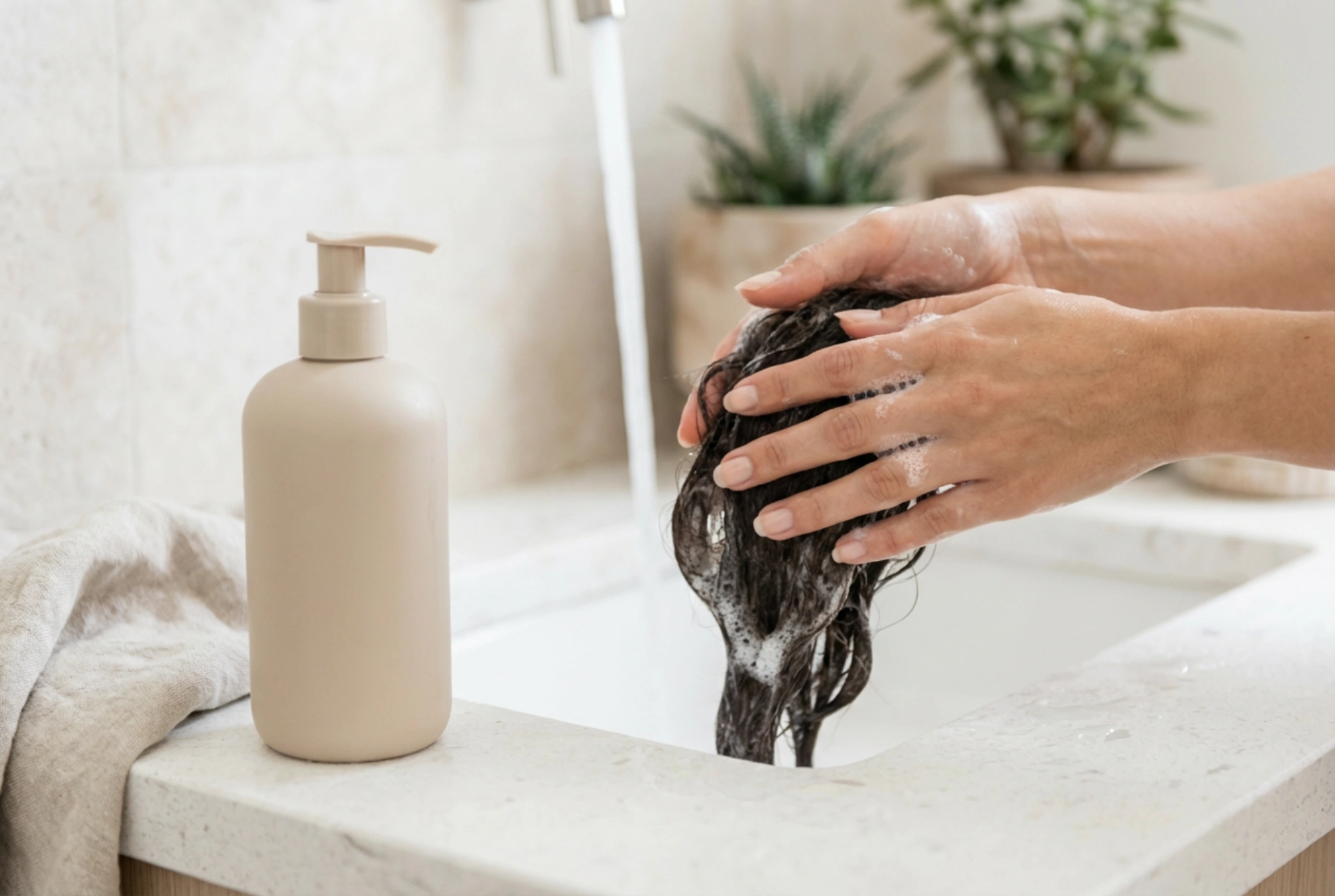
- Focus the shampoo primarily on your scalp and roots, where the oil is concentrated.
- Use your fingertips (not your nails) to gently massage the shampoo into your scalp for a minute or two. This helps to break down oil and stimulate circulation.
- Allow the suds to run down the lengths of your hair as you rinse. There is usually no need to scrub the ends, which are typically drier.
- Rinse thoroughly. Any leftover product residue can weigh hair down and make it look dull and greasy faster.
Beyond Shampoo: Supporting a Balanced Scalp
Your routine doesn’t end with shampoo. Applying conditioner correctly is crucial; concentrate it on the mid-lengths and ends of your hair, avoiding the scalp area entirely. Additionally, regularly clean your hairbrushes and combs to prevent the redistribution of oil, styling products, and dirt back onto your clean hair. Finally, try to minimise touching your hair throughout the day, as this transfers oils from your hands to your hair strands.