

Feeling confident and comfortable, especially during the summer or on holiday, often starts with personal grooming routines that make us feel our best. One common area of focus is the bikini line. If you're new to this or prefer a more natural look, standard bikini line hair removal is an excellent starting point. It's a simple way to ensure a neat, tidy appearance in swimwear without removing too much hair. This guide will walk you through what it involves, the best at-home methods, and how to care for your skin.
What is Standard Bikini Line Hair Removal?
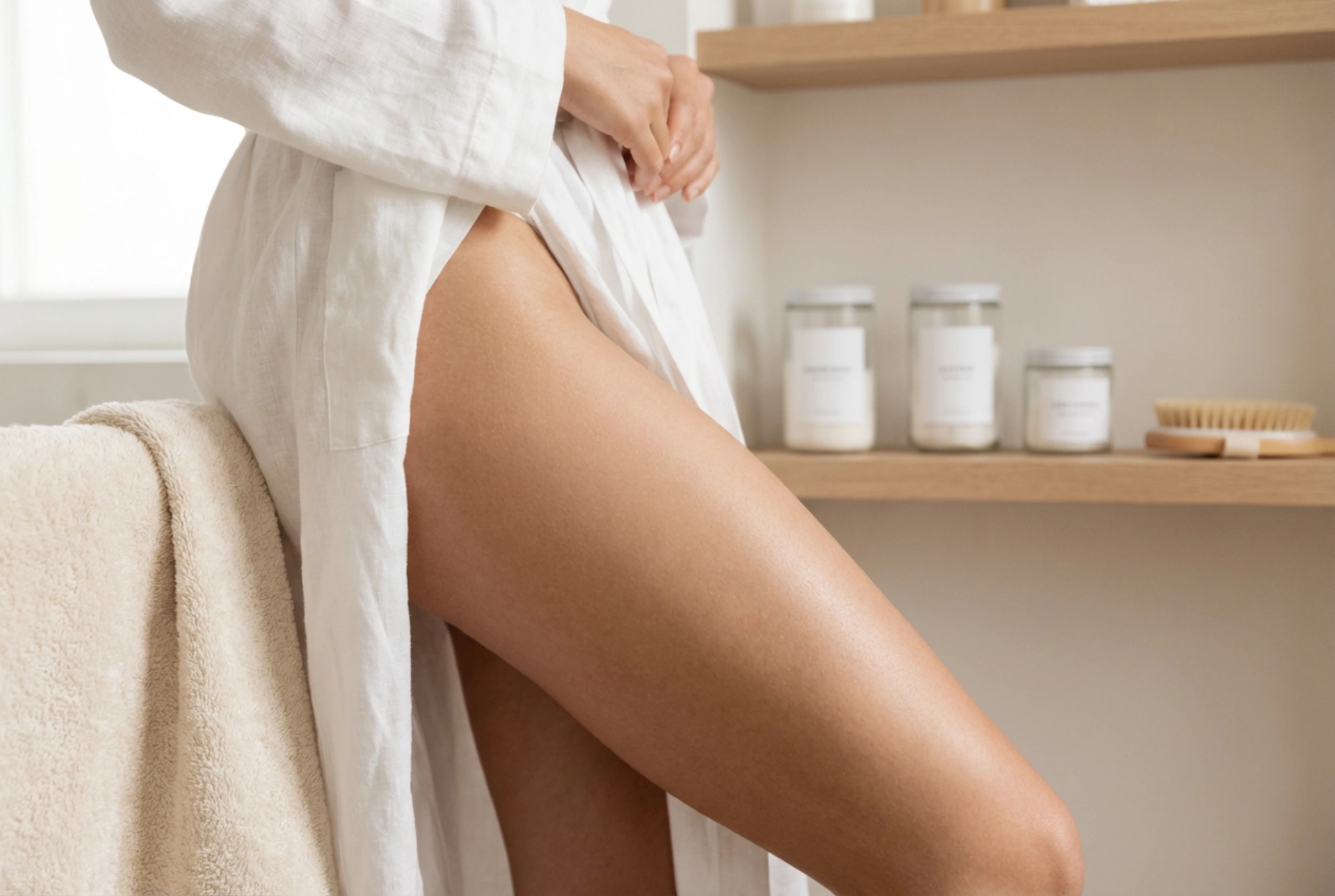
Often called a 'shallow' or 'classic' bikini wax, this method focuses on removing only the hair that would be visible from outside a standard pair of bikini bottoms. It's the most basic form of bikini grooming. The process typically involves removing hair from the upper inner thighs and tidying the sides to create a clean line. Sometimes, a small amount of hair may be trimmed from the top to ensure nothing peeks out above the waistband. It's a discreet and straightforward choice for anyone looking for a clean-up rather than extensive hair removal.
Popular At-Home Hair Removal Methods
Choosing the right method depends on your pain tolerance, skin sensitivity, and how long you want the results to last. Here are the most common at-home options for the bikini line.
Shaving
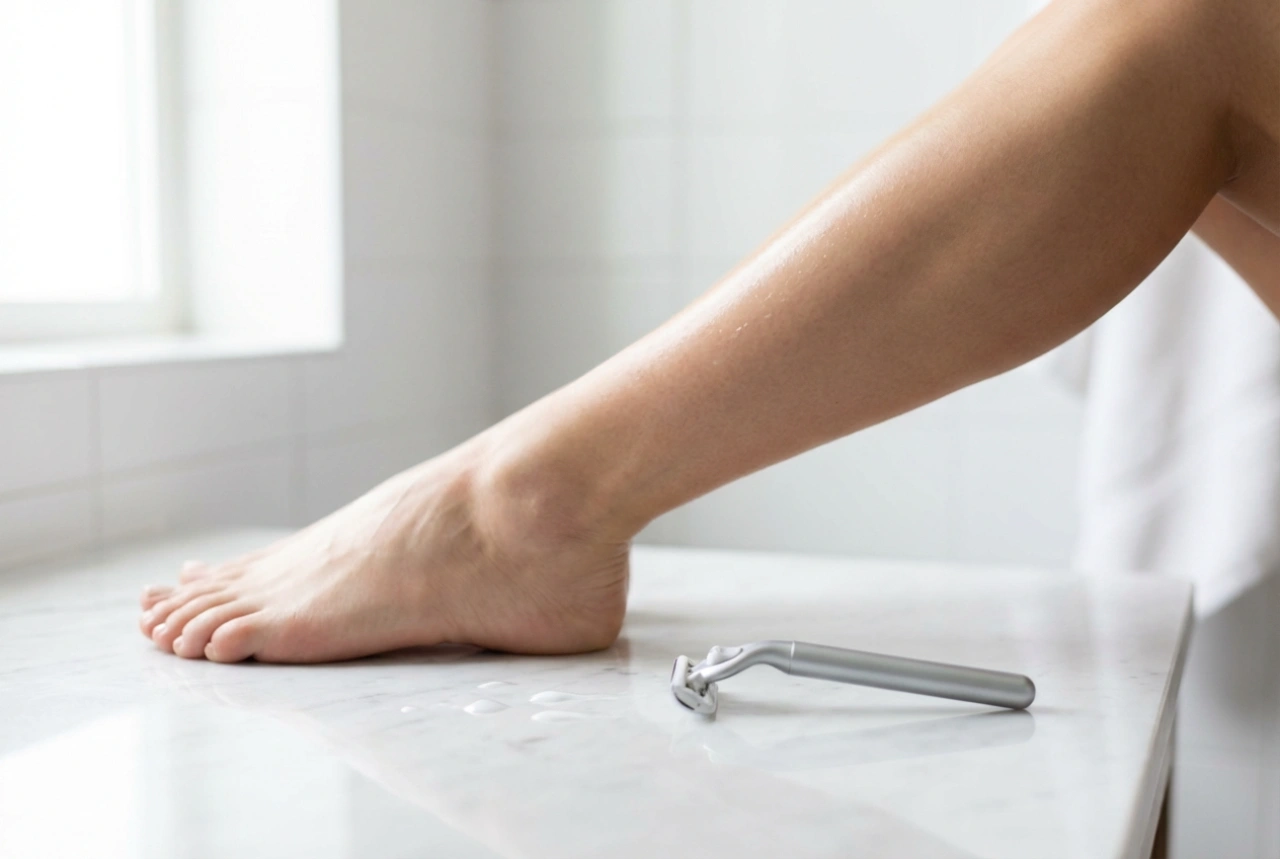
Shaving is one of the quickest and most accessible methods. It's painless when done correctly and can be easily incorporated into your shower routine. However, the results are short-lived, typically lasting only a day or two, and there is a risk of razor burn, nicks, and ingrown hairs if not done with care.
- Tips for Success: Always use a sharp, clean razor. Apply a lubricating shaving cream or gel to the damp skin to help the razor glide smoothly. Shave in the direction of hair growth to minimise irritation. Afterwards, rinse with cool water and apply a soothing, alcohol-free moisturiser.
At-Home Waxing
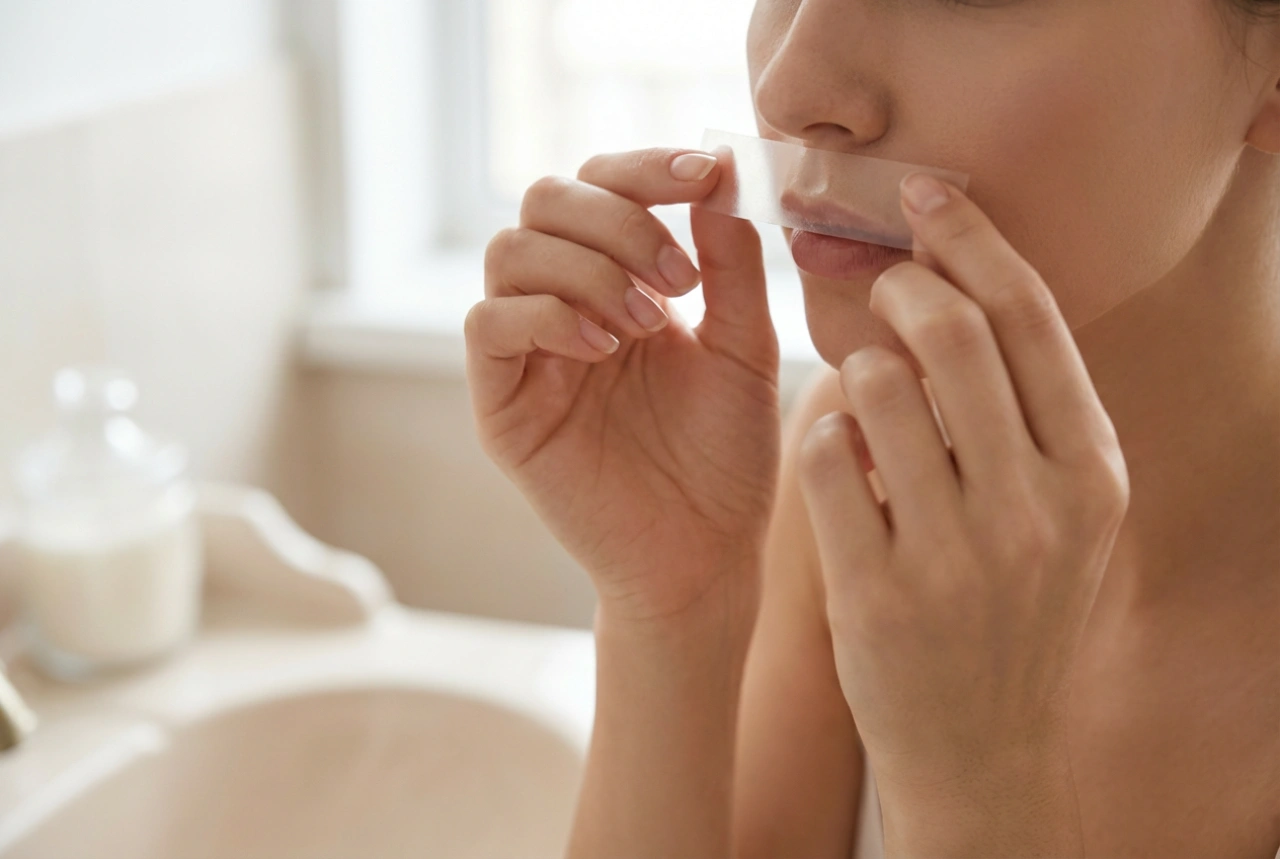
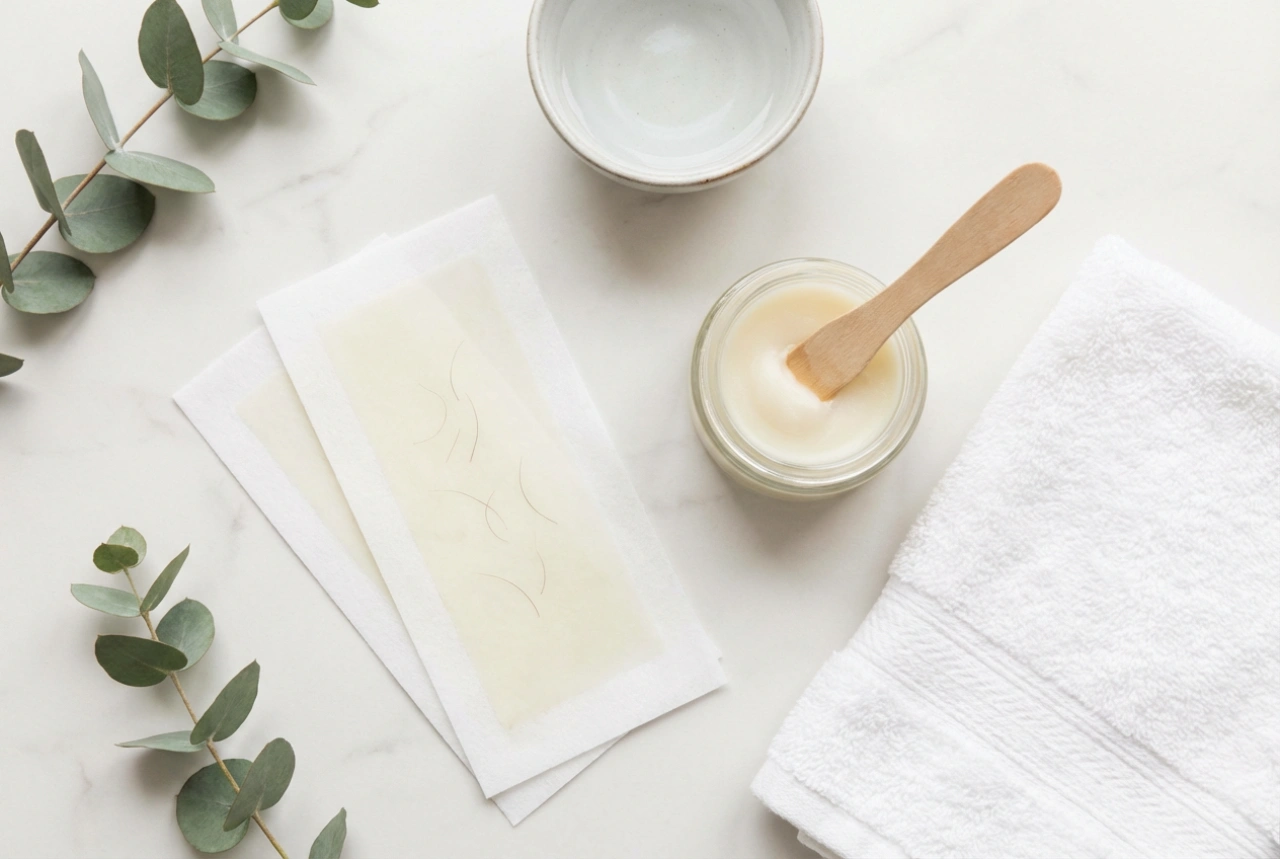
Waxing pulls the hair out from the root, providing much longer-lasting results—usually three to four weeks. Over time, many people find that their hair grows back finer and sparser. The downside is the discomfort or pain involved, especially for beginners. It also requires the hair to be a certain length (about the length of a grain of rice) for the wax to grip effectively.
- Tips for Success: Choose a wax kit designed for sensitive areas. Exfoliate the skin 24 hours before waxing. Before you begin, ensure the skin is clean and completely dry. Hold the skin taut with one hand and pull the wax strip off quickly in the opposite direction of hair growth. Apply a post-wax oil to remove any residue and soothe the skin.
Depilatory Creams
Depilatory creams offer a painless alternative to both shaving and waxing. These creams use chemicals to dissolve hair at the skin's surface. The results last longer than shaving but not as long as waxing. The main drawbacks are the potential for chemical skin irritation and the distinct odour many of these products have.
- Tips for Success: It is crucial to perform a patch test on a small area of skin 24-48 hours before full application to check for any adverse reactions. Apply the cream evenly, being careful to cover all the hair. Leave it on only for the time specified in the instructions—never longer. Rinse it off thoroughly with lukewarm water and pat the skin dry.
Essential Preparation and Aftercare
Proper skin care before and after hair removal is key to achieving a smooth, irritation-free result and preventing common issues like ingrown hairs.
Before Hair Removal
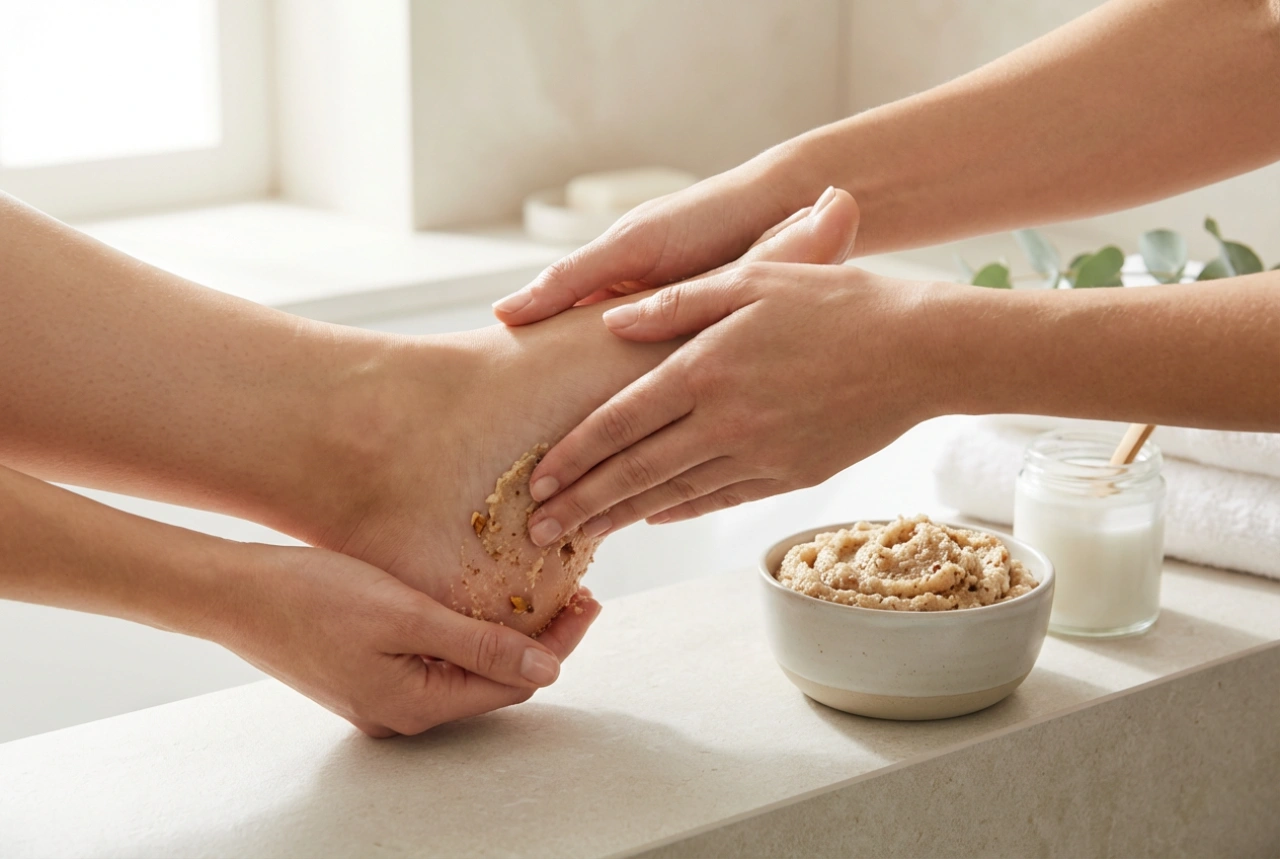
Gently exfoliate the bikini area with a soft scrub or cloth 24 hours before your planned hair removal session. This helps to remove dead skin cells and allows for a closer shave or a more effective wax. Right before you start, wash the area with a mild, fragrance-free soap and ensure it's completely dry.
After Hair Removal
Immediately after hair removal, the skin is often sensitive. Wear loose-fitting, breathable cotton underwear to avoid friction. For the next 24-48 hours, avoid hot baths, saunas, swimming pools, and intense exercise that could cause sweating and irritation. Apply a gentle, soothing lotion without fragrance or alcohol. A few days later, you can begin to exfoliate regularly (2-3 times a week) to help prevent ingrown hairs from forming as the hair regrows.