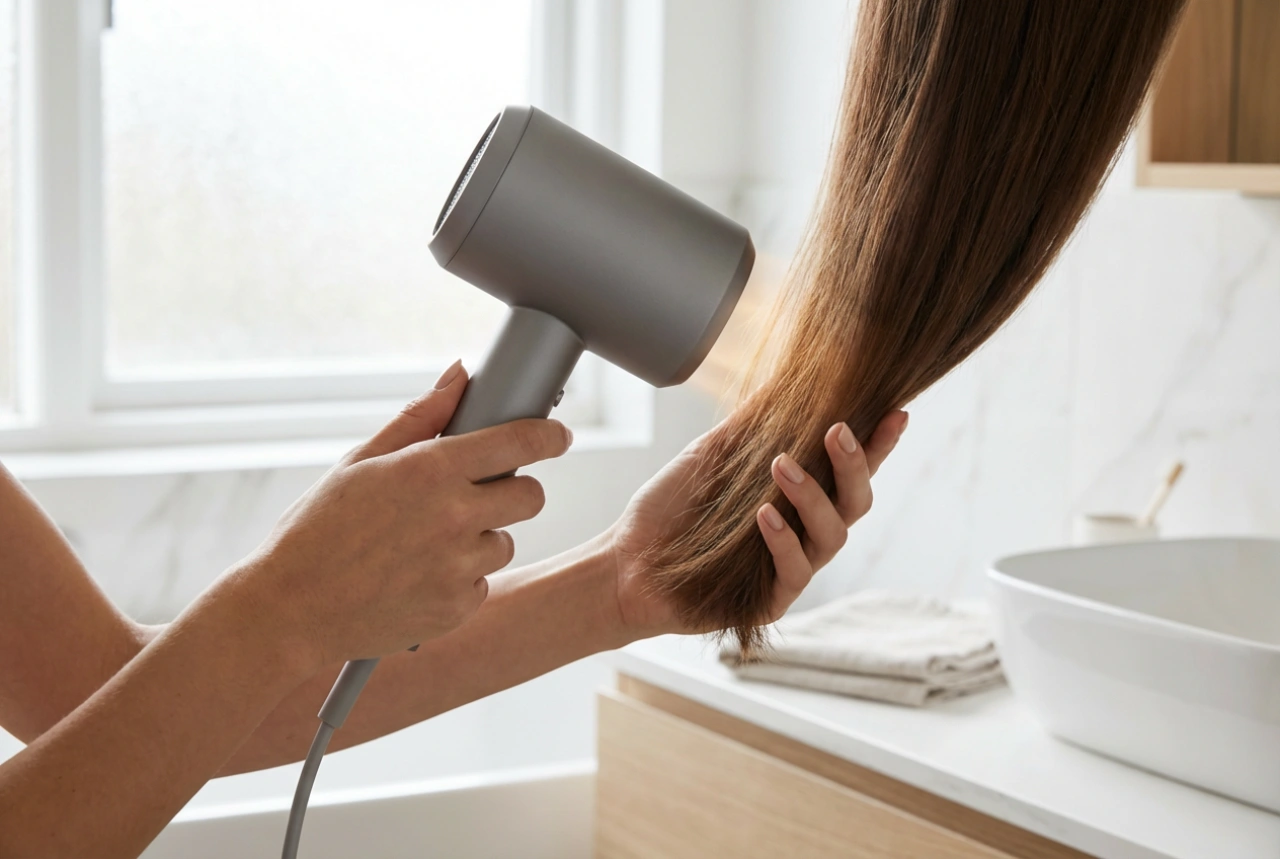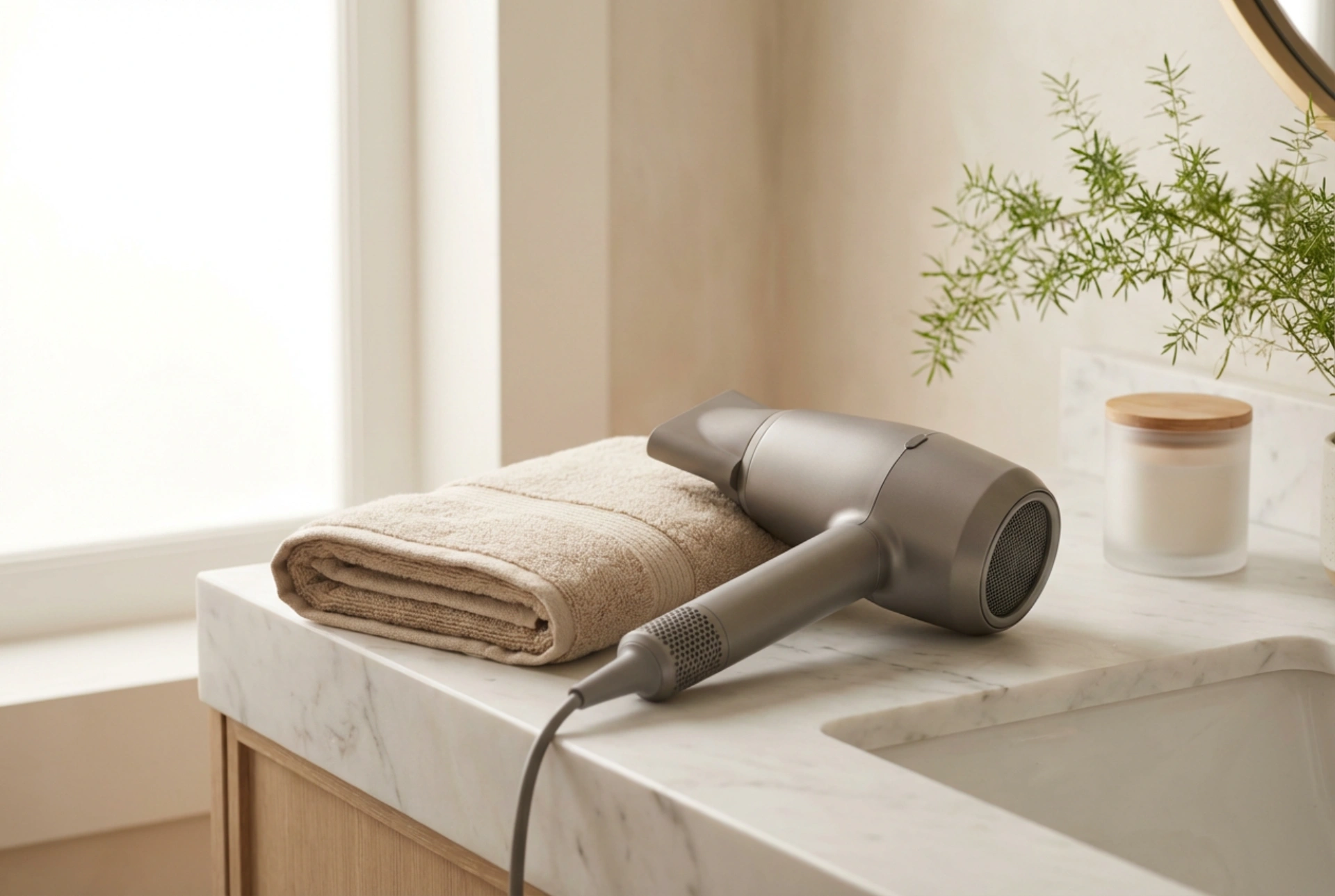


A calm, considered beauty routine is a wonderful way to start or end the day. Yet, this peaceful moment is often shattered by the loud roar of a conventional hair dryer. For those who value a tranquil environment, the noise can be a significant source of disruption, not just for you but for everyone else in the household. Fortunately, advancements in beauty technology mean that powerful drying doesn't have to be noisy. Choosing a quieter hair dryer can transform your styling experience, making it a more serene and enjoyable ritual.
What Makes a Hair Dryer Quiet?
The noise level of a hair dryer is measured in decibels (dB). A typical hair dryer can operate at around 80-95 dB, which is comparable to the sound of a busy street. Quiet models aim for levels below 75 dB, with some advanced options dipping even lower. The reduction in noise is achieved through a combination of thoughtful design and superior components. The type of motor, the shape of the fan blades, and the quality of the internal insulation all play a crucial role in muffling sound without sacrificing performance. By understanding these elements, you can make a more informed choice.
Key Features to Look for in a Quiet Appliance
When searching for a hair dryer that promises a quieter operation, several technical aspects are worth paying attention to. These features not only contribute to noise reduction but often indicate a higher-quality, more durable, and more efficient appliance overall.
Brushless Motors
Traditionally, many hair dryers used DC or AC motors, which rely on carbon brushes that create friction and, consequently, noise. Modern, high-end hair dryers are increasingly equipped with brushless motors. These motors use magnets and electronics to generate motion, which dramatically reduces friction, noise, and wear and tear. As a result, hair dryers with brushless motors are not only significantly quieter but also tend to be lighter and have a much longer lifespan.
Aerodynamic Design and Insulation
The way air moves through the hair dryer's casing has a huge impact on the sound it produces. Manufacturers of quiet models invest heavily in aerodynamic engineering to ensure the airflow is as smooth and turbulence-free as possible. Look for appliances with optimised internal pathways and specially designed fan blades that cut through the air more efficiently. Additionally, high-quality acoustic insulation material fitted inside the casing helps to absorb sound vibrations from the motor before they can escape, further dampening the overall noise level.
Multiple Speed and Heat Settings
A hair dryer with a variety of settings gives you more control over your styling, and it can also help you manage noise. Operating the dryer on a lower speed setting will naturally be quieter than using it at full power. For many hair types, especially fine or partially dry hair, a lower airflow is perfectly sufficient and much more pleasant to the ears. The ability to reduce the heat independently also helps protect your hair from unnecessary damage.
Tips for a Quieter Hair Drying Routine
Even if you don't have a specialised quiet hair dryer, you can adopt certain habits to minimise noise during styling. These simple adjustments can make a noticeable difference to your environment.
- Towel Dry First: The less time you need to use your hair dryer, the less noise you'll have to endure. Gently squeeze and pat your hair with a highly absorbent microfibre towel to remove as much excess water as possible before you even switch the dryer on. This can significantly cut down your drying time.
- Choose Your Space Wisely: Drying your hair in a small, enclosed bathroom with hard, tiled surfaces will amplify the sound. If possible, move to a larger, carpeted room like a bedroom, where soft furnishings can help absorb the sound waves, making the process seem much quieter.
- Use Attachments Correctly: Nozzle attachments, such as concentrators and diffusers, alter the airflow. A concentrator narrows the stream of air, which can sometimes increase the pitch and perceived noise. Experiment with using the dryer with and without attachments to see what feels most comfortable for you.
- Start on a Low Setting: Begin drying on the lowest speed and heat setting and only increase it if necessary. You might find that a gentler airflow is all you need, especially for the final stages of styling.
The Broader Benefits of Quiet Technology
Opting for a quieter hair dryer is about more than just personal comfort. It contributes to a more considerate household, allowing you to get ready early in the morning or late at night without disturbing sleeping family members or flatmates. Furthermore, the technology that makes these appliances quiet—such as efficient brushless motors and smart design—often correlates with other benefits. These models are frequently more energy-efficient, kinder to your hair thanks to better heat regulation, and built to last, making them a worthwhile investment in a more peaceful and sustainable beauty routine.