

Achieving a smooth and comfortable bikini line is a common beauty goal, especially during warmer months. However, the skin in this area is particularly delicate and prone to irritation, redness, and ingrown hairs. The key to successful hair removal lies in a gentle approach, combining proper preparation, the right technique, and diligent aftercare. Just as a serene skincare routine involves soothing lotions and balms, caring for your bikini area requires products and methods that calm and protect the skin, ensuring a comfortable experience and flawless results.
Preparing the Skin for Hair Removal
Proper preparation is the first and most crucial step in preventing irritation. Taking the time to prep your skin can make a significant difference in the outcome. A well-prepared surface allows for a closer, smoother hair removal process with a much lower risk of nicks, bumps, or subsequent discomfort.
Cleansing and Gentle Exfoliation
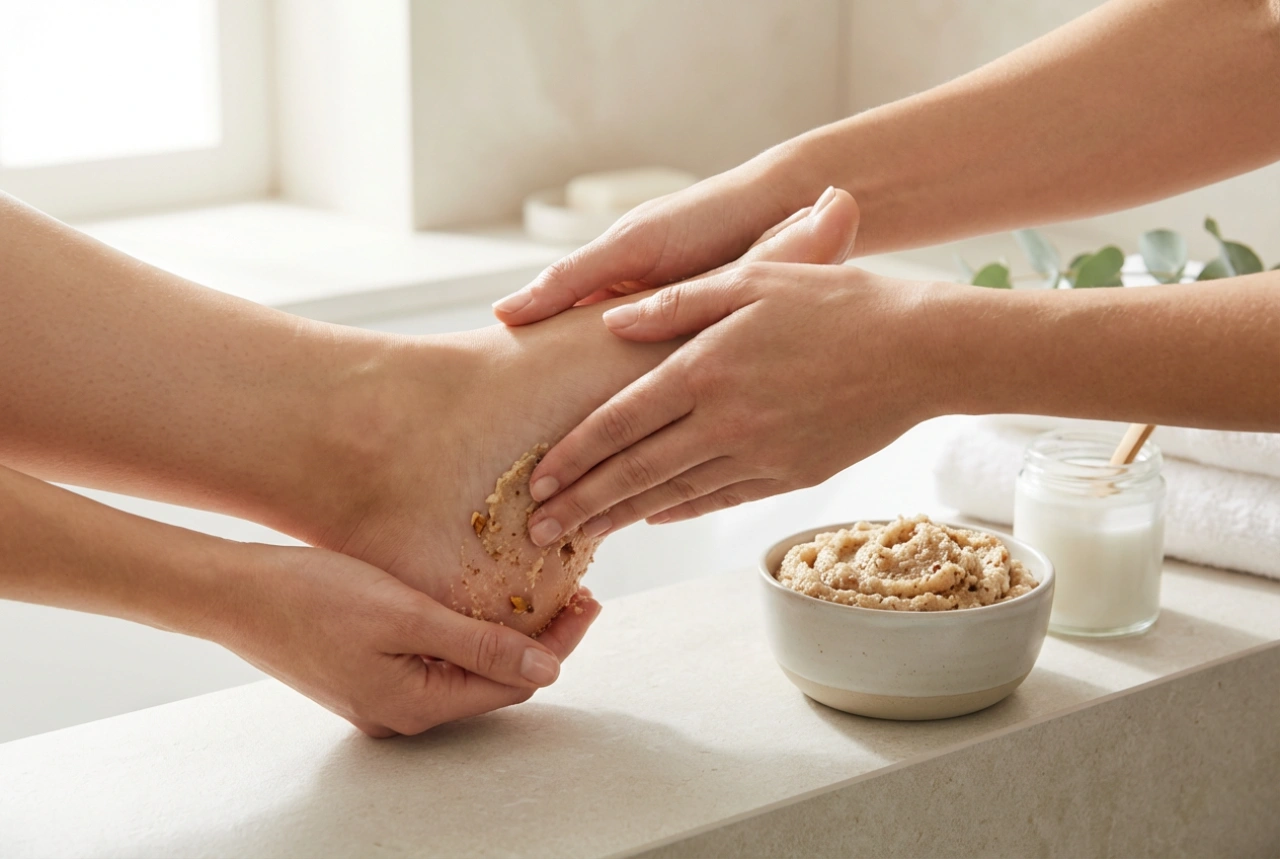
Before you begin, it's essential to cleanse the area thoroughly. Use a mild, fragrance-free wash and warm water to remove any sweat, oil, or bacteria that could lead to post-removal blemishes. After cleansing, gently exfoliate the skin one or two days before you plan to remove hair. This helps to slough off dead skin cells that can clog hair follicles and trap hairs, which is a primary cause of ingrowns. Use a soft washcloth or a gentle scrub in circular motions. Avoid harsh exfoliation right before hair removal, as this can make the skin overly sensitive.
Soften the Hair and Skin
Softening the hair makes it much easier to remove. Soaking in a warm bath or taking a warm shower for 5-10 minutes before hair removal will open up the pores and soften the hair follicles. This allows the razor to glide more smoothly or a depilatory cream to work more effectively, reducing the need for repeated passes and minimising friction on the skin.
Gentle Hair Removal Methods for Home Use
Not all hair removal methods are suitable for the delicate bikini area. Choosing a gentle technique that works for your skin type is essential for avoiding adverse reactions. It's always a good idea to perform a patch test with any new product 24-48 hours before full application.
Careful Shaving
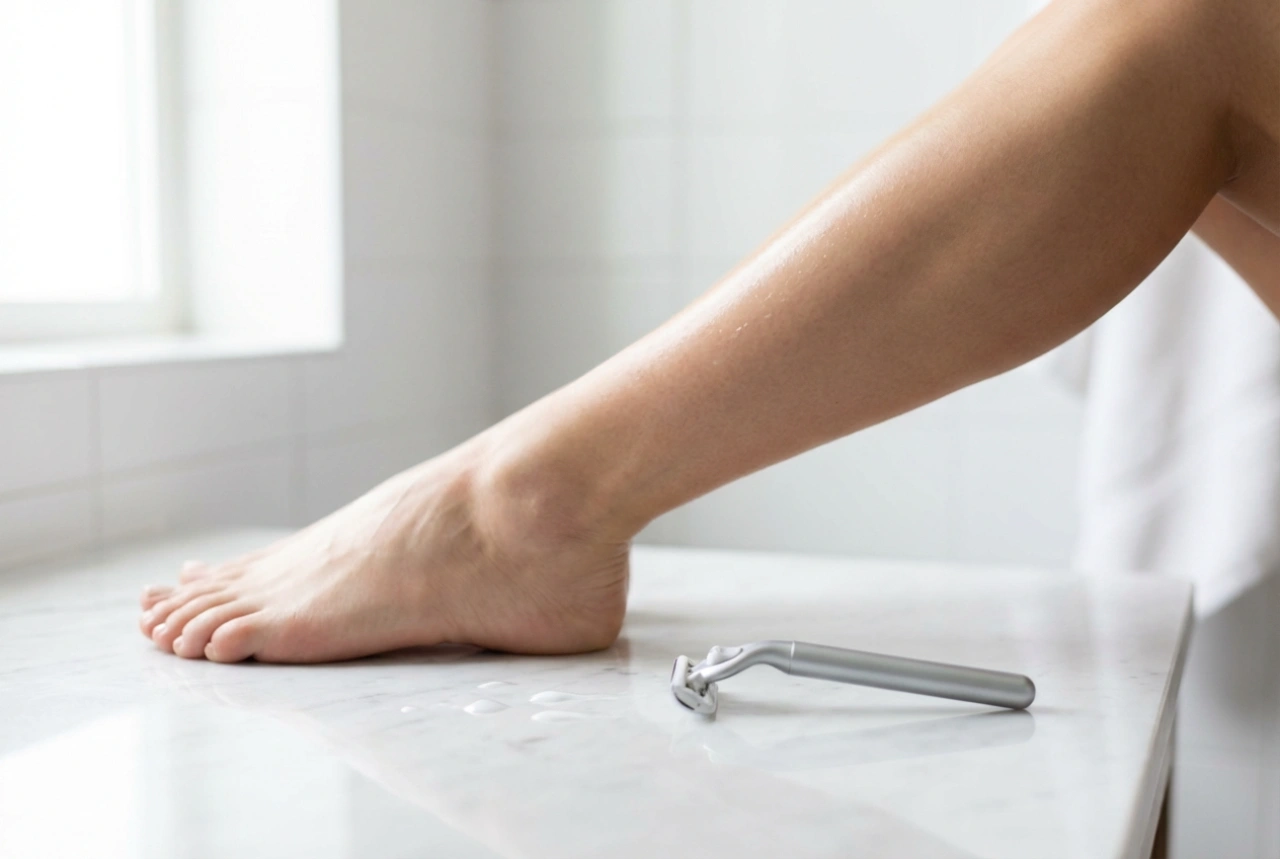
Shaving is one of the most common methods, but it must be done correctly to avoid razor burn and bumps. Always use a sharp, clean razor; a dull blade will tug at the hair and scrape the skin. Apply a generous layer of shaving cream, gel, or oil specifically designed for sensitive skin to create a protective barrier. Shave in the direction of hair growth to minimise irritation. While shaving against the grain provides a closer shave, it significantly increases the risk of ingrown hairs and razor burn in this sensitive zone. Rinse the blade after every stroke to keep it clean and effective.
Trimming
For those with extremely sensitive skin or who simply prefer a neatened look over complete smoothness, trimming is an excellent, irritation-free option. You can use a pair of small, clean scissors or an electric trimmer with a safety guard. Trimming the hair short prevents the friction and potential for ingrown hairs associated with methods that remove hair from the root or below the skin's surface. It's a quick, painless, and safe way to maintain the area.
Depilatory Creams for Sensitive Skin
Depilatory creams work by dissolving hair at the skin's surface. Modern formulas are often enriched with soothing ingredients like aloe vera and vitamin E. When choosing a cream, ensure it is explicitly labelled for use on the bikini line or for sensitive skin. Never use a cream designed for the legs or body on this delicate area. Perform a patch test on a small patch of skin first. Apply the cream as directed, never leaving it on for longer than the recommended time, and rinse thoroughly with lukewarm water.
Essential Post-Hair Removal Care
What you do after hair removal is just as important as the process itself. Aftercare is focused on soothing the skin, replenishing moisture, and preventing irritation from developing in the hours and days that follow.
Soothing and Moisturising
Immediately after removing hair, rinse the area with cool water to help close the pores and calm the skin. Gently pat the skin dry with a clean, soft towel—never rub. Apply a fragrance-free, alcohol-free moisturiser or a soothing balm. Look for products containing ingredients like aloe vera, chamomile, panthenol, or allantoin, which are known for their calming and anti-inflammatory properties. This will help to reduce redness and restore the skin's natural moisture barrier.
Preventing Irritation and Ingrown Hairs
For the first 24-48 hours after hair removal, it's best to wear loose-fitting clothing and cotton underwear to allow the skin to breathe and prevent friction. Avoid activities that cause excessive sweating, as well as hot baths, saunas, and chlorinated swimming pools, as these can irritate the freshly treated skin. A few days after hair removal, you can resume gentle exfoliation two to three times a week to help prevent the build-up of dead skin cells and ensure new hairs can grow out freely without becoming trapped.