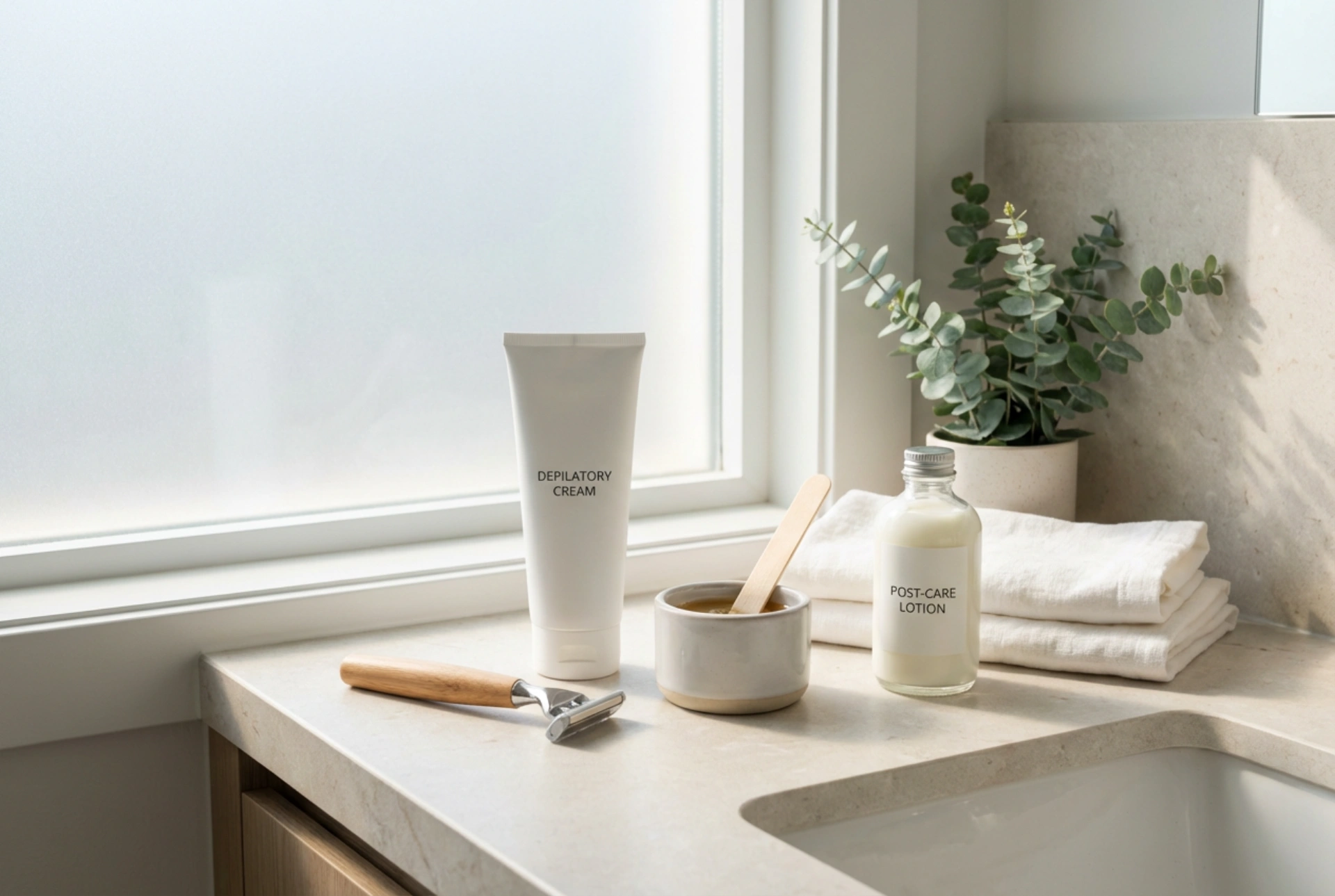


Achieving beautifully smooth legs is a common beauty goal, and thankfully, it's something you can easily accomplish in the comfort of your own home. With a variety of methods available, from the classic razor to creams and waxes, you can choose the technique that best suits your lifestyle and skin type. This guide will walk you through the most popular at-home leg hair removal options and, crucially, how to care for your skin afterwards to maintain that silky finish.
Preparation is Key
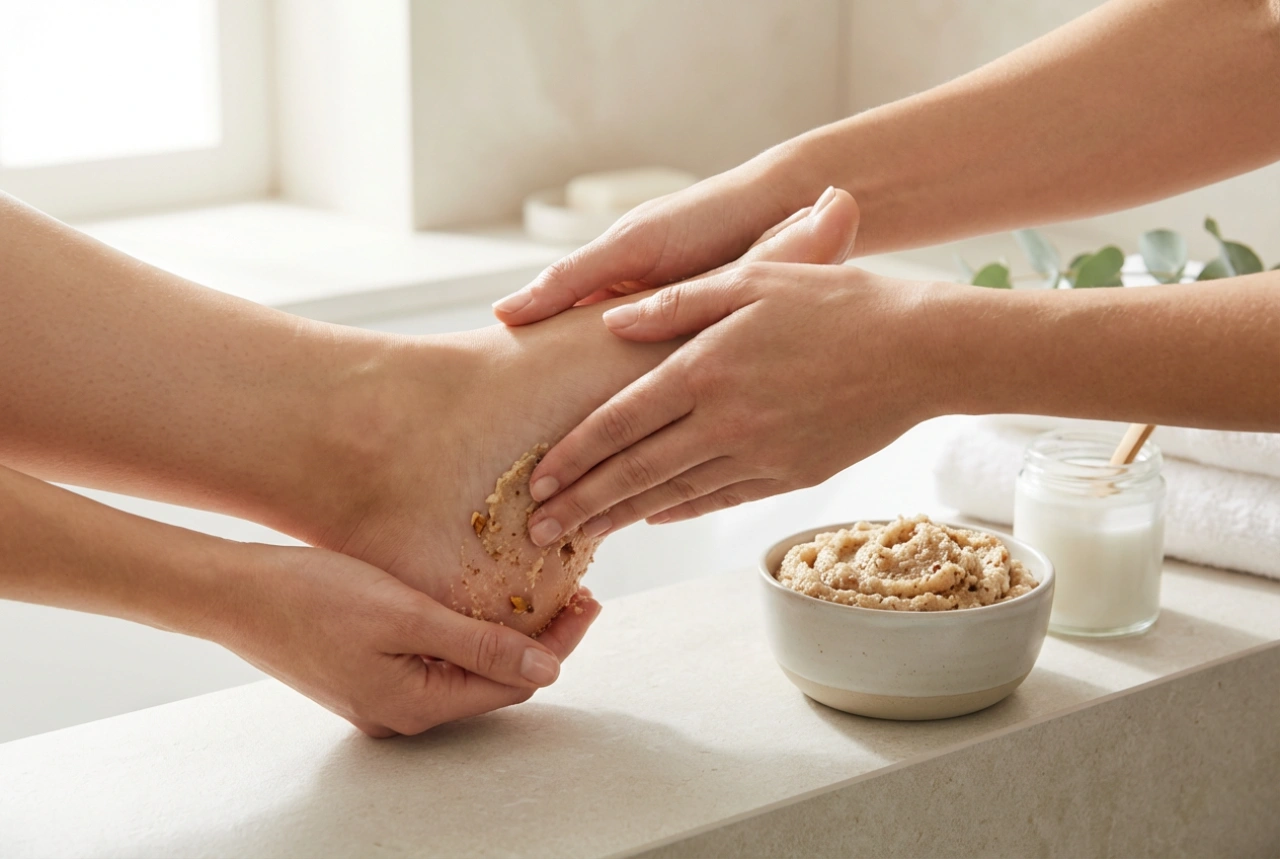
Regardless of which hair removal method you choose, proper preparation will significantly improve your results and reduce the risk of irritation. Start by gently exfoliating your legs a day or two before you plan to remove hair. This removes dead skin cells, allowing for a closer shave or better wax adhesion and helping to prevent ingrown hairs. Immediately before the process, ensure your skin is clean. A warm shower or bath can help to soften the hair and open up follicles, making removal easier.
Popular At-Home Hair Removal Methods
Shaving
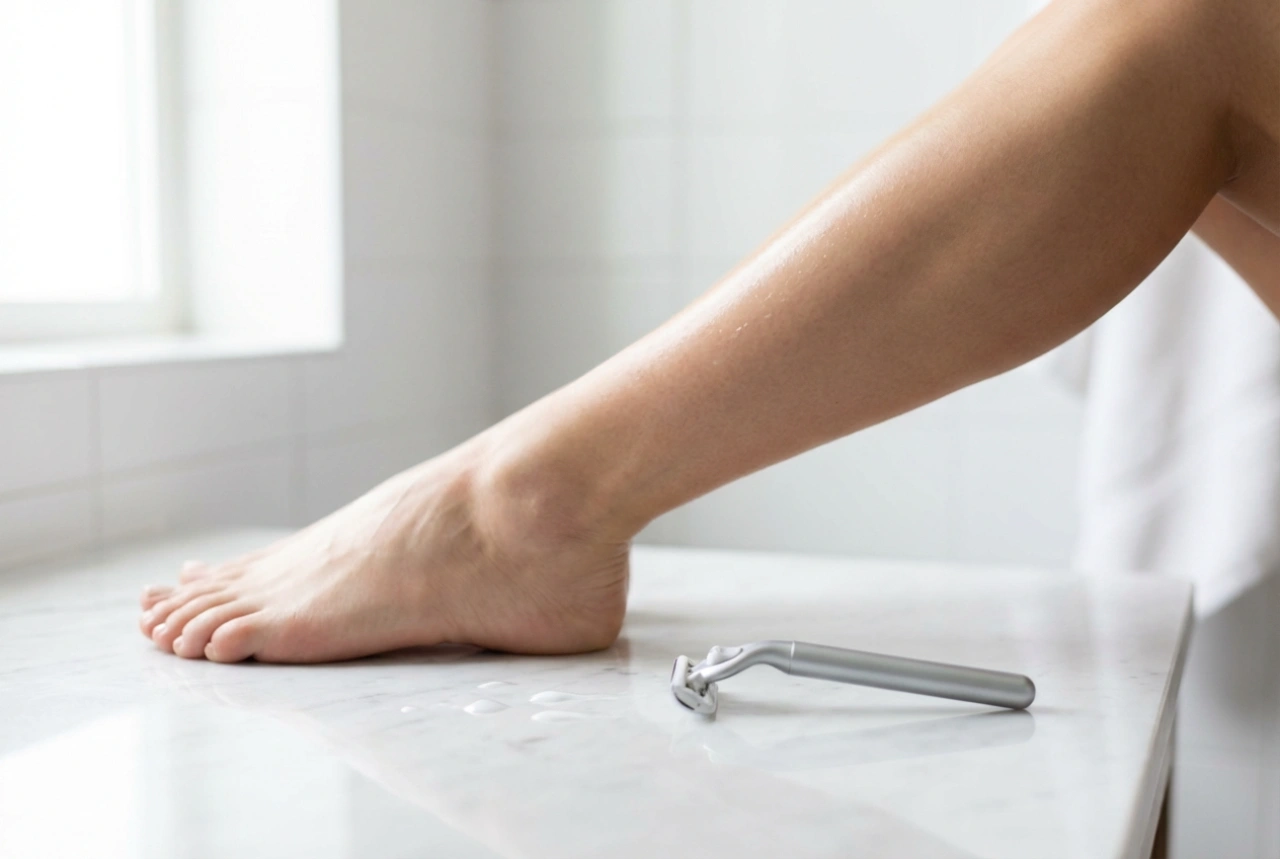
Shaving is perhaps the quickest and most common method for leg hair removal. It works by cutting the hair at the surface of the skin.
- How to do it: Always use a sharp, clean razor blade and a lubricating shaving gel or foam. Shave in the direction of hair growth to minimise irritation, or carefully against the grain for a closer finish. Rinse the blade frequently.
- Advantages: It's fast, inexpensive, and painless when done correctly.
- Considerations: The results are short-lived, as hair grows back within a day or two. There is also a risk of nicks, cuts, and razor burn if not done with care.
Depilatory Creams
Depilatory creams use chemicals to break down the protein structure of the hair, allowing it to be simply wiped away.
- How to do it: Apply a thick, even layer of the cream to the desired area, being careful not to rub it in. Leave it on for the time specified in the product instructions (usually 3-10 minutes). Always perform a patch test 24 hours beforehand to check for sensitivity. Gently remove the cream and hair with the provided spatula or a soft cloth, then rinse thoroughly.
- Advantages: This method is painless and the results can last slightly longer than shaving.
- Considerations: The chemicals can have a strong odour and may cause skin irritation or allergic reactions in some individuals.
Waxing
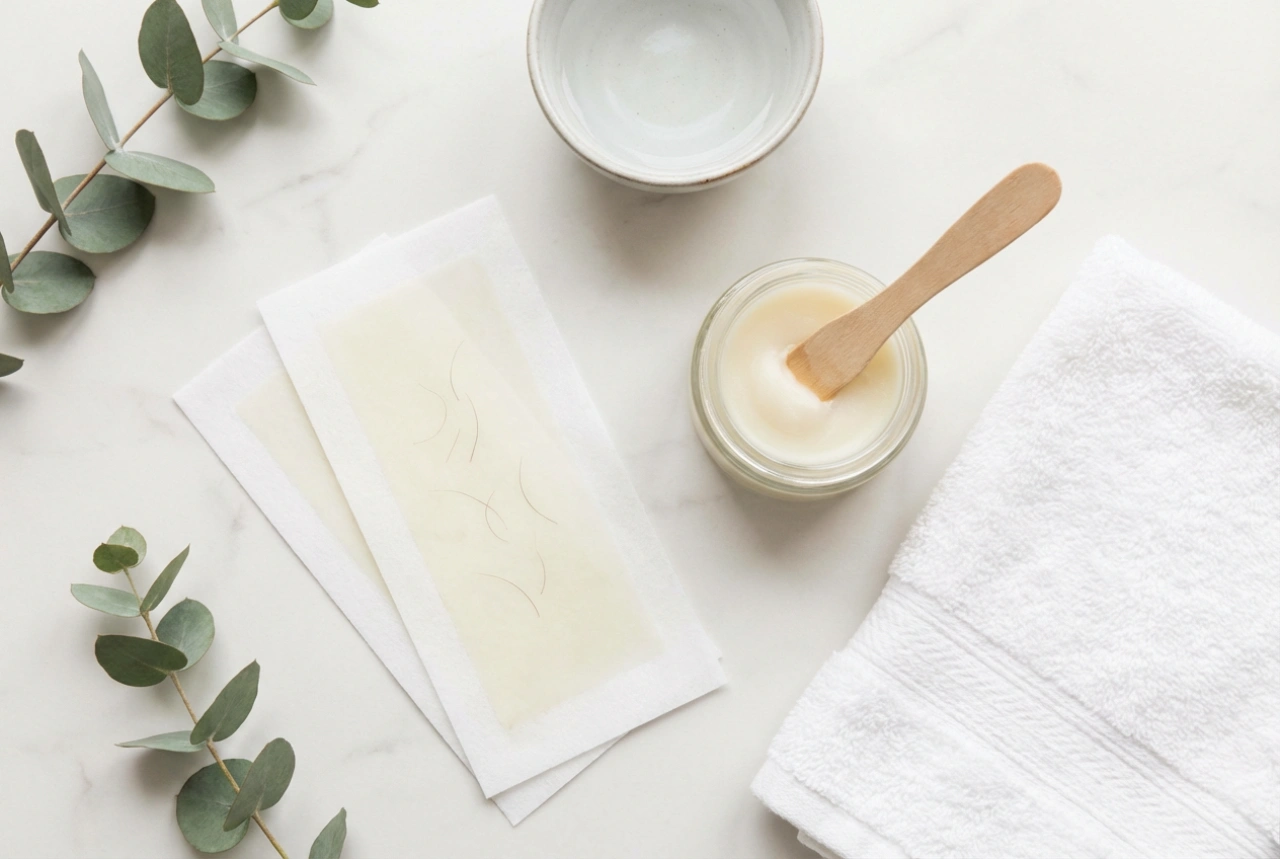
Waxing removes hair from the root, providing longer-lasting smoothness. At home, you can use pre-made wax strips (cold waxing) or a kit with wax that needs to be heated (warm waxing).
- How to do it: For cold strips, warm them between your hands, apply in the direction of hair growth, and pull off quickly against the direction of hair growth. For warm wax, apply a thin layer with a spatula in the direction of growth, place a fabric strip over it, and pull off against the grain. Your hair needs to be at least a quarter of an inch long for the wax to grip it effectively.
- Advantages: Results can last for several weeks as the hair is removed from the root.
- Considerations: Waxing can be painful, especially for beginners. It can also cause temporary redness, bumps, and potential ingrown hairs if aftercare is neglected.
Essential Post-Hair Removal Care
What you do after removing hair is just as important as the method itself. Proper aftercare soothes the skin, prevents irritation, and prolongs your smooth results.
- Soothe Immediately: After shaving, waxing, or using cream, rinse your legs with cool water to help close the pores. Gently pat your skin dry with a clean, soft towel.
- Moisturise Generously: Apply a gentle, hydrating, alcohol-free lotion or oil. Look for ingredients like aloe vera or chamomile to calm the skin and restore its moisture barrier.
- Avoid Irritants: For the first 24 hours after hair removal (especially after waxing), avoid hot baths, saunas, swimming pools, tight clothing, and direct sun exposure. This gives your skin time to recover.
- Exfoliate Regularly: A few days after hair removal, start gently exfoliating your legs 2-3 times a week. This helps to prevent dead skin cells from trapping newly growing hairs, which is a common cause of ingrown hairs.
Choosing Your Perfect Method
The best at-home hair removal method for you depends on several factors. If you need a quick, painless fix and don't mind frequent upkeep, shaving is a great choice. If you prefer longer-lasting results and can tolerate some discomfort, waxing is highly effective. Depilatory creams offer a painless middle ground between the two. Feel free to experiment with different methods (while always patch-testing) to discover what gives you the best results and fits seamlessly into your beauty routine.