

Achieving a smooth, hair-free bikini area is a personal grooming choice that can boost confidence, especially when feeling fresh and clean is a priority. Deep bikini hair removal, often called a Brazilian or Hollywood, involves removing more hair than a standard bikini line tidy-up. Success isn't just about the removal itself; it's about a complete routine of preparation, choosing a suitable method, and dedicated aftercare. This guide will walk you through the essential steps to achieve the best results comfortably and safely at home.
Preparing Your Skin for Deep Bikini Hair Removal
Proper preparation is the foundation for a smooth outcome and helps minimise common issues like irritation and ingrown hairs. Rushing this stage can lead to discomfort, so dedicating a little time beforehand is well worth the effort.
Gentle Exfoliation
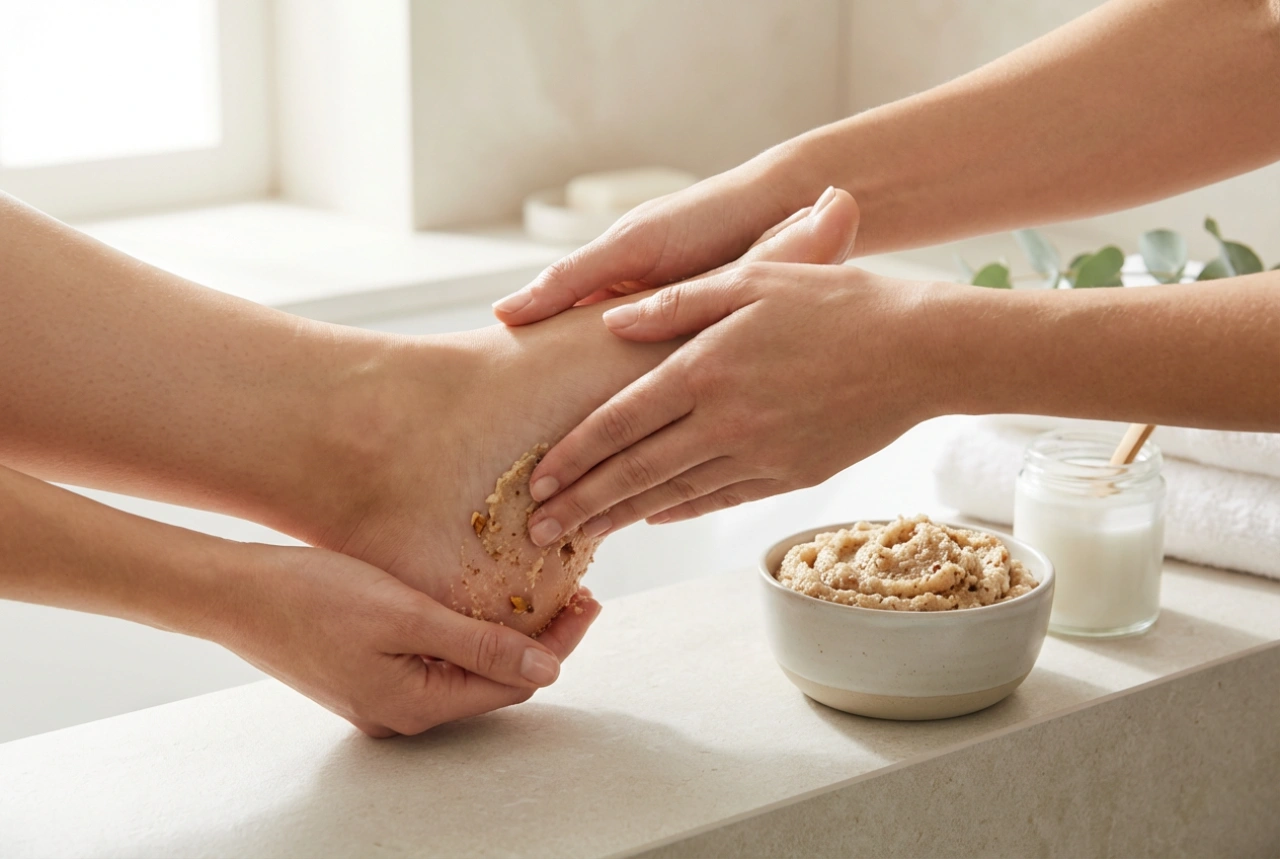
About 24 to 48 hours before you plan to remove hair, gently exfoliate the bikini area. Use a mild physical exfoliant, like a soft scrub or a washcloth, and move in gentle circular motions. This process sloughs away dead skin cells that can trap hairs, allowing for a closer, more effective removal and significantly reducing the risk of painful ingrown hairs developing later.
Cleanse and Trim
Immediately before hair removal, cleanse the area with a gentle, fragrance-free wash and warm water to remove any oils or residue. Pat the skin completely dry, as moisture can interfere with the effectiveness of methods like waxing or sugaring. If your hair is longer than about half a centimetre, it's a good idea to carefully trim it with scissors or an electric trimmer. This prevents unnecessary pulling and makes the process more efficient and less painful.
Choosing the Right Hair Removal Method
There is no single 'best' method for everyone; the ideal choice depends on your pain tolerance, skin sensitivity, budget, and desired longevity of the results. It's always wise to perform a patch test with a new product or method on a small, discreet area of skin 24 hours beforehand to check for any adverse reactions.
Shaving
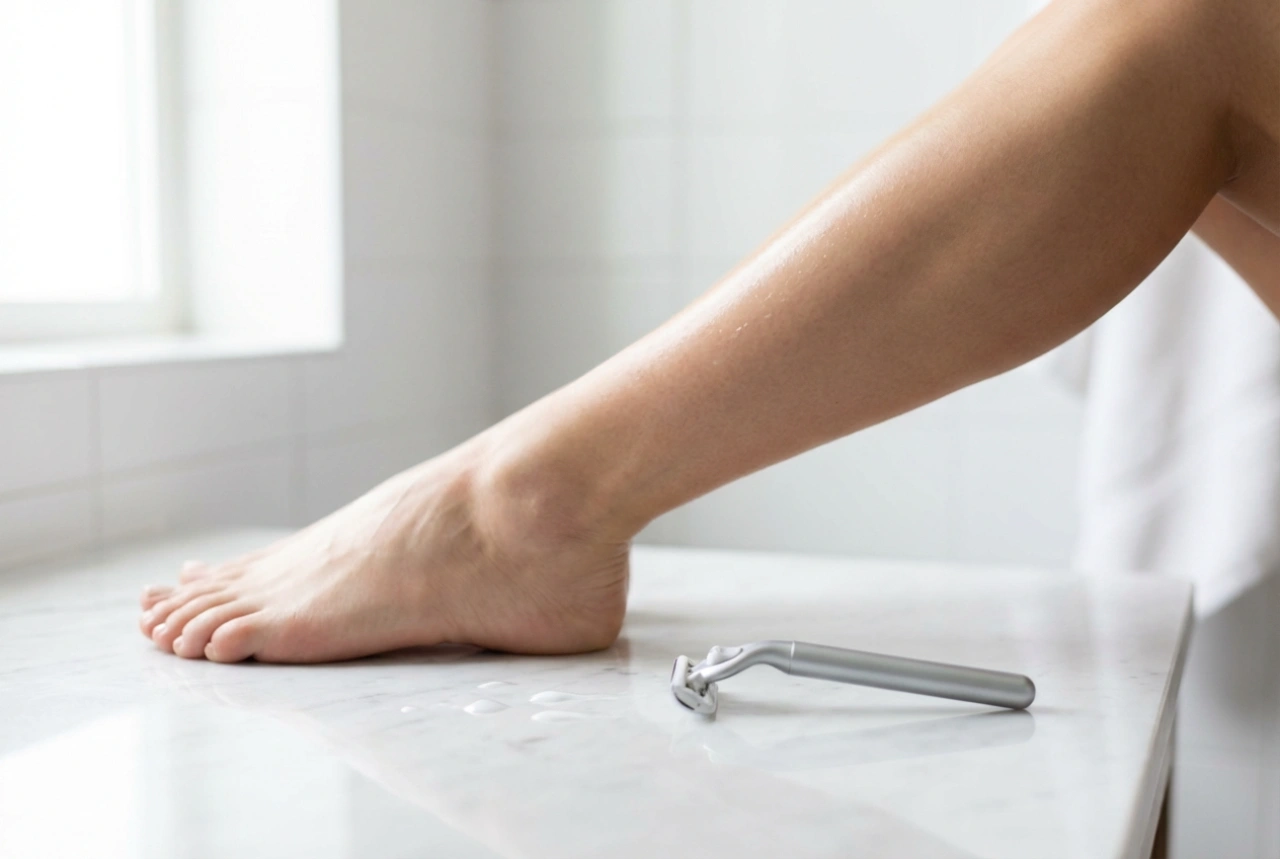
Shaving is the quickest and most accessible method. For best results, always use a sharp, clean razor and a hydrating shaving gel or cream to create a barrier and help the blade glide smoothly. Shave in the direction of hair growth to minimise irritation and razor bumps. While fast and painless, the results are short-lived as hair is cut at the skin's surface, meaning regrowth can be felt within a day or two.
At-Home Waxing or Sugaring
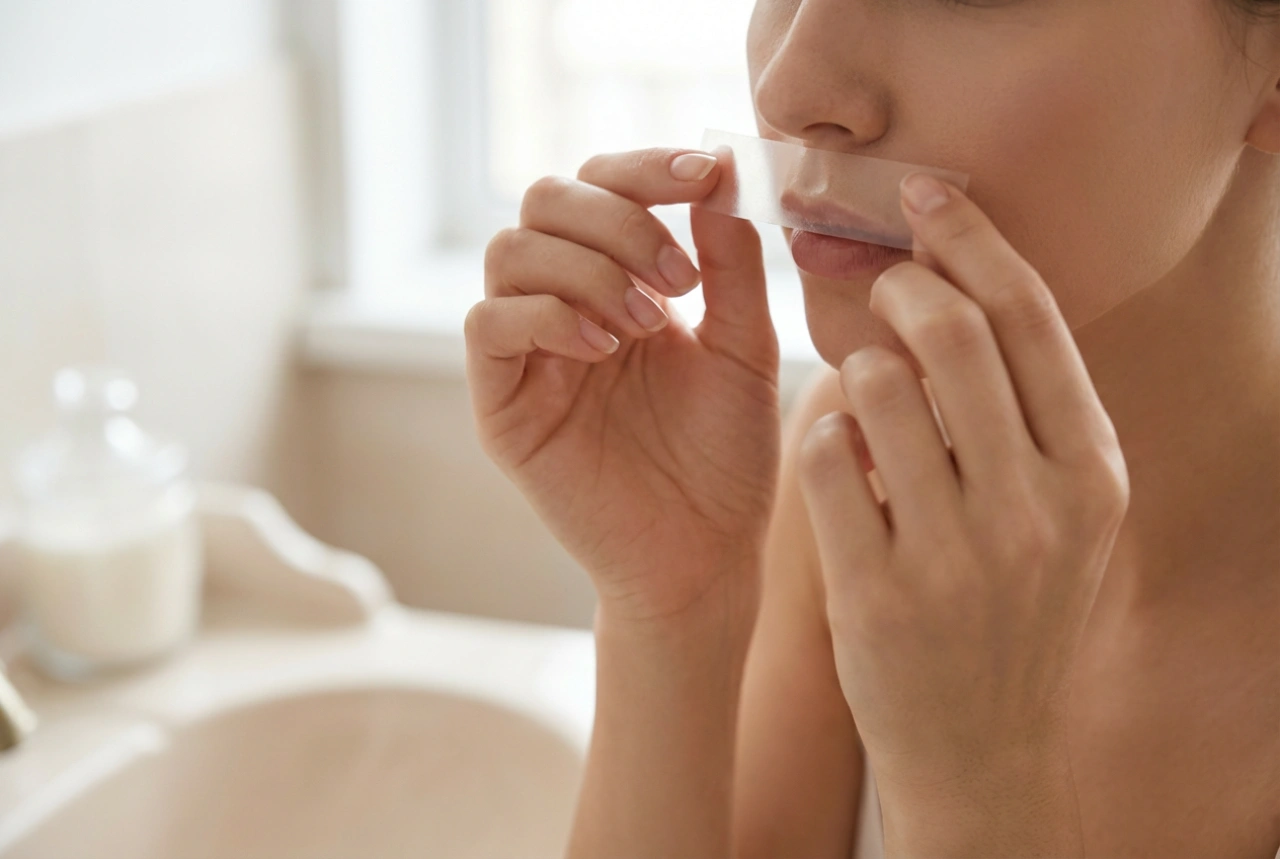
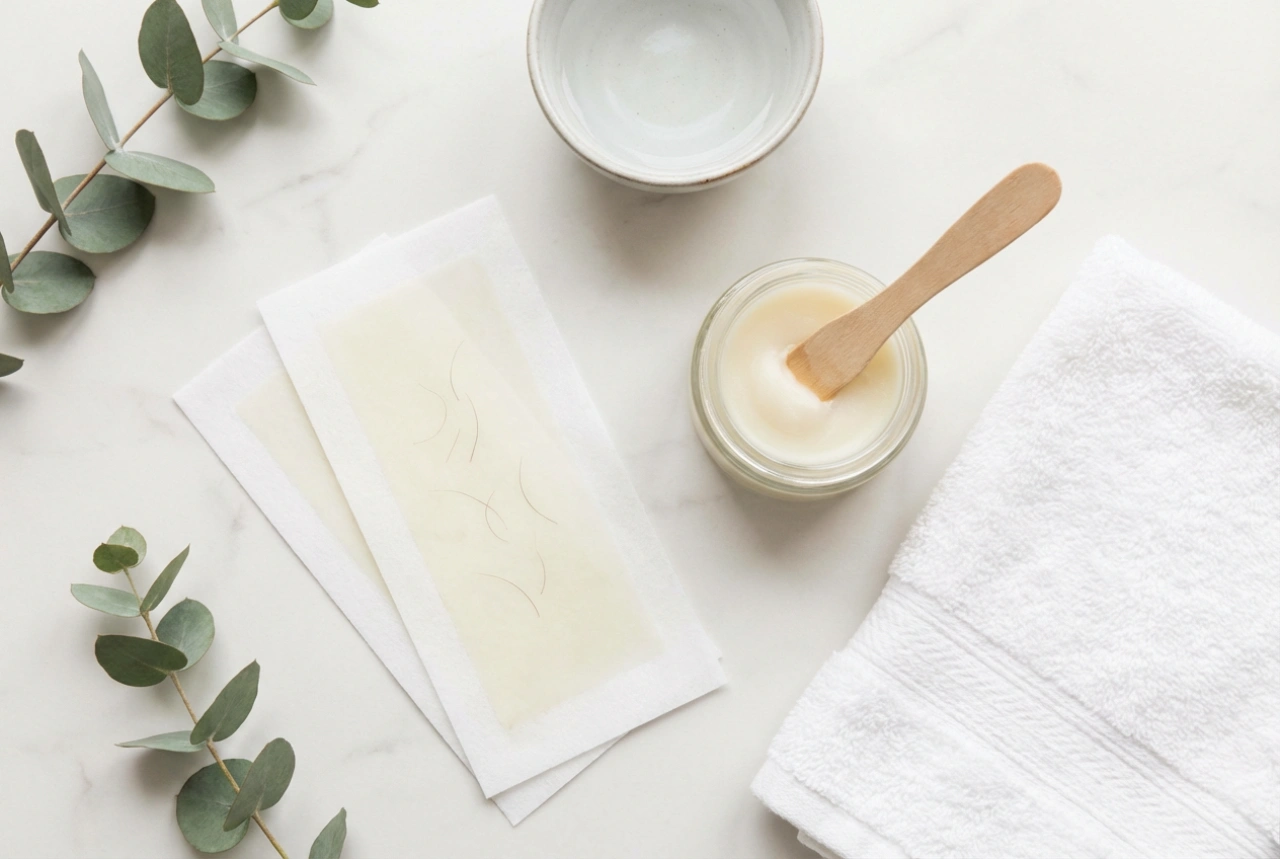
Waxing and sugaring kits for home use remove hair from the root, providing smoother results that can last for several weeks. Sugaring paste is often considered gentler as it adheres less to the skin itself. Both methods require some practice to master. It's crucial to hold the skin taut while pulling the strip or paste off quickly and parallel to the skin to avoid bruising and hair breakage.
Depilatory Creams
These creams use chemicals to dissolve hair just below the skin's surface. It's a painless method, and the results last slightly longer than shaving. However, the chemicals can be harsh and have a distinct odour. Always choose a cream specifically formulated for sensitive areas like the bikini line and never leave it on for longer than the instructions state to avoid chemical burns or severe irritation.
Essential Aftercare for the Bikini Area
What you do after hair removal is just as important as the preparation. The skin will be sensitive, so treating it with care is vital for preventing redness, bumps, and infection.
Immediate Soothing and Calming
Immediately after hair removal, wear loose-fitting cotton underwear and avoid tight trousers or leggings that can cause friction. You can apply a cool compress to the area to help calm redness and close pores. Avoid any products containing alcohol or fragrances, which can sting and irritate the delicate skin.
Ongoing Care and Prevention
- Avoid for 24-48 Hours: Steer clear of hot baths, saunas, swimming in chlorinated pools, and intense exercise that causes sweating. Also, avoid sun exposure on the treated area.
- Moisturise Daily: Keep the skin hydrated with a simple, fragrance-free moisturiser. This helps maintain the skin barrier and keeps the skin soft, which can help new hairs grow out properly.
- Exfoliate Gently: A few days after hair removal, resume gentle exfoliation two to three times a week. This continued practice is the most effective way to prevent the build-up of dead skin cells and stop ingrown hairs from forming.
By establishing a consistent routine of preparation, thoughtful method selection, and diligent aftercare, you can make deep bikini hair removal a much more comfortable and rewarding experience. Listening to your skin and treating it gently will ensure it remains smooth, calm, and healthy.