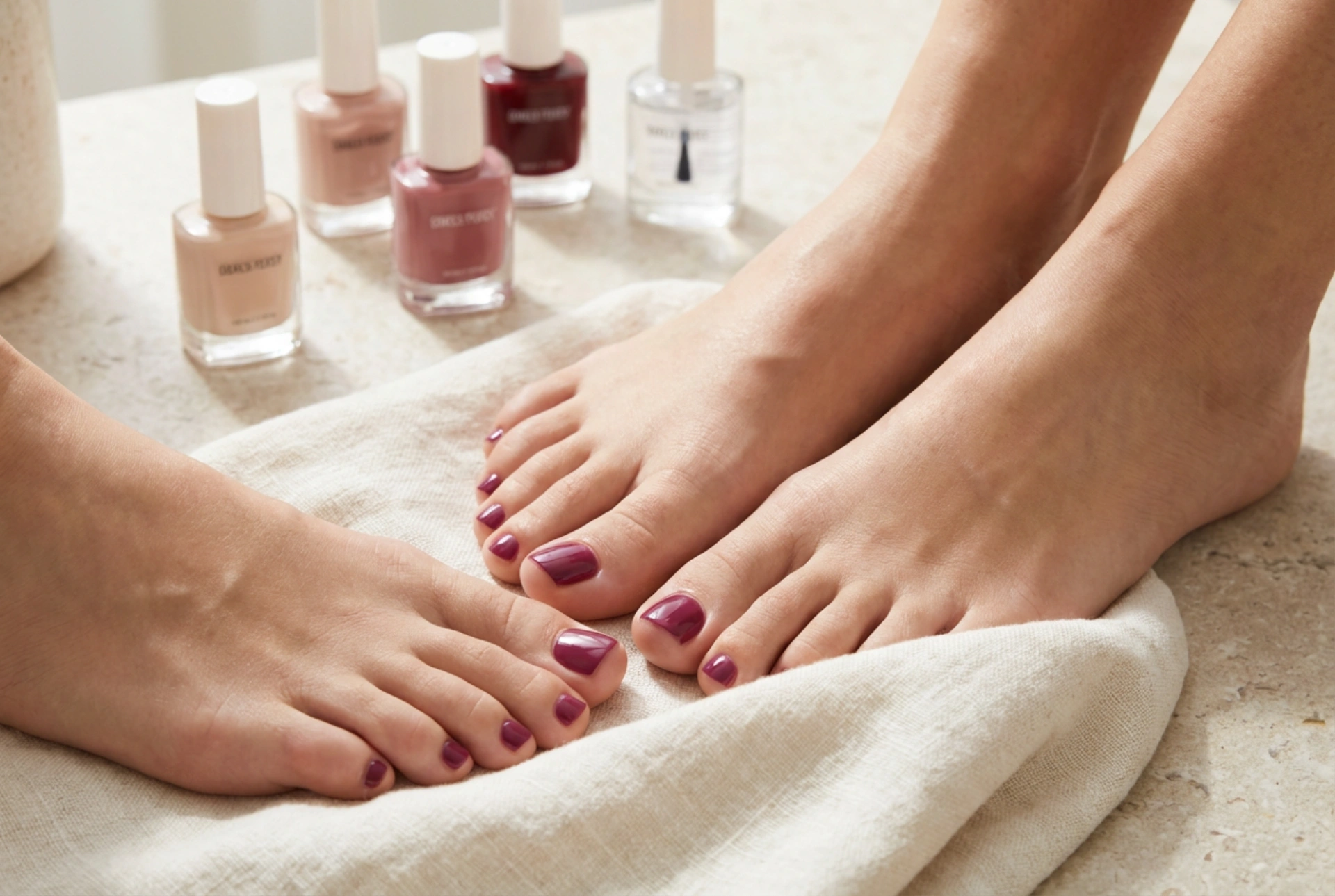


A beautifully executed pedicure is a wonderful way to feel polished and put-together, especially during the warmer months when our feet are on display. The durability of a hybrid pedicure means your chosen colour will last for weeks, making it even more important to select a shade that you love and that truly flatters you. The secret to finding the perfect hue lies in understanding your skin tone and its undertones. A colour that complements your complexion can make your feet look radiant and enhance your overall aesthetic.
Understanding Your Skin's Undertone
Before diving into colour palettes, the first step is to identify your skin's undertone. While your surface skin tone can change with sun exposure, your undertone remains constant. There are three main types: cool, warm, and neutral.
Simple Tests to Find Your Undertone
- The Vein Test: Look at the veins on the inside of your wrist in natural daylight. If they appear mostly blue or purple, you likely have a cool undertone. If they look green, you have a warm undertone. If you can't tell or see a mix of both, you probably have a neutral undertone.
- The Jewellery Test: Think about which type of metal jewellery looks best against your skin. If silver and platinum are more flattering, you have a cool undertone. If gold illuminates your skin, you have a warm undertone. If both look equally good, you are likely neutral.
- The White Fabric Test: Hold a piece of pure white fabric next to your face. If your skin looks rosy or pinkish in comparison, you're cool-toned. If your face appears more yellowish or golden, you're warm-toned. If you can wear both bright white and off-white without looking washed out, you might be neutral.
Best Pedicure Colours for Fair Skin Tones
Fair skin can be a beautiful canvas for a variety of colours, from delicate pastels to bold contrasts. The key is to select shades that harmonise with your undertone.
For Cool Undertones
If you have fair skin with cool (pink, red, or bluish) undertones, look for colours with a blue or pink base. Classic pale pinks, soft lavenders, and baby blues are excellent choices. For a more classic and sophisticated look, a sheer nude with a pinkish tint is perfect. If you prefer something bolder, deep berry shades or a rich navy blue will create a stunning and elegant contrast against your fair skin.
For Warm Undertones
Those with fair skin and warm (yellow, golden, or peachy) undertones will shine in colours with a golden or orange base. Think of coral, peachy-pinks, and warm reds. A creamy beige or a soft camel nude will also look incredibly chic. These warm shades will bring out the golden glow in your complexion and prevent you from looking washed out.
Flattering Shades for Medium and Olive Skin Tones
Medium skin tones have a wide range of options, as they can pull off both bright and deep shades with ease. Olive complexions, in particular, look fantastic with earthy and vibrant hues.
For Cool or Neutral Undertones
Medium skin with cool or neutral undertones looks great in dusty rose, mauve, and deep purples like plum or aubergine. Vibrant jewel tones such as sapphire blue or emerald green can also be incredibly striking. For a more subtle look, a taupe or grey-toned nude provides a modern and polished finish.
For Warm or Olive Undertones
Warm and olive complexions are complemented beautifully by rich, earthy colours. Think terracotta, burnt orange, and deep, rusty reds. Vibrant shades like fuchsia or a bright, sunny yellow can make a fun statement. Metallic shades such as bronze, copper, and gold are particularly flattering, as they highlight the natural warmth in the skin.
Striking Colours for Dark Skin Tones
Dark skin tones provide a gorgeous, rich backdrop for nearly any colour, from the lightest pastels to the deepest, most saturated hues. This is the perfect complexion for experimenting with bold and bright pedicure colours.
Deep, vampy shades like burgundy, dark chocolate brown, and deep violet look incredibly luxurious and sophisticated. On the other end of the spectrum, bright and even neon colours pop beautifully. A vibrant fuchsia, electric orange, or a bold cobalt blue will create a head-turning effect. Creamy pastels like mint green or lilac also provide a lovely, soft contrast. Don't shy away from metallics—a rich gold or a warm bronze will look absolutely radiant.
The Importance of Finish: Glossy, Matte, or Shimmer?
The final touch in choosing your perfect pedicure is the finish. The same colour can look vastly different depending on whether it's glossy, matte, or shimmery.
- Glossy: This is the classic, high-shine finish. It’s universally flattering, makes colours look rich and vibrant, and gives a healthy appearance to the nails.
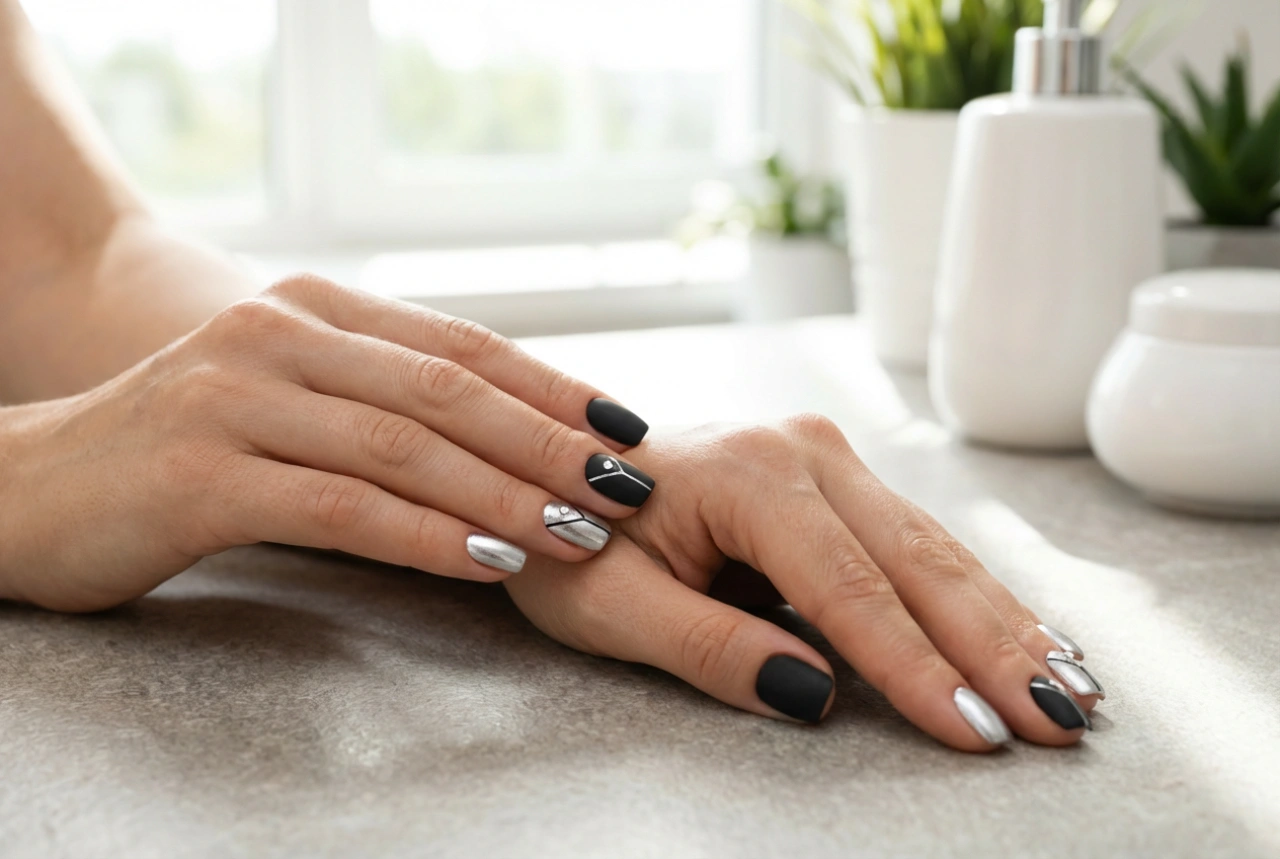
- Matte: A matte top coat provides a modern, velvety finish. It can make very dark or very bright colours look exceptionally chic and understated. It’s a great way to update a favourite shade.
- Shimmer, Glitter, and Metallic: These finishes add dimension and catch the light beautifully. A subtle shimmer can elevate a simple nude, while a full-on glitter or metallic polish is perfect for special occasions or just for fun. Silver shimmers tend to complement cool tones, while gold and bronze are stunning on warm tones.
Ultimately, the best pedicure colour is one that makes you feel happy and confident. Use these guidelines as a starting point, but don't be afraid to experiment and break the rules to find the shades that best express your personal style.