

Green clay is a timeless classic in the world of natural skincare, celebrated for its purifying and balancing properties. Often seen as a key component of a refreshing beauty ritual, this earthy ingredient can work wonders for certain skin types when used correctly. Understanding its characteristics and proper application method is key to unlocking its full potential and achieving a clearer, more radiant complexion without causing irritation.
What is Green Clay and What are its Properties?
Green clay, often of the Illite or Montmorillonite type, is a naturally occurring mineral-rich substance sourced from ancient quarries. Its characteristic green hue comes from a combination of iron oxides and decomposed plant matter. What makes it so sought after in cosmetics is its unique molecular structure, which gives it powerful absorbent capabilities. It acts like a magnet, drawing out impurities, excess sebum, and toxins from the pores.
Key Properties of Green Clay:
- Absorbent: It is highly effective at soaking up excess oil from the skin's surface, making it an excellent tool for achieving a matte finish.
- Purifying: By drawing out debris from the pores, it helps to cleanse the skin deeply, reducing the appearance of blackheads and blemishes over time.
- Balancing: For skin types that overproduce sebum, green clay can help to restore a sense of balance, leaving the skin feeling refreshed and less greasy.
- Rich in Minerals: It contains a variety of beneficial minerals, including silica, magnesium, calcium, and potassium, which can help to nourish the skin.
Who Can Benefit from Green Clay Masks?
Due to its potent absorbent nature, green clay is not a one-size-fits-all solution. It is most beneficial for individuals with specific skin concerns.
- Oily Skin: This is the ideal candidate for green clay masks. Its ability to control shine and absorb excess sebum provides immediate and noticeable mattifying effects.
- Combination Skin: People with combination skin can use green clay strategically, applying it only to the T-zone (forehead, nose, and chin) where oil production is highest.
- Skin Prone to Imperfections: By helping to keep pores clean and free from blockages, regular use of green clay can contribute to a clearer complexion and reduce the occurrence of clogged pores.
Conversely, those with dry or very sensitive skin should approach green clay with caution. Its powerful drawing action can strip the skin of its natural oils, leading to dryness, tightness, and potential irritation. For these skin types, milder clays like kaolin (white clay) or rose clay are often a better choice.
How to Prepare and Apply a Green Clay Mask Correctly
The effectiveness of a clay mask depends heavily on how it is prepared and applied. Following the right steps ensures you receive all the benefits without the drawbacks.
Preparation
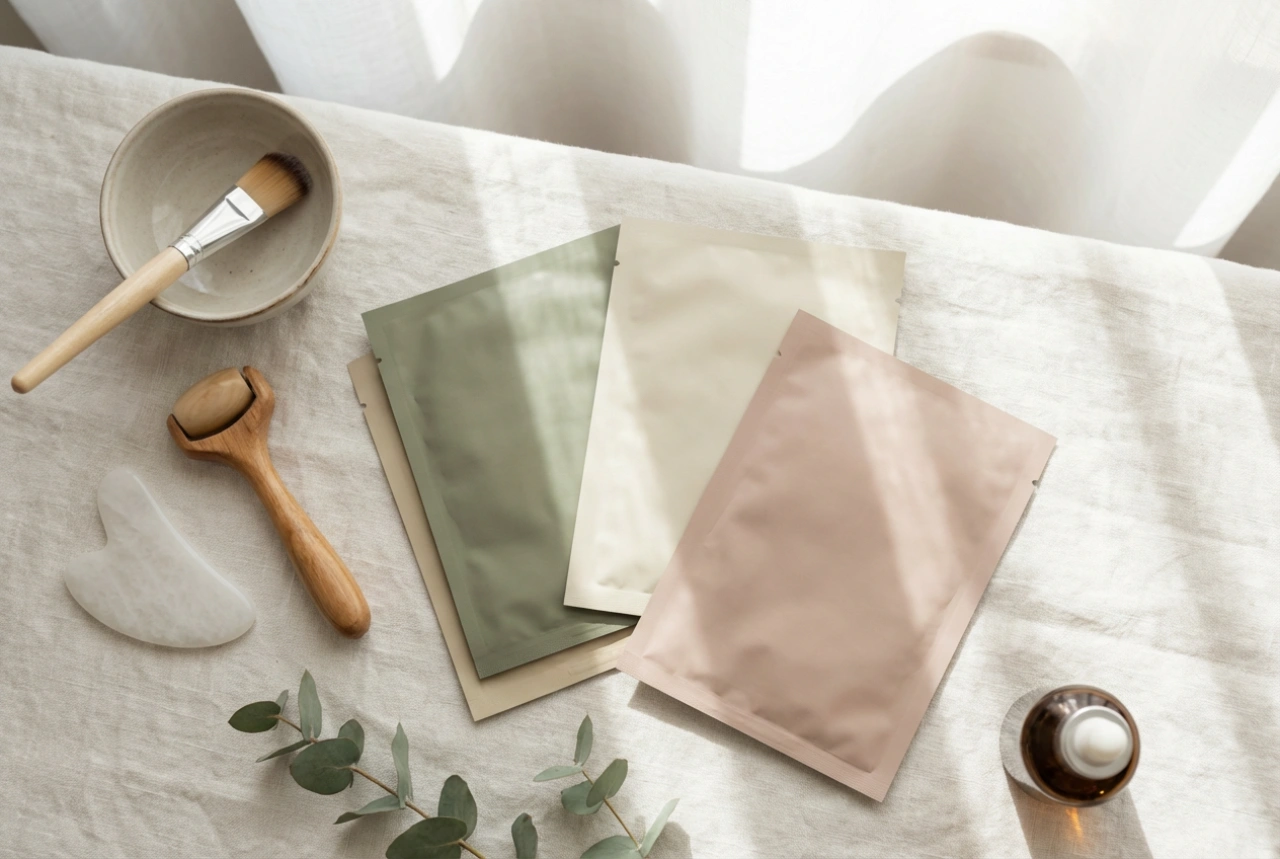
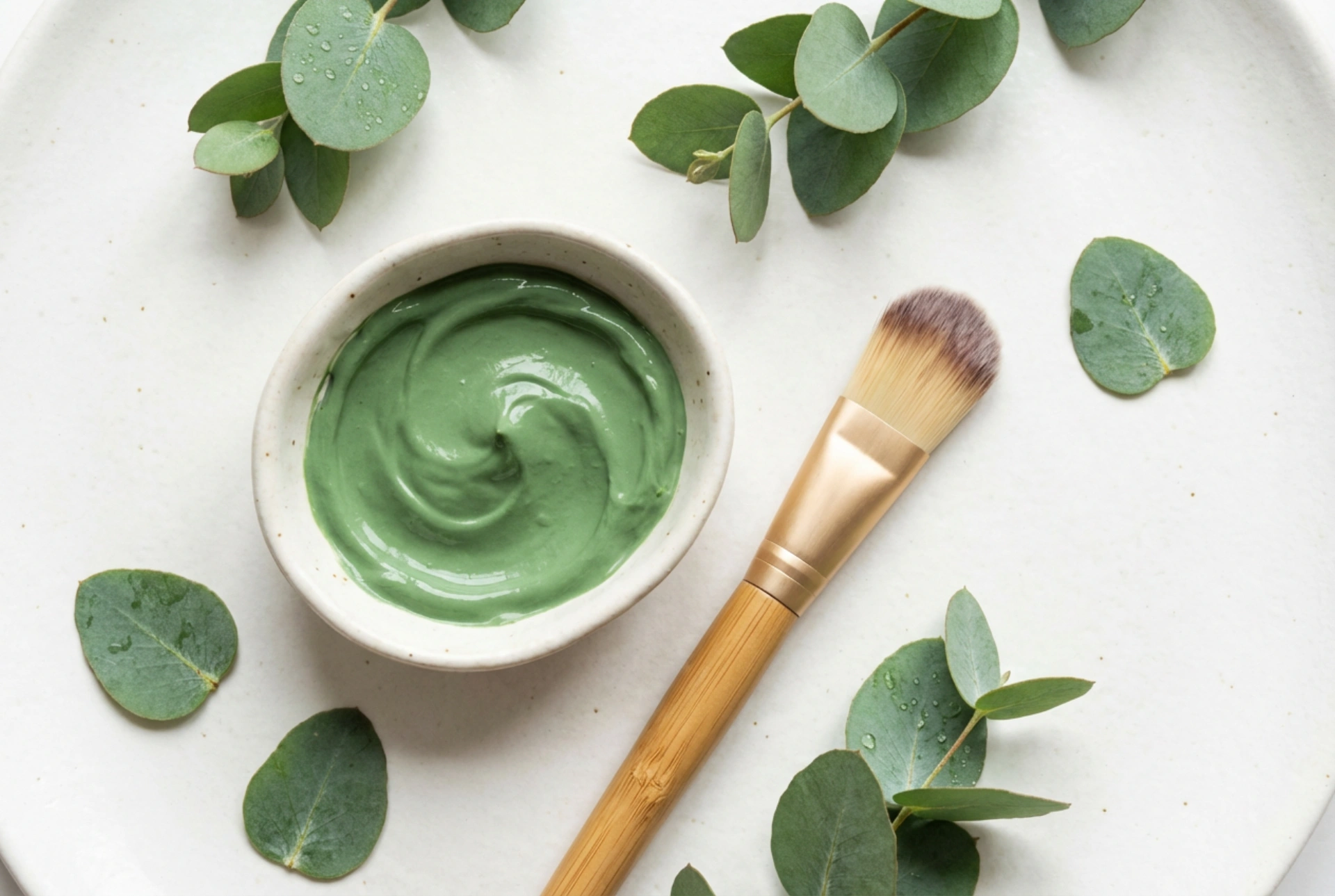
To prepare a basic mask, you will need green clay powder and a liquid. It is crucial to use a non-metallic bowl and spoon (glass, ceramic, or wood are perfect), as metal can react with the minerals in the clay and reduce its efficacy. Mix approximately one tablespoon of clay with one to two tablespoons of lukewarm water or a floral water (hydrolate) like rose or lavender. Stir until you achieve a smooth, creamy paste that is thick enough to stay on your face without dripping.
Application and an Essential Tip
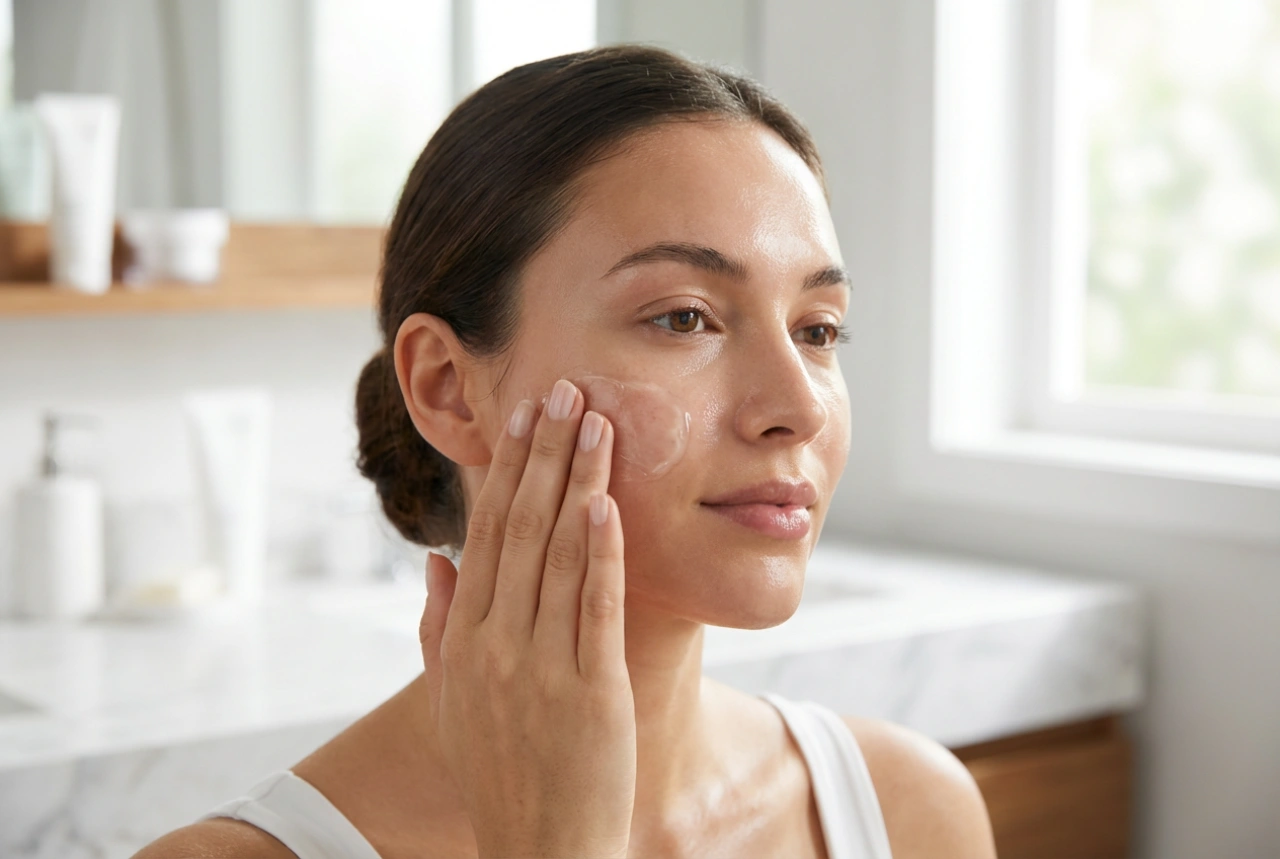
Apply an even layer of the paste to a clean, dry face, carefully avoiding the delicate skin around your eyes and mouth. The most important rule when using a clay mask is this: do not let it dry out completely. As the mask dries, it begins to draw moisture from the skin itself, which can lead to dehydration and irritation. The mask is most active when it is damp. When you see it starting to lighten in colour but it's still slightly tacky, that's the perfect time to rinse it off. To prolong its active phase, you can gently mist your face with water or a hydrolate while you wait.
Rinsing and Aftercare
Rinse the mask off thoroughly with lukewarm water, using gentle circular motions to help exfoliate the skin. Pat your face dry with a soft towel. Because the clay has deeply cleansed your skin, it's important to follow up immediately with a hydrating toner and a suitable moisturiser to replenish moisture and protect the skin barrier.
Frequency of Use
Overuse of green clay can disrupt your skin's natural balance. For oily skin, using a mask once a week is generally sufficient. Those with combination skin may prefer to use it once every 10-14 days, or just on the T-zone once a week. Always listen to your skin; if you notice any signs of dryness or tightness, reduce the frequency of use. Consistency over time will yield the best results for a purified and balanced complexion.