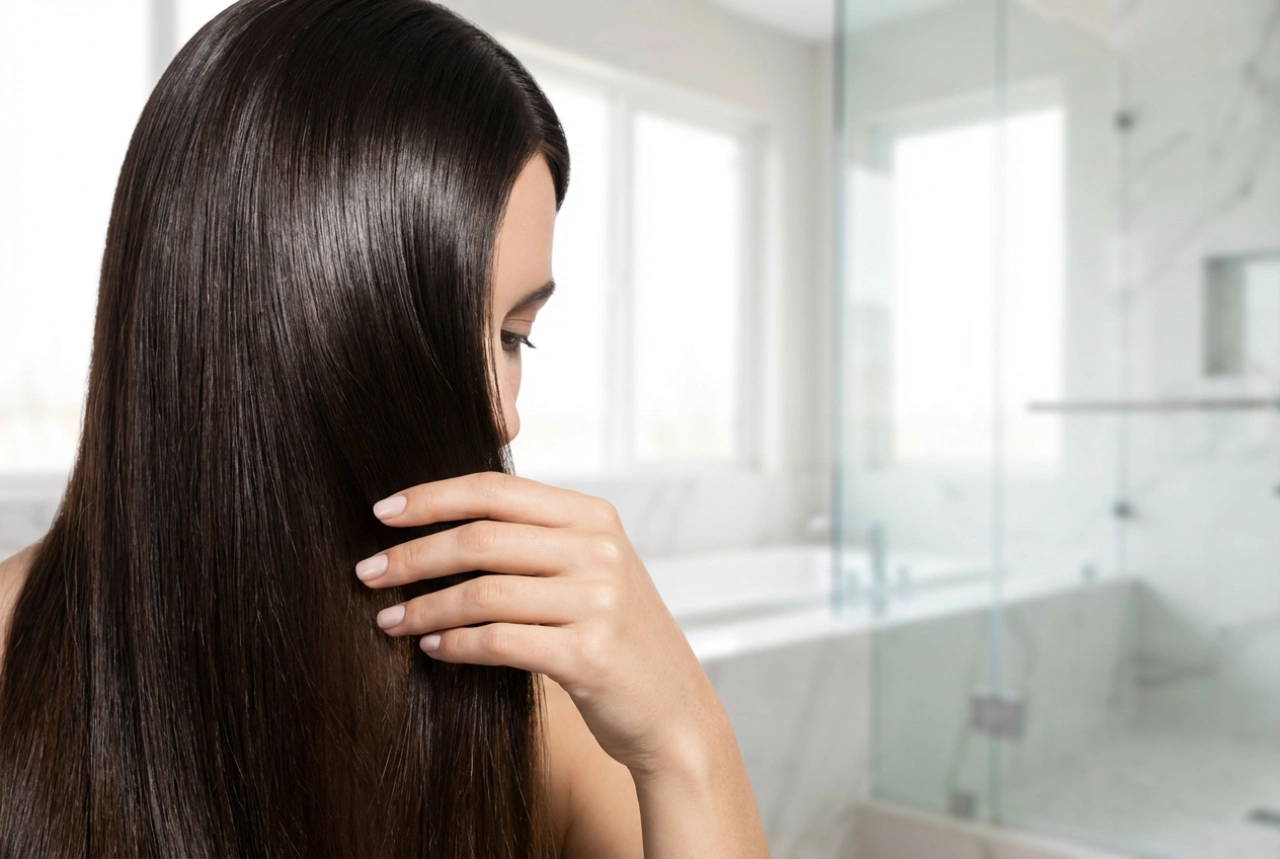


Achieving that perfectly smooth, lustrous strand of hair seen in salons is attainable at home with the right tool and technique. A professional-grade hair straightener is central to this process, but its effectiveness and safety depend on understanding its key features. From floating plates to precise temperature control, knowing how to use your styler correctly is paramount for getting flawless results while safeguarding your hair's health. This guide explores the essential elements of professional straightening for a beautiful, long-lasting finish.
What Are Floating Plates and Why Do They Matter?
One of the most significant features distinguishing professional straighteners from basic models is the presence of floating plates. Unlike fixed plates, which are static, floating plates are mounted on flexible springs. This allows them to tilt and adjust to the angle and thickness of the hair section being styled.
The Benefits of This Technology
The primary advantage of floating plates is their ability to provide consistent and even pressure across the hair. This ensures that every strand makes contact with the heated surface, leading to more effective styling in a single pass. This has several positive effects:
- Reduced Hair Stress: By gripping the hair gently but firmly, floating plates minimise the snagging and pulling that can lead to breakage.
- Even Heat Distribution: Consistent contact prevents 'hot spots' and ensures that heat is applied uniformly, which is crucial for preventing localised damage.
- Greater Efficiency: Because the styling is more effective with each pass, you often don't need to go over the same section multiple times. This significantly reduces the hair's overall exposure to heat.
Mastering Temperature Control for Healthy Hair
Adjustable temperature control is not just a luxury feature; it's a necessity for protecting your hair. Different hair types, textures, and conditions react to heat differently. Using a temperature that is too high can cause irreversible damage, while one that is too low may not be effective, leading to repeated passes and frizz.
A General Guide to Heat Settings
While exact temperatures can vary, a general guideline can help you find the right starting point for your hair type. It is always best to begin with a lower setting and only increase it if necessary.
- Low Heat (approx. 150°C - 175°C): Ideal for fine, fragile, or colour-treated hair that is more susceptible to damage.
- Medium Heat (approx. 175°C - 200°C): Suitable for normal, healthy hair with an average texture. This range offers effective styling without excessive heat.
- High Heat (approx. 200°C - 230°C): Reserved for very thick, coarse, or resistant hair that requires more heat to alter its texture. Use this range with caution.
The Non-Negotiable Step: Thermal Protection
No matter how advanced your straightener is, using a thermal protectant is an essential step in any heat styling routine. These products are formulated to create a protective barrier between your hair and the heat, reducing moisture loss and minimising damage to the hair cuticle. They act as a primer for your hair, ensuring it is prepared for the styling process. For best results, apply the protectant evenly throughout clean, dry hair, combing it through to ensure every strand is coated before the straightener touches your hair.
Tips for a Flawless, Salon-Quality Finish
Achieving a sleek, polished look involves more than just turning on the straightener. Proper technique makes all the difference.
Preparation is Key
- Start with Dry Hair: Always ensure your hair is 100% dry before straightening. Styling damp hair can cause significant steam damage.
- Work in Sections: Divide your hair into small, manageable sections using clips. Working with sections about 1-2 inches wide allows for better control and more even results.
Perfecting Your Technique
- The Single, Smooth Glide: Clamp the straightener near the roots and glide it down to the ends in one continuous, fluid motion. Avoid pausing in one spot to prevent heat concentration.
- Let It Cool: Allow your hair to cool down completely before touching it or applying finishing products. This helps the style to set and last longer.
- Clean Your Tool: Regularly wipe the plates of your unplugged, cool straightener with a soft, damp cloth. This removes product build-up that can cause snagging and uneven heat distribution.