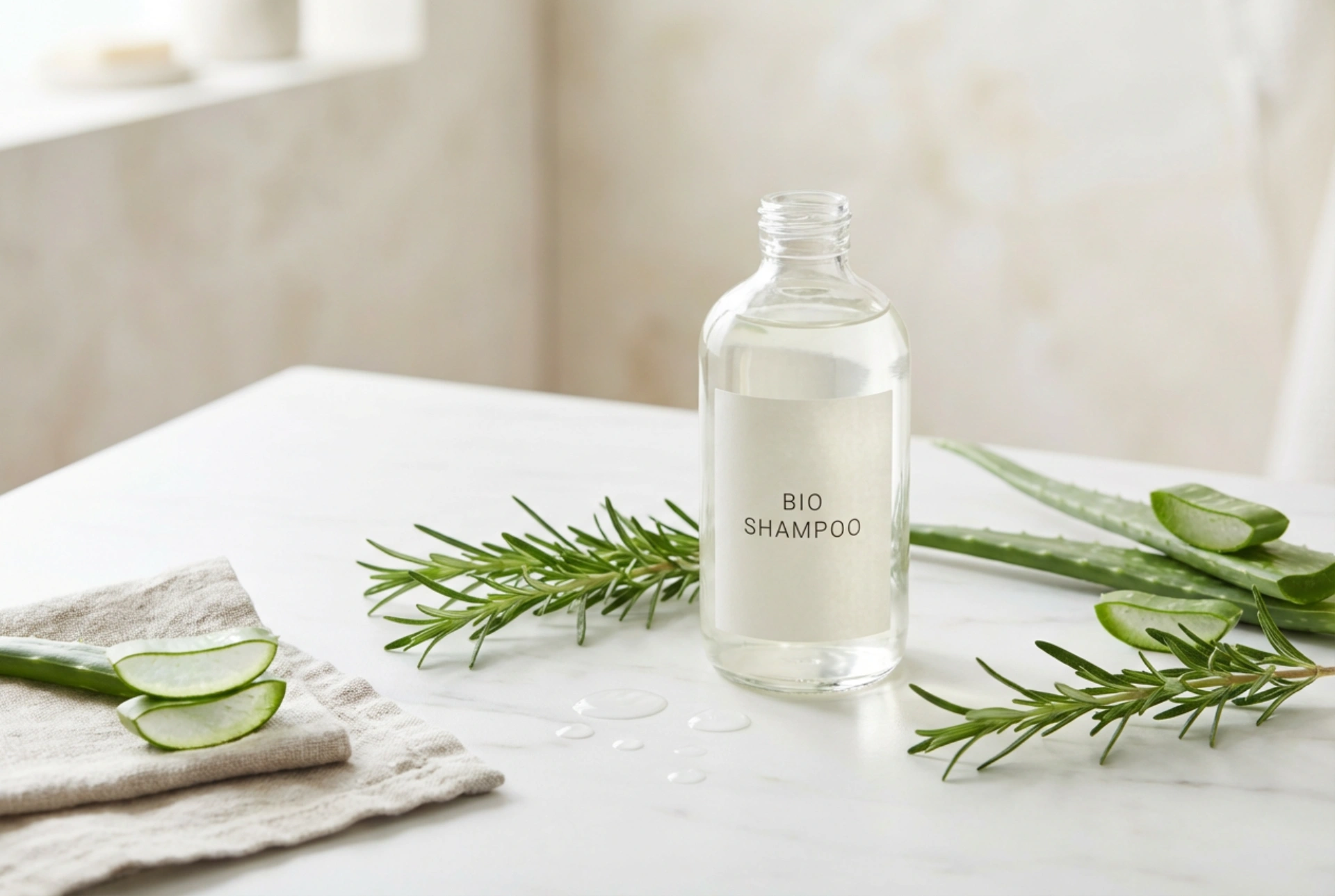


The shift towards a more natural lifestyle is beautifully reflected in our beauty choices, particularly in hair care. Surrounded by the pure essence of botanical ingredients like rosemary and aloe vera, the appeal of an organic shampoo is undeniable. But what truly lies behind the 'bio' or 'organic' label? Understanding the composition of these products and how to use them effectively is the key to unlocking their full potential for healthy-looking, vibrant hair. This guide will help you navigate the world of natural shampoos with confidence.
What Defines an 'Organic' Shampoo?
The terms 'bio', 'organic', or 'natural' on a shampoo bottle suggest a commitment to ingredients sourced from nature. While specific certification standards vary, the core philosophy remains consistent: to formulate products with a high concentration of plant-based components while minimising or excluding certain synthetic substances. These shampoos harness the power of botanicals to cleanse, nourish, and protect the hair and scalp. Instead of relying on harsh detergents, they often use milder, plant-derived surfactants from sources like coconut or sugar, which clean effectively without stripping the hair of its natural oils. The emphasis is on working in harmony with your body's natural processes, using ingredients that are as close to their original state as possible.
How to Read the Ingredient List (INCI)
The key to understanding any cosmetic product is its ingredient list, known as the INCI (International Nomenclature of Cosmetic Ingredients). This standardised system lists all ingredients in descending order of concentration, meaning the first few ingredients make up the bulk of the formula. When choosing an organic shampoo, paying attention to the top of this list is crucial.
Key Ingredients to Look For
- Gentle Surfactants: Look for names like Coco-Glucoside, Decyl Glucoside, or Sodium Cocoyl Isethionate. These are mild cleansing agents derived from plant sources like coconut and corn, providing a gentle yet effective clean.
- Hydrating Bases: Instead of just water (Aqua), high-quality natural shampoos often use Aloe Barbadensis Leaf Juice (aloe vera) or various floral waters (hydrosols) as their base, offering immediate soothing and moisturising benefits.
- Plant Oils and Butters: Ingredients such as Cocos Nucifera (Coconut) Oil, Butyrospermum Parkii (Shea) Butter, and Simmondsia Chinensis (Jojoba) Seed Oil provide deep nourishment, moisture, and shine.
- Botanical Extracts: A wide array of plant extracts can be included for specific benefits. For example, Rosmarinus Officinalis (Rosemary) Leaf Extract can invigorate the scalp, while Chamomilla Recutita (Chamomile) Flower Extract is known for its calming properties.
Ingredients Often Avoided in Natural Formulations
Part of the natural shampoo philosophy involves what is left out. Many formulations are created without certain categories of ingredients. For instance, strong surfactants like Sodium Lauryl Sulfate (SLS) and Sodium Laureth Sulfate (SLES) are often replaced with milder alternatives. Silicones, which coat the hair to give it a slippery feel, are typically avoided in favour of natural oils and butters that nourish the hair from within. Other ingredients like parabens and synthetic fragrances are also commonly excluded, with brands opting for plant-based preservatives and essential oils for scent.
A Step-by-Step Guide to Washing with Natural Shampoo
Using a natural shampoo can be a slightly different experience, primarily because many produce less lather than their conventional counterparts. This does not mean they are less effective! Following the right technique ensures a thorough cleanse and beautiful results.
Step 1: Thoroughly Wet Your Hair
Before applying any shampoo, make sure your hair is completely saturated with lukewarm water. This helps to loosen dirt and oil and allows the shampoo to distribute more evenly.
Step 2: Emulsify and Apply to the Scalp
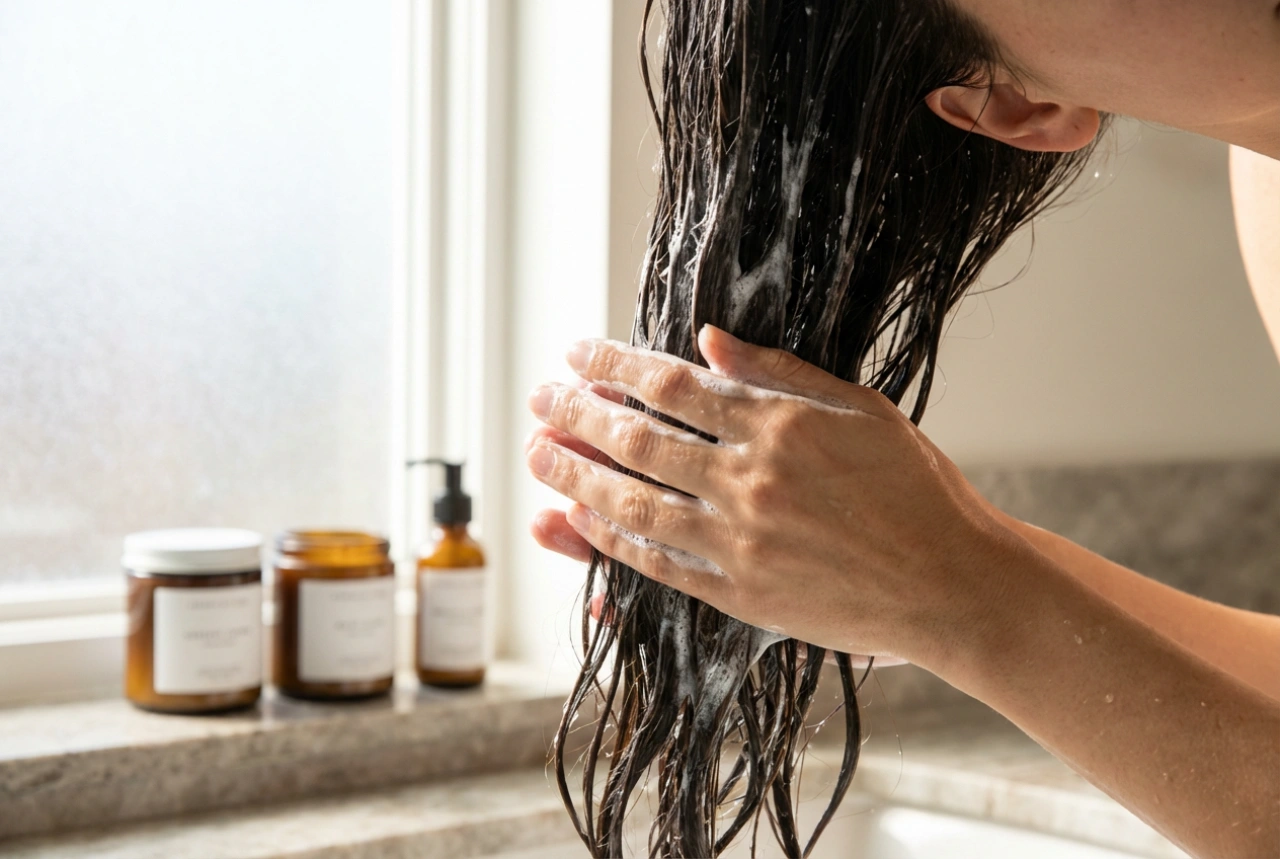
Dispense a small amount of shampoo into your palm. Rub your hands together to create a light lather—this is called emulsifying. Focus the application directly on your scalp and roots, as this is where most oil and product build-up occurs. Massage gently with your fingertips (not your nails) to stimulate circulation and cleanse the scalp.
Step 3: Consider the Double Wash Method
For a deeper clean, especially if you use styling products or have oil-prone hair, the double wash method is highly effective. The first wash breaks down dirt and build-up, and you might notice it produces very little foam. After rinsing, apply a second, often smaller, amount of shampoo. You will likely find that this second application lathers up much more easily, providing a more thorough cleansing of the hair and scalp.
Step 4: Rinse, Rinse, Rinse
Thorough rinsing is paramount when using natural shampoos, as they contain oils and butters that can leave a residue if not washed out completely. Rinse your hair with lukewarm water for at least a full minute, making sure water runs through every section until the hair feels completely clean and free of product.
Step 5: Follow with a Natural Conditioner
Cleansing opens up the hair's cuticles. It is essential to follow up with a conditioner to seal them back down, locking in moisture and protecting the hair shaft. Apply a natural conditioner primarily to the mid-lengths and ends of your hair, leave it on for a few minutes, and then rinse thoroughly.
Adjusting to Your New Natural Routine
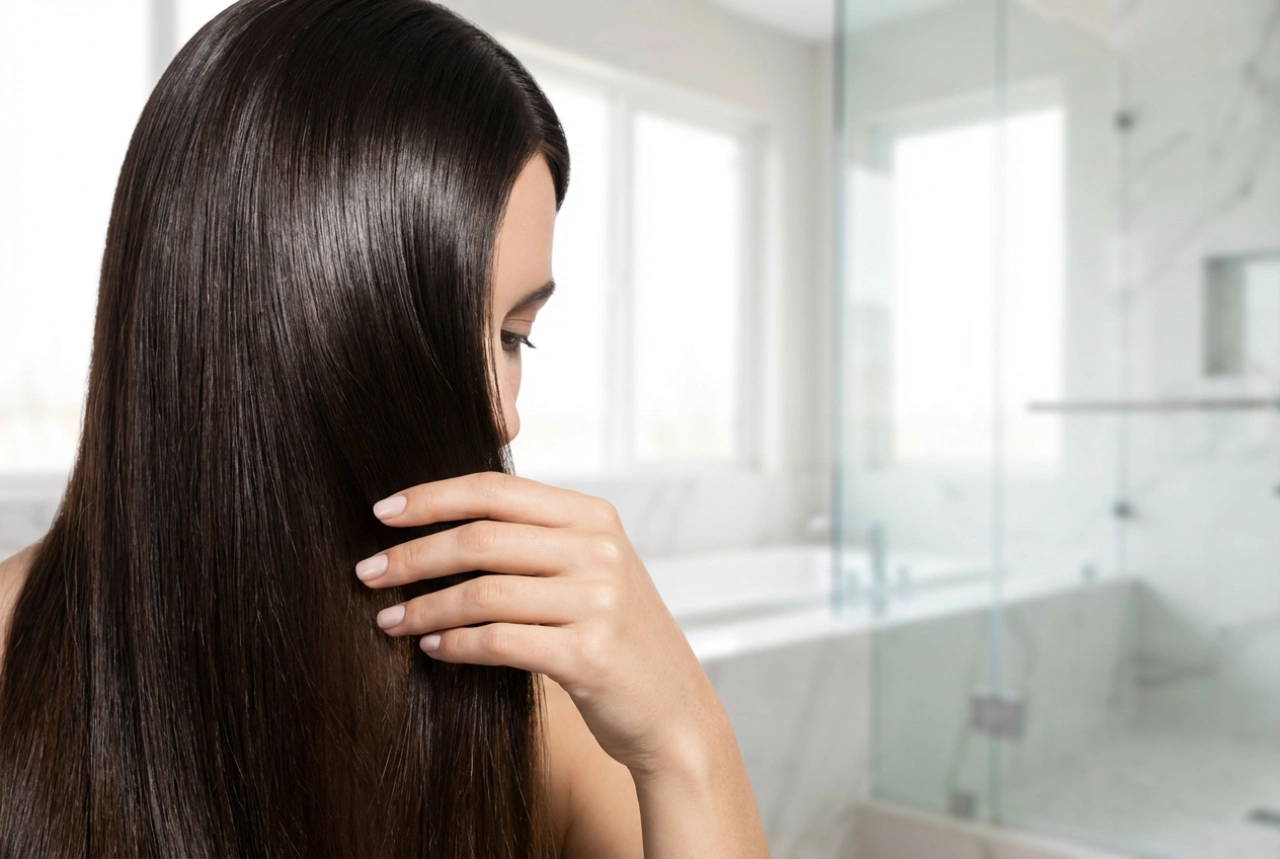
When you switch from conventional shampoos, particularly those containing silicones, your hair might go through a 'transition period'. Silicones create a synthetic coating that makes hair feel smooth, and removing this can initially make your hair feel different—perhaps less slippery or even a bit dry. This is simply your hair's natural texture revealing itself. Be patient. It can take a few washes for your scalp's oil production to rebalance and for your hair to adjust to the new, gentler cleansing method. Over time, you will likely notice your hair feels lighter, looks more voluminous, and has a healthier, more natural shine.