

Maintaining that fresh-from-the-salon hair colour is a goal for anyone who dyes their hair. The vibrancy and shine can seem fleeting, but with the right home care routine, you can significantly extend the life of your colour. The foundation of this routine is a crucial, yet often overlooked, element: the shampoo you use. Choosing a product specifically designed for colour-treated hair is the first step towards preserving its depth and brilliance.
Why Does Colour-Treated Hair Require Special Attention?
The process of dyeing hair, whether it's a subtle change or a dramatic transformation, alters the structure of the hair shaft. To deposit new pigment, the outer layer of the hair, known as the cuticle, must be lifted. This process can leave the hair more porous and vulnerable. A porous hair shaft not only loses moisture more easily, leading to dryness and brittleness, but it also struggles to hold onto colour molecules. This is why colour can fade quickly, especially when washed with harsh products that further strip the hair.
Key Features of a Good Shampoo for Dyed Hair
When browsing for a shampoo, the label can be confusing. For colour-treated hair, focus on formulas that prioritise protection and nourishment. Here’s what to look for:
Gentle Cleansing Agents
The primary function of shampoo is to cleanse, but how it does so matters immensely for dyed hair. Many traditional shampoos use strong surfactants, such as sulphates (often listed as Sodium Lauryl Sulfate or Sodium Laureth Sulfate), which create a rich lather but can be too aggressive for treated hair. They can strip away not only dirt and oil but also your hair's natural moisture and, crucially, the colour pigments you want to preserve. Opt for shampoos labelled 'sulphate-free' or those that use milder cleansing agents derived from coconuts or other plants. These will clean your scalp and hair effectively without causing excessive colour fade.
Moisturising and Nourishing Ingredients
Because the dyeing process can be drying, replenishing moisture is essential. A good shampoo for coloured hair should be rich in conditioning and nourishing components. Look for ingredients such as:
- Natural Oils and Butters: Ingredients like argan oil, jojoba oil, coconut oil, or shea butter help to smooth the hair cuticle, lock in moisture, and add shine.
- Humectants: Glycerin and panthenol (pro-vitamin B5) draw moisture from the air into the hair shaft, helping to keep it hydrated and flexible.
- Proteins: Hydrolysed proteins from wheat, silk, or rice can help to fill in the gaps in the porous hair structure, strengthening it from within and improving its ability to retain colour.
Colour-Protecting Components
Many formulations for dyed hair include specific ingredients aimed at preventing colour fade. Antioxidants, like vitamin E or green tea extract, help to protect the hair from environmental aggressors and free radicals that can dull your colour. Some formulas also contain elements that offer mild protection against UV rays, which are a known cause of colour degradation. These ingredients work together to seal the cuticle, locking the colour molecules inside for longer.
What to Avoid in Your Shampoo
Just as important as knowing what to look for is knowing what to avoid. To protect your investment in your hair colour, steer clear of:
- Harsh Sulphates: As mentioned, these are the primary culprits for stripping colour.
- Clarifying or 'Deep-Cleansing' Shampoos: These are formulated to remove product build-up and can be extremely harsh on coloured hair. Use them very sparingly, if at all.
- High Levels of Certain Alcohols: Some alcohols can be very drying and contribute to brittleness and fading.
Best Practices for Washing Colour-Treated Hair
Beyond choosing the right shampoo, how you wash your hair can make a significant difference.
- Use Lukewarm Water: Hot water opens the hair cuticle, allowing colour to escape. Wash and rinse your hair with lukewarm or cool water to help keep the cuticle sealed.
- Wash Less Frequently: Every wash contributes to some degree of colour fading. Try to extend the time between washes using dry shampoo if needed.
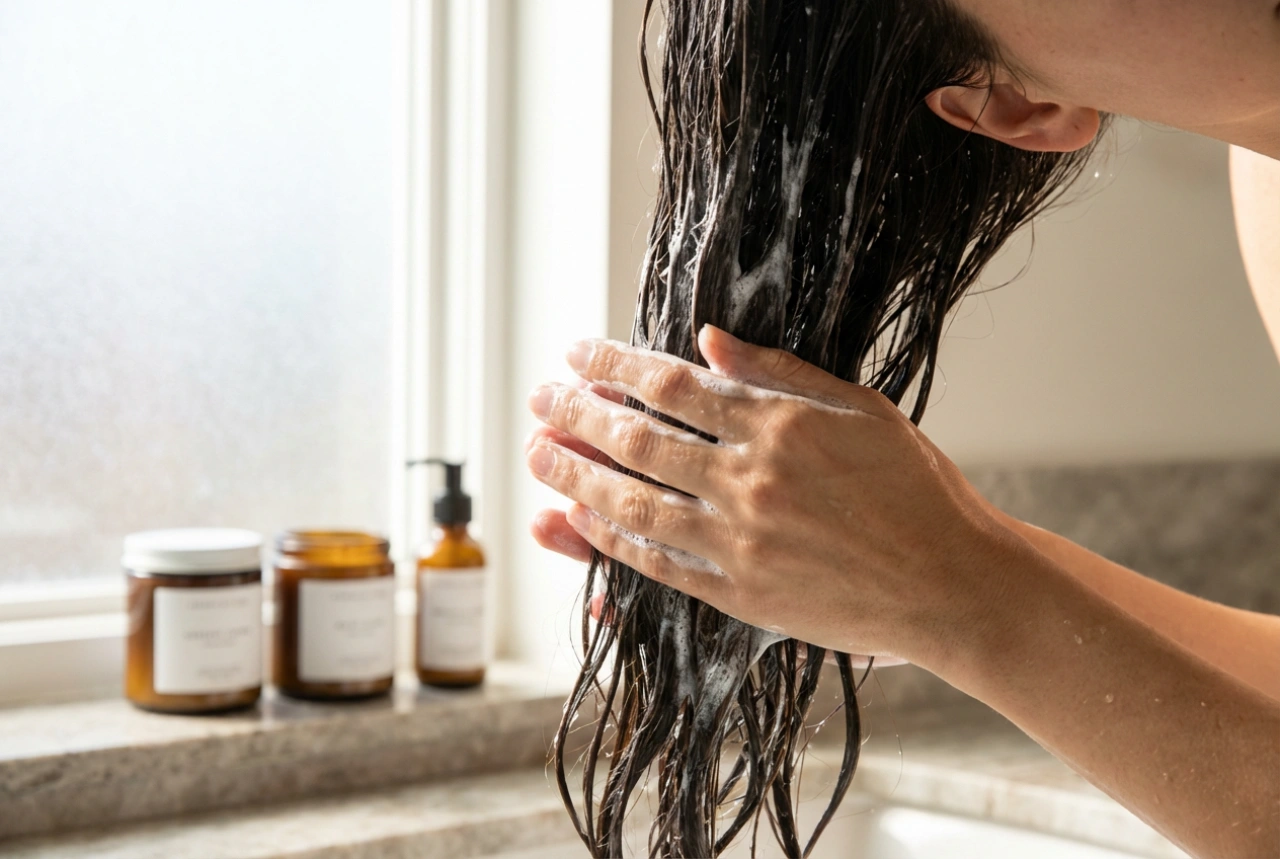
- Focus on the Scalp: Concentrate the shampoo on your scalp where oil and dirt accumulate. The lather that rinses through the lengths of your hair is usually sufficient to clean them without harsh scrubbing.
- Always Use a Conditioner: Follow every shampoo with a conditioner formulated for colour-treated hair. This is a non-negotiable step, as conditioner helps to smooth and seal the cuticle, locking in moisture and colour while adding shine.
By understanding the unique needs of your dyed hair and selecting a shampoo that cleanses gently while providing essential moisture and protection, you can enjoy a vibrant, long-lasting colour that looks healthy and radiant for weeks to come.