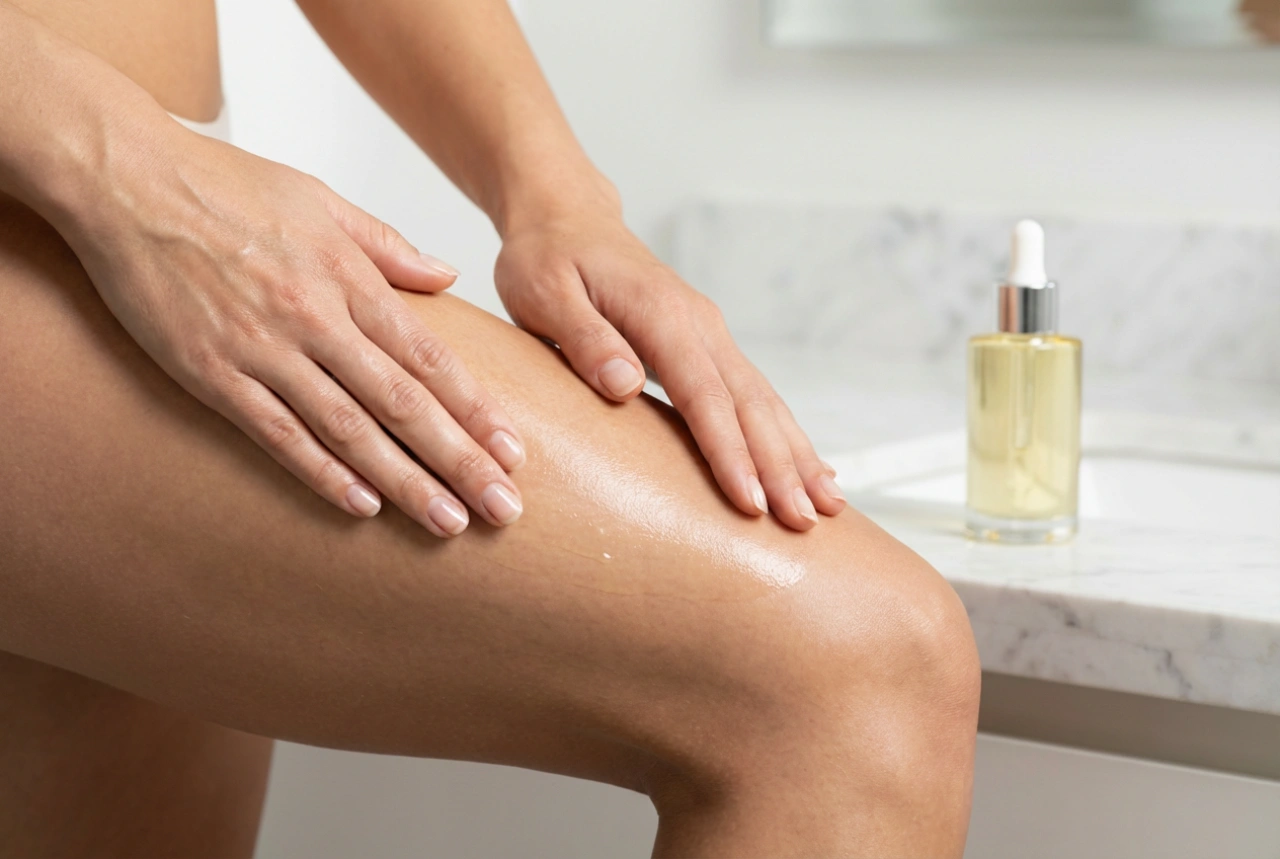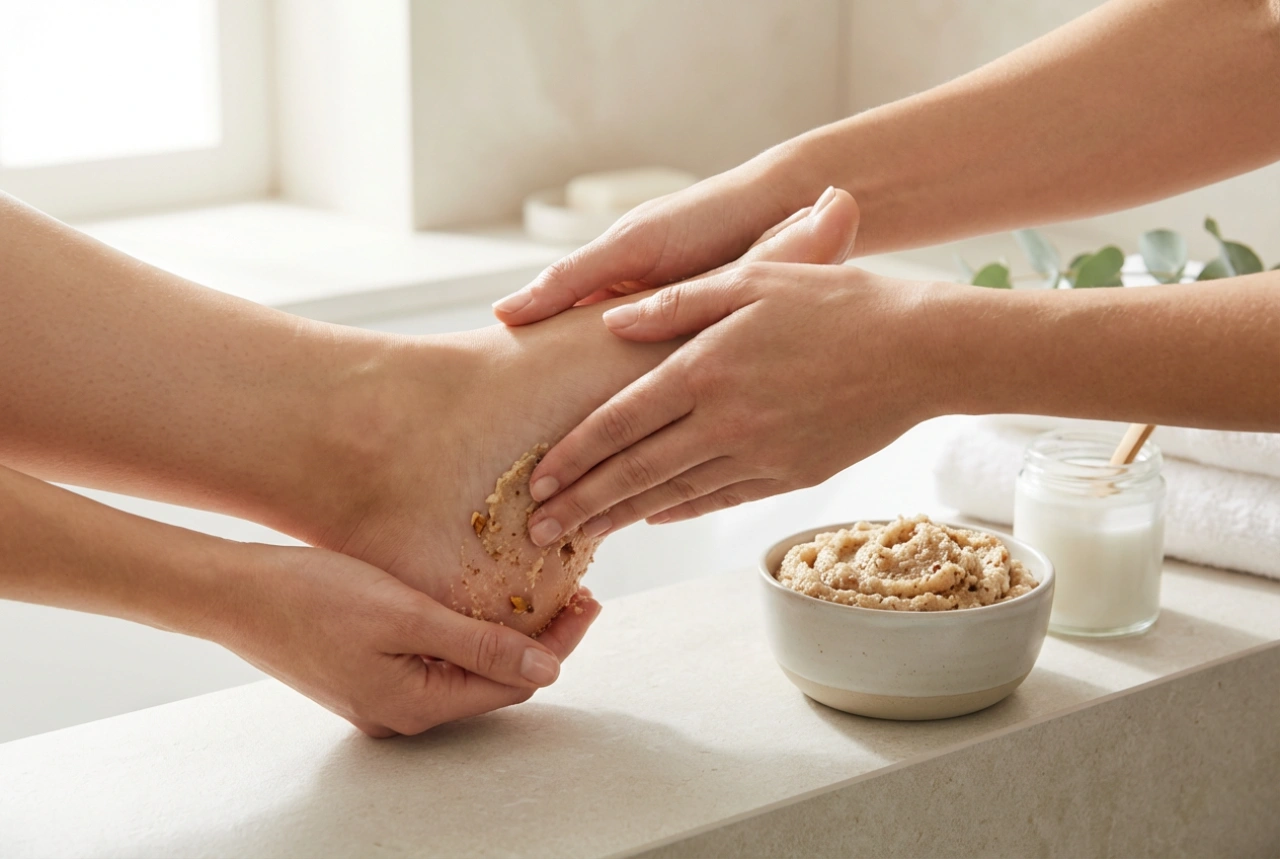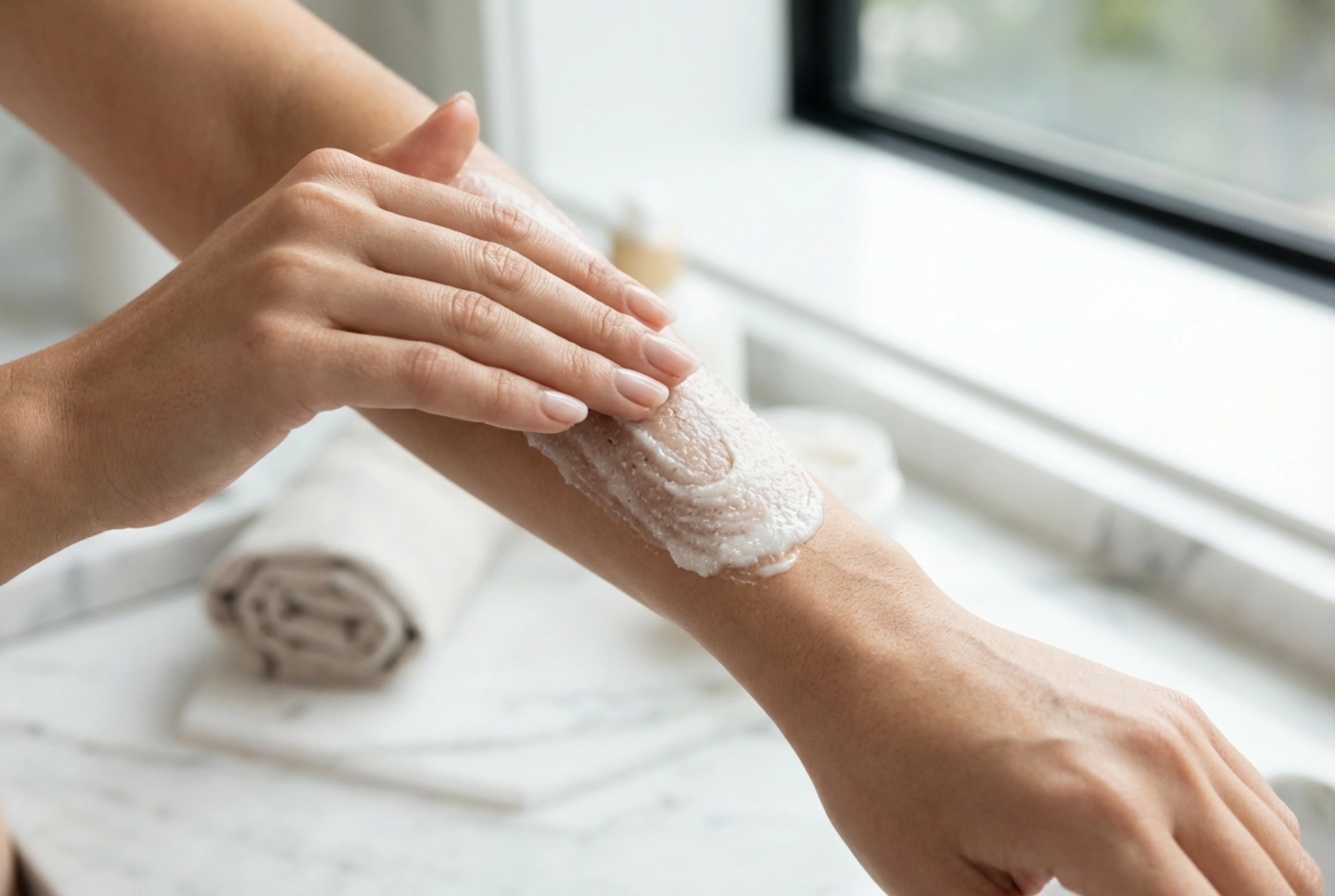


Regular body exfoliation is a cornerstone of a mindful self-care routine, transforming the skin to reveal a smoother, more radiant surface. As seen in the gentle application of a body scrub, this ritual is about more than just cleansing; it's a process of renewal. Understanding the correct technique, from the order of application to the pace of your massage, can significantly enhance the benefits, leaving your skin feeling soft, refreshed, and beautifully polished.
Preparation: Setting the Stage for Perfect Exfoliation
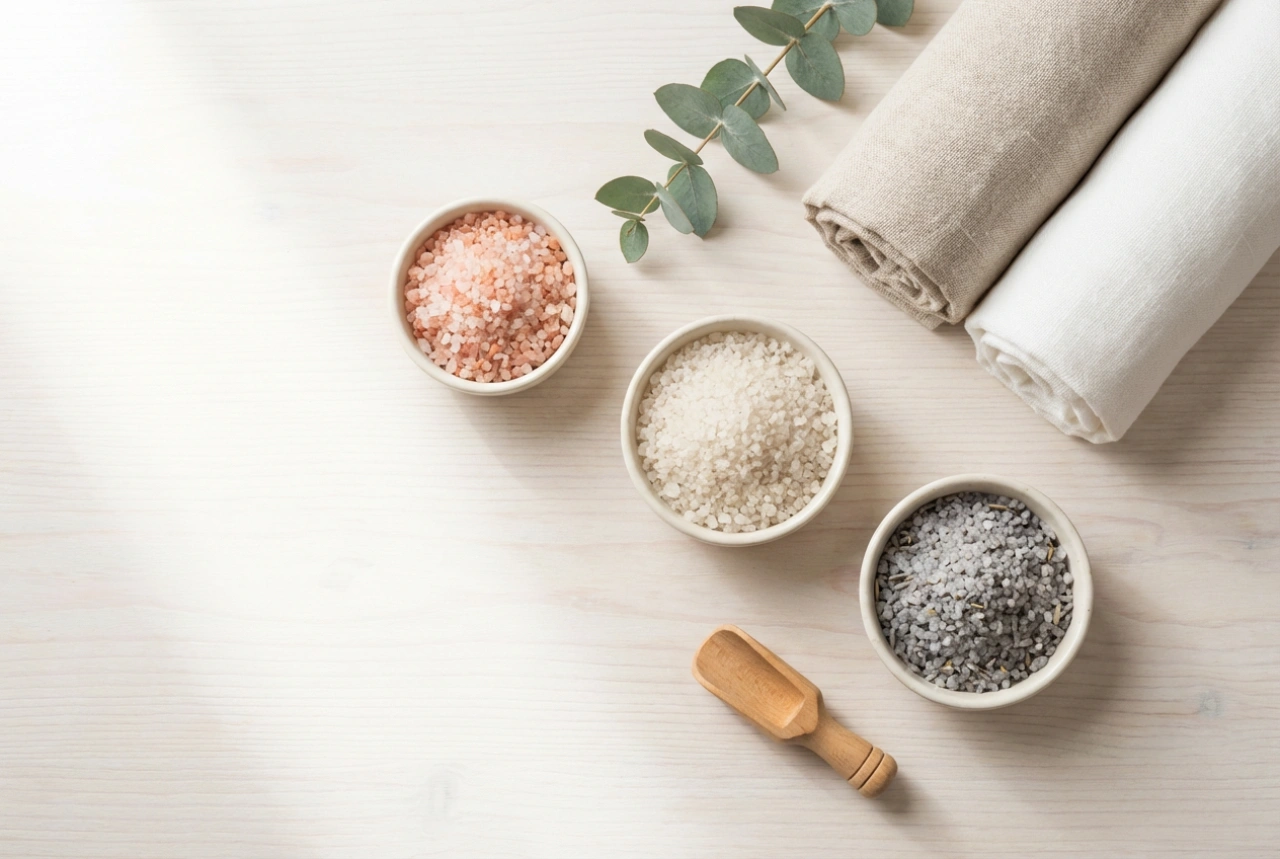
Before you begin, proper preparation is key to an effective and enjoyable experience. The first step is to choose a scrub that suits your skin's needs. Scrubs can be based on various exfoliants like sugar, salt, or coffee grounds, each offering a different level of coarseness. Sugar scrubs are generally gentler, making them suitable for most skin types, while salt scrubs can be more invigorating but also more dehydrating. To prepare your skin, take a warm shower or bath for 5-10 minutes. The warmth and steam will help soften the outer layer of the skin and open up the pores, making it easier for the scrub to remove dead skin cells.
The Step-by-Step Exfoliation Sequence
For optimal results and to stimulate circulation effectively, it's best to work from the ground up. This method helps encourage blood flow back towards the heart. Always apply the scrub to damp skin to prevent irritation and ensure a smooth glide.
1. Feet and Legs
Start with your feet, giving extra attention to rough areas like the heels and soles. Use firm, circular motions. As you move up your legs, continue with these circular movements. Be a little gentler around the shins and the sensitive skin behind your knees. This methodical approach ensures no spot is missed and prepares the foundation for the rest of the body.
2. Torso and Back
Next, move on to your torso. Apply the scrub to your abdomen and chest using broad, circular strokes. When it comes to your back, which can be hard to reach, consider using a long-handled brush or a scrubbing strap. This will help you exfoliate the entire area thoroughly, which is often prone to clogged pores.
3. Arms and Hands
Begin exfoliating your arms from the wrists up to the shoulders. Pay special attention to the elbows, which tend to have thicker, drier skin. Finish by gently scrubbing your hands and around your cuticles. This not only smooths the skin but can also improve the appearance of your hands.
4. Neck and Décolletage
The skin on your neck and décolletage is much thinner and more delicate than the rest of your body. It's crucial to be extremely gentle here. If you're using a coarser scrub for your body, you might want to switch to a finer-grained exfoliant or simply use less pressure. Use light, upward strokes to avoid pulling on the skin.
Massage Pace and Pressure
The effectiveness of exfoliation also depends on the technique. The pace should be slow and mindful, turning the process into a relaxing ritual rather than a hurried task.
- Pressure: Vary the pressure according to the body part. Apply firmer pressure on areas with thicker skin, such as your feet, elbows, and knees. Use significantly lighter pressure on sensitive zones like your inner thighs, chest, and neck.
- Motion: Always use circular motions. This technique not only helps to slough off dead skin cells effectively but also boosts circulation, which contributes to a healthy, vibrant skin tone.
Aftercare: Sealing in the Smoothness
Once you have exfoliated your entire body, the final steps are just as important as the exfoliation itself. Rinse the scrub off thoroughly with lukewarm water. Avoid hot water, as it can strip the skin of its natural oils. After rinsing, gently pat your skin dry with a soft, clean towel. Do not rub, as this can cause irritation to your newly exfoliated skin. The most crucial step is to moisturise immediately while your skin is still slightly damp. This helps to lock in hydration, soothe the skin, and maintain that soft, supple feeling. Choose a rich body lotion, cream, or oil to replenish moisture and protect your skin's barrier.