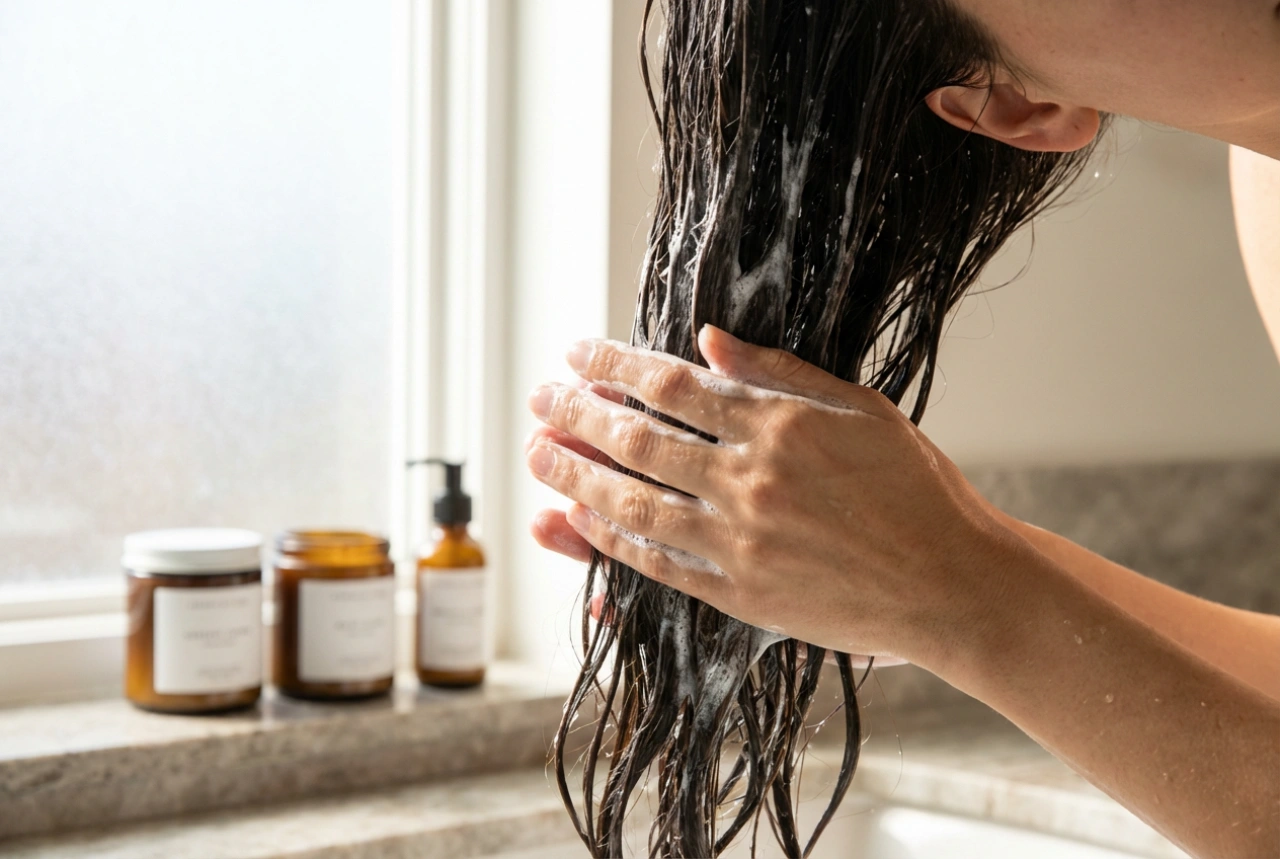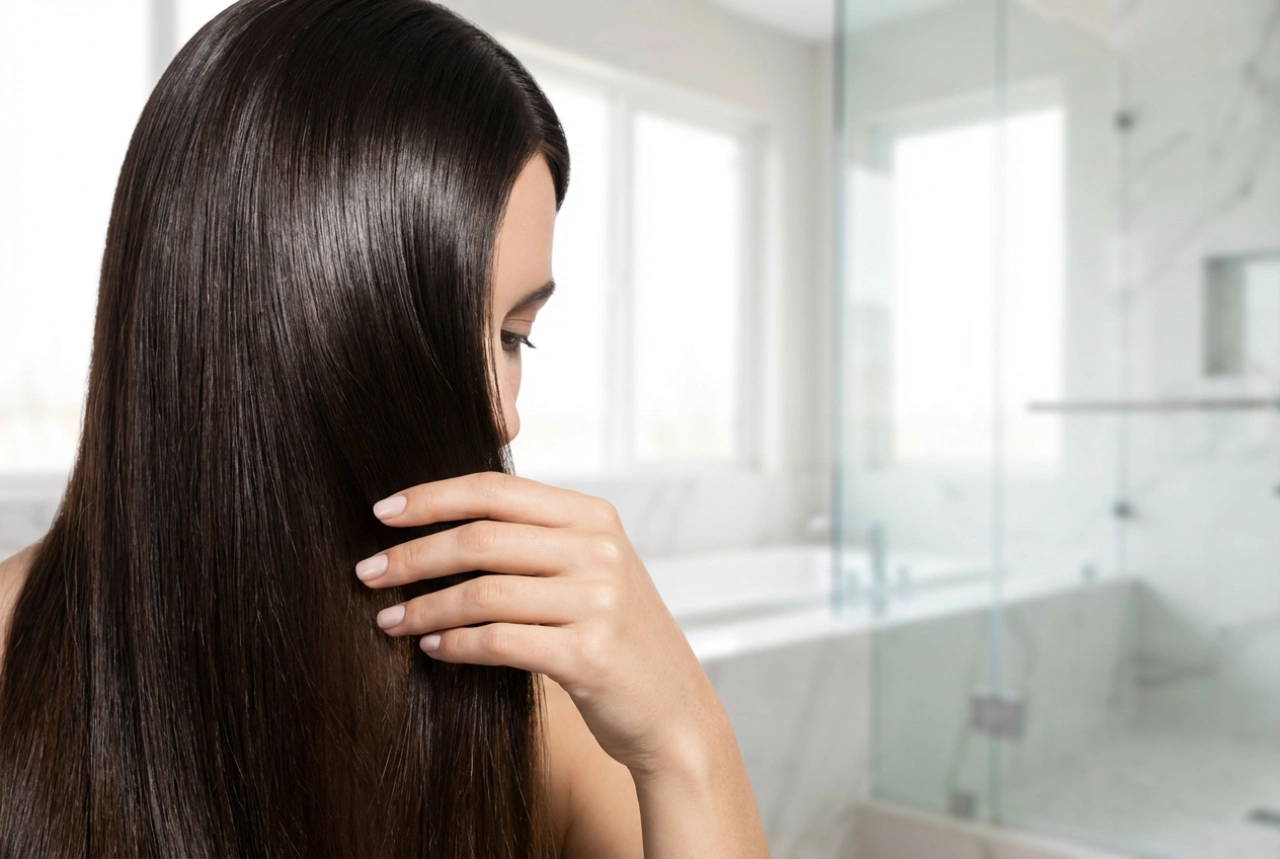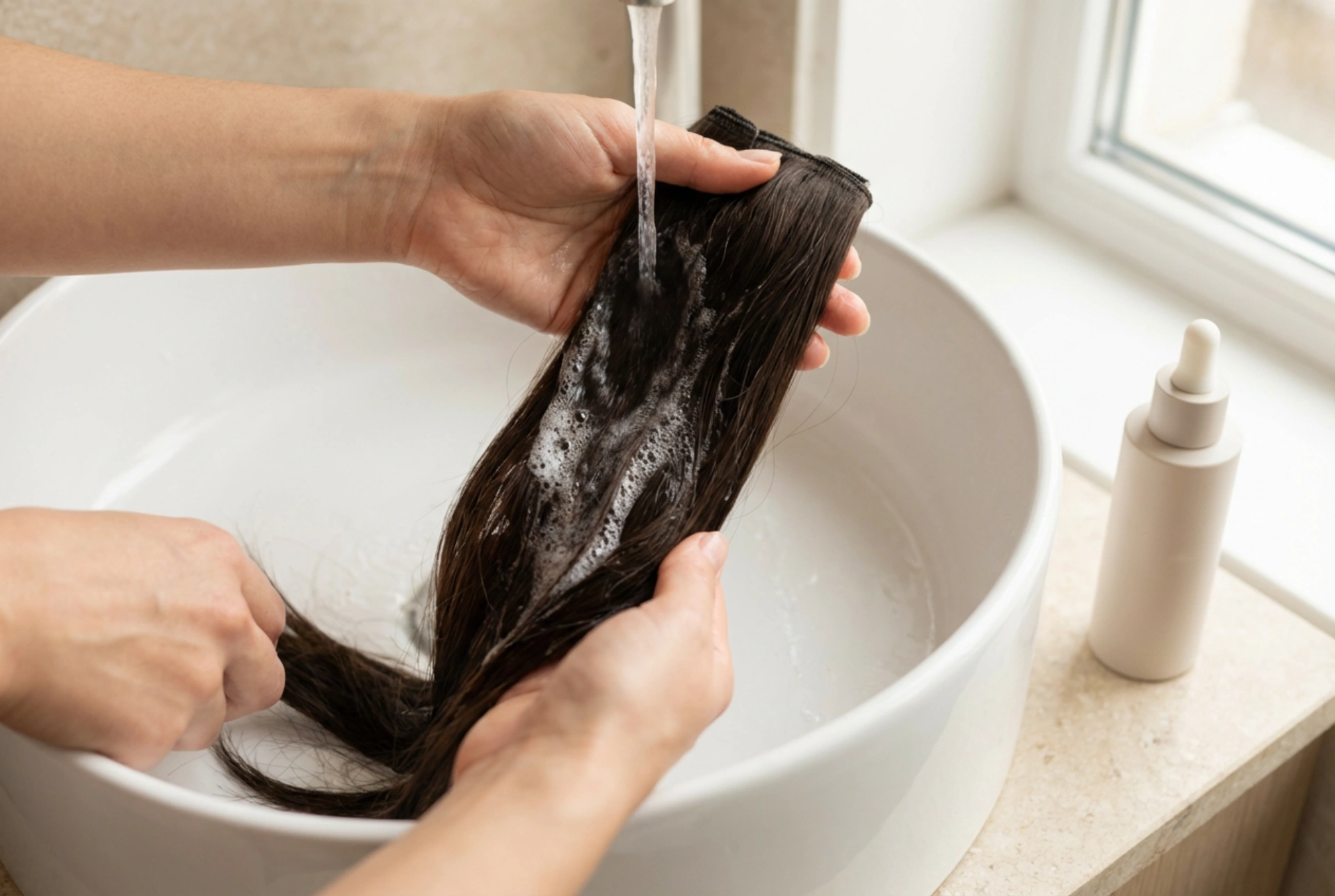


Caring for synthetic hair, whether it's a full wig or clip-in extensions, requires a different approach than caring for natural hair. The gentle handling shown when washing a silky hairpiece is key to its longevity. Unlike our own hair, synthetic fibres do not produce natural oils and have a different structure, meaning they need specific care to maintain their lustre and shape. Using the wrong products or techniques can lead to dullness, tangling, and irreversible damage. Understanding the correct way to wash and condition your synthetic pieces will ensure they look beautiful and last as long as possible.
Why Synthetic Hair Needs Special Care
The primary difference between synthetic hair and human hair lies in its composition. Synthetic fibres are essentially a type of plastic, designed to mimic the look and feel of real hair. They do not have a cuticle layer like human hair, so they cannot absorb moisture or nourishing ingredients from conditioners in the same way. Standard shampoos, especially clarifying or volumising ones, often contain strong detergents like sulphates that are designed to strip away oils and product build-up. When used on synthetic hair, these harsh cleansers can strip the special coating that gives the fibres their shine and smoothness, leaving them brittle, frizzy, and prone to tangling.
Choosing the Right Cleanser
The ideal choice for washing synthetic hair is a cleanser specifically formulated for synthetic fibres. These products are designed to be gentle, effectively removing dirt, dust, and styling product residue without damaging the hair's integrity. They help to maintain the original texture and sheen of the wig or extensions.
What to Look For:
- Sulphate-Free Formulas: Always opt for cleansers that are free from harsh sulphates (like Sodium Lauryl Sulphate). These are much gentler and won't strip the fibres.
- Cool Water Soluble: The product should dissolve easily in cool or lukewarm water, as hot water can damage synthetic hair, causing the fibres to lose their shape or become frizzy.
- Moisturising Properties: While synthetic hair doesn't absorb moisture, some specialised cleansers contain ingredients that coat the fibres to reduce static and improve manageability.
If a dedicated synthetic hair cleanser is not available, a very mild, sulphate-free shampoo for colour-treated or sensitive hair can be used as a last resort. However, dedicated products are always the safest bet.
Step-by-Step Guide to Washing Synthetic Hair
Follow this gentle process to clean your wigs and extensions without causing damage. The key is to avoid any harsh rubbing, twisting, or heat.
1. Preparation and Detangling
Before you get the hair wet, gently detangle it. Use a wide-tooth comb or your fingers. Start at the ends and carefully work your way up to the base (the cap of the wig or the weft of the extensions). This prevents small tangles from becoming large, unmanageable knots during washing.
2. Soaking and Washing
Fill a basin or sink with cool to lukewarm water. Never use hot water. Add a small amount of your synthetic hair cleanser to the water and swish it around to create a light foam. Submerge the wig or extensions completely and let them soak for about 5 to 10 minutes. This allows the cleanser to dissolve any build-up without the need for scrubbing. You can gently swish the hairpiece in the water, but avoid rubbing the fibres together.
3. Rinsing
Remove the hairpiece from the soapy water. To rinse, hold it under a gentle stream of cool, running water. Make sure the water flows in the same direction as the hair, from the base to the ends. This helps to prevent tangling. Continue rinsing until all the cleanser is gone and the water runs clear. Do not wring or squeeze the hair tightly.
Drying and Finishing Touches
Proper drying is just as important as washing. After rinsing, gently squeeze out any excess water from the hairpiece. Place it on a clean, dry towel and blot it gently to absorb more moisture. To air dry, place a wig on a dedicated wig stand, which allows air to circulate freely and helps it maintain its shape. Extensions can be hung up using a special hanger or laid flat on a towel. Never use a hairdryer, curling iron, or straightener on standard synthetic hair unless it is explicitly labelled as 'heat-safe' or 'heat-friendly'. Once the hair is completely dry, you can use a leave-in conditioning spray formulated for synthetic fibres. A light misting will help to restore shine, reduce static, and make combing easier.