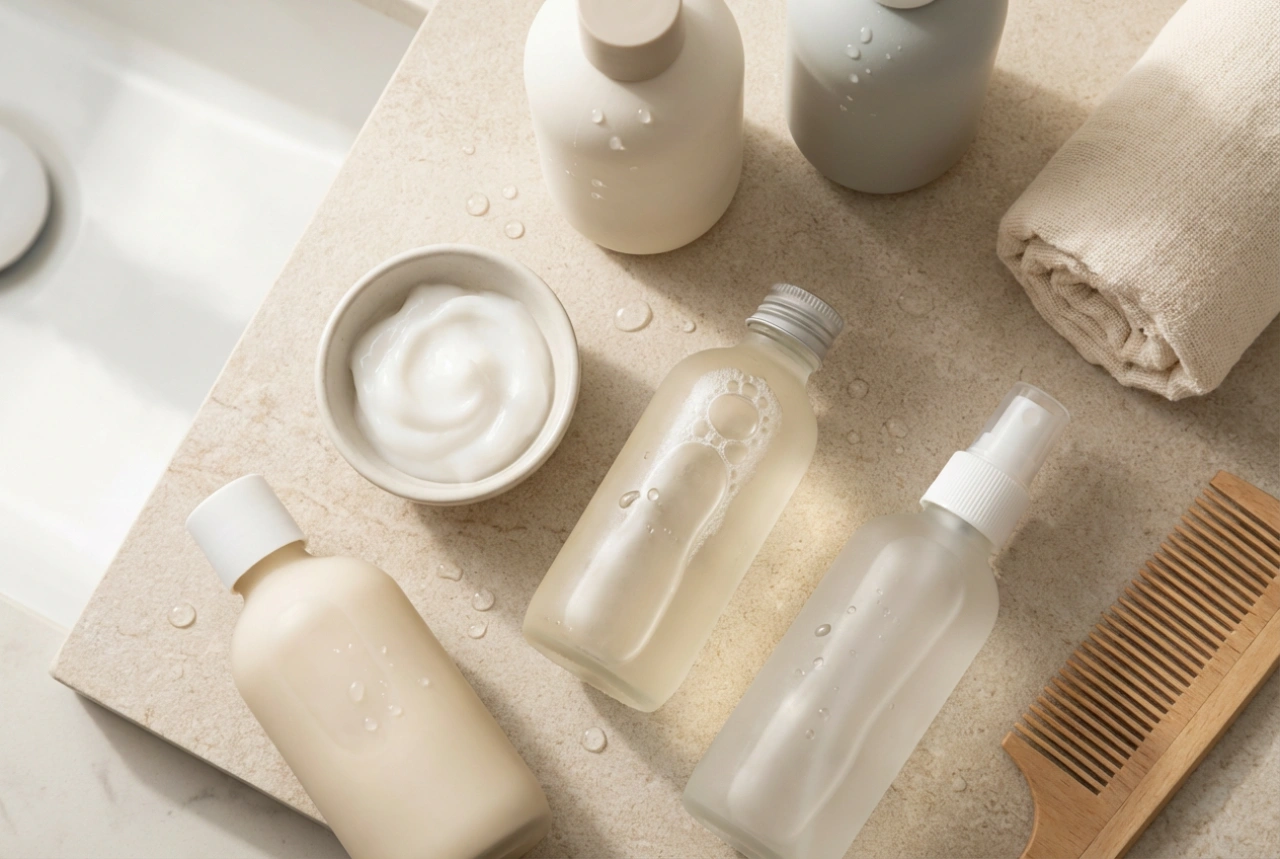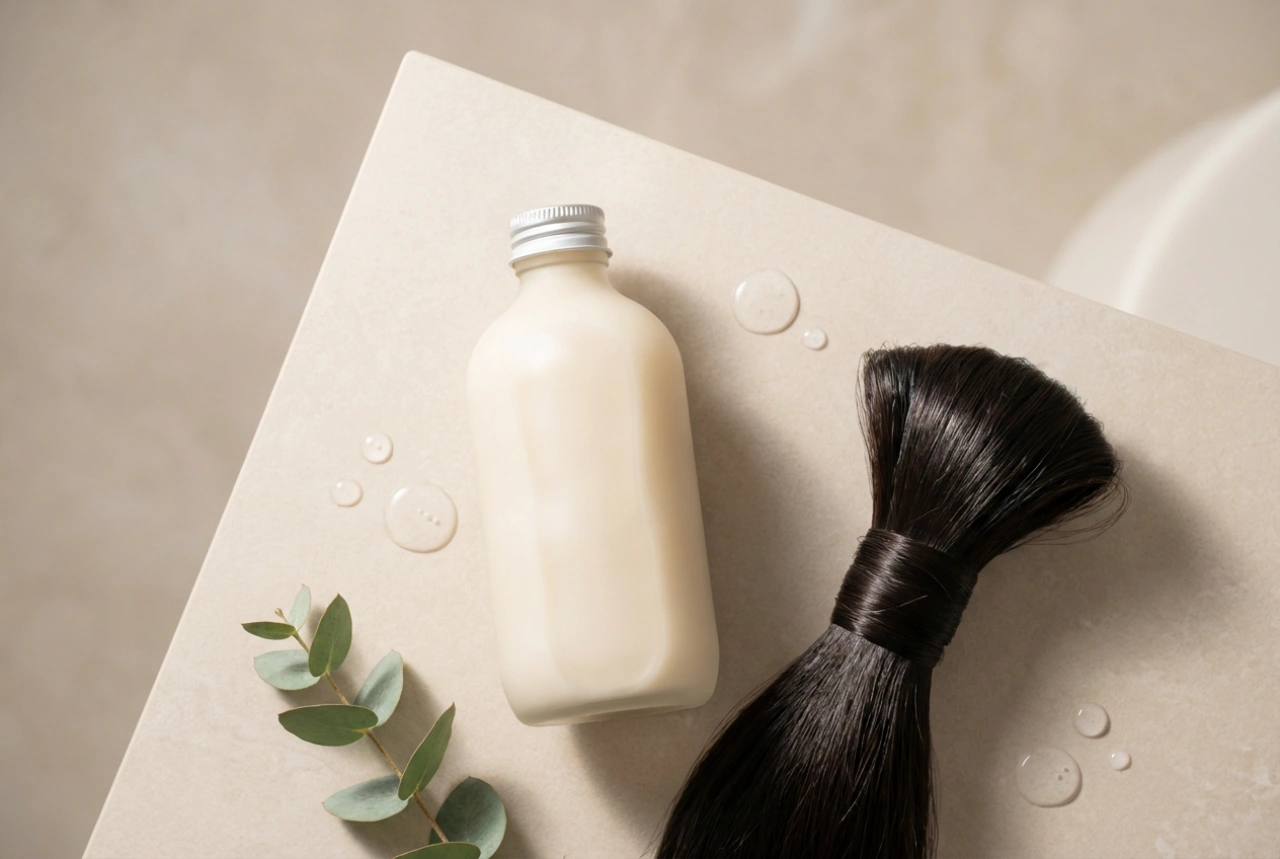


In the pursuit of perfectly balanced, lightweight hair, finding the right cleansing routine is paramount. Just like a clean, minimalist bottle resting amidst delicate water droplets and airy bubbles, the ideal care for low porosity hair revolves around purity, freshness, and weightless hydration. Low porosity hair, characterised by its tightly closed cuticle layer, requires a specific approach. While this hair type is inherently healthy and shiny, its structure makes it highly susceptible to product build-up and limpness, meaning that a heavy, oil-laden shampoo can quickly turn a good hair day into a flat, greasy struggle.
Understanding Low Porosity Hair
Before selecting a shampoo, it is essential to understand how low porosity hair behaves. The outer layer of the hair shaft, known as the cuticle, resembles shingles on a roof. In low porosity hair, these shingles lie extremely flat and tight against one another. This compact structure acts as a natural shield, making it difficult for moisture to penetrate, but once moisture is inside, it stays locked in for a long time.
However, this same structure presents a unique cosmetic challenge. Because the cuticles are so tightly sealed, styling products, leave-in conditioners, and heavy oils tend to sit on the surface of the hair shaft rather than being absorbed. Over time, these substances accumulate, creating a dull, heavy film that robs the hair of its natural bounce and vitality. Therefore, the primary goal of a washing routine for this hair type is effective, residue-free cleansing that prepares the hair for lightweight moisture.
The Importance of a Light Formula
When browsing for the perfect shampoo, the texture and formula of the product play a crucial role. For low porosity hair, heavy, cream-based shampoos designed for dry or damaged hair are generally unsuitable. These formulations often contain high concentrations of heavy plant butter, such as shea butter, or rich vegetable oils, which easily coat the tightly bound cuticles and weigh the strands down.
Instead, look for clear, gel-like shampoos with a light formula. These products are designed to cleanse the hair gently without leaving a heavy residue. They create a delicate, airy lather that rinses away effortlessly, leaving the scalp and hair feeling completely refreshed. A light formula ensures that the natural volume of your hair is preserved, allowing for a bouncy, movement-filled finish from the very roots.
Washing Out Silicones: Why and How
Silicones are widely used in hair care products to provide shine, reduce frizz, and make detangling easier. While they can be beneficial for some hair types, they often pose a significant problem for low porosity hair. Non-water-soluble silicones can easily build up on the smooth surface of low porosity strands, forming a stubborn barrier that blocks external moisture and air.
To keep low porosity hair healthy and vibrant, it is necessary to periodically remove this build-up. This is where a well-formulated clarifying shampoo or a deeply cleansing shampoo comes into play. To effectively wash out silicones, consider the following points:
- Use a deep cleansing shampoo: Incorporating a stronger, clarifying shampoo into your routine once every week or two helps dissolve stubborn silicone residues and styling build-up.
- Look for gentle surfactants: Daily cleansing should rely on milder surfactants that still have the capacity to wash away light styling residues without stripping the scalp.
- Double-cleanse when necessary: If you use styling products frequently, performing a quick double-cleanse can ensure that all impurities are thoroughly washed away.
Key Ingredients to Embrace and Avoid
When selecting a shampoo for low porosity hair, reading the ingredient list can help you make an informed choice. Certain components are highly beneficial, while others can compromise your hair's volume and shine.
Beneficial Ingredients:
- Humectants: Ingredients such as aloe vera, glycerin, and panthenol (provitamin B5) are excellent because they attract moisture without weighing down the hair. They easily penetrate the hair structure under the influence of warm water.
- Mild cleansing agents: Coco-glucoside or decyl glucoside provide a gentle yet effective cleanse, maintaining the natural balance of the scalp.
- Herbal extracts: Natural extracts such as nettle, rosemary, or green tea can help regulate sebum production, keeping the hair fresh for longer.
Ingredients to Avoid:
- Heavy mineral oils and waxes: These substances are difficult to wash out and quickly lead to a heavy, greasy appearance.
- Heavy silicones: Look out for non-soluble silicones high up in the ingredient list, especially in daily-use shampoos.
- Rich proteins: While protein is essential for hair health, low porosity hair is easily overloaded by frequent use of heavy proteins, leading to stiffness and a straw-like texture.
Optimal Washing Techniques for Low Porosity Hair
Achieving the best results with a lightweight shampoo also depends on how you wash your hair. To maximise the benefits of your chosen product, consider incorporating these simple home care practices into your routine:
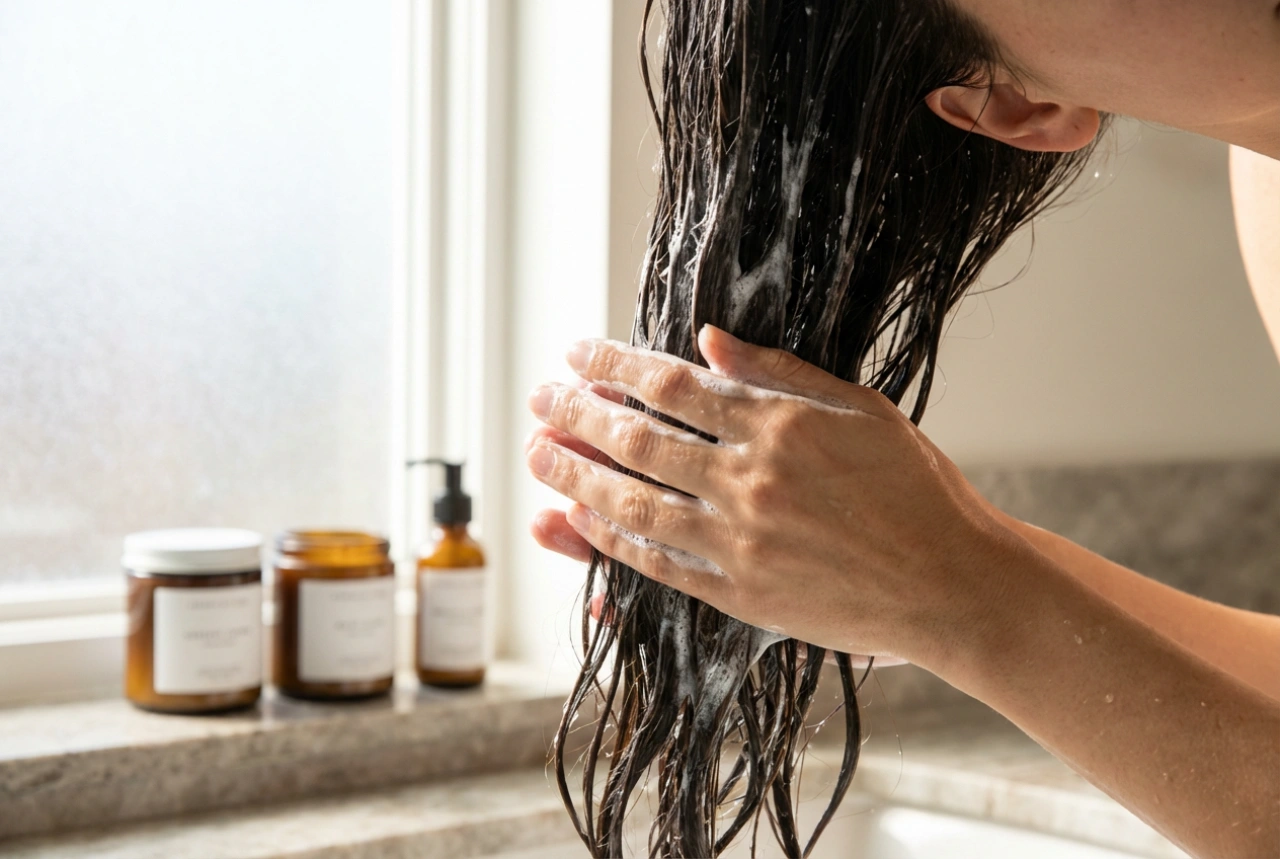
Start by thoroughly wetting your hair with warm water. Warmth is particularly beneficial for low porosity hair as it helps to gently raise the tightly closed cuticles, allowing the shampoo to cleanse more effectively. Emulsify a small amount of shampoo with water in your hands before applying it to the scalp. Focus the massage on the scalp area to remove sebum and impurities, allowing the lather to run down the lengths of your hair as you rinse.
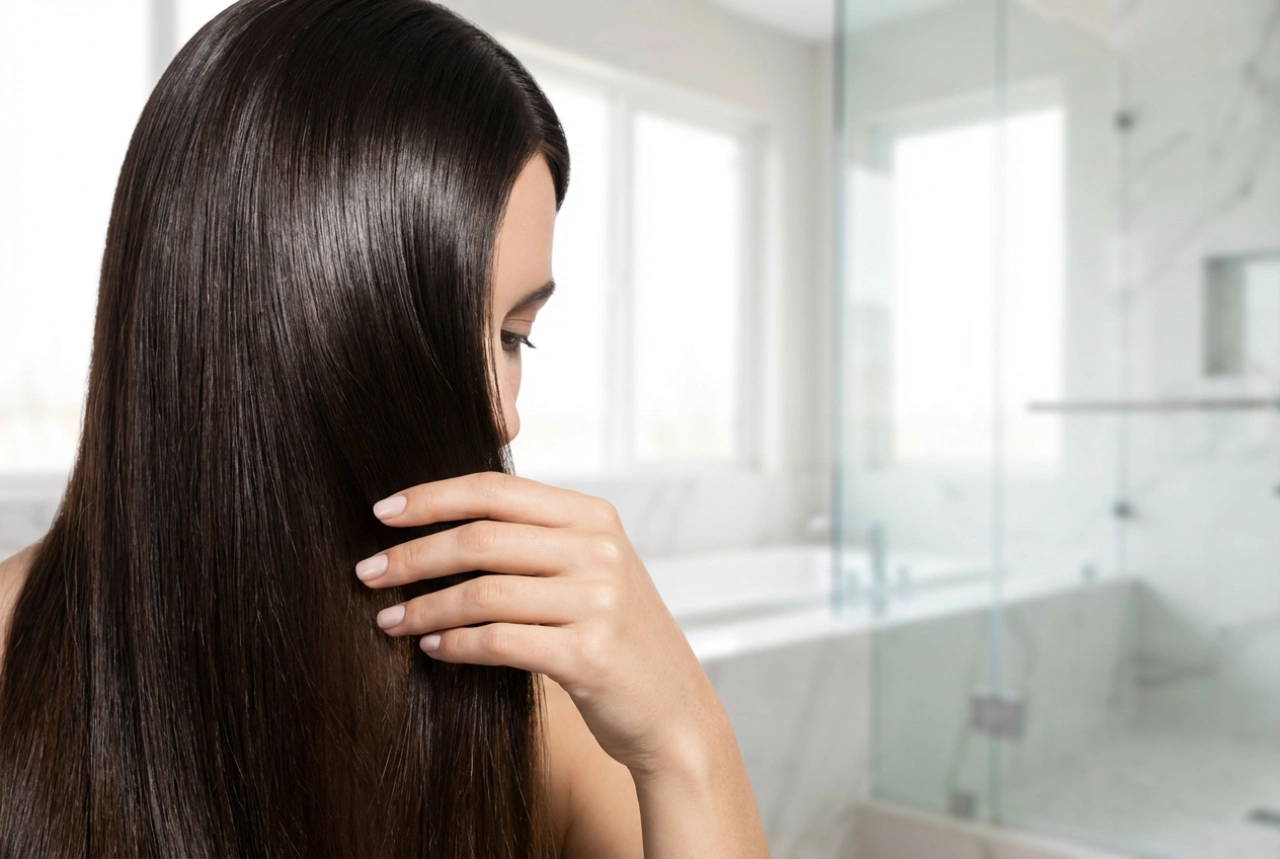
After cleansing, always follow up with a lightweight conditioner, applying it only from the mid-lengths to the ends to avoid weighing down the roots. Rinsing with cool water at the very end of your shower will help seal the cuticles back down, locking in the hydration and leaving your hair with a natural, healthy sheen.