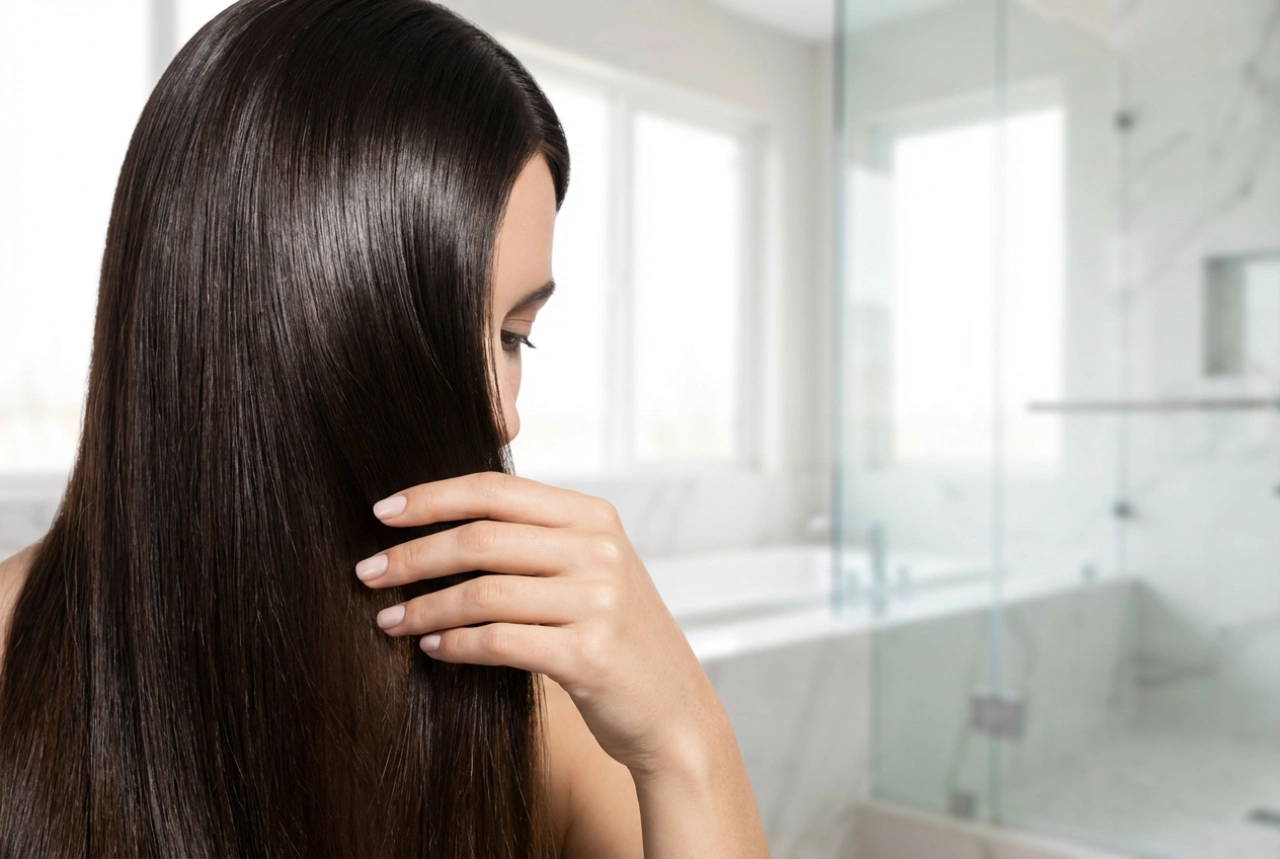


Achieving healthy, lustrous hair that cascades gently with natural shine starts with a thoughtful hair care routine centred on scalp well-being. Often, we focus solely on the appearance of our hair strands, neglecting the very foundation from which they grow. Finding the ideal washing frequency is not a one-size-fits-all formula; it requires understanding the unique needs of your scalp and adjusting your habits accordingly. By establishing a balanced rhythm, you can maintain the natural oils essential for hair health without causing build-up or dryness.
Understanding your scalp type
Just like the skin on your face, your scalp has its own unique characteristics and oil-production levels. Identifying your scalp type is the first step in determining how often you should cleanse your hair.
Oily scalps
An oily scalp produces excess sebum, which can make the hair look flat, greasy, and heavy within a day of washing. While it may be tempting to wash oily hair daily, doing so with harsh cleansers can strip the scalp, prompting it to produce even more oil in self-defence. For this type, washing every other day or every two days with a gentle, sebum-regulating formula is usually optimal.
Dry and sensitive scalps
A dry scalp often feels tight, itchy, or flaky, especially after washing. The hair itself may appear dull and prone to frizz. If you have a dry scalp, washing your hair too frequently will exacerbate dryness. A schedule of once or twice a week is typically sufficient, allowing natural oils to nourish the scalp and hair shafts naturally.
Normal and combination scalps
If your scalp feels comfortable and your hair retains its bounce and freshness for a few days, you likely have a normal or combination scalp. This balanced type allows for great flexibility, with a washing frequency of two to three times a week usually keeping the scalp clean and the hair looking healthy and radiant.
The factors influencing your washing frequency
Beyond your basic scalp type, several daily factors can influence how quickly your hair loses its freshness. Adapting your routine to these variables ensures your hair remains in optimal condition.
- Hair texture: Fine hair has more individual strands per square inch, meaning there are more sebaceous glands producing oil, which can weigh down fine hair quickly. Coarser, curly, or coily hair types naturally resist oil migration down the hair shaft, meaning they require much less frequent washing.
- Physical activity: Regular exercise and sweating can lead to a salt build-up on the scalp, which can cause discomfort. While you may need to rinse or wash your hair more frequently when working out, opting for co-washing (using a lightweight conditioner instead of shampoo) or rinsing with lukewarm water can sometimes suffice between regular washes.
- Styling habits: The use of heavy styling creams, waxes, or dry shampoos creates product build-up on both the hair and scalp. If you use styling products frequently, you may need to wash your hair more regularly or introduce a gentle clarifying wash to prevent clogged follicles.
- Environmental exposure: Living in a busy urban environment with high levels of dust and pollution can contribute to impurities settling on your hair and scalp, requiring a more consistent cleansing routine.
How to wash your hair correctly for scalp well-being
The technique you use during your washing routine is just as important as the frequency. Gentle, deliberate steps can transform a basic chore into a nourishing ritual that supports hair vitality.
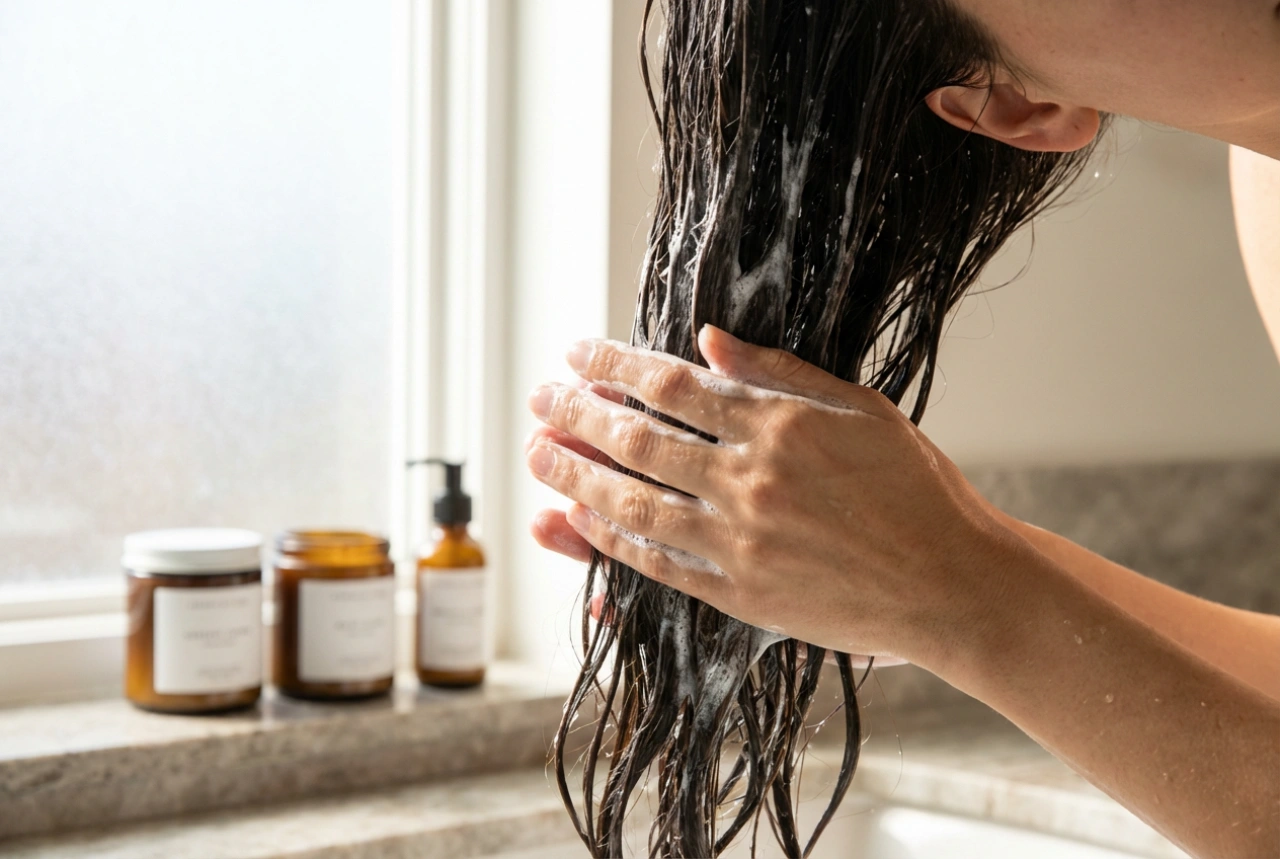
Begin by thoroughly wetting your hair with lukewarm water. Water that is too hot can strip natural moisture and irritate the scalp, while cold water may not effectively dissolve oils. Apply a small amount of shampoo to your palms, lather it slightly, and focus the application directly on the scalp. Massage gently using the pads of your fingers, avoiding using your fingernails, which can scratch and damage the skin.
Let the lather run through the lengths of your hair as you rinse, rather than scrubbing the delicate ends. If you use styling products or have an oily scalp, a double cleanse can be highly beneficial. The first wash removes surface grime and products, while the second deeply purifies the scalp. Always follow with a lightweight conditioner applied from the mid-lengths to the ends to lock in hydration and smooth the hair cuticle.
Signs you are over-washing or under-washing
Your hair and scalp will often tell you when your routine is out of balance. Being attentive to these subtle signs allows you to fine-tune your washing schedule effectively.
Signs of over-washing include a tight, itchy scalp immediately after drying, a sudden increase in oiliness (the rebound effect), and brittle, lacklustre hair ends that split easily. On the other hand, signs of under-washing include a heavy, weighed-down feeling at the roots, a dull appearance, scalp itchiness accompanied by soft, oily flakes, and a lingering stale scent. Finding the perfect balance means your hair feels light, looks naturally shiny, and your scalp feels comfortable and calm throughout the week.