

Effective hand washing is a cornerstone of personal hygiene and contributes to a feeling of overall freshness and well-being. In the quest for ultimate cleanliness, many people turn to antibacterial soaps. While they are a popular choice, understanding how to use them correctly and the importance of aftercare is key to maintaining healthy, comfortable skin. Proper technique and follow-up moisturising can make all the difference, ensuring your hands are not only clean but also well-cared for.
What Makes Antibacterial Soap Different?
The primary distinction between regular and antibacterial soap lies in their composition and mechanism. Regular soap works by using surfactants that bind to dirt, oils, and microbes on the skin, allowing them to be washed away with water. It is a highly effective method of physical removal. Antibacterial soap, on the other hand, contains active ingredients specifically designed to reduce or inhibit the growth of certain bacteria on the skin's surface. These agents provide an extra level of antimicrobial action beyond simple washing. However, it's important to recognise that the effectiveness of any soap is heavily dependent on the thoroughness of the washing process itself.
Guidelines for Sensible and Effective Use
To get the most out of any soap, including antibacterial varieties, the right technique is paramount. Frequent or improper use of antibacterial soap can sometimes lead to skin dryness, so adopting a mindful approach is beneficial for your skin's health.
- Use Lukewarm Water: Very hot water can strip the skin of its natural oils more quickly, leading to dryness and irritation. Lukewarm water is just as effective for cleaning and is gentler on your hands.
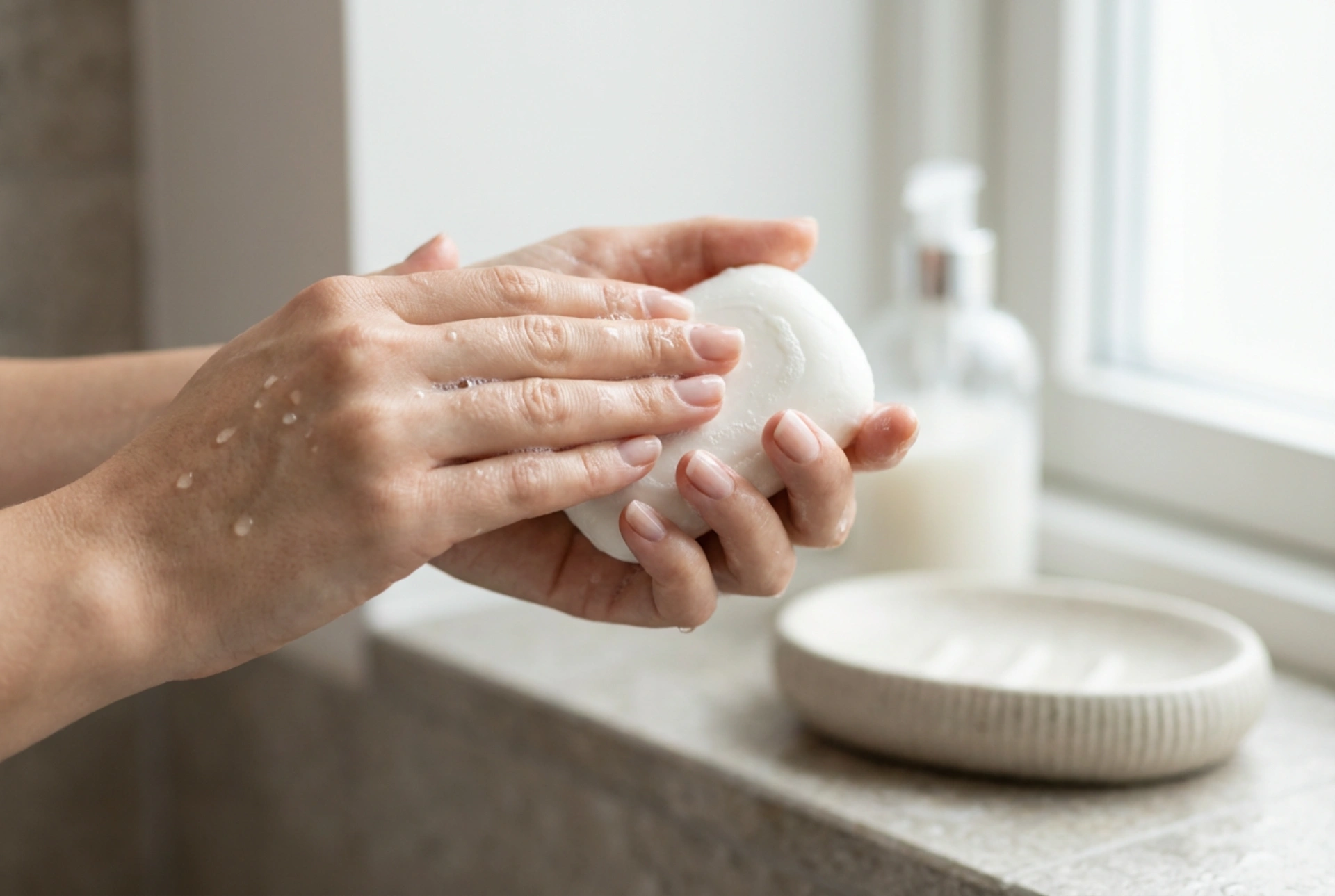
- Lather Thoroughly: Work the soap into a rich lather. This process helps to lift dirt and microbes from the skin.
- Scrub for at least 20 Seconds: The duration of washing is critical. Make sure to scrub all surfaces of your hands, including the backs of your hands, between your fingers, and under your nails.
- Rinse Completely: Rinse all the soap residue from your hands. Leftover soap can be a source of irritation and dryness.
- Pat Hands Dry: Gently pat your hands dry with a clean towel. Avoid vigorous rubbing, which can be abrasive to the skin.
For most people in a typical home environment, regular soap and water are sufficient for daily hygiene. Antibacterial soaps might be considered in specific situations, but they are not always necessary for routine hand washing.
The Importance of Post-Washing Care
Frequent hand washing, especially with soaps containing antibacterial agents, can disrupt the skin's natural protective barrier. This barrier, composed of lipids and skin cells, is crucial for retaining moisture and protecting against external irritants. When it becomes compromised, skin can lose water more easily, leading to symptoms of dryness such as tightness, flaking, redness, and discomfort. This is why post-washing care is not just an indulgence but an essential step in a complete hygiene routine. Replenishing lost moisture helps to keep the skin barrier intact, resilient, and healthy.
How to Moisturise Your Hands Effectively
Immediately after washing and patting your hands dry is the optimal time to apply a moisturiser. Your skin is still slightly damp, which helps the lotion or cream to lock in hydration more effectively. Make this a consistent habit throughout the day, especially after each time you wash your hands.
When selecting a hand moisturiser, look for products with ingredients known for their hydrating and barrier-supporting properties. These can include:
- Humectants: Ingredients like glycerine and hyaluronic acid attract water to the skin, boosting hydration levels.
- Emollients: Ingredients such as shea butter, cocoa butter, and various natural oils help to soften and smooth the skin by filling in the gaps between skin cells.
- Occlusives: These form a physical barrier on the skin's surface to prevent moisture loss.
- Barrier-repairing ingredients: Ceramides, for example, are lipids that are naturally part of the skin barrier and help to replenish it.
By integrating this simple step into your routine, you can counteract the potential drying effects of frequent washing and keep your hands feeling soft, smooth, and comfortable.