

Achieving perfectly smooth skin after hair removal is a common beauty goal, but it can often be disrupted by the appearance of ingrown hairs. These small, sometimes irritating bumps can detract from an otherwise flawless finish. Fortunately, a dedicated post-depilation cream can be a powerful ally in preventing their formation. Understanding what to look for in such a product and how to use it correctly is key to maintaining calm, clear, and hydrated skin. A gentle, soothing cream applied to the skin can make all the difference in your post-hair removal care routine.
Understanding Ingrown Hairs and Their Causes
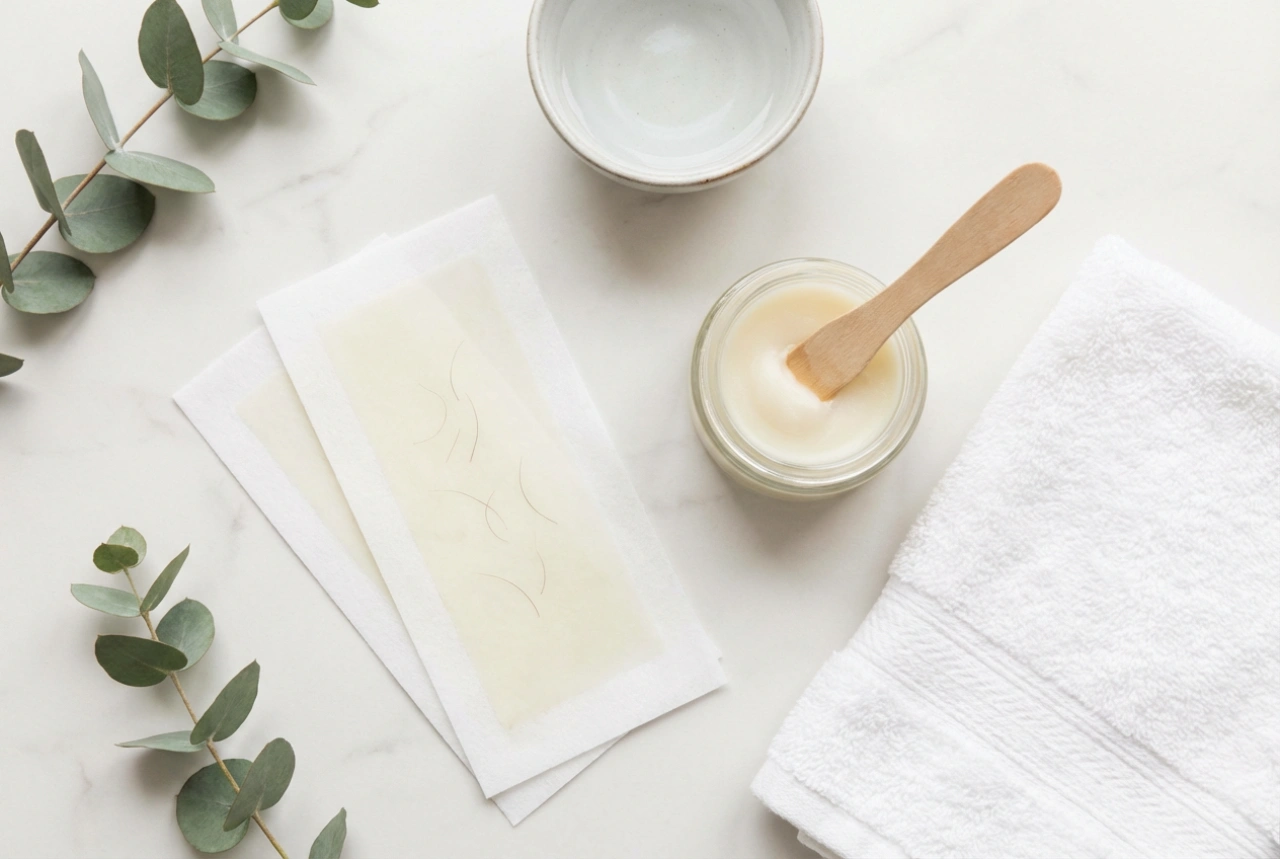
An ingrown hair occurs when a hair that has been removed—whether by shaving, waxing, or epilating—curls back or grows sideways into the skin instead of up and out of the follicle. This can lead to a small, raised bump that may look like a pimple. Several factors can contribute to their development. The most common cause is a build-up of dead skin cells that clogs the hair follicle, obstructing the hair's path. Other contributing factors include wearing tight clothing that creates friction against the skin, having naturally curly or coarse hair, and improper hair removal techniques.
Key Ingredients in an Effective Ingrown Hair Cream
When selecting a cream to combat ingrown hairs, the ingredient list is your most important guide. A well-formulated product will typically combine exfoliating, soothing, and moisturising components to address the issue from multiple angles.
Gentle Exfoliants
Chemical exfoliants are essential for preventing the build-up of dead skin cells. They work by dissolving the bonds that hold these cells to the surface, allowing them to be shed more easily and keeping hair follicles clear. Look for creams containing Alpha Hydroxy Acids (AHAs) like glycolic acid or lactic acid, or Beta Hydroxy Acids (BHAs) such as salicylic acid. These ingredients help to refine the skin's texture and ensure that new hairs can grow out freely.
Soothing and Calming Agents
Hair removal can be stressful for the skin, often leaving it feeling sensitive and irritated. Ingredients with soothing properties are crucial for calming the skin and reducing redness. Natural extracts like aloe vera, chamomile, and calendula are excellent for this purpose. Other beneficial compounds include allantoin and panthenol (pro-vitamin B5), which support the skin's natural recovery process and provide immediate comfort.
Moisturising and Barrier-Supporting Components
Keeping the skin well-hydrated is fundamental to preventing ingrown hairs. Supple, moisturised skin is more flexible, making it easier for hairs to penetrate the surface without getting trapped. Look for humectants like glycerin and hyaluronic acid, which draw moisture into the skin, and emollients such as shea butter, jojoba oil, or squalane, which lock that moisture in and help maintain a healthy skin barrier.
How to Correctly Apply an Ingrown Hair Cream
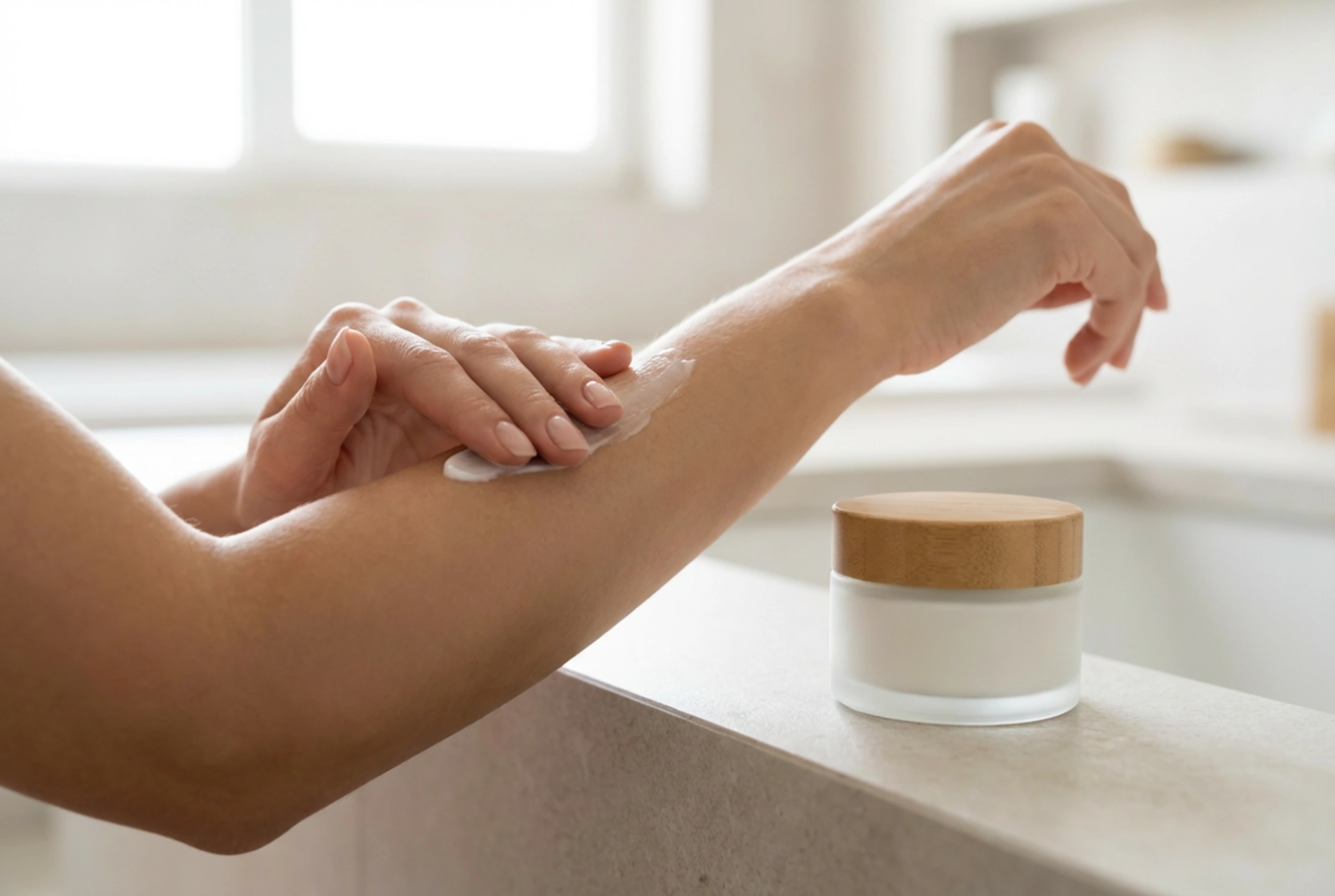
To get the most benefit from your cream, proper application is key. Consistency is just as important as the product itself. For best results, follow a simple routine. After hair removal, wait a few minutes to allow the skin to calm down, especially if you have used a cream with potent exfoliants. Start with clean, dry skin. Dispense a small amount of the cream and apply a thin, even layer to the areas prone to ingrown hairs, such as the bikini line, underarms, or legs. Massage it in gently using circular motions until it is fully absorbed. Depending on the product's instructions and your skin's sensitivity, you can apply it daily or after each time you shave or wax.
Complementary Habits for Preventing Ingrown Hairs
While a specialised cream is highly effective, incorporating other good habits into your routine can further enhance your results and help keep your skin consistently smooth and bump-free.
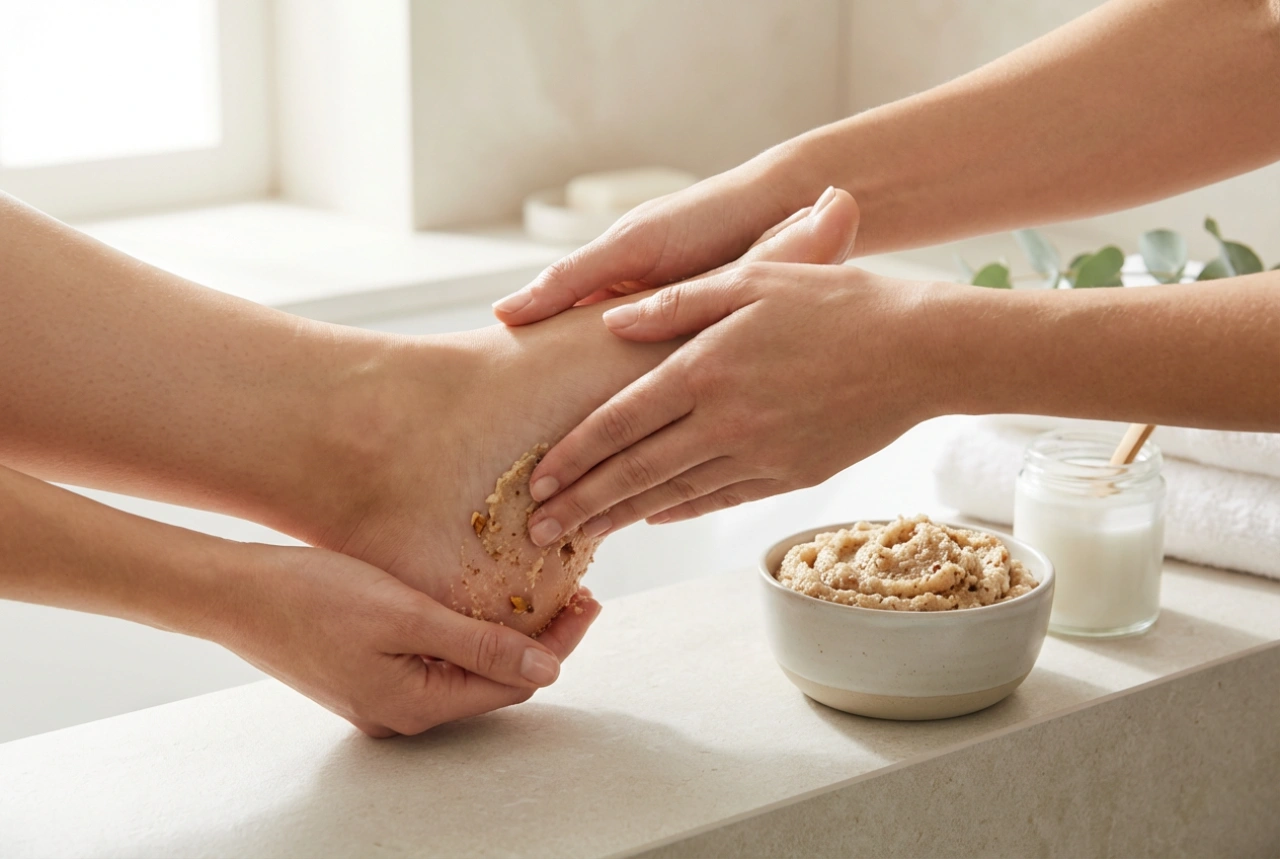
- Regular Exfoliation: In addition to using an exfoliating cream, consider using a gentle physical scrub or a washcloth on the days between hair removal sessions to manually slough off dead skin.
- Choose Appropriate Clothing: Immediately after hair removal, opt for loose-fitting clothes made from natural, breathable fabrics like cotton to minimise friction and allow the skin to breathe.
- Proper Hair Removal Technique: If you shave, always use a sharp, clean blade and shave in the direction of hair growth. If you wax, ensure the skin is held taut during the process.
- Maintain Skin Hydration: Moisturise your body daily, not just after hair removal. Healthy, hydrated skin is your best defence against a wide range of common skin concerns, including ingrown hairs.