

The humble bar of soap is experiencing a resurgence, transforming from a simple cleanser into a luxurious element of daily skincare. Its solid form offers a sustainable and often beautifully crafted alternative to liquid soaps. Understanding how to choose the right bar, create a perfect lather, and store it correctly is key to unlocking its full potential and ensuring it remains a firm, effective part of your routine.
Choosing the Right Bar Soap for Your Skin
Selecting a soap that complements your skin's needs is the first step towards a positive experience. Not all bars are created equal, and their formulations can vary significantly, so paying attention to the details can make all the difference.
Consider Your Skin Type
The foundation of a good choice lies in matching the soap to your skin's characteristics.
- For Dry Skin: Look for soaps rich in moisturising ingredients like shea butter, cocoa butter, olive oil, or avocado oil. These help to cleanse without stripping the skin of its natural oils, leaving it feeling soft and hydrated.
- For Oily or Combination Skin: Bars containing ingredients like certain types of clay can be beneficial. They help to absorb excess oil and purify pores without being overly harsh, promoting a more balanced complexion.
- For Sensitive Skin: Opt for simple, fragrance-free formulations. Soaps with ingredients like oatmeal or chamomile can have soothing properties. A patch test on a small area of skin is always a good idea before using a new product all over.
Read the Ingredient List
A key ingredient to look for is glycerine. It is a natural humectant created during the soap-making process, which draws moisture to the skin. Many high-quality, artisanal soaps retain this beneficial glycerine. Try to choose soaps based on natural oils and butters rather than synthetic detergents, which can sometimes be more drying for the skin.
The Art of Creating a Rich Lather
The creamy, abundant lather often seen in advertisements is achievable with the right technique. It not only feels luxurious but also helps to distribute the soap evenly for effective cleansing.
Perfecting Your Lathering Technique
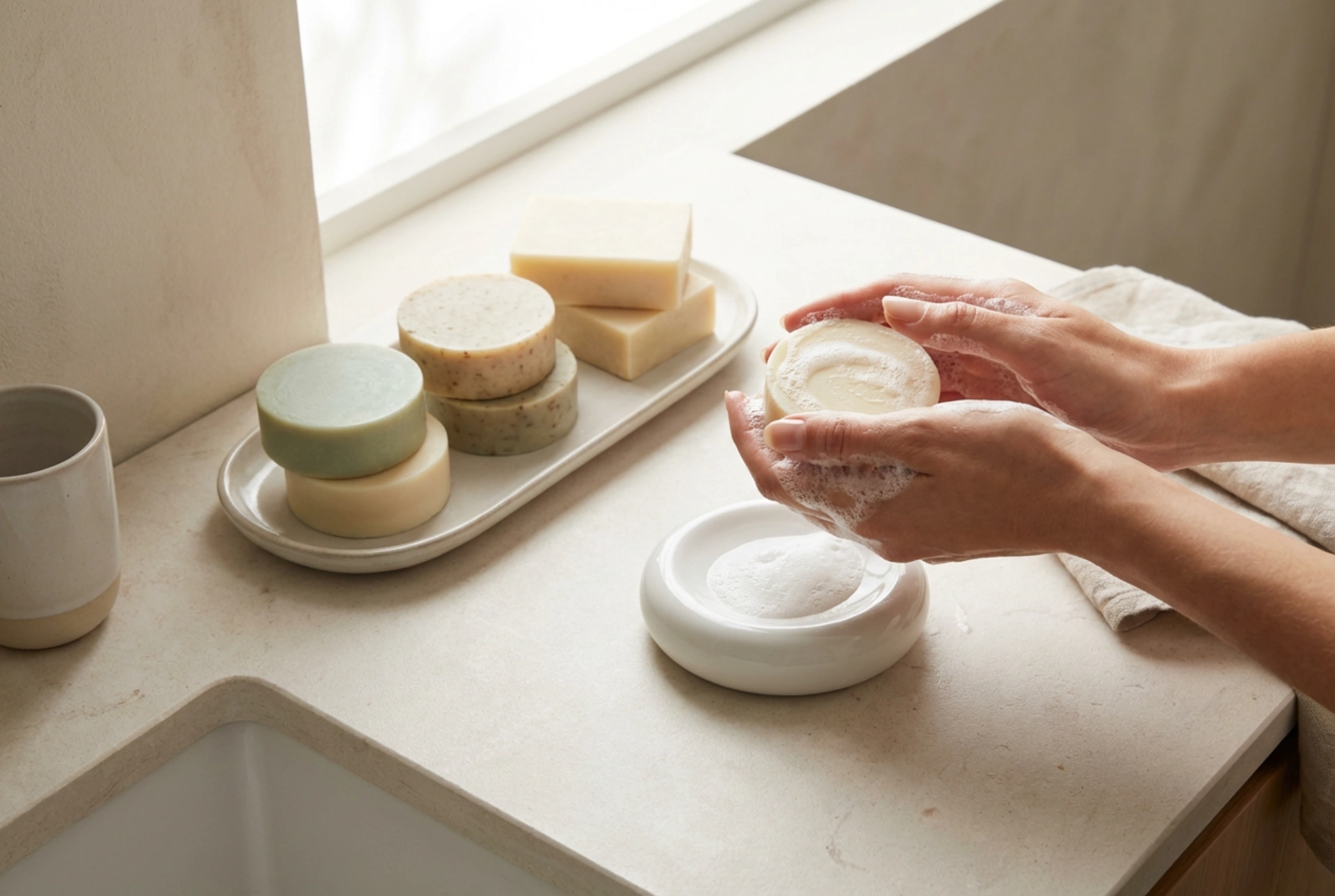
Start by wetting both your hands and the bar of soap with warm water. Rub the bar between your palms for about 10-15 seconds until a preliminary foam appears. Then, put the soap down and continue rubbing your palms together. This friction will build the initial foam into a dense, creamy lather. For body washing, you can also rub the bar directly onto a wet washcloth, sponge, or loofah to generate a generous amount of foam.
The Role of Water Temperature
Warm water is your best ally in creating a good lather. It helps to soften the soap slightly and dissolve its oils more effectively than cold water, resulting in a quicker and more voluminous foam. However, avoid water that is too hot, as it can strip the skin's natural moisture barrier.
How to Store Bar Soap to Prevent Softening
One of the most common frustrations with bar soap is it turning into a soft, mushy mess. This is entirely preventable with proper storage, which extends the life of the bar and keeps your bathroom looking tidy.
A Draining Soap Dish is Essential
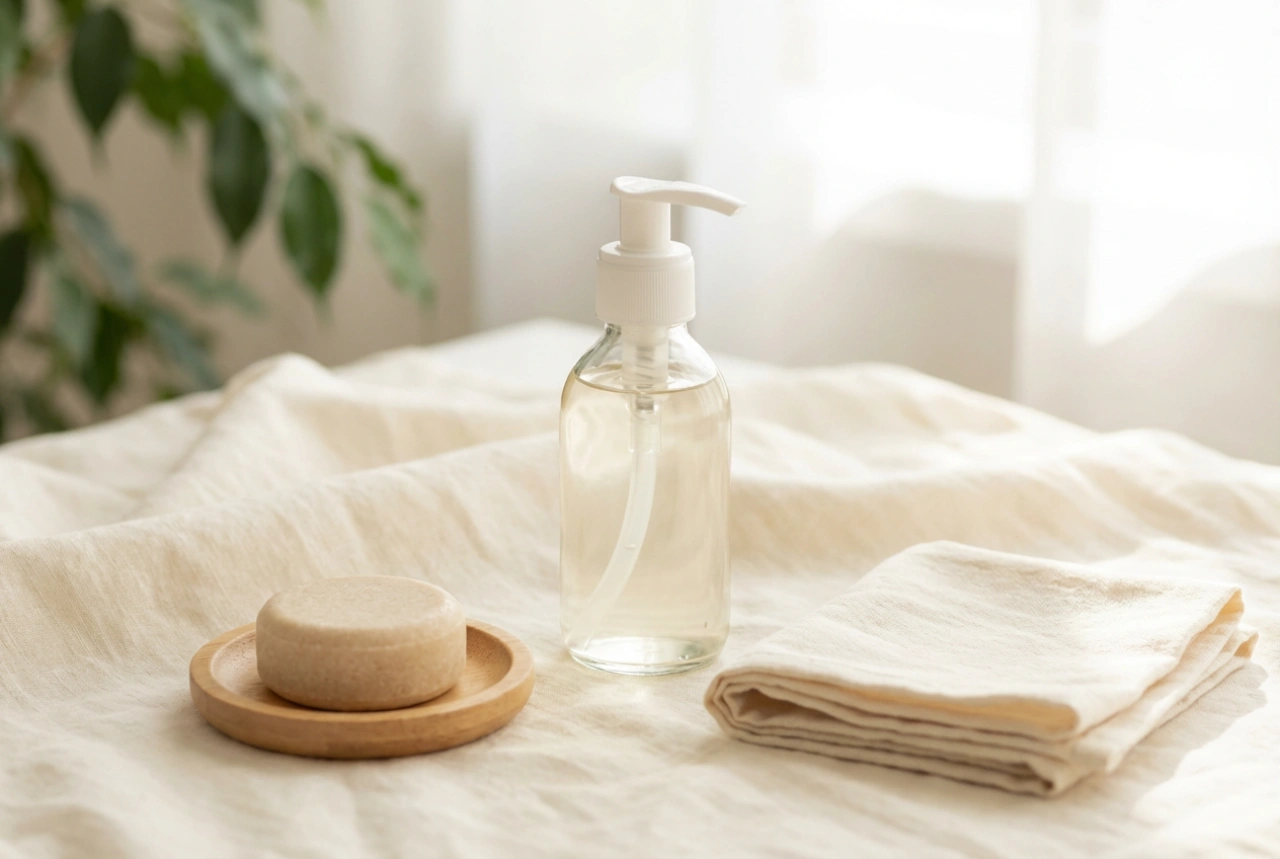
The single most important rule is to never let your soap sit in a puddle of water. Choose a soap dish that allows for complete drainage. Look for designs with slats, holes, or raised ridges that lift the bar up and away from any collected water. This allows air to circulate around the entire bar, helping it to dry out and re-harden between uses.
Location Matters
Keep your soap dish away from the direct spray of the shower or tap. The constant exposure to water will prevent it from ever drying out properly. Find a spot on your vanity or a shower caddy shelf that stays relatively dry. After each use, you can even stand the bar on its narrowest edge within the dish to minimise contact and maximise air exposure.
Storing New Bars
To keep your unused soaps fresh, store them in a cool, dry, and dark place, like a linen closet or a drawer. This will help preserve their scent and texture until you are ready to use them. Leaving them in their original packaging can also help maintain their integrity.
By selecting a bar tailored to your skin, mastering the art of lathering, and providing the right storage, you can elevate the simple act of washing into a satisfying ritual. A well-cared-for bar of soap is not only economical and eco-friendly but also a small daily luxury that leaves your skin feeling clean and comfortable.