

Achieving beautifully smooth skin is a common goal in many beauty routines, and the method you choose can make all the difference. Hair removal foams, often seen as a staple in a mindful grooming ritual, offer a luxurious and effective way to prepare the skin for shaving. Unlike soap or water alone, a quality foam provides a protective cushion that not only helps the razor glide effortlessly but also cares for your skin, leaving it soft and calm. This guide will walk you through everything you need to know to make shaving with foam a pleasant and beneficial experience.
Understanding the Role of Hair Removal Foam
Hair removal foam, also known as shaving foam, is an aerosol product that dispenses a rich, airy lather. Its primary function is to create a lubricating barrier between the sharp edge of the razor and your delicate skin. This barrier is crucial for several reasons. Firstly, it significantly reduces friction, which is a leading cause of razor burn, redness, and irritation. Secondly, the foam helps to soften and lift the hairs away from the skin's surface, allowing the blade to cut them more effectively and closely. Finally, many modern foams are enriched with skin-caring ingredients that moisturise and soothe the skin during the hair removal process.
How to Choose the Best Foam for Your Skin Type
Not all shaving foams are created equal, and selecting one that complements your skin type is key to a successful shave. Paying attention to the ingredient list can help you find your perfect match.
For Sensitive Skin
If your skin is prone to redness, itching, or bumps after shaving, you need a foam designed for sensitivity. Look for formulas that are free from potential irritants like alcohol and synthetic fragrances. Instead, seek out products containing calming ingredients such as aloe vera, chamomile, cucumber extract, or allantoin. A hypoallergenic label is often a good indicator of a gentle product.
For Dry Skin
Shaving can strip the skin of its natural oils, leaving it feeling tight and dry. To counteract this, choose a foam with strong moisturising properties. Ingredients like glycerine, shea butter, cocoa butter, and natural oils (such as coconut, almond, or argan oil) are excellent for hydrating the skin. These will help replenish moisture during the shave, leaving your skin feeling supple and nourished.
For Normal or Combination Skin
If you have normal skin, you have a wider range of options. However, it's still wise to opt for a foam that offers good hydration and protection. A balanced formula with ingredients like vitamin E and glycerine will help maintain your skin's health and prevent it from becoming dry or irritated over time.
A Step-by-Step Guide to Flawless Application and Shaving
The right technique is just as important as the right product. Following these steps will help you achieve the smoothest results while keeping your skin safe.
1. Prepare Your Skin
Begin with clean, warm skin. Shaving after a warm shower or bath is ideal, as the steam softens the hair follicles and opens up the pores. This makes the hair easier to cut and reduces the risk of ingrown hairs. You can also apply a warm, damp cloth to the area for a few minutes before you start.
2. Apply the Foam
Shake the can well before use. Hold it upright and dispense a generous amount of foam into your palm. Apply a thick, even layer over the entire area you wish to shave. Ensure the hair is completely covered. Do not rub it in until it disappears; the foam should sit on top of the skin like a cloud, providing that essential protective cushion.
3. Shave with Care
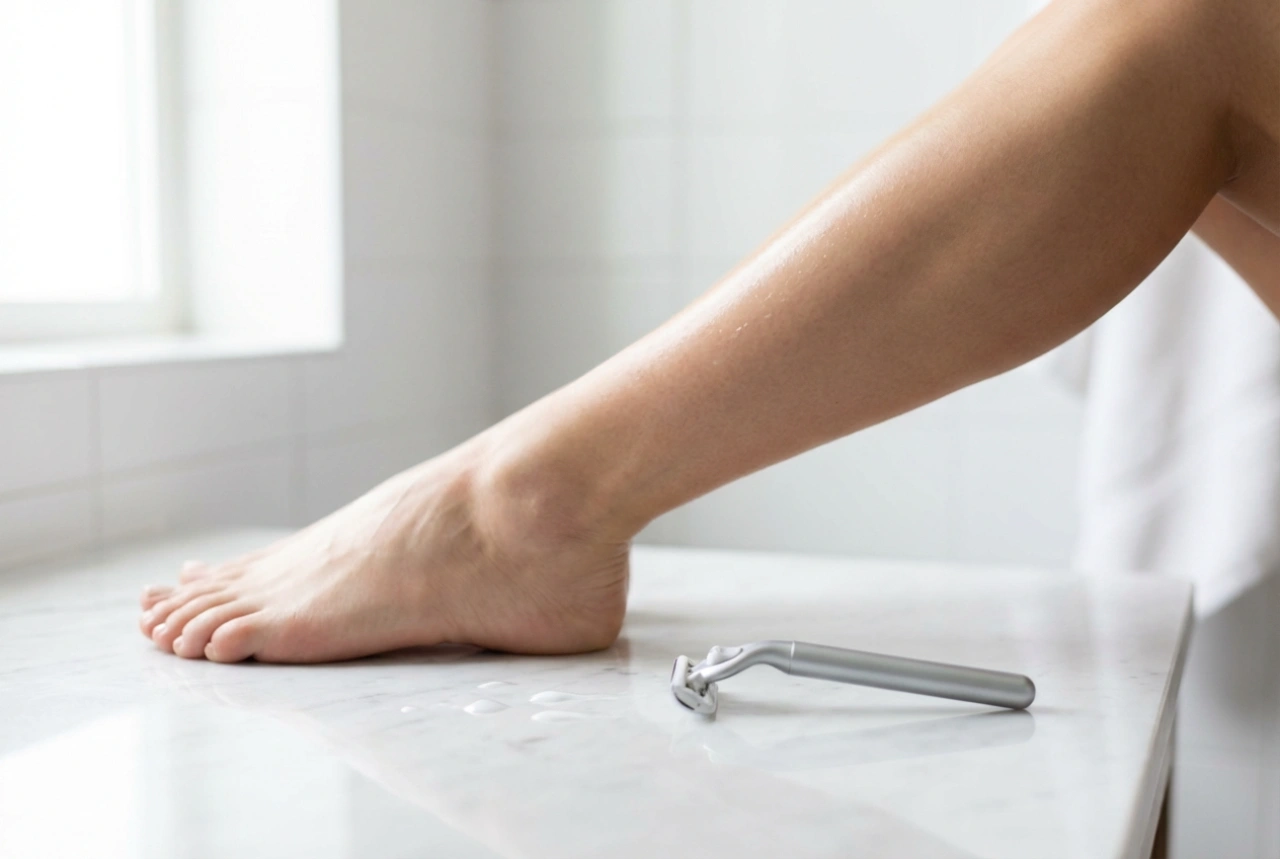
Use a clean, sharp razor blade, as a dull blade can pull at the hair and cause significant irritation. Glide the razor gently over the skin, initially shaving in the direction of hair growth. This is the gentlest method and is recommended for sensitive areas. If you desire a closer shave and your skin is not overly sensitive, you can carefully re-lather and shave lightly against the grain. Remember to rinse your blade under hot water after every one or two strokes to keep it clean and effective.
4. Rinse and Moisturise
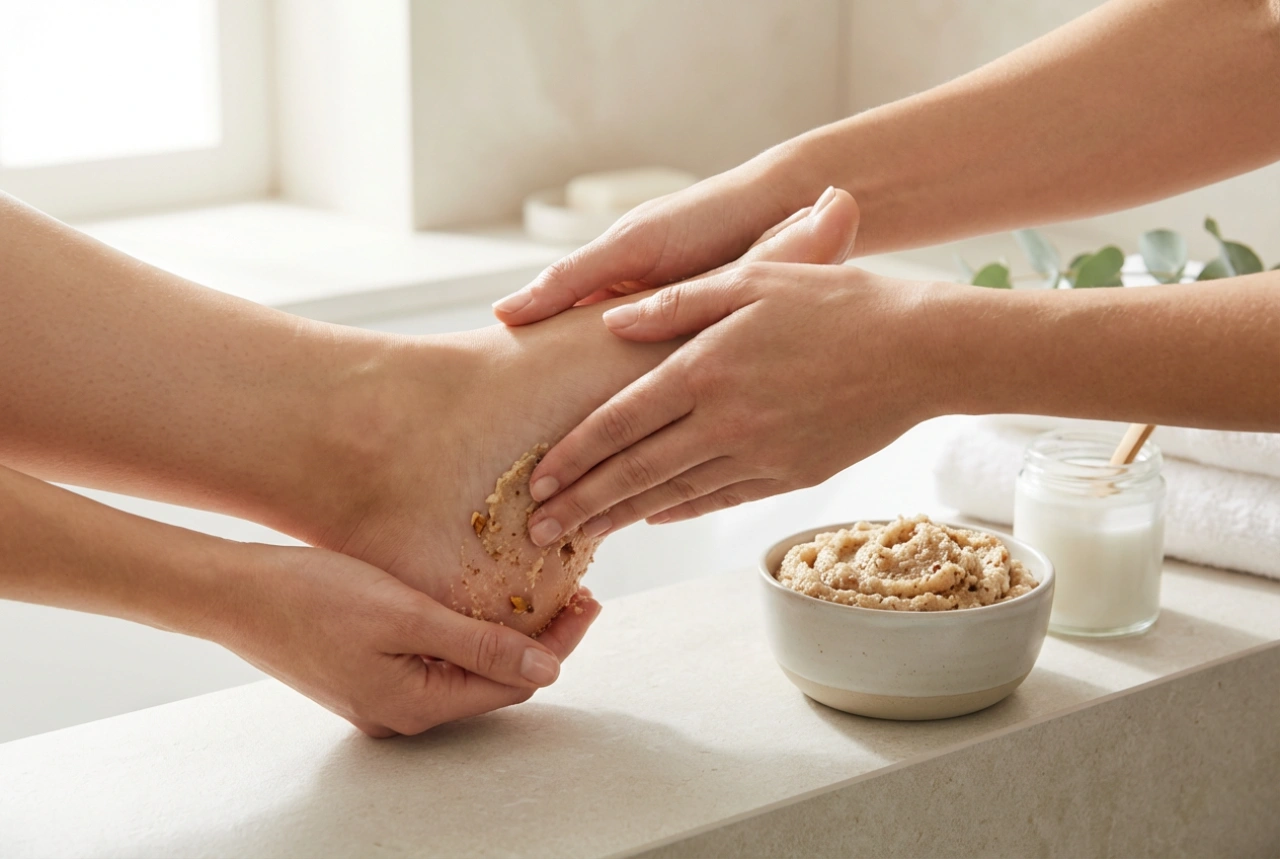
Once you've finished shaving, rinse the area thoroughly with cool water. This helps to remove any residual foam and close the pores. Gently pat your skin dry with a soft, clean towel—avoid vigorous rubbing. The final, crucial step is to apply a soothing, alcohol-free moisturiser or after-shave lotion to replenish hydration and calm the skin.
Common Mistakes to Avoid
For a perfect shave every time, be mindful of these common pitfalls:
- Using an insufficient amount of foam, which reduces the protective barrier.
- Shaving on dry or unprepared skin.
- Using a dull, old, or unclean razor blade.
- Applying too much pressure, which can lead to nicks and irritation.
- Forgetting to moisturise immediately after shaving.
- Shaving over areas with existing cuts, rashes, or irritation.
By incorporating the right hair removal foam into a careful shaving routine, you can transform a necessary task into a pampering self-care ritual. Choosing a product suited to your skin's needs and following the correct application technique will ensure your skin remains not only hair-free but also healthy, smooth, and radiant.