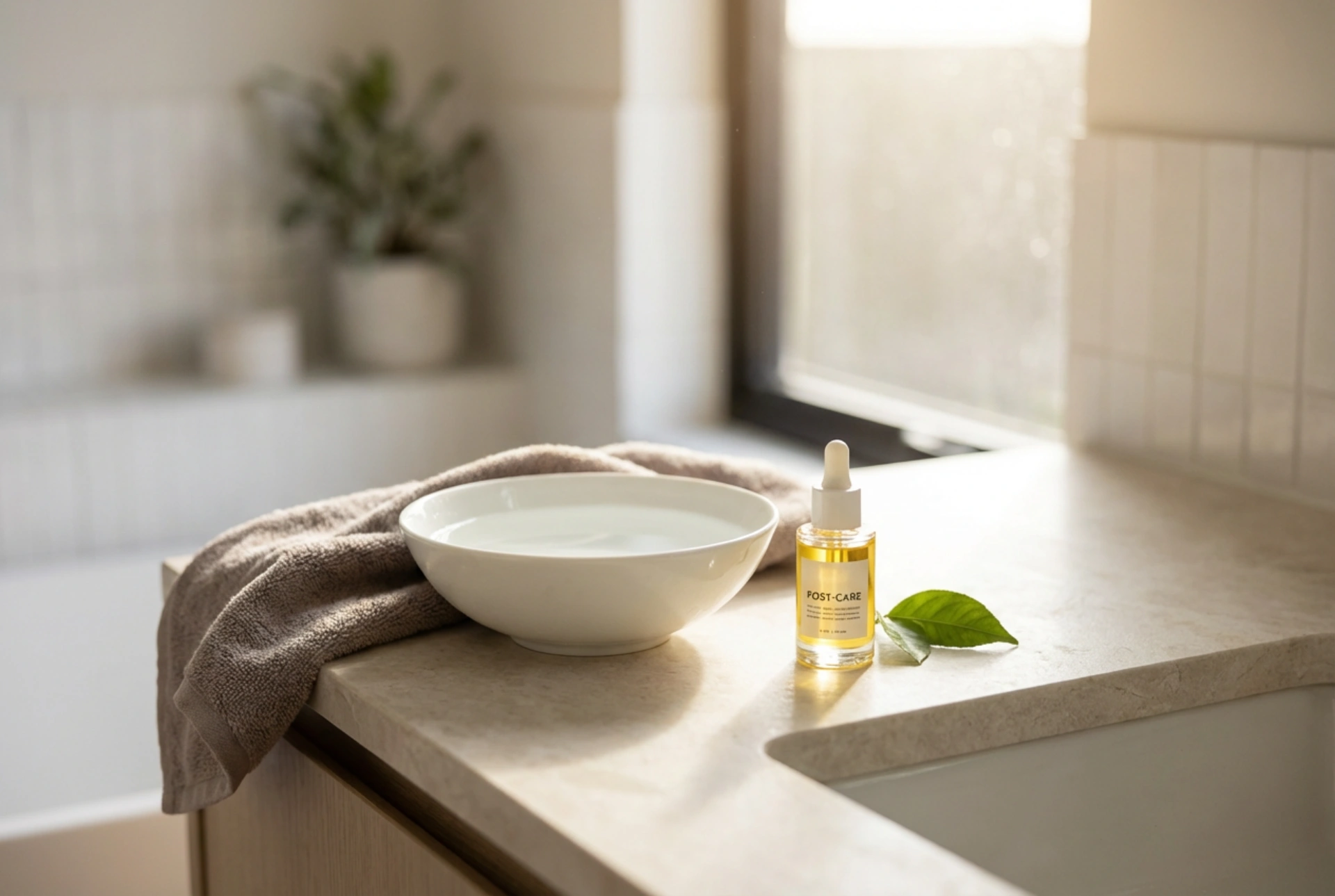


Achieving beautifully smooth skin, especially in delicate areas, is a goal that combines good technique with gentle care. The look of post-care radiance, embodied by soft towels and soothing oils, starts with a proper routine. When it comes to the bikini area, the Brazilian style is a popular choice for a clean, confident feel. Understanding the process, from preparation to aftercare, is key to achieving the best results at home and maintaining healthy, calm skin.
Understanding Bikini Hair Removal Styles
Before beginning, it's helpful to know what a 'Brazilian' actually entails and how it differs from other styles. The choice is entirely personal and depends on your comfort and aesthetic preferences. While there are many variations, the main styles are generally categorised as follows:
- Classic Bikini: This is the most basic tidy-up. Hair is removed from the sides of your upper legs and along the top to ensure nothing is visible outside of a standard bikini bottom.
- Extended Bikini (or French): This style goes a bit further than the classic, removing more hair from the sides and taking the top line lower. It often leaves a neat rectangular or triangular patch of hair at the front, but does not involve hair removal from the labia or perineal area.
- Brazilian: This style involves the removal of most, or all, of the hair from the front, labia, and the perineal area (between the buttocks). Some people choose to leave a small strip or triangle of hair at the front, often called a 'landing strip', while others prefer to be completely bare.
Preparing for At-Home Bikini Hair Removal
Proper preparation is crucial for a more comfortable experience and to minimise the risk of irritation or ingrown hairs. Rushing the process is a common mistake that can lead to less-than-ideal results. Take these steps a day or two before you plan to remove hair.
Skin and Hair Preparation
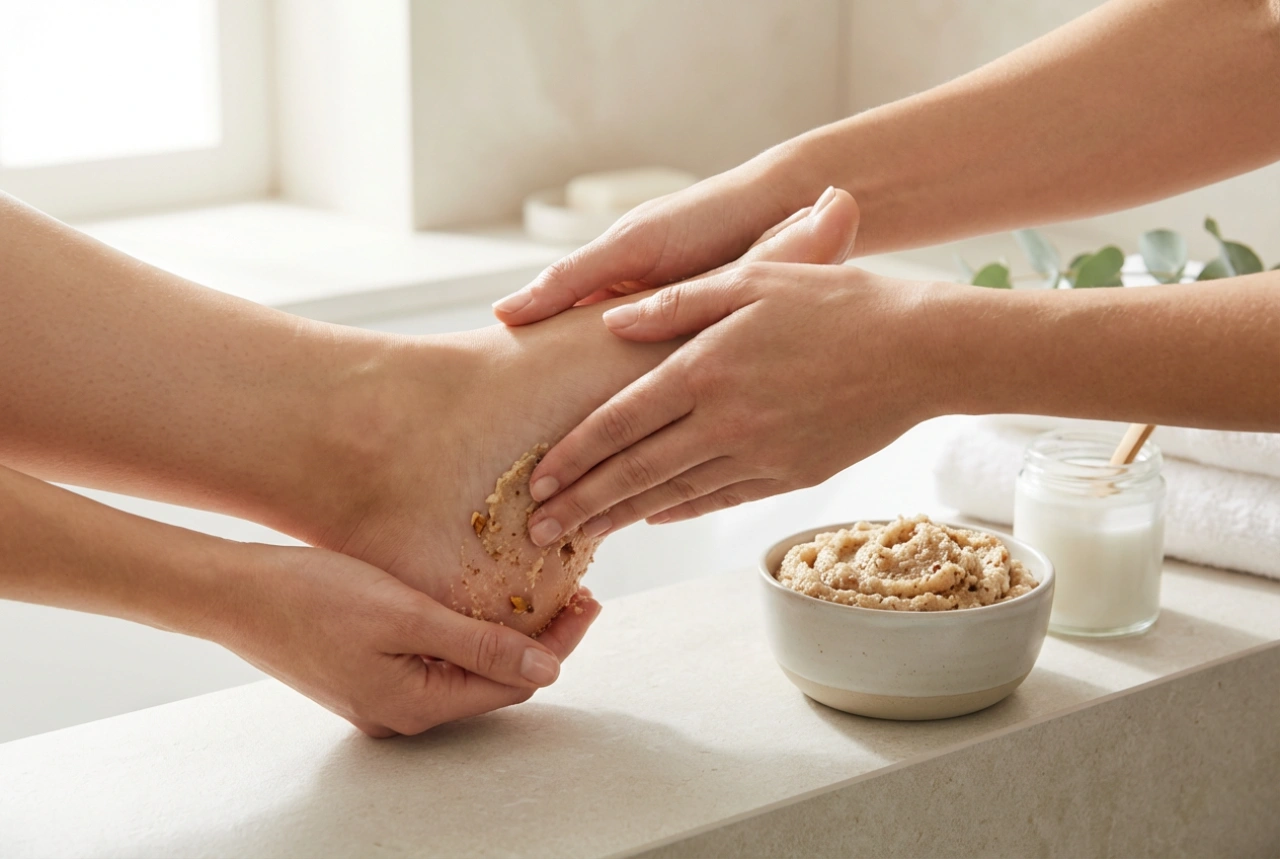
First, ensure your hair is the right length. For waxing, hair should be about a quarter of an inch (around 6mm) long. If it's too short, the wax won't have enough to grip; if it's too long, the process can be more uncomfortable. Trim longer hair carefully with scissors or an electric trimmer. About 24-48 hours before hair removal, gently exfoliate the bikini area with a soft scrub or a washcloth to remove dead skin cells. This helps to prevent ingrown hairs. On the day of removal, cleanse the area with a mild, fragrance-free soap and warm water, then pat it completely dry. Avoid applying any lotions, creams, or oils, as these can interfere with the process, particularly with waxing.
A Guide to At-Home Methods
There are several ways to achieve a Brazilian look at home. The two most common methods are shaving and waxing. Each has its own benefits and requires a specific technique for the best and safest outcome.
Shaving for a Smooth Finish
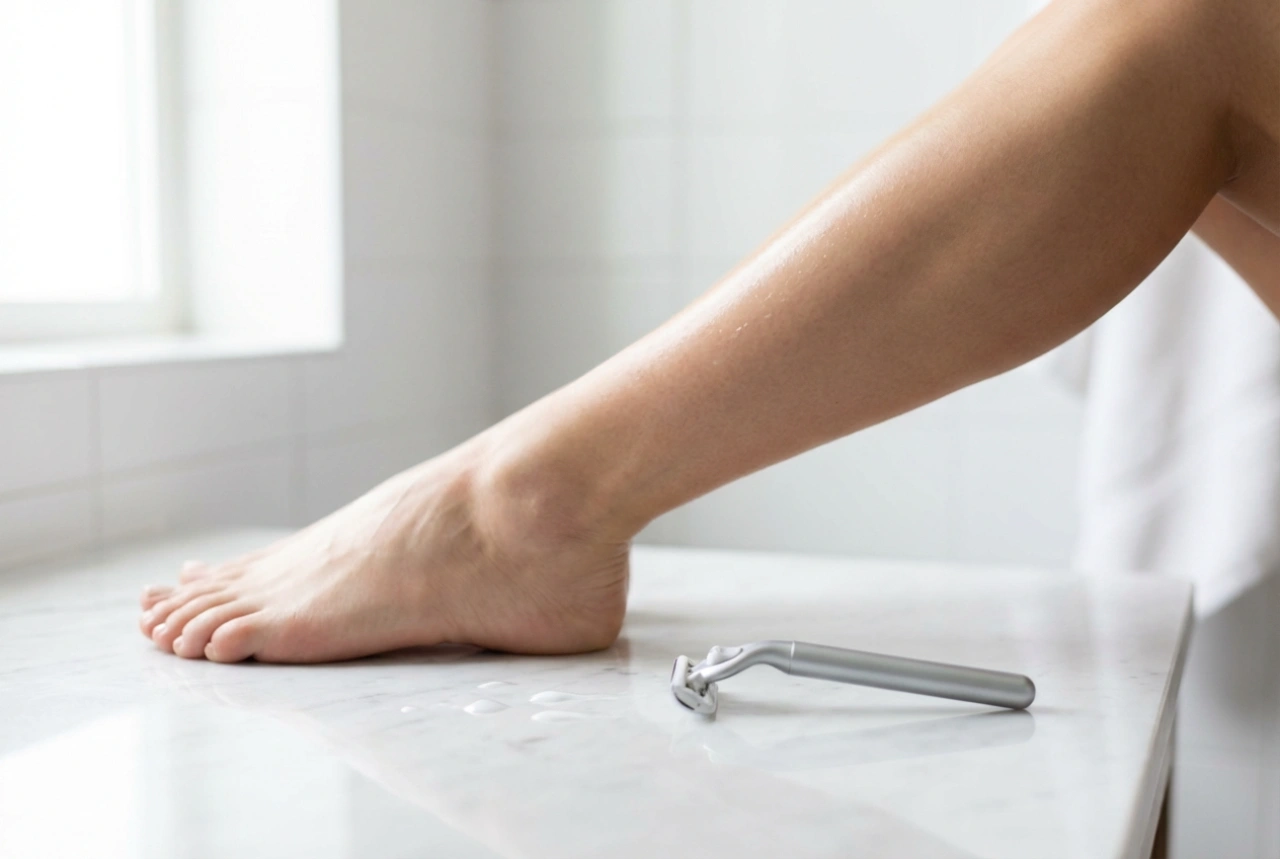
Shaving is a quick, accessible, and painless option. For best results, always use a new, sharp razor blade. A dull blade can pull at the hair and cause razor burn. First, soften the hair and skin by soaking in a warm bath or shower for a few minutes. Apply a generous amount of shaving cream or gel formulated for sensitive skin. This helps the razor glide smoothly and protects the skin. Pull the skin taut and shave in the direction of hair growth to reduce irritation. For a closer shave, you can carefully re-lather and shave against the growth, but be aware this increases the risk of nicks and bumps. Rinse the area with cool water and gently pat dry with a clean towel.
At-Home Waxing for Longer-Lasting Results
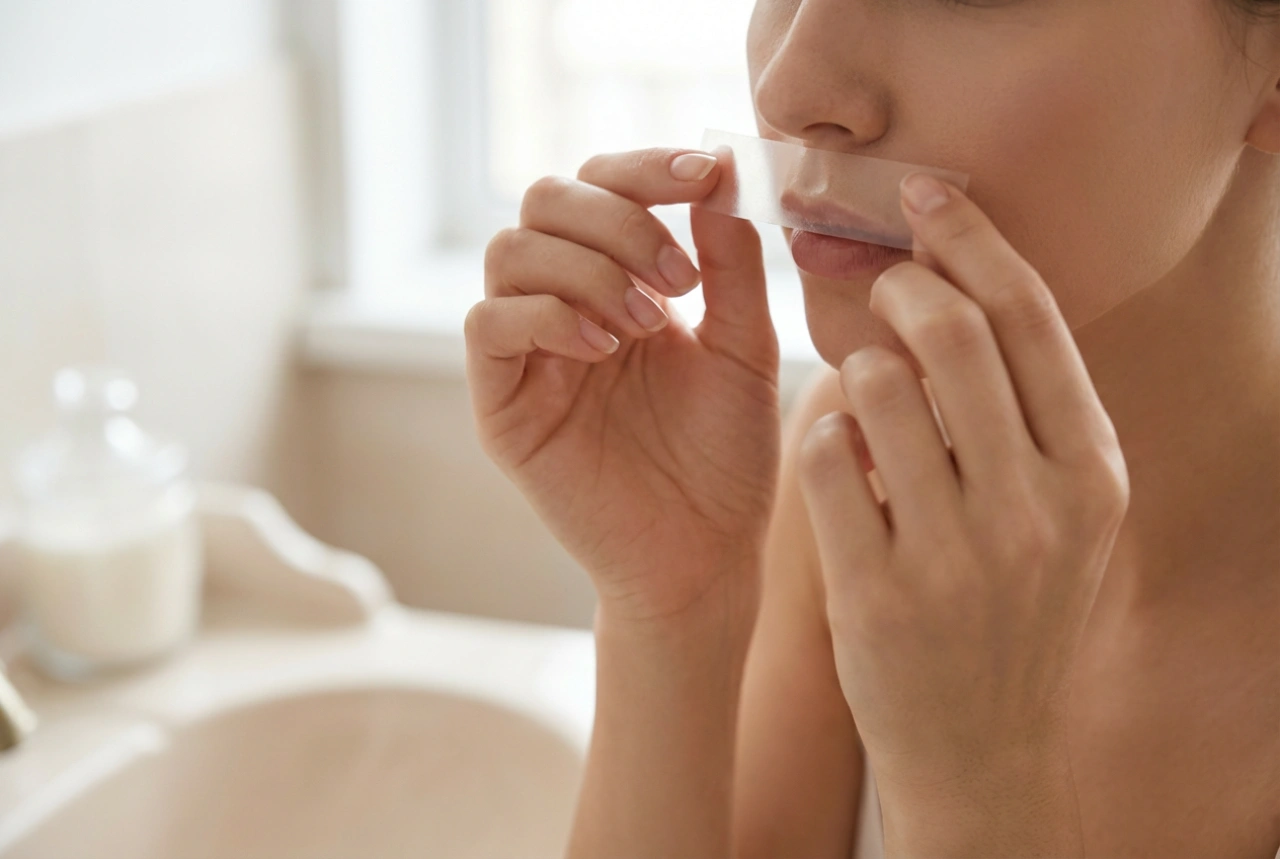
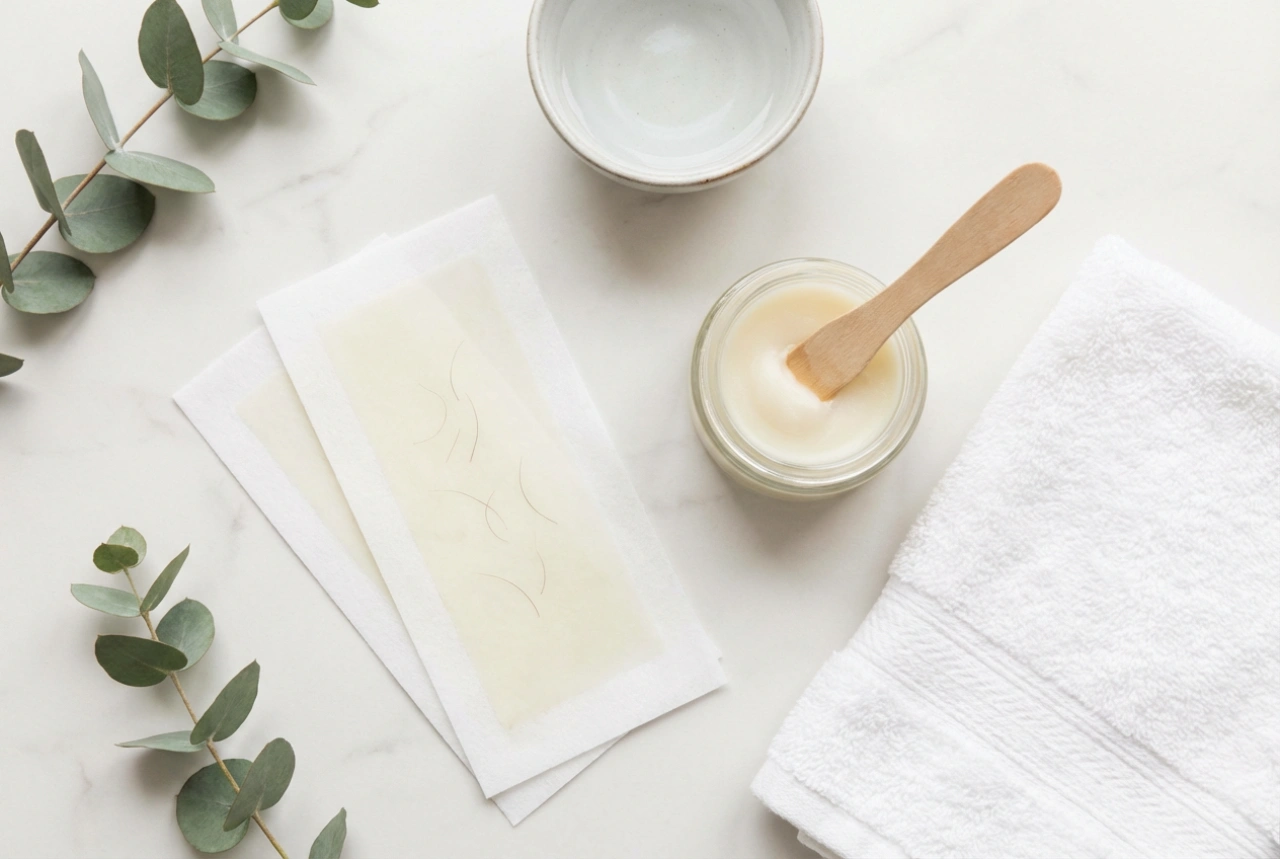
Waxing pulls hair out from the root, so the results last longer than shaving. At-home waxing kits, whether with soft wax and strips or hard wax that is peeled off on its own, are widely available. Read the instructions on your chosen kit very carefully. Heat the wax to the recommended temperature and consistency. Using an applicator, apply the wax in a thin, even layer in the direction of hair growth. If using soft wax, place a strip over it and press down firmly. Hold your skin taut with one hand and, with the other, pull the strip off quickly and parallel to the skin, against the direction of hair growth. Work in small, manageable sections, especially in this sensitive area.
Essential Post-Removal Skincare
What you do after hair removal is just as important as the preparation. Proper aftercare soothes the skin, prevents irritation, and helps maintain smoothness. Immediately after shaving or waxing, wear loose-fitting, breathable cotton underwear and avoid tight clothing to reduce friction. For the first 24-48 hours, avoid hot baths, saunas, swimming pools, and strenuous exercise that causes excessive sweating, as these can introduce bacteria to open follicles. You can apply a soothing, fragrance-free moisturiser or a specialised post-care oil to calm the skin. A few days after hair removal, resume gentle exfoliation two to three times a week to help prevent the formation of ingrown hairs as the hair begins to grow back. This keeps the skin clear and allows new hairs to grow through properly.