

Well-cared-for feet are not just a matter of aesthetics, but also comfort. Dry, cracked heels can be an uncomfortable and persistent issue, detracting from an otherwise polished appearance. Fortunately, with a consistent and gentle care routine, it is possible to restore smoothness and prevent future cracking. Establishing a weekly ritual focused on foot care is a wonderful act of self-care, transforming a common problem into an opportunity for a relaxing moment at home. This guide will walk you through creating an effective routine and using simple home remedies for beautifully soft heels.
Understanding the Causes of Cracked Heels
Before diving into solutions, it’s helpful to understand why heels crack in the first place. The skin on our feet is naturally thicker than elsewhere on the body, but it has fewer oil glands, making it prone to dryness. When pressure and friction from walking and standing are combined with a lack of moisture, the skin can become hard, calloused, and eventually crack. Several factors can contribute to this process:
- Lack of Moisture: This is the primary cause. Dry skin is less flexible and more likely to split under pressure.
- Prolonged Pressure: Standing for long hours, especially on hard surfaces, puts immense strain on the heel pads.
- Open-Heeled Footwear: Shoes like sandals, flip-flops, and slingbacks allow the fat pad under the heel to expand sideways, increasing the pressure on the skin and its likelihood of cracking.
- Dry, Cold Weather: Low humidity in the air can draw moisture from the skin, exacerbating dryness.
- Hot Water: Long, hot baths or showers can strip the skin of its natural oils, leading to increased dryness.
An Effective Weekly Foot Care Routine
Consistency is key to managing cracked heels. Dedicate time once a week to this simple, three-step routine to soften hard skin and maintain healthy feet. Think of it as a mini pedicure at home.
Step 1: The Soothing Soak
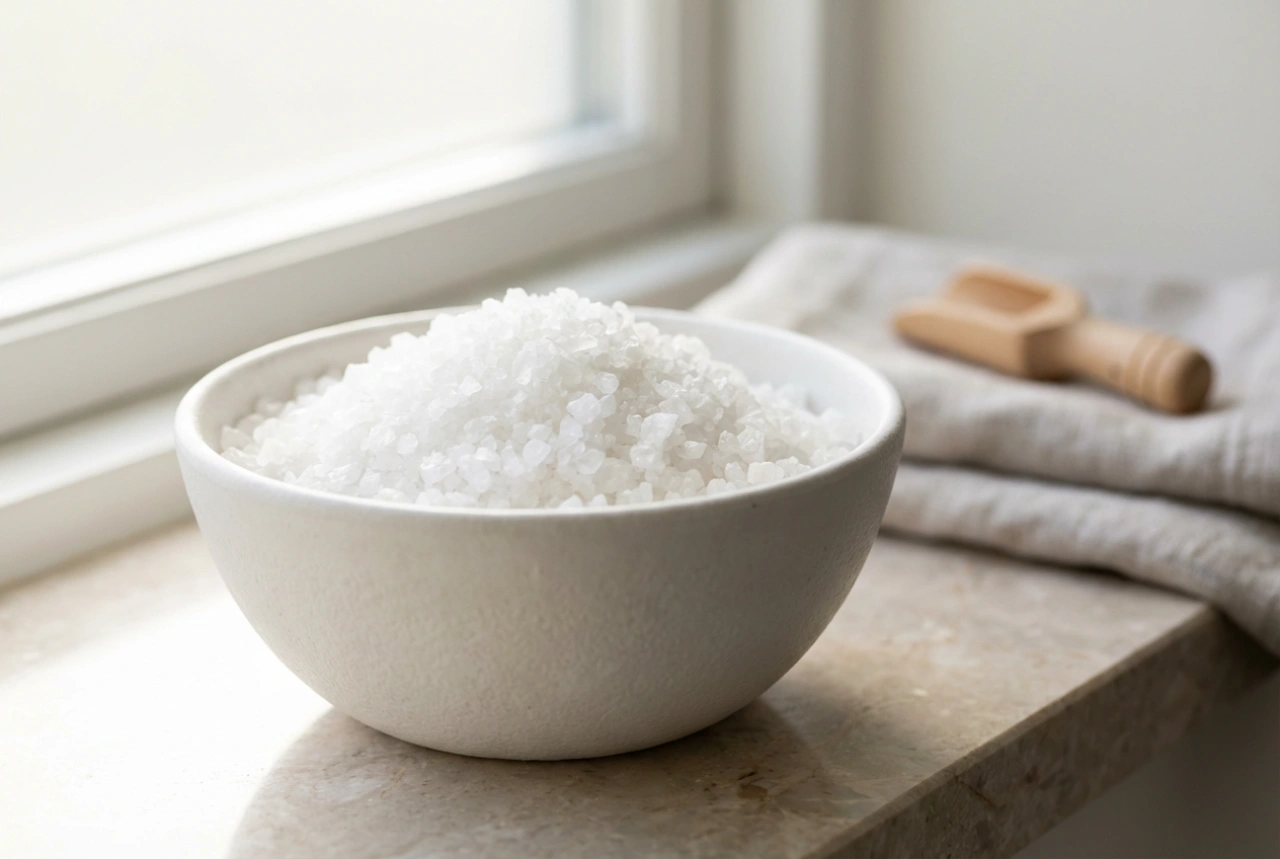
The first step is to soften the tough, calloused skin. Soaking your feet makes the exfoliation process much more effective and less abrasive. Fill a basin with warm (not hot) water, enough to cover your ankles. You can enhance the soak with simple additions like a few drops of a gentle, skin-friendly oil (such as almond or jojoba) or a scoop of Epsom salts, which can help soothe tired feet. Soak for about 10-15 minutes. This will not only soften your heels but also provide a relaxing start to your routine.
Step 2: Gentle Exfoliation
After soaking, pat your feet dry with a soft towel. Now, while the skin is still soft, it’s time to exfoliate. Use a pumice stone or a gentle foot file to carefully scrub away the dead skin from your heels. Work in one direction or in gentle circular motions. The goal is to remove the surface layer of hard skin, not to scrub down to the sensitive skin underneath. Be patient and gentle; aggressive filing can cause irritation or even break the skin, making the problem worse. Perform this step for a few minutes on each foot, then rinse and pat dry completely.
Step 3: Deep Moisturization
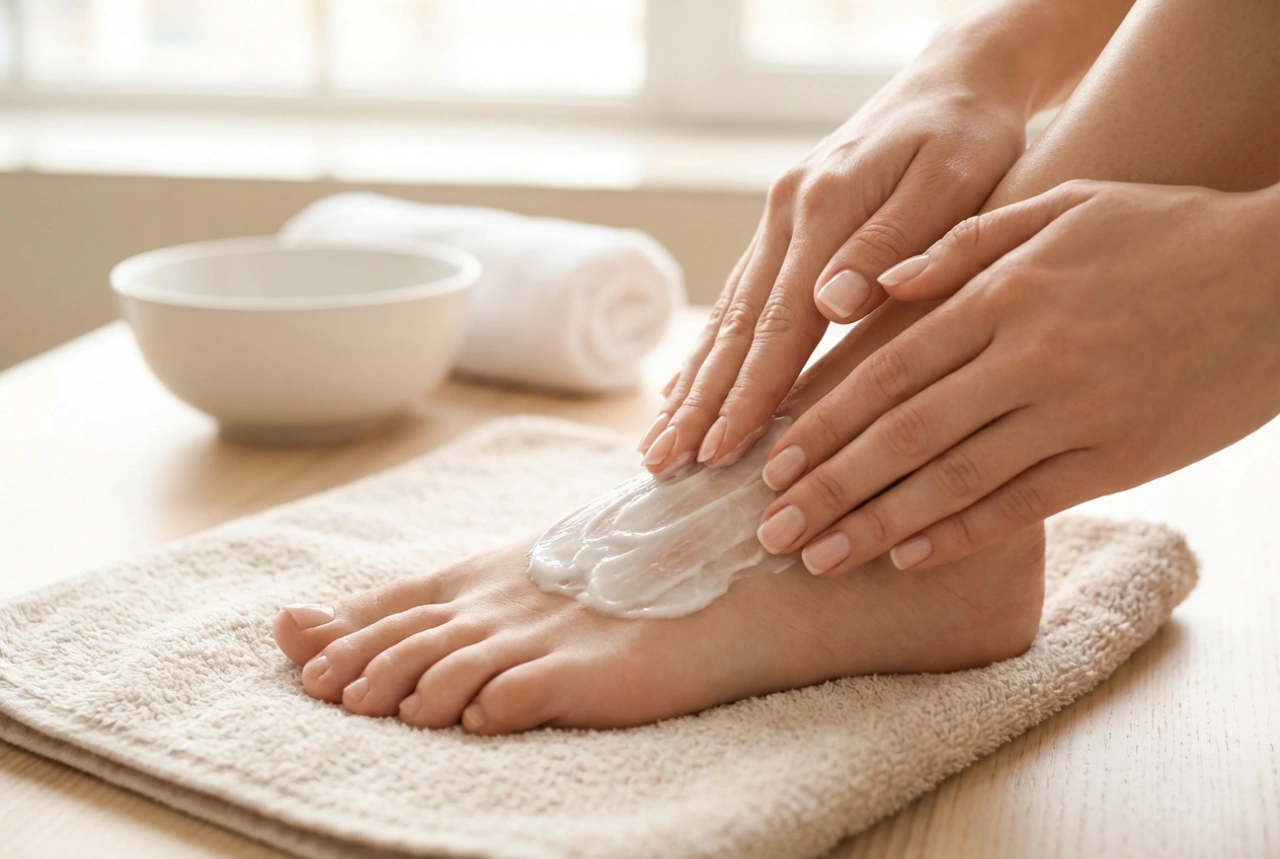
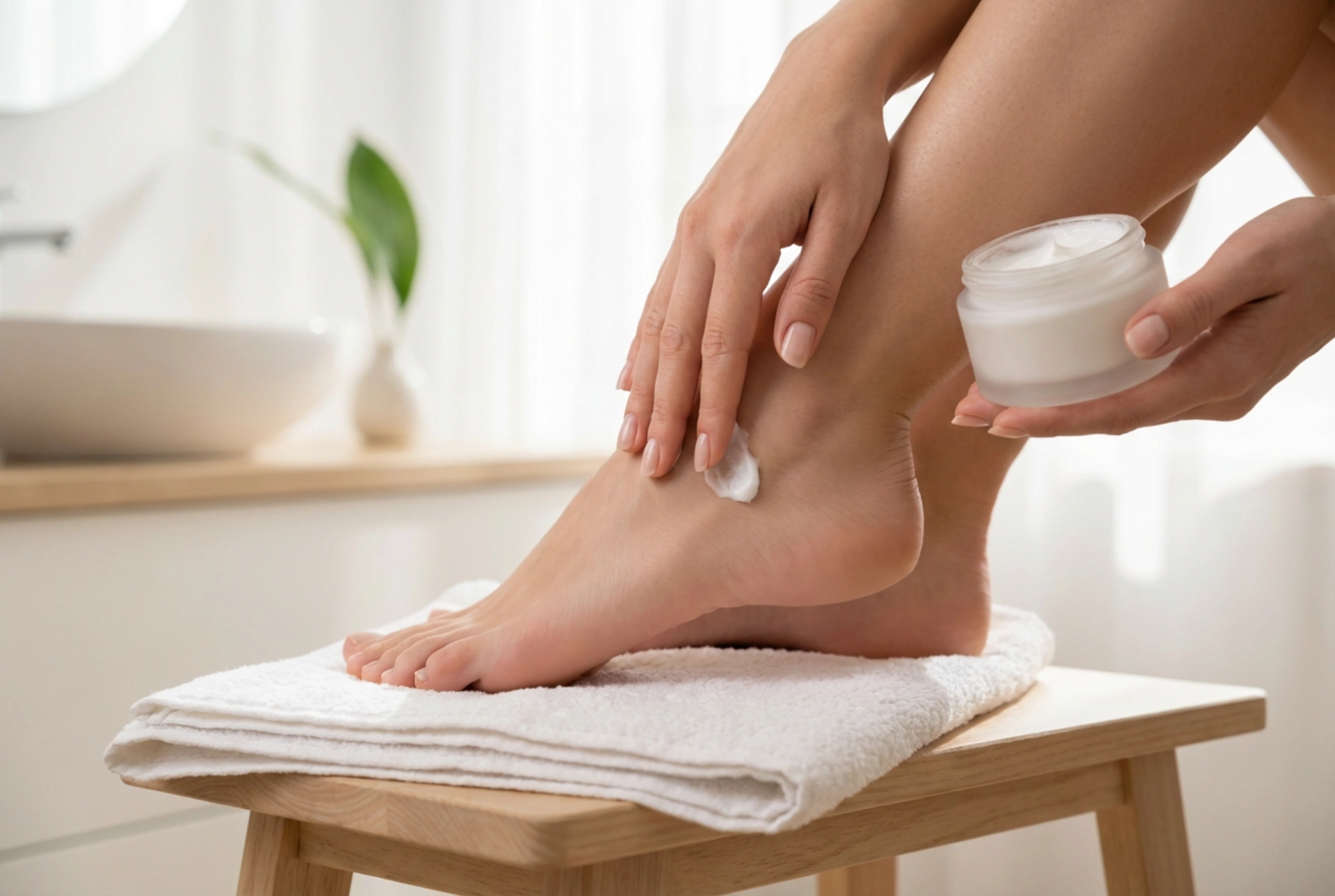
This is arguably the most critical step. Immediately after exfoliating, apply a generous amount of a rich, thick foot cream. Look for moisturisers containing ingredients known for their intense hydrating and skin-softening properties, such as urea, glycerin, shea butter, or lanolin. Massage the cream deeply into your heels and the rest of your feet until it is mostly absorbed. This not only locks in moisture but also improves circulation. For best results, this step shouldn't be limited to just your weekly routine; aim to moisturise your feet every day, especially before bed.
Simple and Safe Home Remedies
Alongside your weekly routine, you can incorporate some simple home remedies to accelerate the healing process and provide extra nourishment.
- The Overnight Sock Treatment: This is a classic for a reason. Before going to bed, apply a thick layer of your chosen foot cream or a simple balm like petroleum jelly to your heels. Then, pull on a pair of clean cotton socks. The socks help to lock in the moisturiser, allowing it to work deeply overnight. You'll wake up with noticeably softer feet.
- Natural Oil Massage: Oils like coconut oil, olive oil, or sweet almond oil are excellent natural emollients. Warm a small amount of oil in your hands and massage it into your heels for 5-10 minutes each evening. This simple ritual not only hydrates the skin but is also incredibly relaxing.
- DIY Honey and Oatmeal Paste: Honey is a natural humectant, meaning it draws and retains moisture, while oatmeal provides very gentle exfoliation. Mix two tablespoons of ground oatmeal with one tablespoon of honey to form a thick paste. Apply it to your heels, leave it on for 20 minutes, and then rinse with warm water before applying moisturiser.
Tips for Preventing Cracked Heels
Once you have restored your heels to a soft and smooth state, the focus shifts to prevention. The following habits will help you maintain your results:
- Moisturise Daily: Make it a non-negotiable part of your daily routine.
- Choose Footwear Wisely: Opt for supportive, closed-back shoes whenever possible to reduce pressure and friction on your heels.
- Stay Hydrated: Drinking plenty of water throughout the day contributes to overall skin health, including the skin on your feet.
- Avoid Harsh Soaps: Use mild, moisturising cleansers on your feet to avoid stripping the skin of its natural oils.
- Protect Your Feet: In dry or cold weather, ensure your feet are kept warm and protected with socks and appropriate footwear.