

Our feet carry us through life, yet they are often the most neglected part of our beauty regimen. Just as we care for the skin on our face and hands, our feet deserve dedicated attention to keep them smooth, healthy, and comfortable. Incorporating regular exfoliation into your foot care routine is a fundamental step towards achieving beautifully soft skin, transforming a simple necessity into a moment of relaxing self-care.
Why is Foot Exfoliation Essential?
The skin on our feet is naturally thicker than elsewhere on the body, making it more prone to dryness, roughness, and the build-up of hard skin, particularly on the heels and balls of the feet. Regular exfoliation offers numerous benefits:
- Removes Dead Skin Cells: It effectively sloughs away layers of dead, dry skin, revealing the newer, softer skin underneath.
- Prevents Hard Skin and Calluses: Consistent exfoliation helps to manage the build-up of tough skin, reducing the likelihood of developing uncomfortable calluses and cracked heels.
- Improves Moisturiser Absorption: By removing the barrier of dead cells, exfoliants allow foot creams and moisturisers to penetrate more deeply and work more effectively.
- Enhances Appearance and Comfort: Smooth, well-cared-for feet not only look better but also feel more comfortable. It’s a simple way to boost confidence, especially in warmer months.
Types of Foot Exfoliants
There are several methods to exfoliate your feet, and the best choice depends on your skin's needs and personal preference. They generally fall into two categories: mechanical and chemical.
Mechanical Exfoliants
This method involves physically scrubbing away dead skin cells using an abrasive tool or product. Common options include:
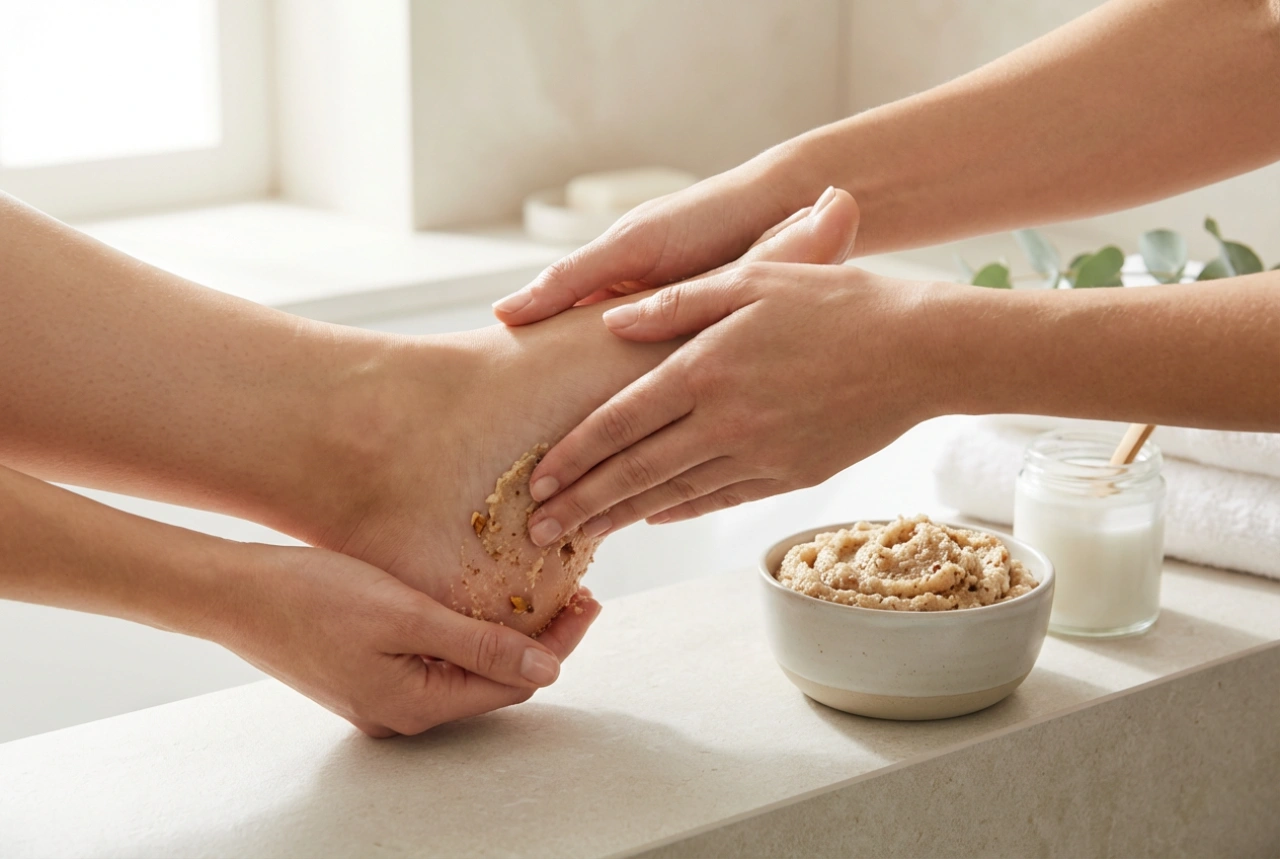
- Foot Scrubs: These are creams or gels containing small, abrasive particles like sugar, salt, ground nut shells, or synthetic beads. They are massaged into the skin to manually polish away roughness.
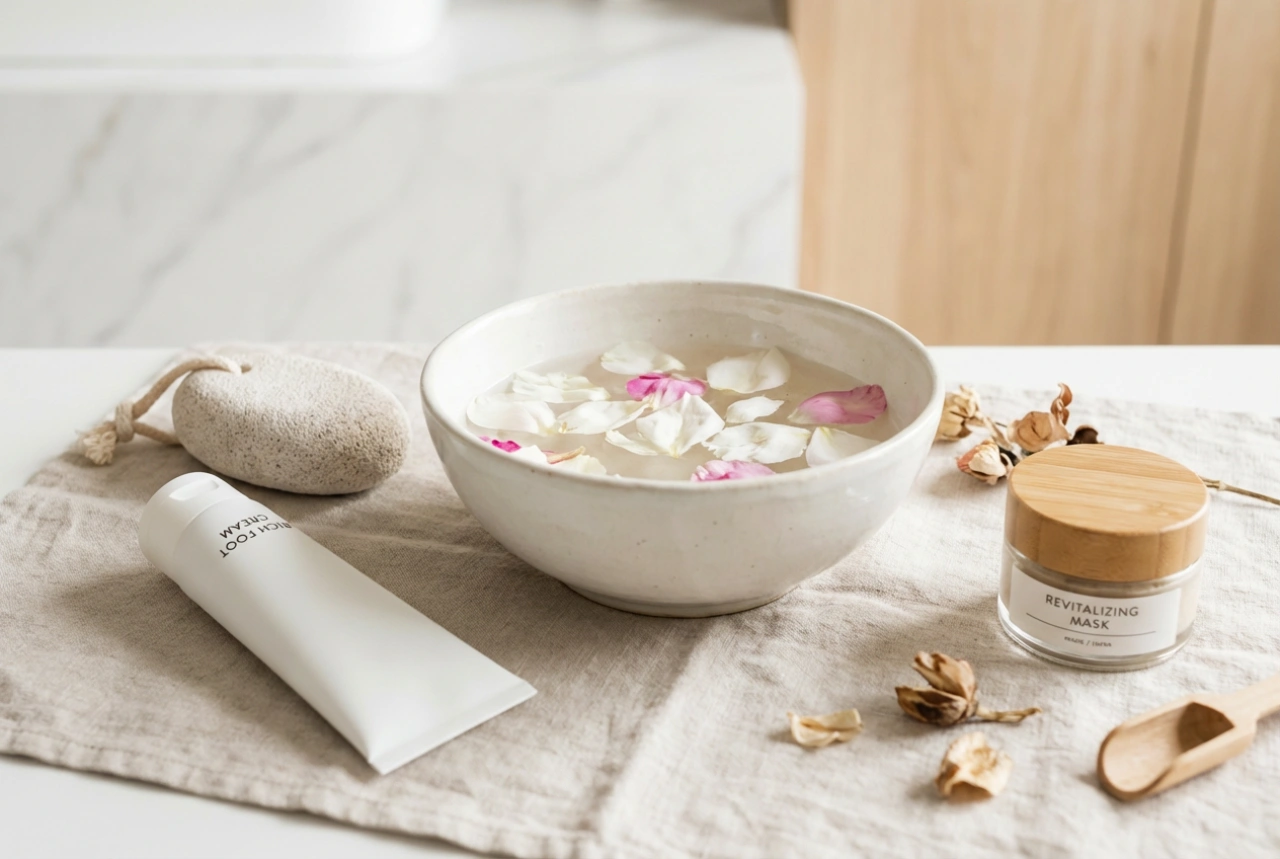
- Pumice Stones and Foot Files: These are classic tools used on damp skin to gently file away layers of hard skin. They offer great control over the pressure and area being treated.
Chemical Exfoliants
These products use gentle acids or enzymes to dissolve the bonds holding dead skin cells together, causing them to shed naturally over time. They require less physical effort and can provide dramatic results.
- Exfoliating Socks or Peels: These are typically single-use booties filled with a gel solution containing alpha-hydroxy acids (AHAs) like glycolic or lactic acid. You wear them for a specified time, and the skin begins to peel away a few days later.
- Lotions with Acids: Some foot creams contain ingredients like salicylic acid (a BHA) or urea, which provide a gentle, continuous exfoliation with regular use.
How to Perform a Foot Exfoliation Treatment Step-by-Step
Creating a simple ritual for foot exfoliation can make the process enjoyable and effective. Follow these steps for an at-home spa experience.
- Soak Your Feet: Begin by soaking your feet in a basin of warm water for 10-15 minutes. This softens the skin, making it much easier to exfoliate. You can add bath salts or a few drops of a soothing essential oil for an enhanced experience.
- Exfoliate Gently: Pat your feet partially dry. If using a scrub, apply a generous amount and massage it into your skin with firm, circular motions. Pay extra attention to your heels, the sides of your feet, and any other rough patches. If using a pumice stone or file, use gentle, consistent strokes on the toughest areas. Avoid applying too much pressure, as this can irritate the skin.
- Rinse and Dry: Thoroughly rinse all traces of the exfoliant from your feet with warm water. Gently pat them completely dry with a soft towel, making sure to dry between the toes.
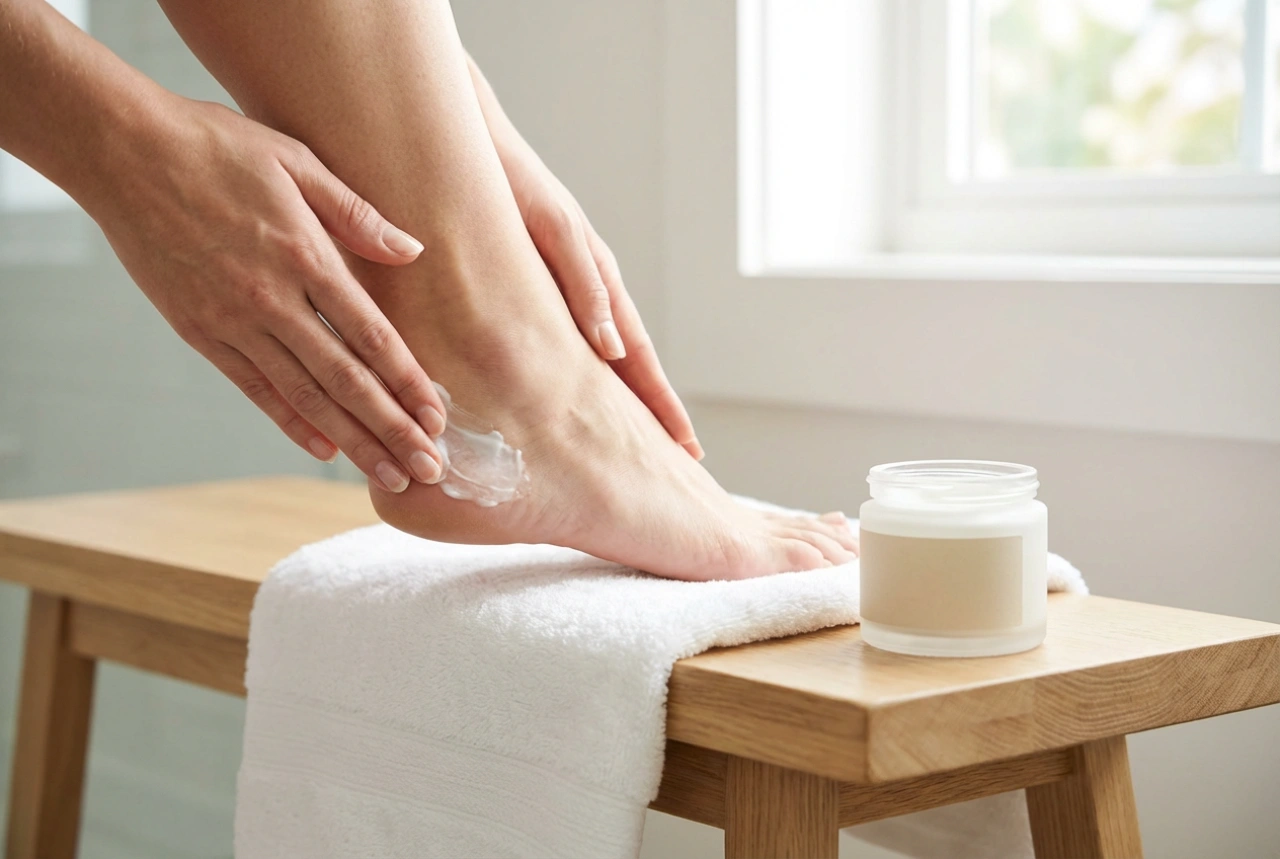
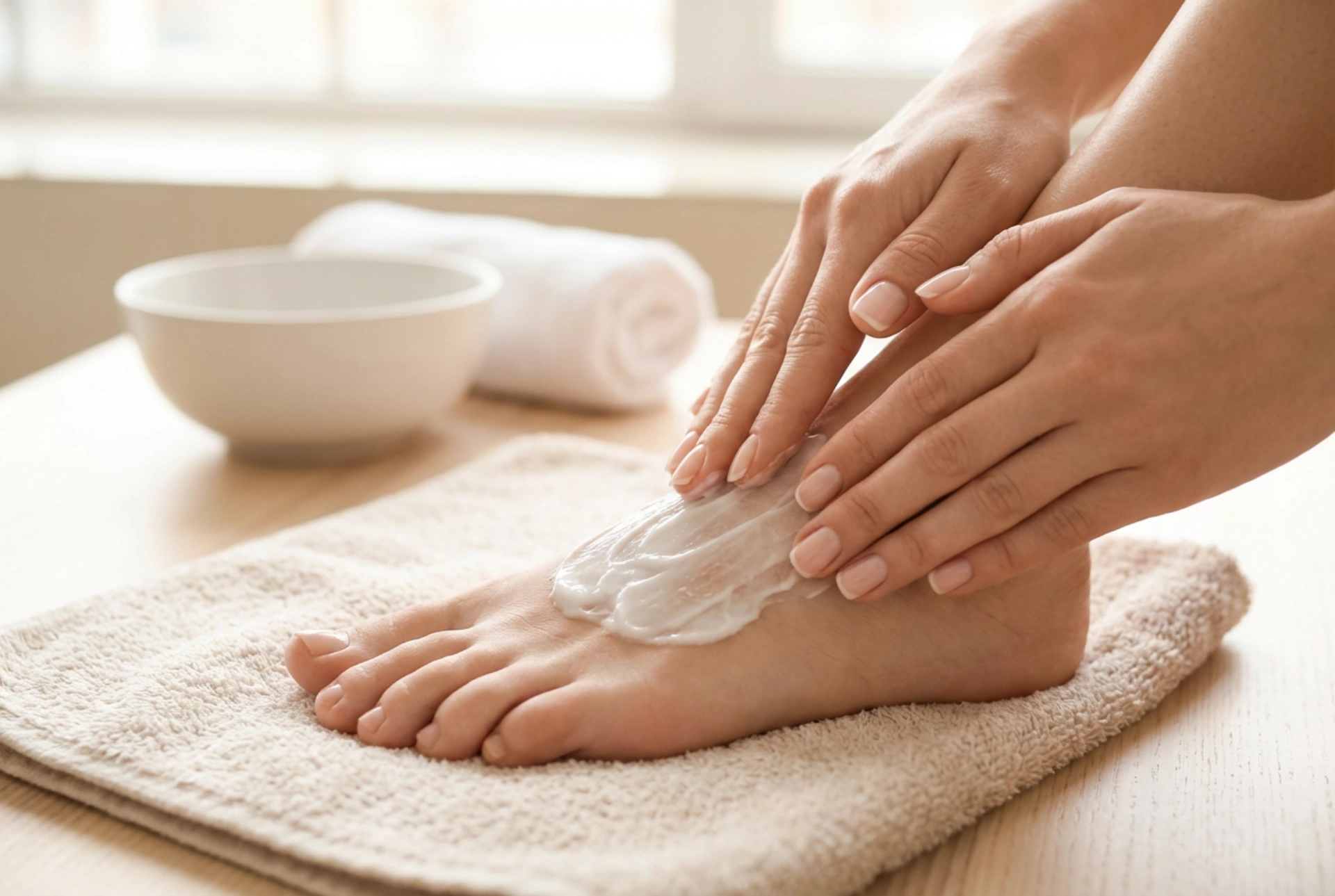
- Moisturise Immediately: This is a crucial final step. While your skin is still receptive, apply a rich, nourishing foot cream or balm. This will hydrate the newly exposed skin and lock in moisture, keeping your feet softer for longer.
Frequency and Best Practices
The key to maintaining soft feet is consistency. For most people, using a mechanical exfoliant like a scrub or file 1-2 times per week is sufficient. Stronger chemical peels, such as exfoliating socks, should be used much less frequently—perhaps once every 2-3 months, or as directed by the product instructions. It is vital to avoid over-exfoliation, which can lead to sensitivity, redness, and irritation. Always listen to your skin; if it feels tender, give it a break. By integrating this simple practice into your weekly routine, you can ensure your feet remain in prime condition all year round.