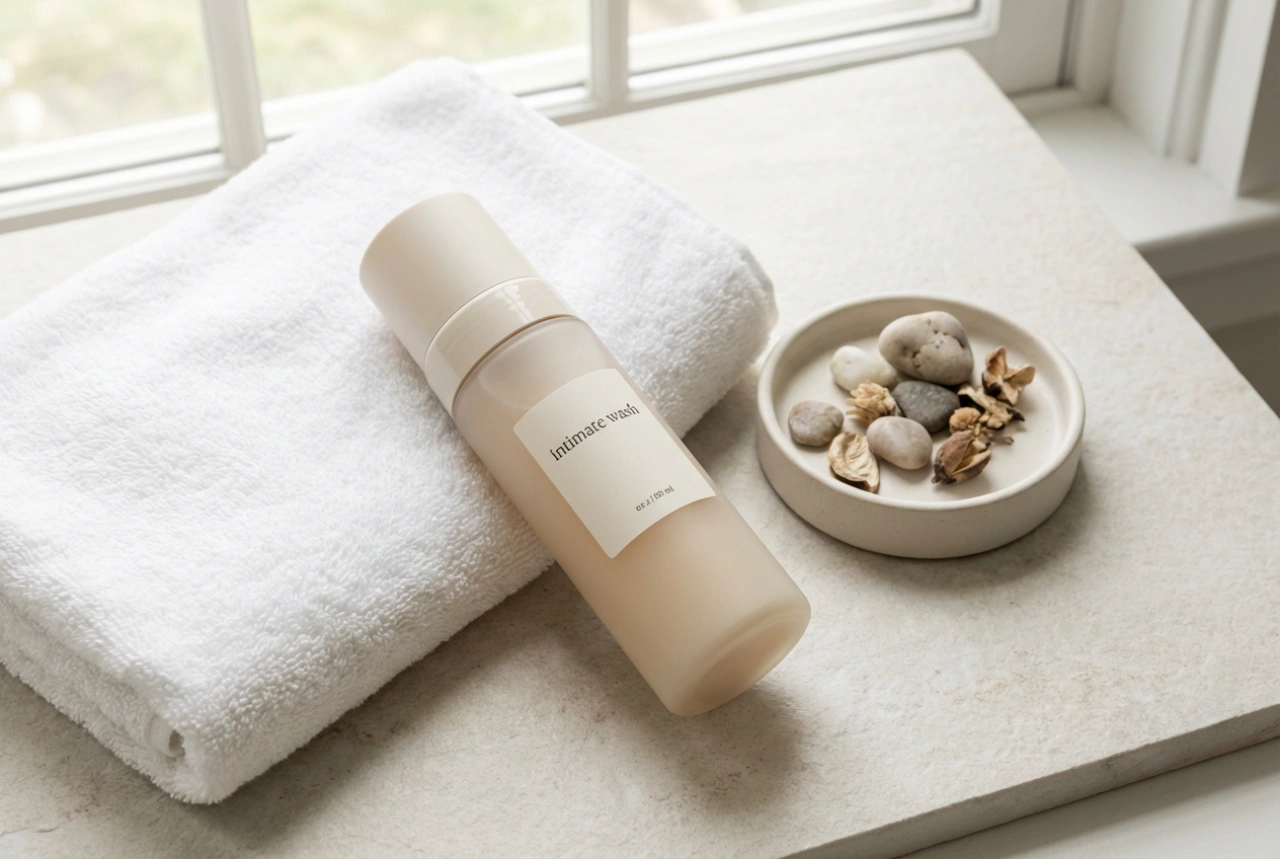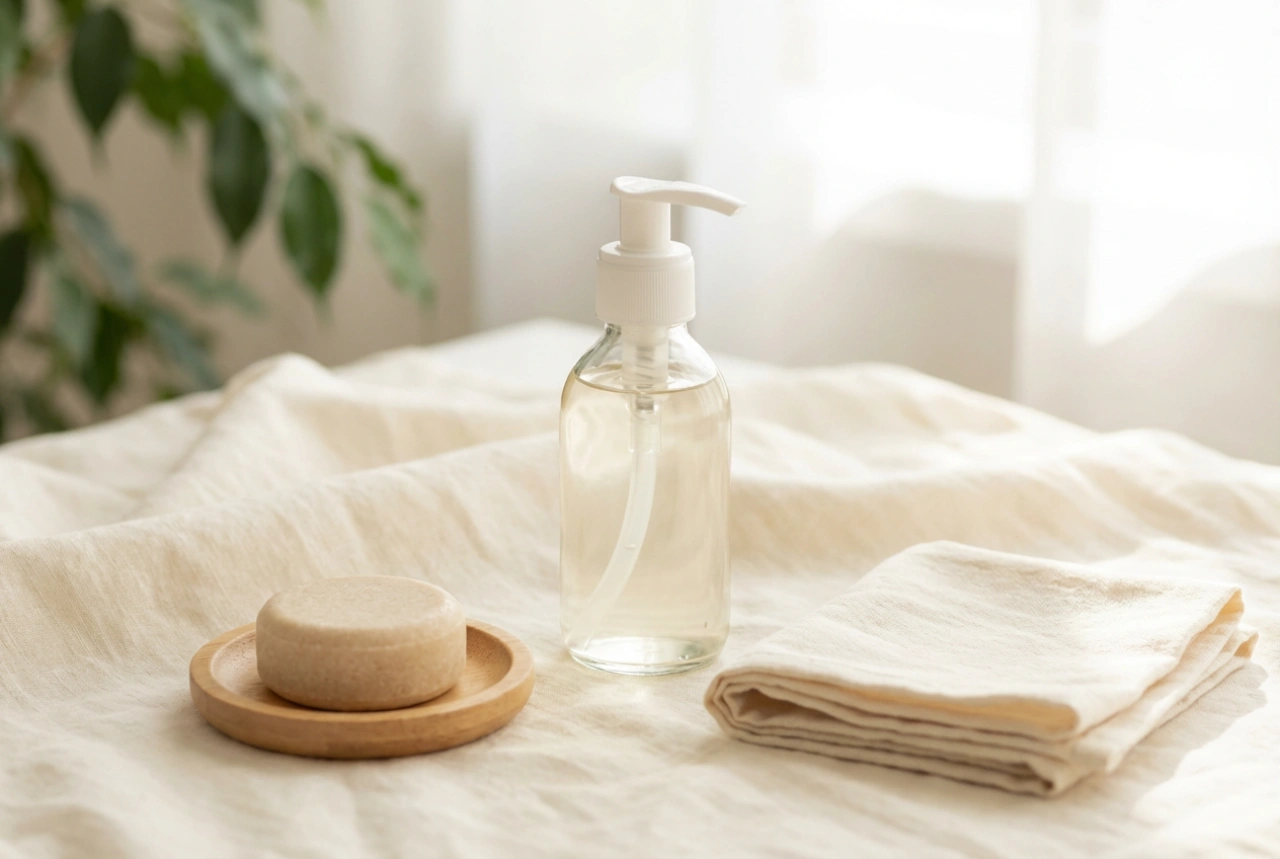


Maintaining personal comfort and well-being is a cornerstone of any daily self-care routine. A significant, though often overlooked, aspect of this is intimate hygiene. Just as we choose specific products for our face or hair, the delicate intimate area requires a thoughtful and gentle approach to cleansing. Understanding the unique needs of this part of the body is the first step towards ensuring lasting freshness and balance, reflecting the purity and gentleness suggested by minimalist care products.
Why is Specialised Intimate Care Important?
The skin in the intimate area is exceptionally sensitive and has a unique environment. It is naturally protected by a delicate balance of microflora, which helps maintain an acidic pH. This acidic environment is a natural defence mechanism, preventing the overgrowth of harmful microorganisms. Using regular soaps, shower gels, or products with strong fragrances can disrupt this fragile balance. These products are often alkaline and contain harsh detergents that strip away the natural protective layer, potentially leading to dryness, irritation, and a feeling of discomfort. Therefore, adopting a routine that respects the natural physiology of the intimate area is crucial for long-term health and comfort.
Choosing the Right Products for Intimate Hygiene
When selecting a cleanser for the intimate area, the ingredient list is more important than the packaging. The goal is to find a product that cleanses effectively without causing disruption. Look for formulas specifically designed for intimate care, as these are typically formulated to be gentle and respectful of the natural pH.
Key Features to Look For
A good intimate wash should be pH-balanced to match the natural acidity of the intimate area. Ingredients like lactic acid are often included to help support this natural balance. Look for soothing and moisturising components derived from nature, such as extracts of aloe, chamomile, or calendula, which are known for their calming properties. Some formulas also contain prebiotics, which can help nourish the beneficial microflora, further supporting the area's natural defences. Always opt for products that have been tested for gentleness on sensitive skin.
What to Avoid in an Intimate Cleanser
To prevent irritation, it's wise to steer clear of certain ingredients. Aggressive surfactants, such as strong sulphates, can be overly drying. It is also best to avoid products containing alcohol, artificial colourants, and strong perfumes, as these are common culprits for sensitivity and discomfort. The simpler and more natural the formula, the better. A hypoallergenic product is always a safer choice, especially for those with very sensitive skin.
Best Practices for Daily Intimate Hygiene
Proper technique is just as important as the products you use. Integrating these simple habits into your daily routine can make a significant difference in how you feel.
- Frequency: For most women, washing the external intimate area once a day is sufficient. You may wish to cleanse more often, such as after intense exercise or during menstruation, but it is important not to overwash, as this can also disturb the natural balance.
- Technique: Use only your hand and a small amount of a specialised cleanser. Wash the external genital area only, moving from front to back to prevent transferring microorganisms from the anal region. Avoid using washcloths or sponges, as they can harbour bacteria and be too abrasive for the delicate skin.
- Water Temperature: Always use lukewarm water. Water that is too hot can be irritating and drying to the sensitive skin of the intimate area.
- Drying: After washing, gently pat the area dry with a clean, soft towel. Avoid vigorous rubbing, which can cause friction and irritation. Ensure the towel you use is designated solely for this purpose and washed regularly.
Lifestyle Habits for Intimate Well-being
Beyond cleansing, certain lifestyle choices can contribute to maintaining a healthy and comfortable intimate area. Wearing breathable, natural-fibre underwear, such as cotton, allows for better air circulation and helps keep the area dry. It's also a good practice to change out of damp clothing, like swimsuits or gym wear, as soon as possible. Staying well-hydrated and maintaining a balanced diet rich in nutrients supports your body's overall health, which in turn is reflected in the well-being of your intimate area. These simple, consistent habits are the foundation of effective and gentle personal care.