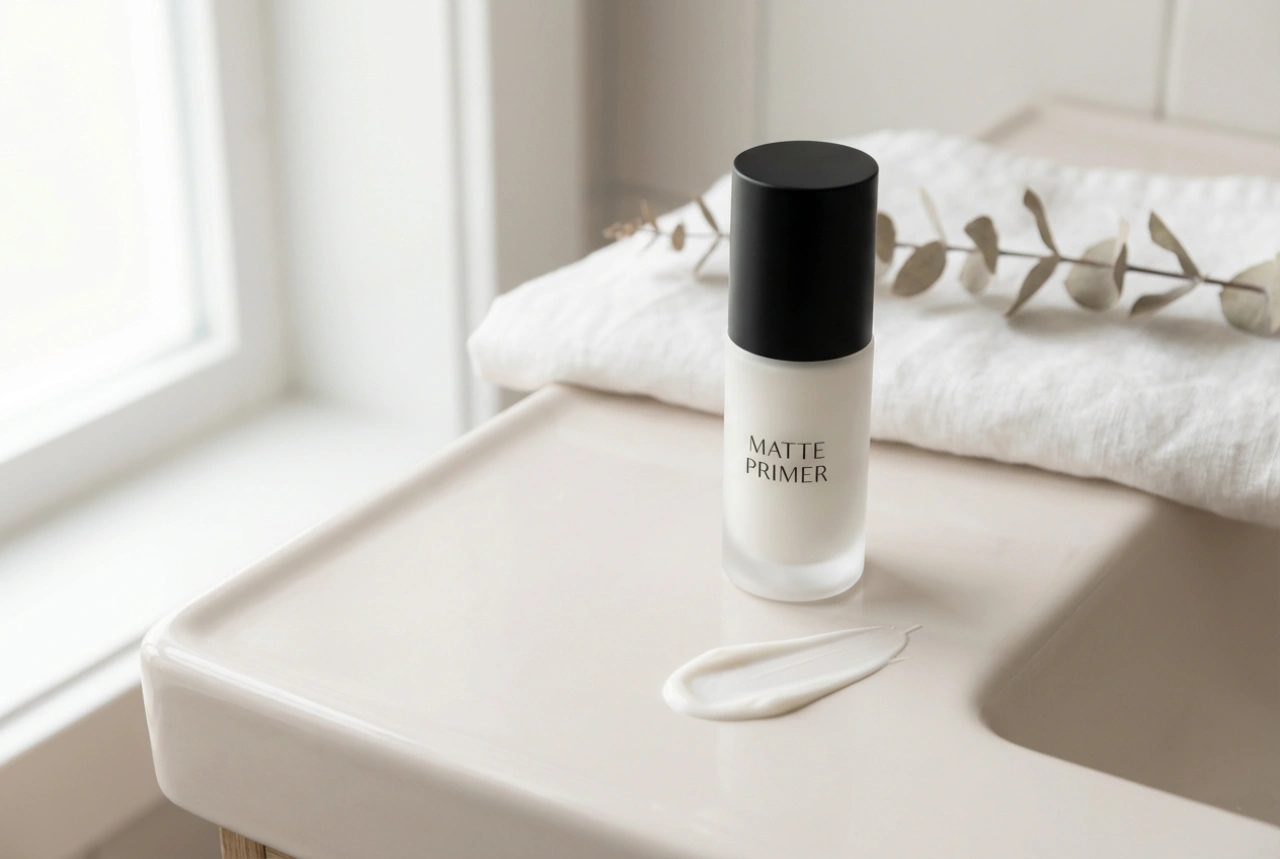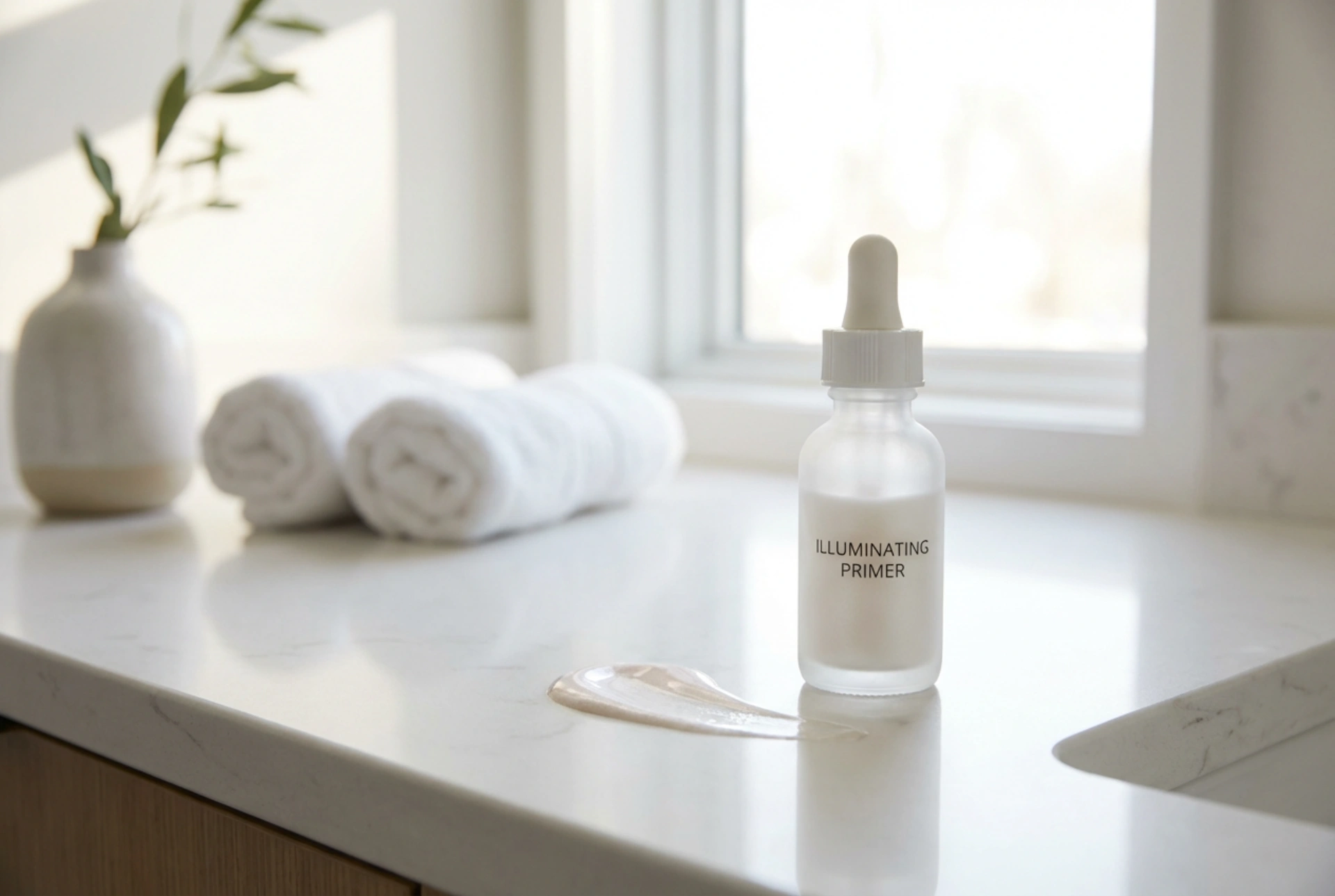


Achieving a naturally radiant complexion is a cornerstone of modern beauty. An illuminating primer, often housed in a sleek, minimalist bottle, serves as the perfect canvas, offering a subtle pearlescent shimmer that mimics the soft, diffused glow of natural light. When applied correctly, these primers transform dull skin, creating a sophisticated finish that appears hydrated and lit from within. However, mastering the application of a pearl-infused base requires an understanding of both colour theory and blending techniques to prevent common issues such as uneven streaking or an overly metallic mask.
Understanding the Pearlescent Finish
Illuminating primers are formulated with micro-fine, light-reflecting particles, often referred to as pearl pigments. Unlike chunky glitters, these sophisticated minerals catch the light gently, creating a smooth visual effect. The goal of using a pearlescent base is not to add visible sparkle, but to diffuse natural light across the high points of the face, softening the appearance of fine lines and uneven texture. Achieving this flawless finish relies heavily on selecting a formula that complements your skin's natural undertones.
How to Choose the Right Shade of Pearl
Just as foundations come in various shades, illuminating primers feature different pearlescent undertones designed to harmonise with diverse complexions. Selecting the wrong hue can lead to an unnatural cast or dullness. Here is how to navigate the colour spectrum:
- Cool and Fair Complexions: If your skin has pink or blue undertones, opt for silver, pale pink, or cool white pearl pigments. These shades enhance your natural porcelain glow without looking artificial.
- Warm and Olive Skins: Golden, champagne, and warm peach tones are ideal for bringing out the natural warmth in yellow or olive skin. A cool-toned silver base on warm skin can often look grey or washed out.
- Neutral and Medium Tones: Neutral skin tones can experiment with champagne and soft rose-gold bases, which provide a balanced radiance that is neither too cool nor too warm.
- Deep Complexions: Rich bronze, copper, and warm terracotta pearl pigments beautifully highlight deeper skin tones, adding a luxurious, sun-kissed depth without leaving a chalky residue.
Step-by-Step Application: Preventing Streaks and Patches
One of the most common challenges when using an illuminating primer is achieving a seamless blend. Because light-reflecting particles catch the light, any uneven application or heavy patch will be amplified. To ensure a smooth, streak-free canvas, follow these essential application steps:
1. Prepare with Hydration
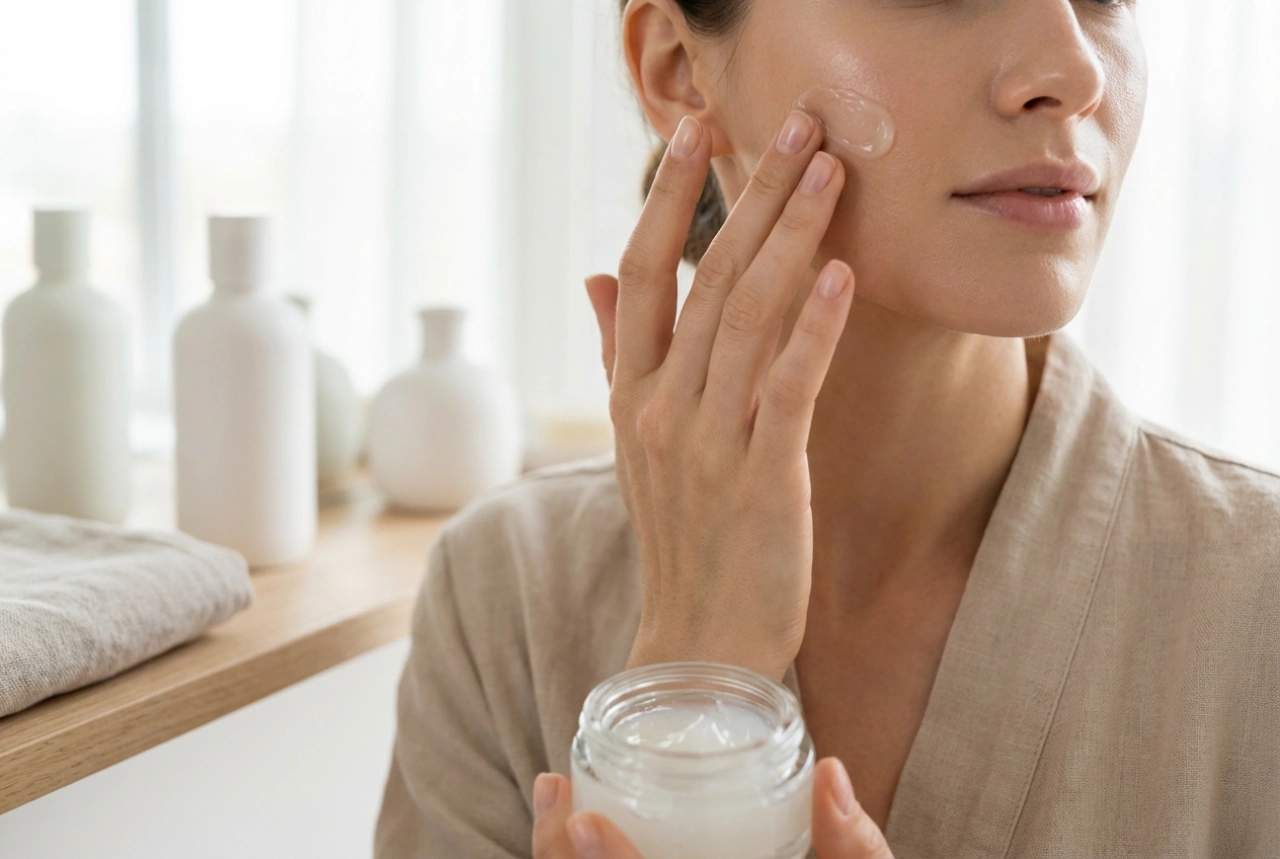
An illuminating base requires a highly hydrated surface to glide over. If your skin is dry or has flaky patches, the pearlescent pigments will cling to these areas, accentuating texture rather than smoothing it. Apply a lightweight moisturiser first and allow it to absorb completely before introducing your primer.
2. Use the Right Technique
Dispense a small, pea-sized amount of the primer onto the back of your hand. Instead of applying it directly in large sweeps across your face, dot the product strategically onto the high points: the cheekbones, the bridge of the nose, and the centre of the forehead. Use warm fingertips or a damp beauty sponge to press and roll the product into the skin, rather than rubbing it vigorously, which can create streaks.
3. Focus on Key Areas
You do not always need to apply an illuminating primer to the entire face. If you have an oily T-zone, avoid applying the product to the chin and centre of the forehead, as this can transition from a healthy glow to looking greasy as the day goes on. Target the outer perimeter of the face for a sophisticated, structured radiance.
How to Layer with Other Cosmetics
To maintain the soft glow of your pearlescent base, the way you layer subsequent cosmetics is crucial. If you prefer a natural look, you can wear the primer alone on top of your skincare. However, if you are applying foundation, choose a light to medium coverage formula. Heavy, matte foundations will completely mask the illuminating effect, rendering the primer redundant. Instead, opt for a sheer tint or apply foundation only where coverage is needed, allowing the natural iridescence of the pearl base to shine through effortlessly.