

A flawless makeup application always begins with the perfect canvas. The secret to achieving an even, radiant complexion that lasts all day lies in how we prepare our skin before applying any colour cosmetics. A high-quality face primer acts as the essential bridge between skincare and makeup, sealing in hydration while creating an incredibly smooth surface. When applied correctly, it can transform the appearance of your skin, giving it a soft, luminous quality that glows naturally under any light.
The Role of a Face Primer in Your Beauty Routine
Face primers are designed to address various skin concerns and create an optimal base for foundation, concealer, and powder. By filling in fine lines, blurring the appearance of pores, and evening out the skin's texture, a primer ensures that subsequent products glide on effortlessly without settling into creases or dry patches. Beyond texture refinement, a primer acts as a protective barrier that helps to lock in moisture and regulate excess sebum, preventing your makeup from fading, melting, or shifting throughout the day.
Choosing the Right Primer for Your Skin Type
To get the most out of your makeup preparation, it is crucial to select a primer formulation that complements your unique skin type. Different formulas offer targeted benefits to enhance your natural complexion:
- Hydrating Primers: Ideal for dry or dehydrated skin, these are often enriched with moisture-binding ingredients to plump the skin and prevent makeup from clinging to dry flakes.
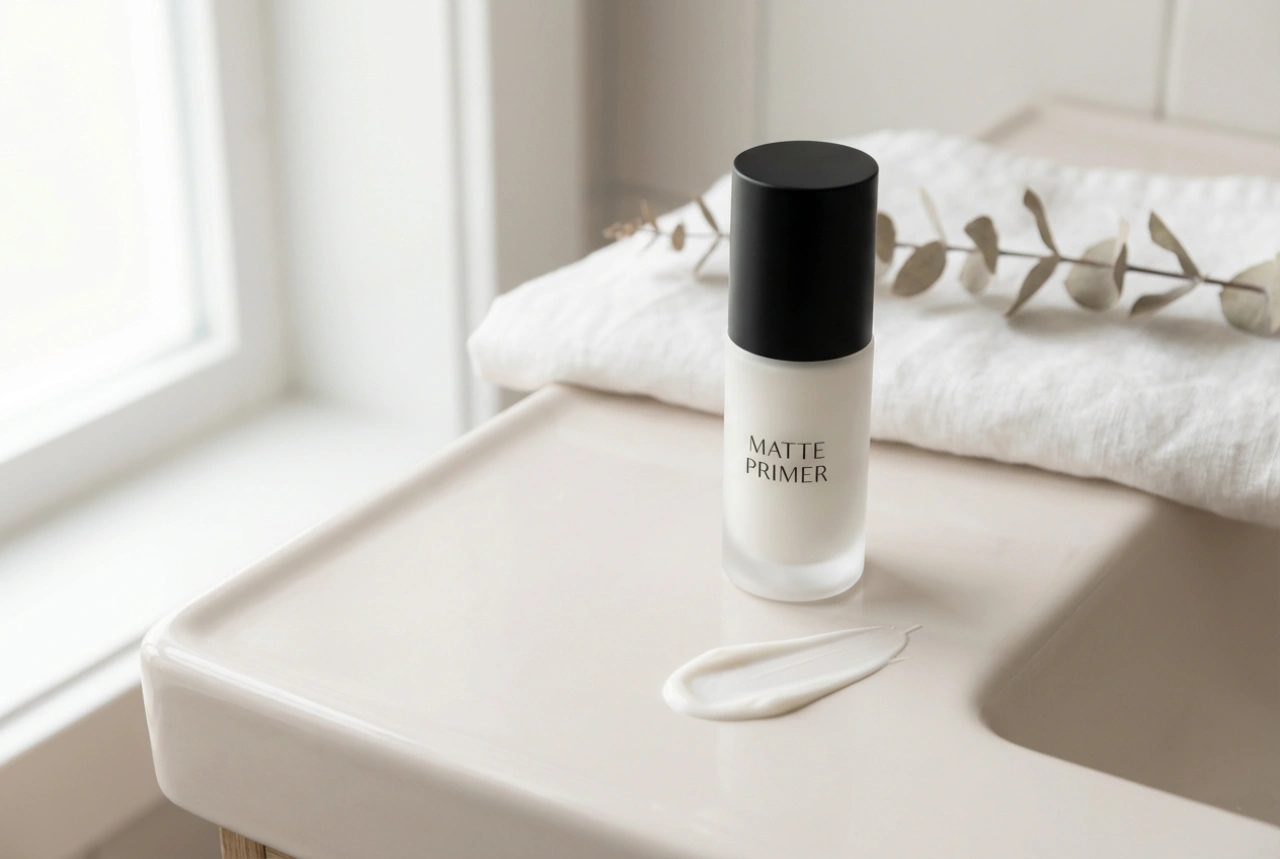
- Mattifying Primers: Best suited for oily or combination skin, these lightweight formulas help control excess shine, absorb sebum, and keep the skin looking velvety and fresh.
- Illuminating Primers: Perfect for dull or tired-looking skin, these contain light-reflecting particles that impart a subtle, pearlescent glow, making the skin look healthy and energised.
- Smoothing and Blurring Primers: Formulated to minimise the appearance of pores and uneven texture, creating a velvety-soft finish.
How to Prepare Your Skin Before Applying Primer
The effectiveness of any face primer depends heavily on the skincare steps that precede it. Applying makeup to unprepared skin can lead to patchy results and reduced longevity. To achieve a professional, smooth finish, follow a consistent pre-makeup skincare routine that focuses on cleanliness and hydration.
Cleansing and Exfoliating
Begin with a gentle, non-stripping cleanser to remove any impurities, excess oils, or overnight skincare residue. If your skin feels particularly rough or uneven, a mild, non-abrasive exfoliant can be used once or twice a week to sweep away dead skin cells. This ensures a completely clean and flat surface for your primer to adhere to.
Hydration and Sun Protection
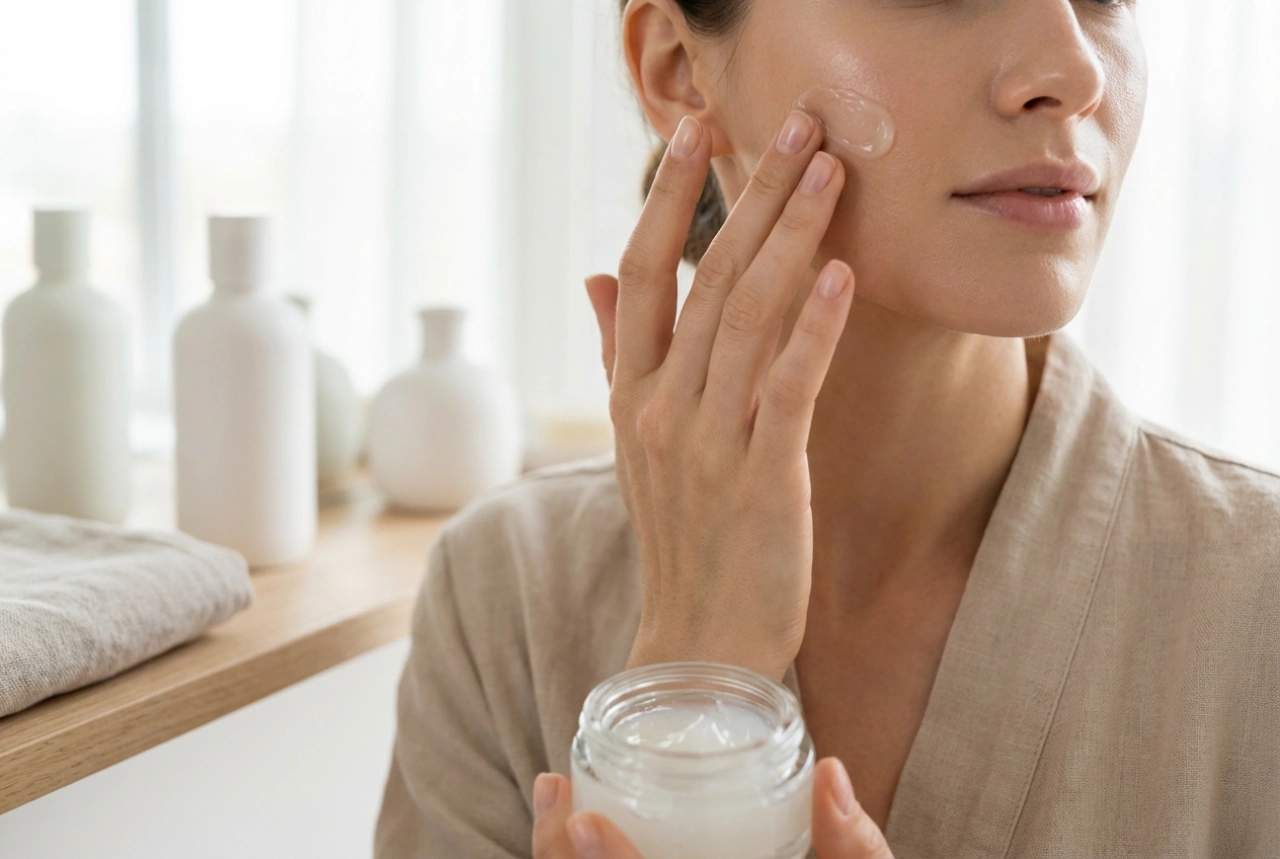
After cleansing, apply a lightweight, hydrating toner or serum, followed by your daily moisturiser. Allow each layer to absorb fully into the skin for a few minutes. If you are preparing your skin for the daytime, always apply a broad-spectrum sunscreen as your final skincare step. Waiting a moment before moving on to your primer prevents the products from pilling or rolling off the skin.
Step-by-Step Guide to Applying Face Primer
Applying primer is a quick and simple process, but technique and quantity are key to achieving the best results. Using too much product can cause your foundation to slide, while using too little may not provide the desired smoothing effect.
Step 1: Less is More
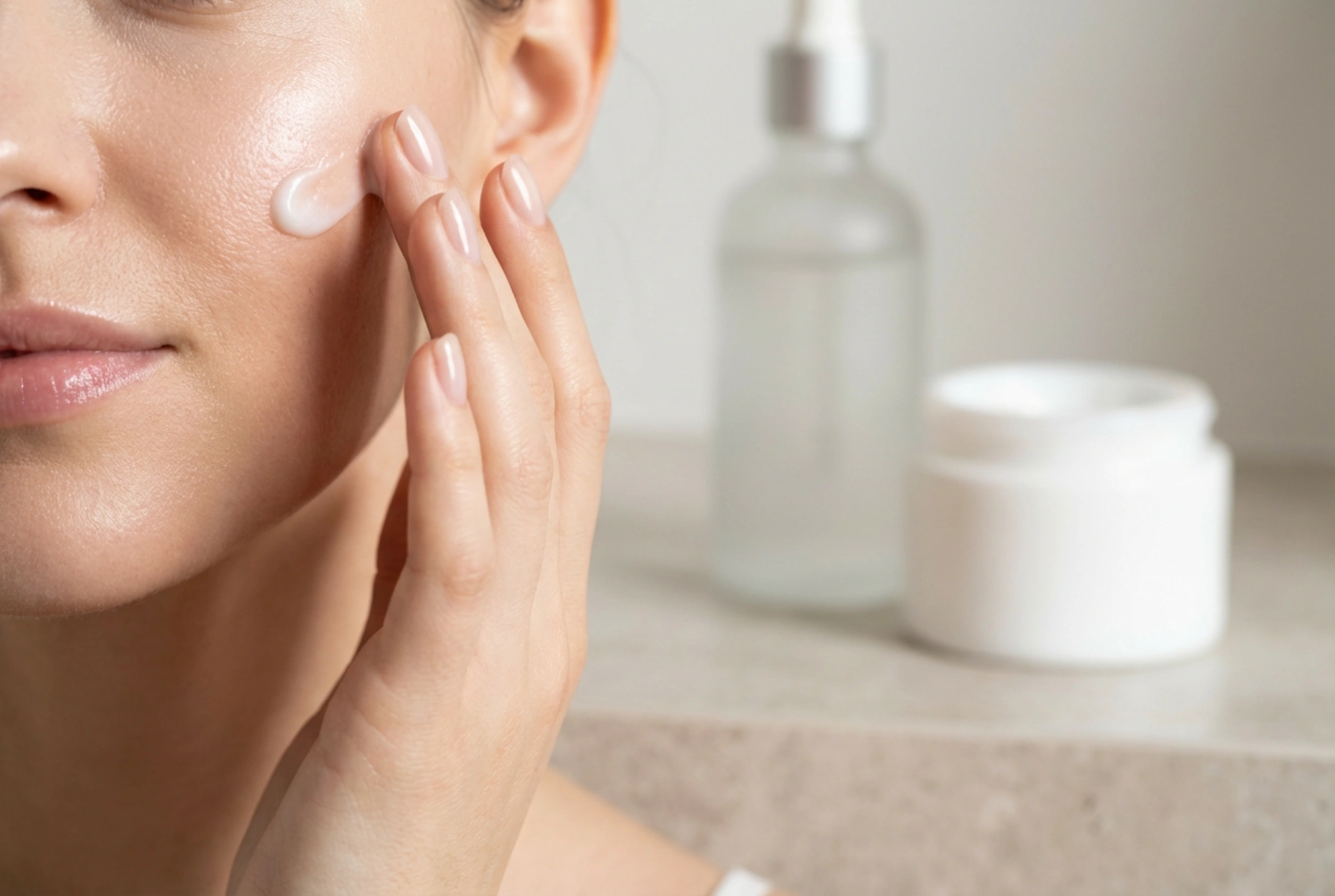
Dispense a pea-sized amount of primer onto the back of your hand. This is generally sufficient for the entire face. You can always add a tiny bit more to specific areas if needed.
Step 2: Target the Right Areas
Using clean fingertips, a damp makeup sponge, or a synthetic brush, dab the primer onto the areas of your face that require the most attention. This typically includes the T-zone (forehead, nose, and chin), where pores are more visible and oil production is higher, as well as the cheeks for an added luminous glow.
Step 3: Blend Outward
Gently press and smooth the primer into your skin, moving outward from the centre of your face. Pressing the product gently rather than rubbing it in helps to fill in pores and fine lines more effectively, creating a truly seamless finish.
Step 4: Allow It to Set
Perhaps the most important step is patience. Allow the primer to dry and set for at least sixty seconds before applying your foundation or concealer. This brief pause allows the formula to bond with your skincare and create the ideal tacky yet smooth surface for your makeup to cling to.
Maintaining a Natural, Radiant Glow
Incorporating a face primer into your beauty routine is an effortless way to elevate your everyday makeup look. By selecting a formula that nurtures your skin's specific needs and taking the time to prepare your canvas properly, you can enjoy a fresh, radiant, and long-lasting finish that highlights your natural beauty.