

Achieving a flawless and long-lasting makeup application often starts before you even reach for your foundation. Just as an artist prepares a canvas, preparing your skin creates the perfect base for everything that follows. A makeup primer is the essential tool for this step, acting as a bridge between your skincare and your makeup. It can transform the texture of your skin, enhance the performance of your foundation, and help your look stay fresh for hours. Understanding what a primer does and which type is right for you is key to elevating your beauty routine.
What Is a Makeup Primer and Why Should You Use One?
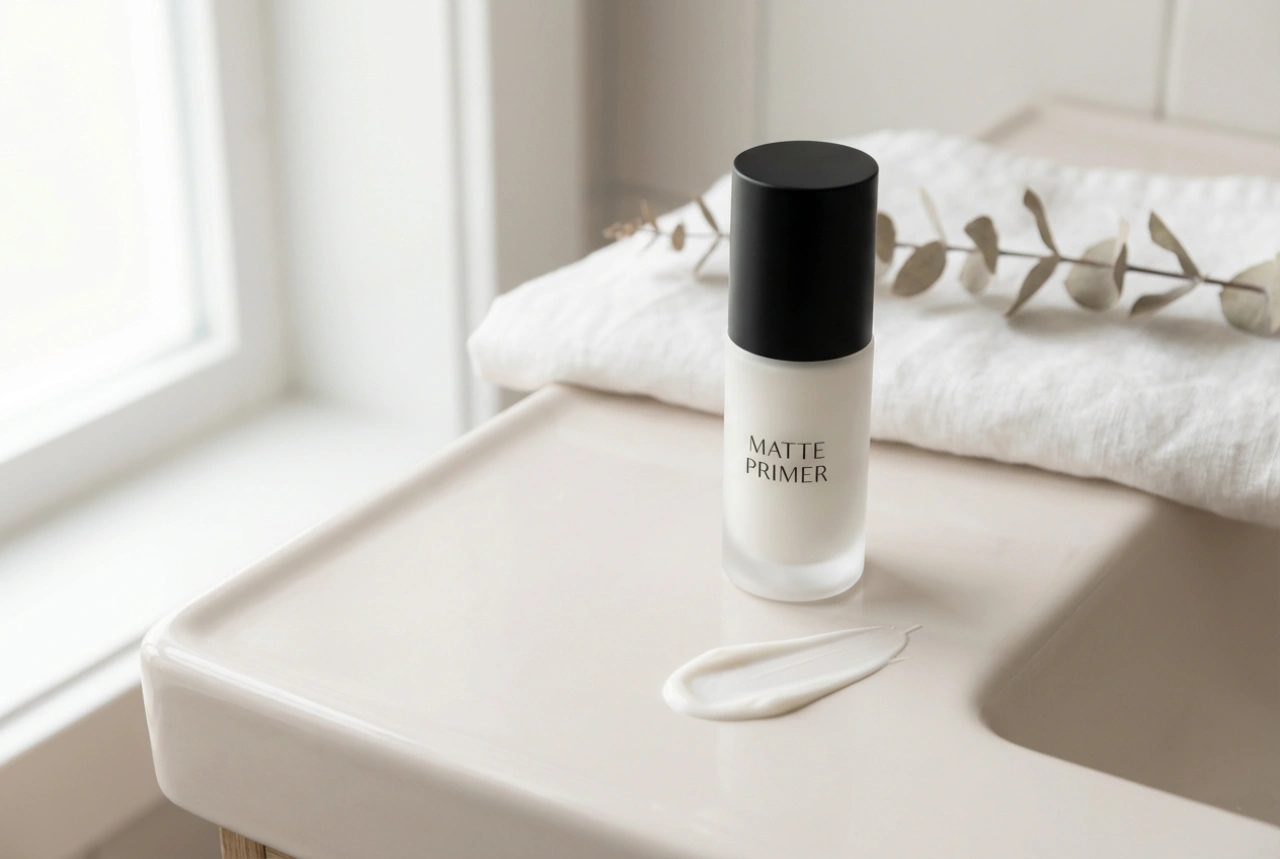
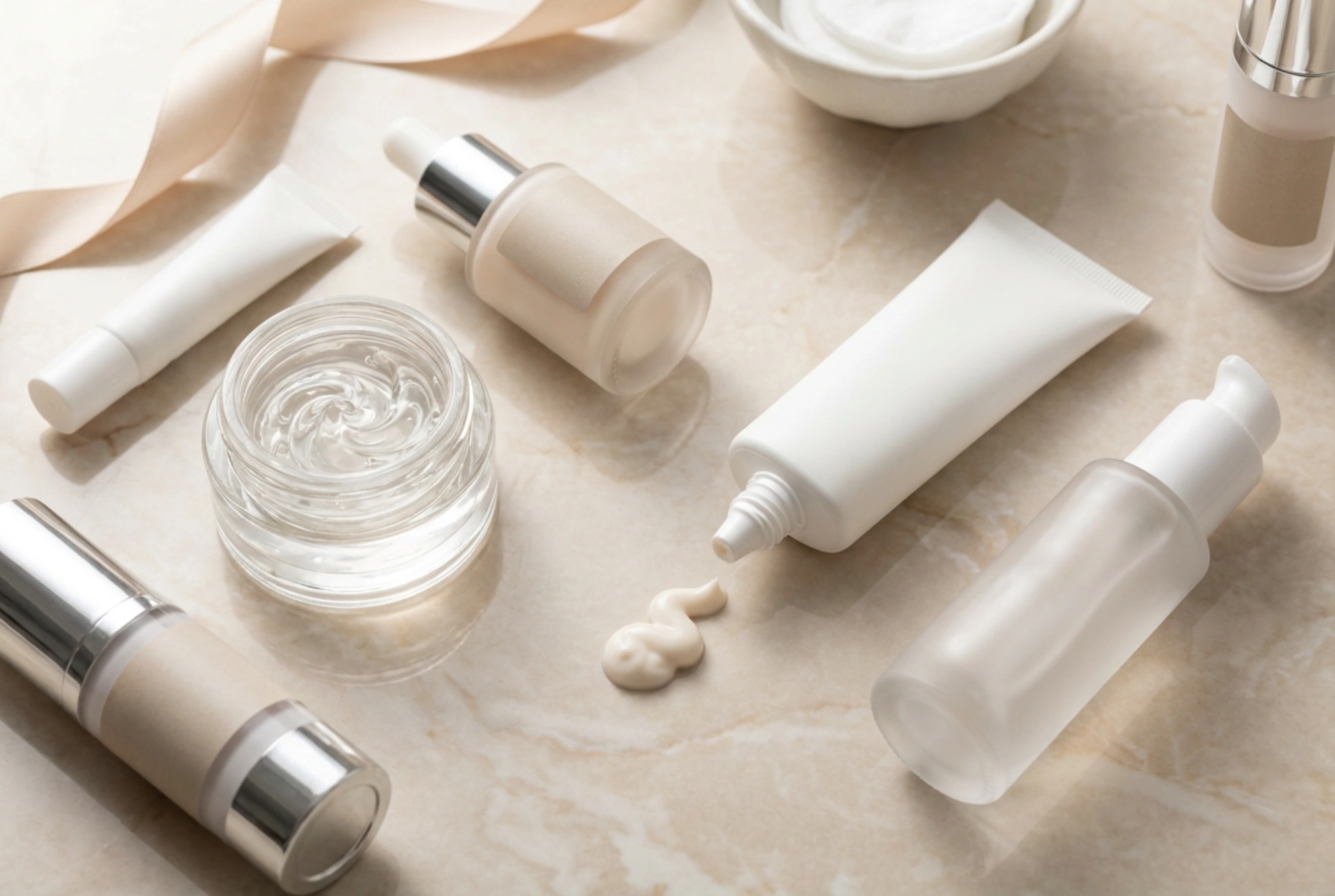
A makeup primer is a cream, gel, or liquid product applied after your skincare routine (and before your foundation) to create an ideal canvas for makeup application. Its primary purpose is to smooth the skin's surface, but modern formulas offer a wide range of additional benefits. Using a primer can make a significant difference to the overall finish and longevity of your makeup.
Key Benefits of Using a Primer:
- Extends Makeup Wear: One of the main reasons to use a primer is to increase the staying power of your makeup. It forms a barrier that prevents the skin's natural oils from breaking down your foundation, helping it look freshly applied for much longer.
- Creates a Smooth Surface: Primers can fill in fine lines, blur the appearance of large pores, and smooth over uneven skin texture. This creates a silky-smooth base, allowing foundation to glide on effortlessly without settling into creases.
- Addresses Specific Skin Concerns: Whether your skin is oily, dry, or has areas of redness, there is a primer designed to help. Mattifying primers control shine, hydrating primers combat dryness, and colour-correcting primers can neutralise discolouration.
- Enhances Your Foundation's Finish: A primer can help your foundation look its best. An illuminating primer can add a subtle glow from within, while a mattifying primer will ensure a shine-free finish.
Choosing the Right Primer for Your Skin Type
The effectiveness of a primer largely depends on choosing a formula that complements your skin type. Using the wrong type can have the opposite of the desired effect, so it's important to identify your skin's needs first.
For Oily and Combination Skin
If you struggle with excess shine, especially in the T-zone, a mattifying or pore-minimising primer is your best choice. These formulas are typically silicone-based or have a lightweight gel texture. They work by absorbing excess oil throughout the day and creating a 'soft-focus' effect that makes pores appear smaller. Look for oil-free formulations that feel weightless on the skin and provide a smooth, matte finish.
For Dry or Dehydrated Skin
Dry skin requires a primer that adds moisture and radiance. Hydrating primers are often creamy or lotion-like in consistency and contain ingredients that help to nourish and plump the skin. They prevent foundation from clinging to dry patches and give the complexion a healthy, dewy glow. An illuminating primer can also be an excellent option to bring life back to dull, dry skin.
For Mature Skin
As skin matures, concerns often shift towards fine lines, loss of elasticity, and an uneven texture. A good primer for mature skin should be smoothing and hydrating without being heavy. Look for formulas that blur imperfections and provide a subtle luminosity. These primers help to create a more youthful appearance by preventing makeup from settling into lines and giving the skin a soft, radiant finish.
How to Apply Primer for the Best Results
Correct application is just as important as choosing the right product. Follow these simple steps to ensure your primer performs at its best.
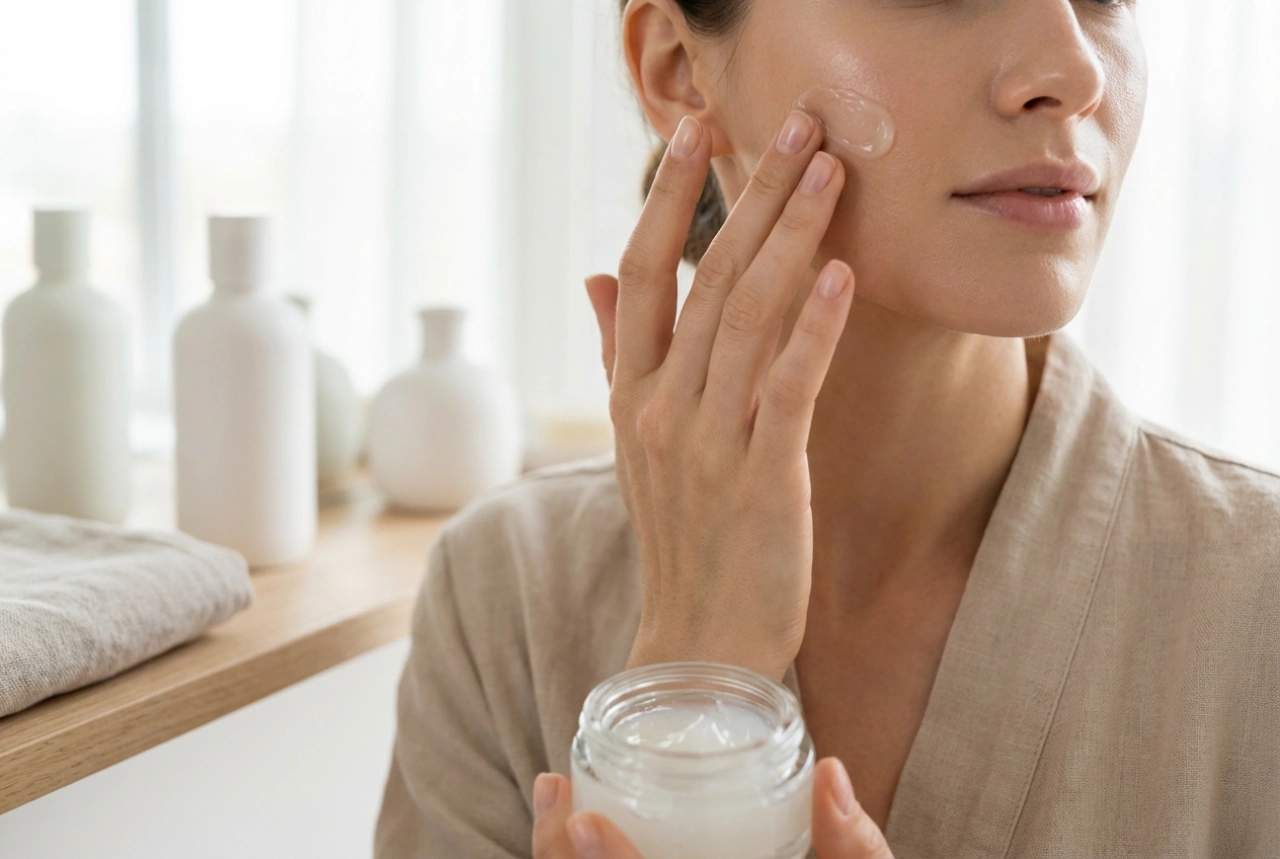
First, always start with a clean and moisturised face. Allow your moisturiser and any other skincare products to fully absorb for a few minutes before moving on to primer. This prevents the products from pilling or mixing on the skin's surface.
Next, use only a small amount of primer – a pea-sized dot is usually sufficient for the entire face. Using too much can cause your foundation to slide around. Warm the product between your fingertips and then gently press and smooth it onto your skin. You can also use a foundation brush or a damp sponge for a seamless application. Focus on the areas where you need it most, such as the T-zone for oil control or the cheeks if you have visible pores.
Finally, give the primer a minute to set before you apply your foundation. This allows it to create that perfect, grippy base for your makeup to adhere to. Once set, you can proceed with the rest of your makeup routine, confident that you've created a smooth, long-lasting canvas.