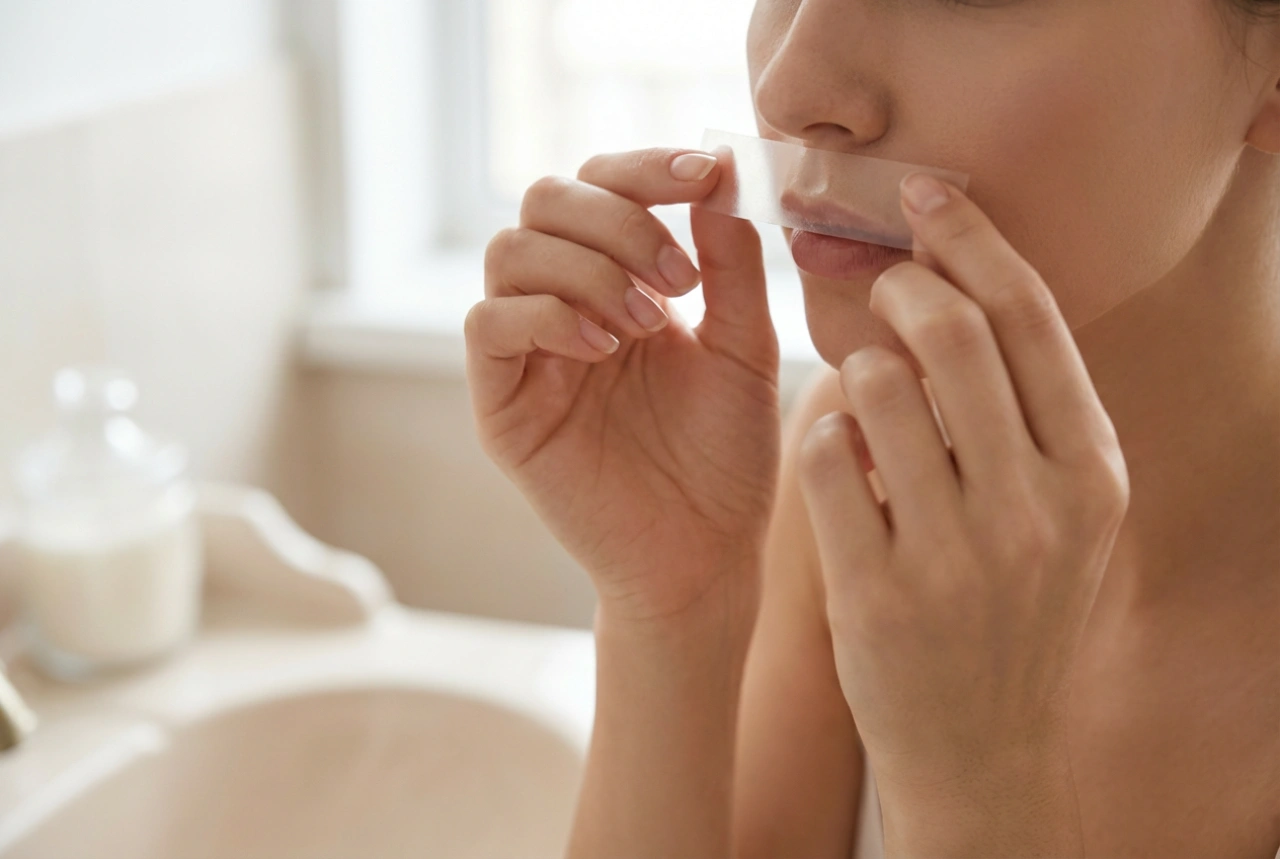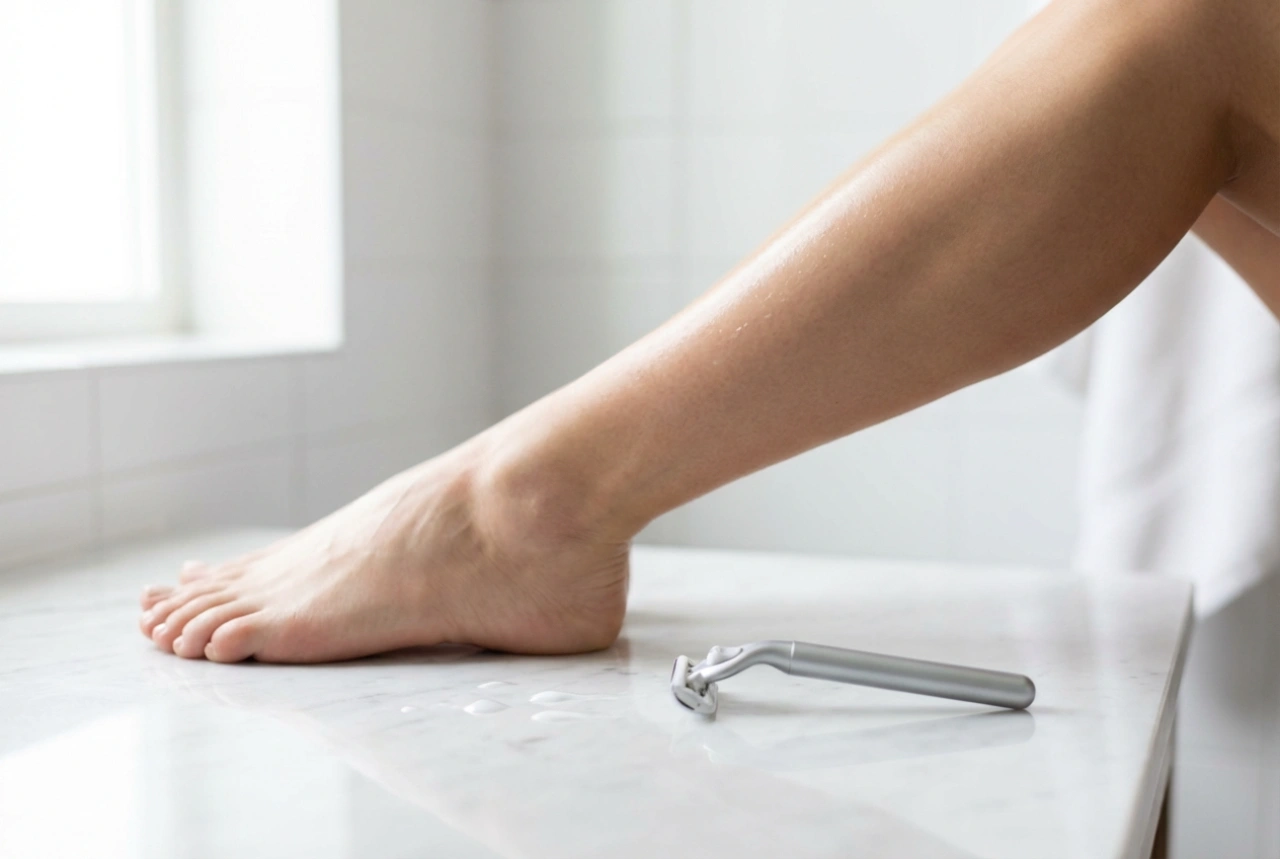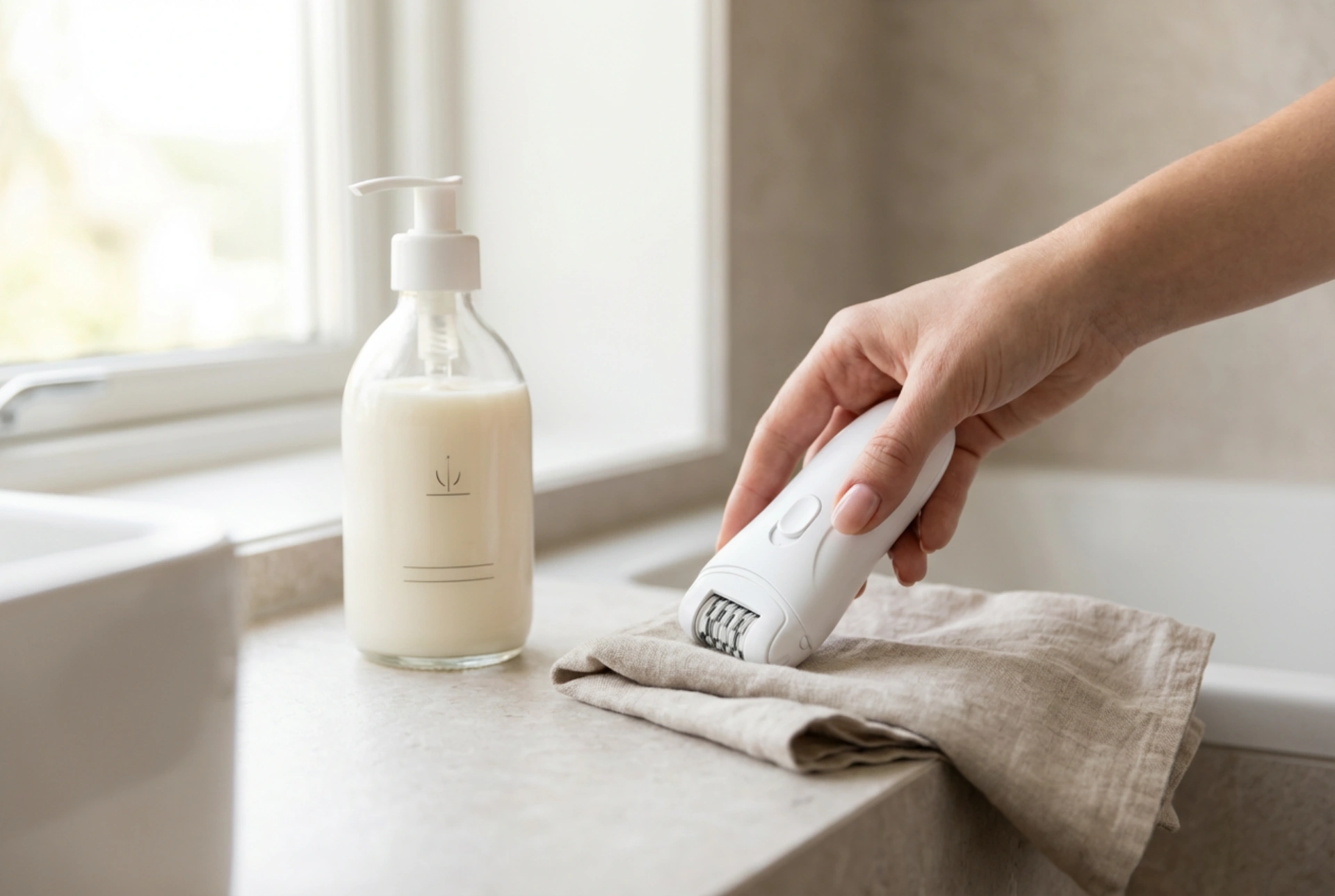


Achieving smooth skin in the comfort of your own home has become increasingly accessible with the advancement of modern personal care devices. Among these, the electric epilator stands out as a highly efficient tool for long-lasting hair removal. By gently lifting and removing hair from the root, this method ensures that skin remains silky and soft for weeks. To make the most of this routine, it is essential to understand the correct preparation, technique, and post-epilation care that keep the skin looking radiant and healthy, just as pictured with a sleek device and calming lotion on a clean, serene vanity.
Understanding How Electric Epilation Works
An electric epilator is a hand-held device equipped with a series of tiny, rotating tweezers. As you glide the device over your skin, these tweezers grasp multiple hairs simultaneously and pull them out from the root. Unlike shaving, which merely cuts the hair at the surface, epilation provides results that can last up to four weeks.
For beginners, the sensation can be slightly intense, but the skin quickly adapts over time. With regular use, the hair that grows back tends to be softer, finer, and less noticeable, making subsequent sessions much quicker and more comfortable.
Step-by-Step Guide to the Perfect Technique
To achieve the best results and minimise discomfort, it is important to follow a structured approach during your hair removal session:
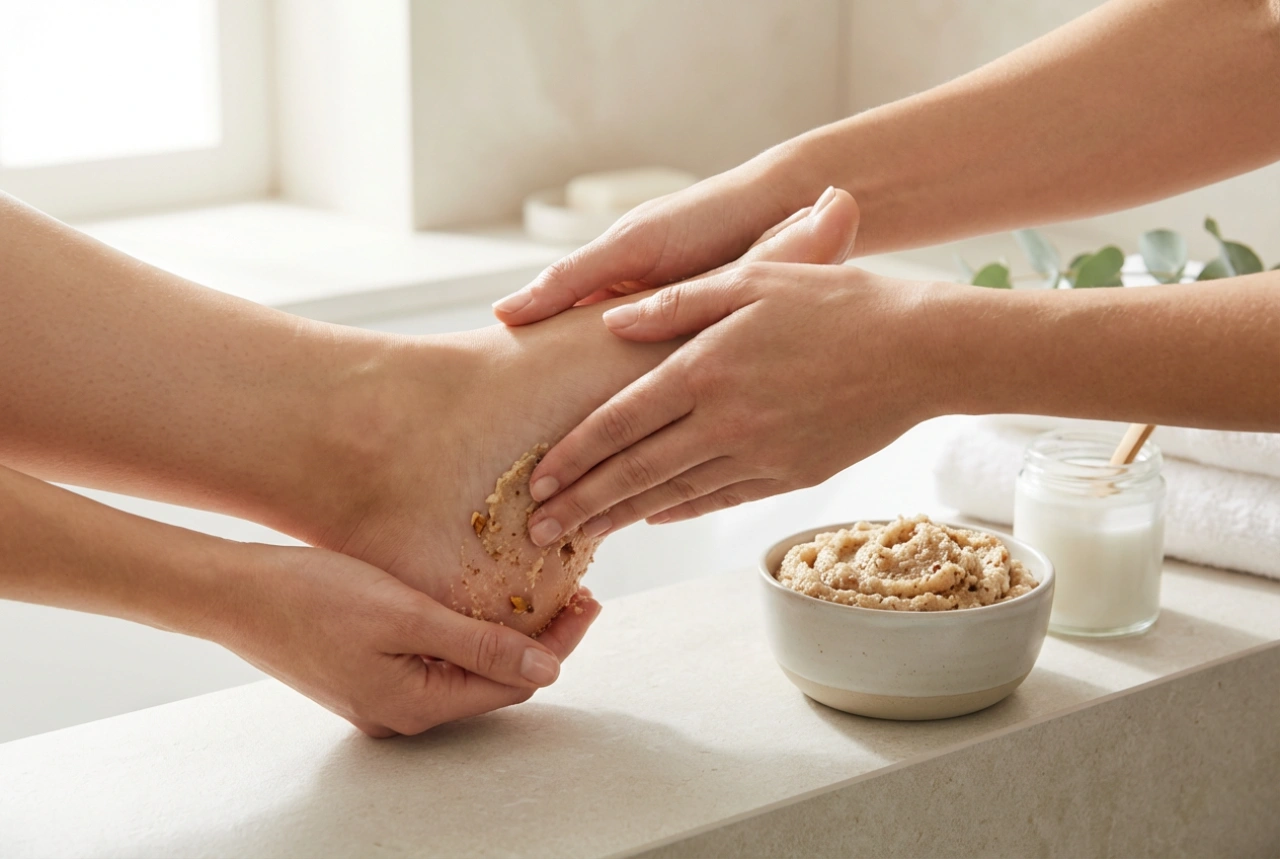
- Preparation: Always exfoliate your skin a day before epilating. This removes dead skin cells and lifts flat-lying hairs, reducing the risk of ingrown hairs.
- The Right Angle: Hold the epilator at a 90-degree angle to your skin. Do not press the device down too hard; let it gently float over the surface.
- Direction of Movement: Move the epilator slowly against the direction of hair growth. Rushing the process can cause the hairs to snap at the surface rather than being pulled from the root.
- Taut Skin: Use your free hand to pull the skin tight in the area you are treating. This keeps the skin flat and makes the process much smoother and less painful.
Pacing and Timing Your Sessions
Finding the right tempo is key to a successful hair removal routine. It is highly recommended to epilate in the evening. This gives any temporary redness or slight irritation ample time to subside overnight, allowing you to wake up with calm, smooth skin the next morning.
Additionally, do not rush the device. A slow, steady pace ensures that the tweezers catch every hair, preventing the need to go over the same sensitive area multiple times. Keeping a consistent schedule of every three to four weeks will help maintain your smooth skin with minimal effort.
Essential Post-Epilation Skin Care
The care you provide after using an epilator is just as important as the preparation. Because the hair is removed from the root, the pores are temporarily open and the skin barrier can be slightly sensitised.
Immediately after your session, apply a generous amount of a calming, alcohol-free moisturising lotion or soothing gel. Ingredients like aloe vera or chamomile are excellent for cooling the skin and reducing any mild warmth. Avoid tight clothing immediately after epilation to let the skin breathe, and steer clear of hot baths, saunas, or direct sun exposure for at least 24 hours.