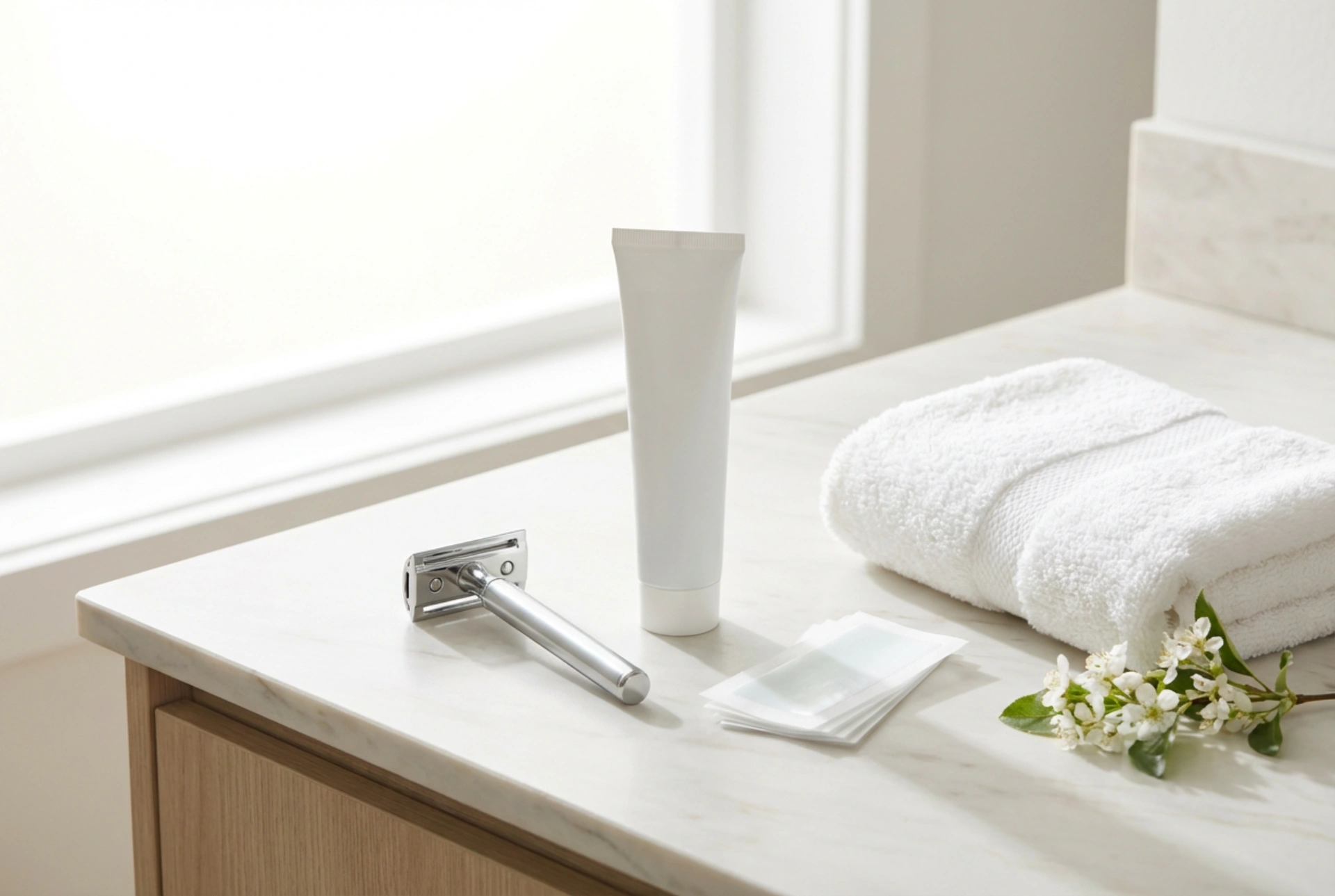


Achieving smooth skin in the delicate bikini area is a key element of many personal care routines. A thoughtful flatlay containing hair removal tools, such as a sleek razor, a tube of depilatory cream, wax strips, a soft white towel, and a delicate floral accent, beautifully illustrates this serene self-care ritual. Because the skin in this region is exceptionally sensitive and prone to irritation, choosing the right method and executing it with care is essential for a comfortable and long-lasting result.
Understanding your options for bikini hair removal
When it comes to managing hair in the bikini area, there is no one-size-fits-all solution. Different methods offer varying degrees of durability, comfort, and convenience. Understanding the pros and cons of each approach helps in selecting the most suitable technique for your skin type and lifestyle.
Shaving: quick and accessible
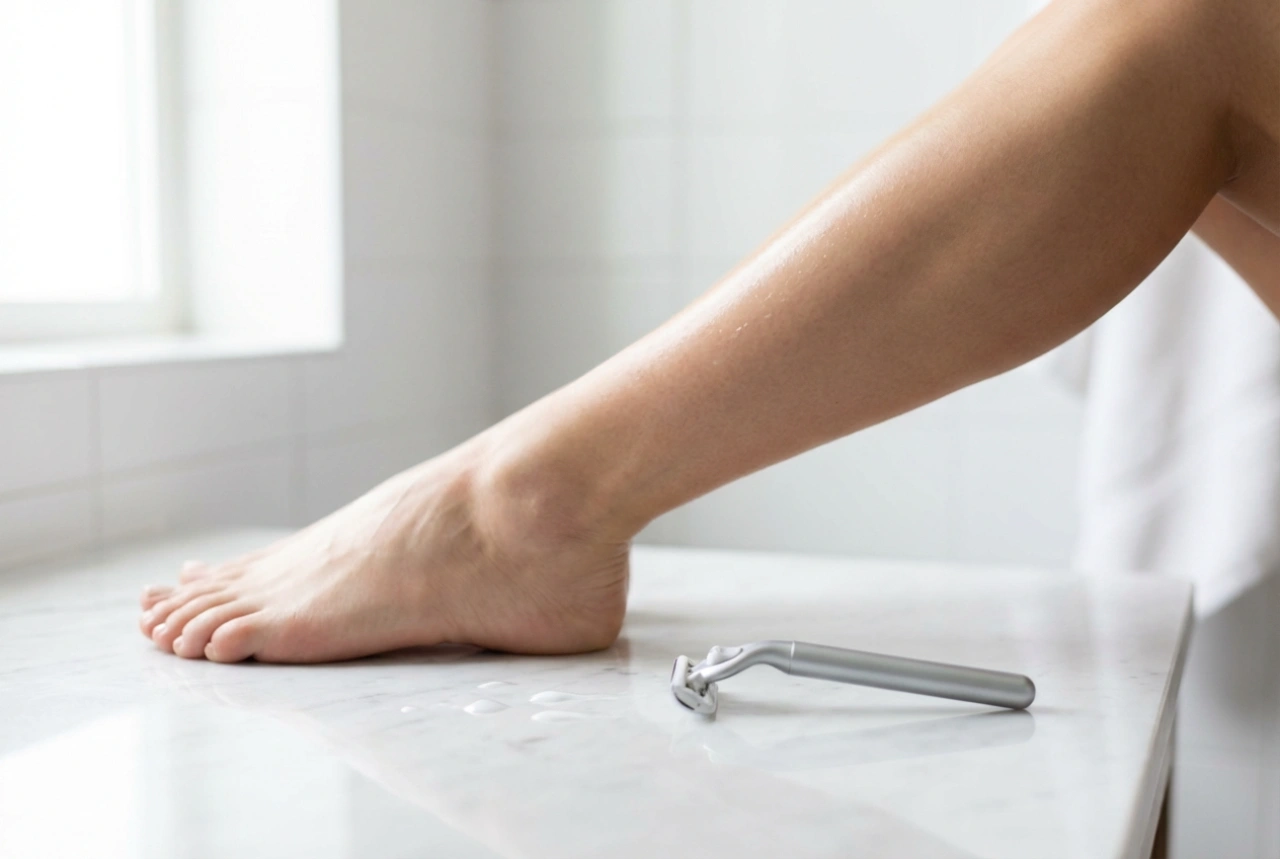
Shaving remains one of the most popular methods due to its simplicity and speed. It is an pain-free option that can be easily integrated into a daily shower routine. However, because shaving only cuts the hair at the skin's surface, the results are short-lived, typically lasting only a day or two. There is also a higher risk of razor burn and ingrown hairs if proper preparation is neglected.
Depilatory creams: smooth and chemical-based
Depilatory creams work by chemically dissolving the protein structure of the hair just below the skin's surface. This method provides a slightly longer-lasting smoothness than shaving and eliminates the risk of cuts. Since these creams contain active chemical ingredients, a patch test is mandatory before full application to avoid allergic reactions or chemical burns on sensitive skin.
Waxing: long-lasting results
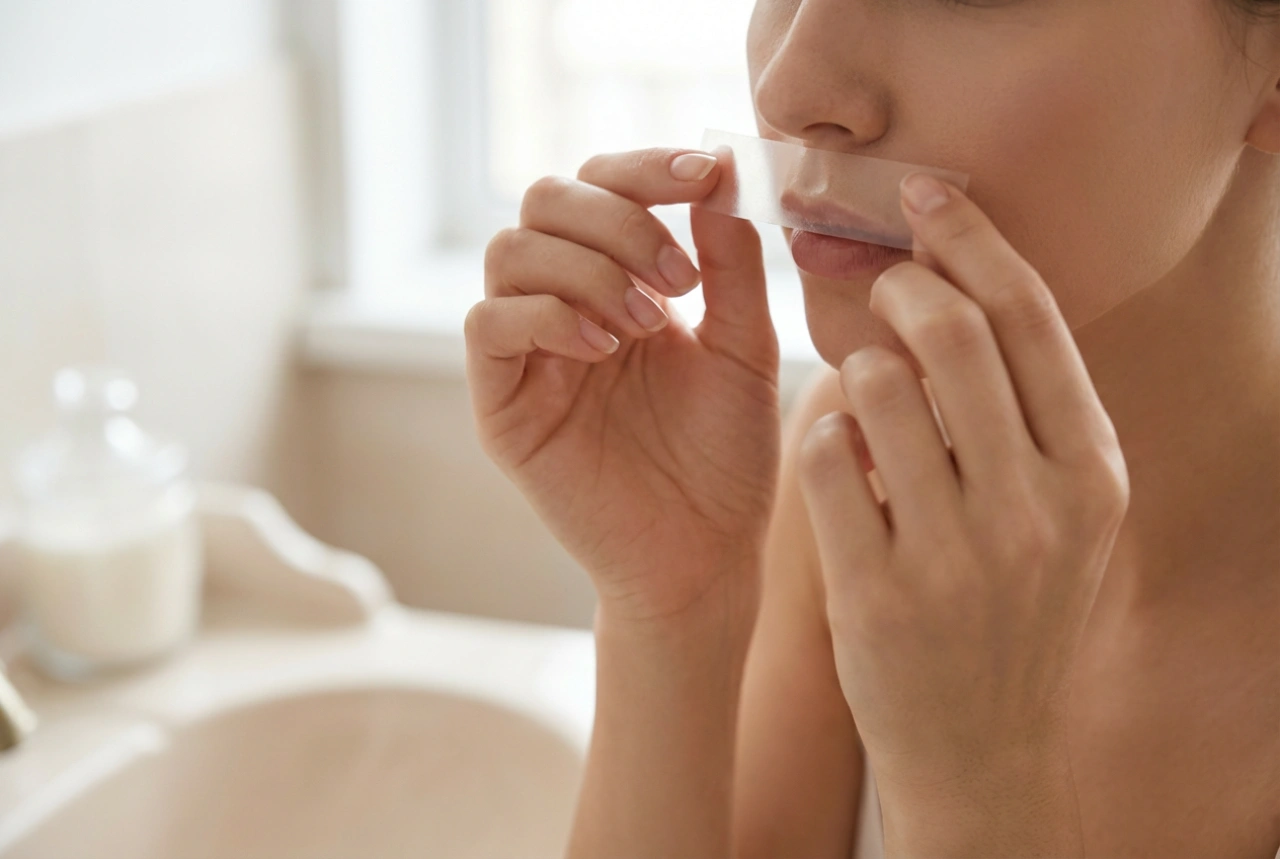
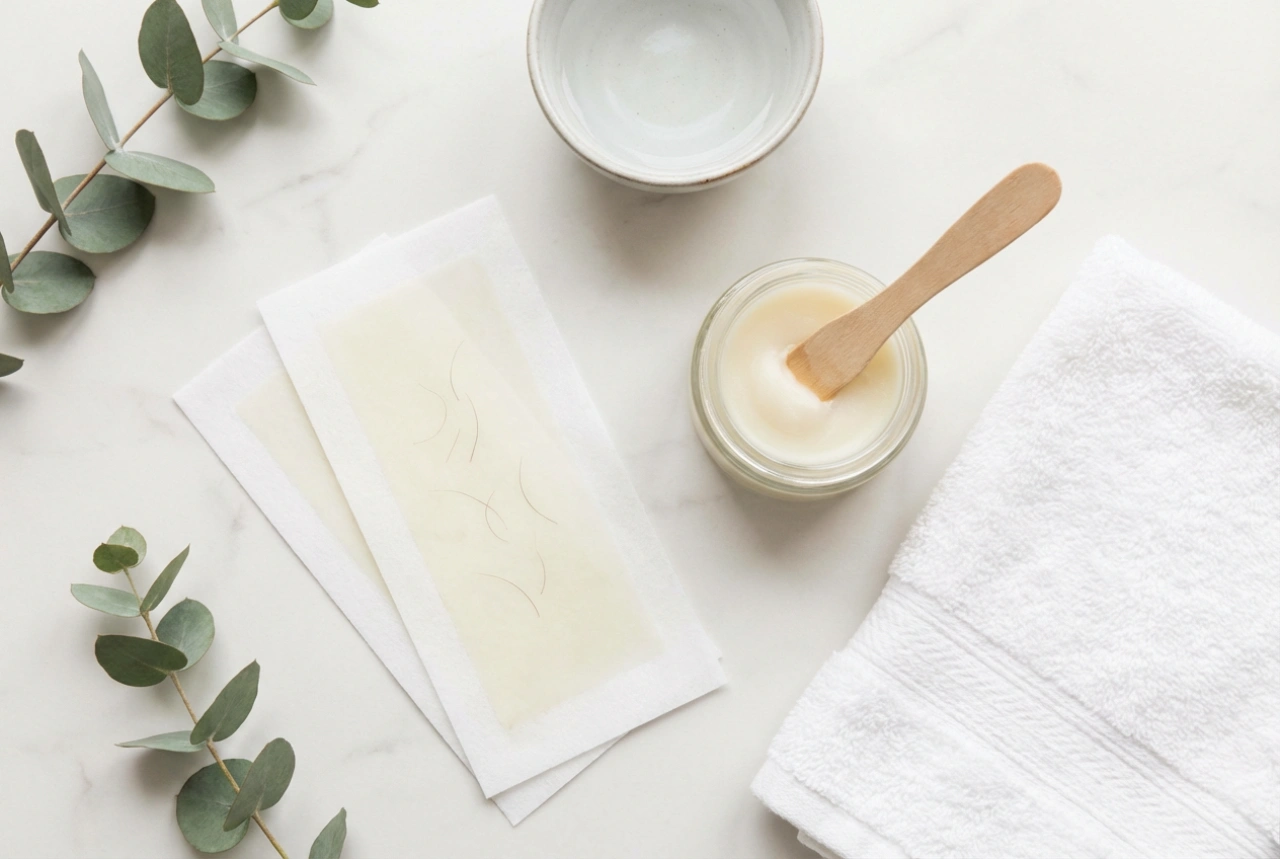
Waxing involves removing the hair from the root using warm wax or cold wax strips. This method offers the benefit of long-lasting smoothness, often keeping the skin hair-free for three to six weeks. Over time, regrowing hair tends to become softer and finer. The main drawback is the discomfort associated with the extraction process and the requirement for a specific hair length before the next session.
Step-by-step guide to safe and effective hair removal
Regardless of the chosen method, preparing the skin and following a structured procedure is crucial to minimizing irritation and achieving a smooth finish.
Step 1: Preparation and exfoliation
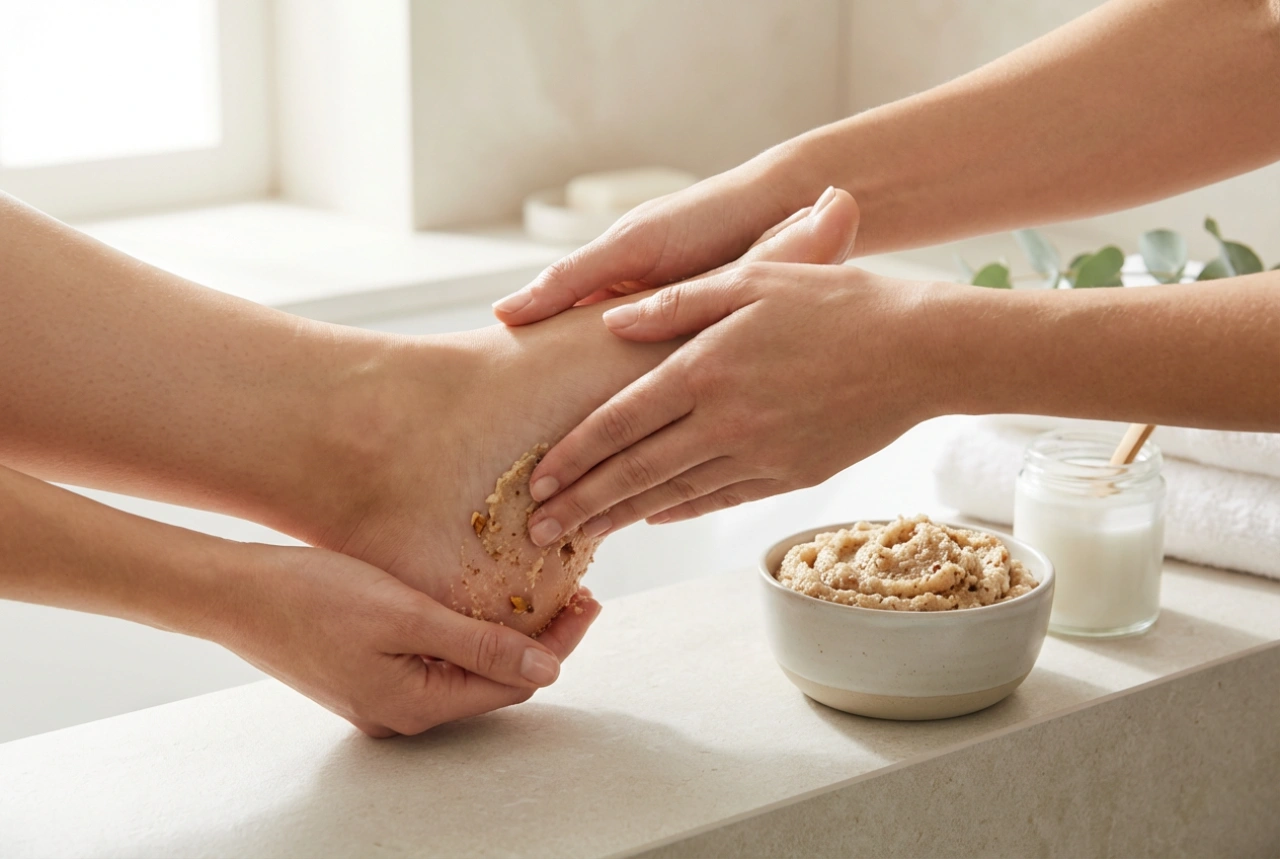
Prior to any hair removal session, it is vital to clean the area thoroughly with warm water. This softens the hair follicles and relaxes the skin. Gently exfoliating the region twenty-four hours beforehand with a mild, fragrance-free scrub helps remove dead skin cells and lifts flat hairs, significantly reducing the occurrence of ingrown hairs.
Step 2: Execution with care
For shaving, always use a clean, sharp blade and apply a moisturizing shaving gel. Glide the razor gently in the direction of hair growth to prevent irritation. For depilatory creams, apply an even layer, strictly observing the recommended application time. When using wax strips, ensure the skin is completely dry and pulled taut before removing the strip quickly in the opposite direction of hair growth.
Step 3: Soothing post-treatment care
After hair removal, rinse the area with cool water to close the pores and pat dry gently with a clean, soft towel. Apply a soothing, alcohol-free moisturizer or aloe vera gel to calm any redness. Avoid tight clothing, heavy exercises, and hot baths for at least twenty-four hours to allow the delicate skin to recover fully.
General tips for maintaining smooth skin
Consistency and gentle care are the foundations of maintaining a healthy and smooth bikini area. Keep your tools clean and dry between uses to prevent the buildup of impurities. Incorporate regular, gentle hydration into your daily body care routine to support the natural moisture barrier of your skin. If redness or mild irritation occurs, give the skin ample time to rest and heal before attempting any further hair removal practices.