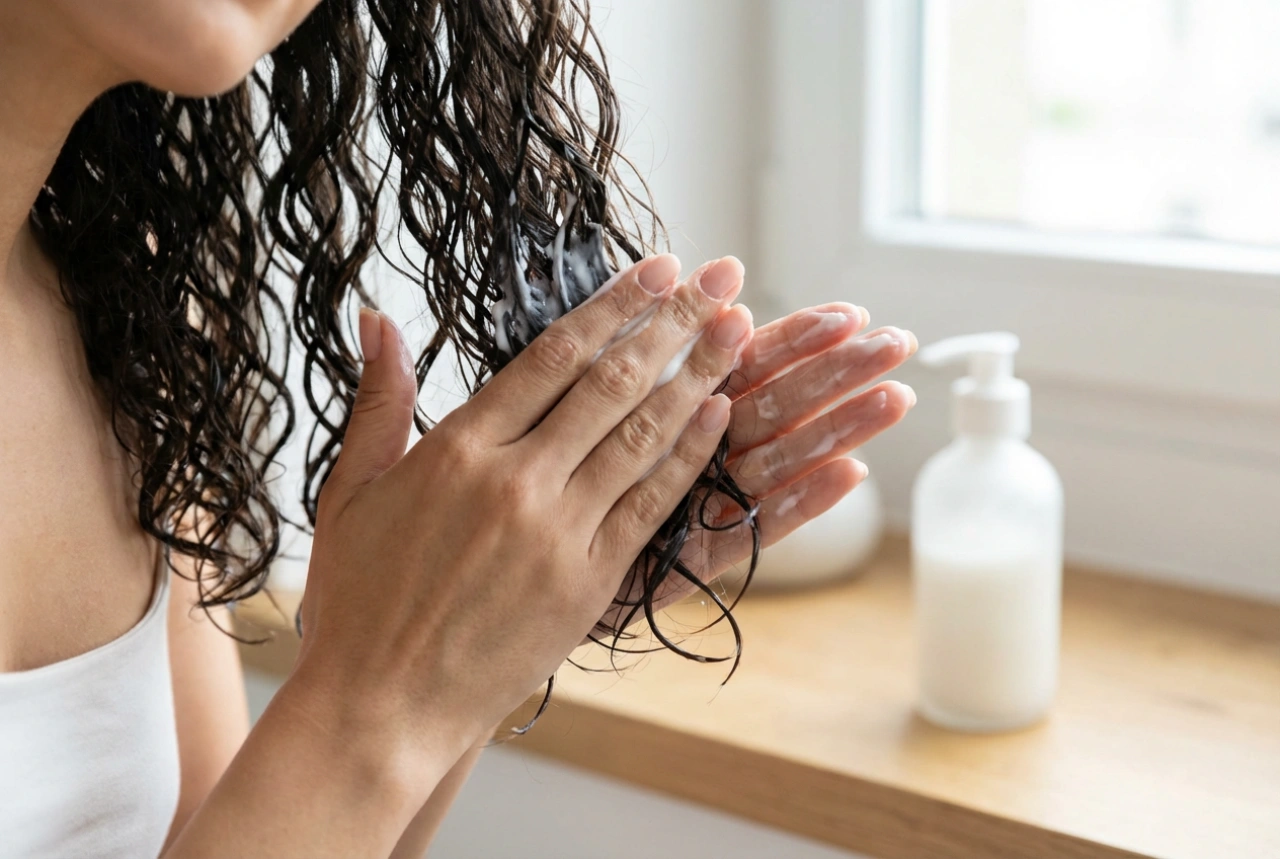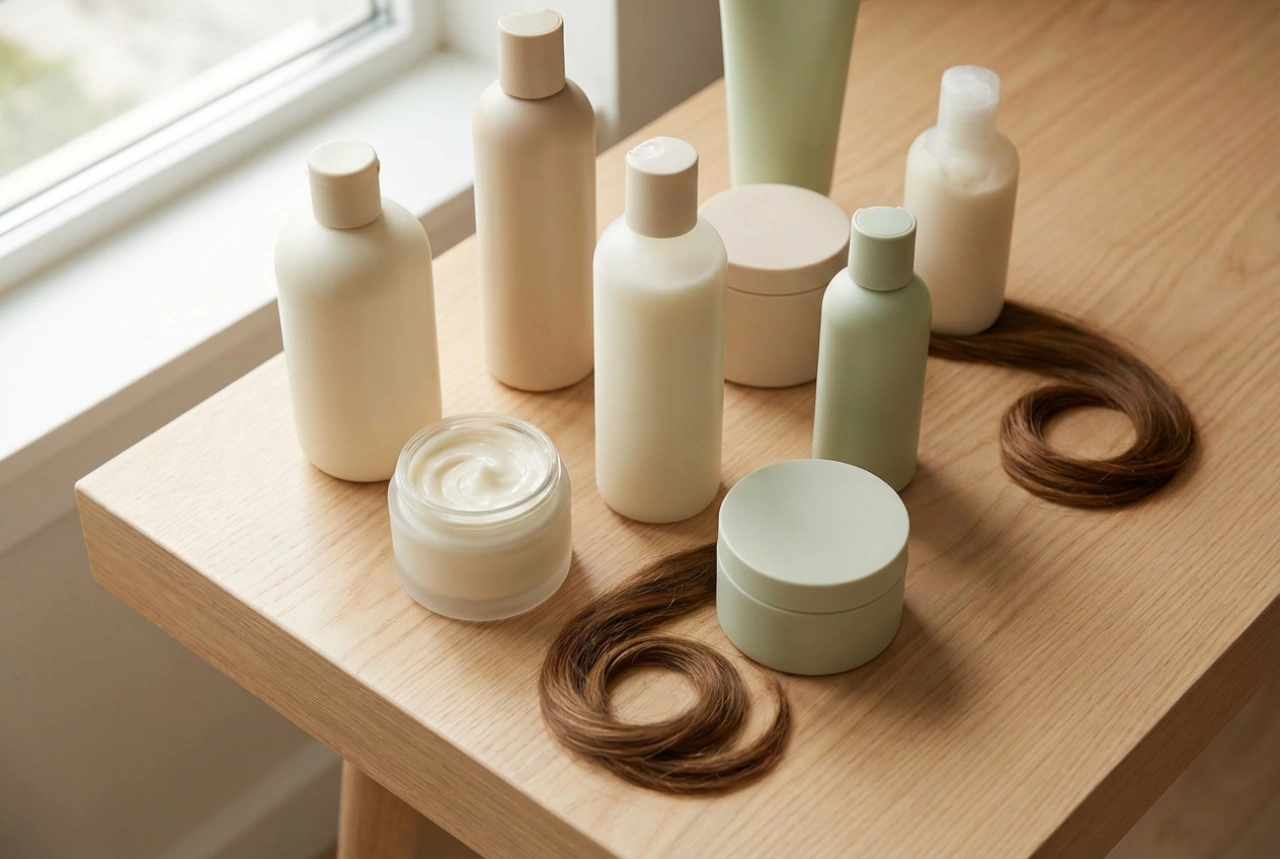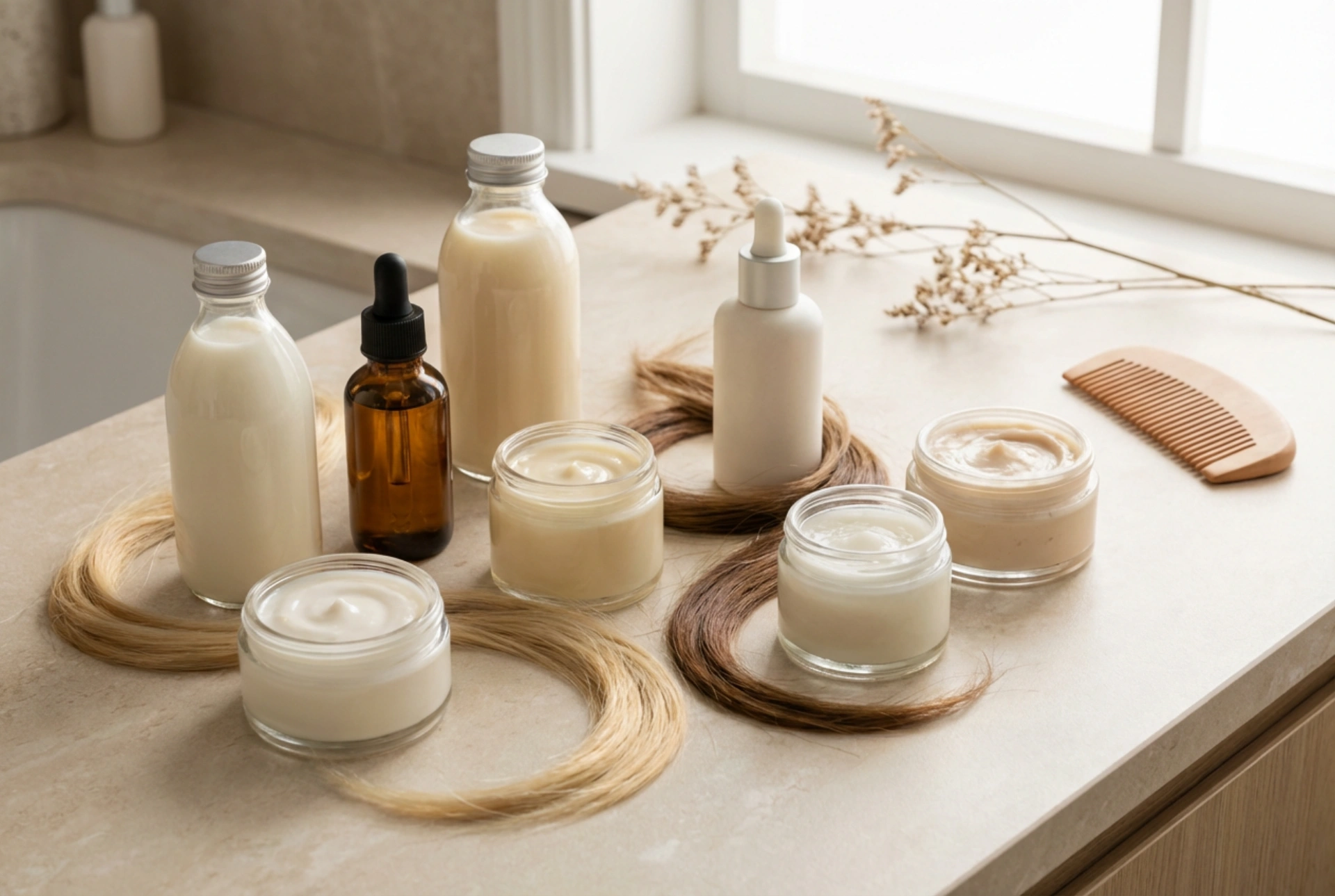


Selecting the ideal hair care routine can feel like an intricate art, much like arranging a beautiful collection of sleek, minimalist bottles and jars. When we observe the varied textures of modern hair conditioners—ranging from light, milky fluids to rich, buttery creams—it becomes clear that hair care is no longer a one-size-fits-all solution. To achieve truly lustrous, healthy-looking strands, the key lies in understanding your hair's unique structure. The single most important factor in this selection process is hair porosity, which determines how your hair absorbs and retains moisture.
What Is Hair Porosity and Why Does It Matter?
Hair porosity refers to how easily moisture and oils pass in and out of the cuticle, which is the outermost protective layer of your hair shaft. The cuticle is made up of tiny overlapping scales. Depending on how tightly packed these scales are, hair is categorised into three main types: low, medium, and high porosity. Recognising your hair's porosity is the ultimate shortcut to finding a conditioner that delivers real results rather than sitting uselessly on the surface of your hair.
How to Determine Your Porosity Type
While professional consultations are helpful, you can often identify your porosity type through simple observation of how your hair behaves in daily life:
- Low Porosity: Hair takes a long time to get wet and even longer to air-dry. Products tend to build up on the surface rather than sink in, and the hair can easily feel weighed down.
- Medium Porosity: Often considered the easiest type to manage. It absorbs moisture easily and retains it well, holding styles nicely and looking generally healthy with standard care.
- High Porosity: Hair absorbs water very quickly but dries almost instantly. It is highly prone to frizz, feels dry or rough to the touch, and loses moisture as quickly as it takes it in.
Catering to Low Porosity Hair: Lightness and Hydration
Low porosity hair has tightly bound, overlapping cuticle scales that lie flat. This makes it incredibly difficult for heavy moisturising agents to penetrate the hair shaft. If you use a heavy, oil-rich conditioner on low porosity hair, the formula will simply sit on top of the strands, leaving them looking limp, greasy, and dull.
Key Ingredients and Formulas
For low porosity hair, the goal is to provide deep hydration without adding weight. Look for lightweight, water-based conditioners that are rich in humectants. Humectants are ingredients that draw moisture into the hair shaft. Excellent choices include glycerine, aloe vera, and hyaluronic acid. When it comes to oils, choose light, penetrating options such as coconut oil, argan oil, or jojoba oil, which can slip past the tight cuticle scales without leaving a heavy film.
Balancing Medium Porosity Hair: The Golden Mean
Medium porosity hair has looser cuticle scales, allowing just the right amount of moisture to enter and stay locked inside. If you have this hair type, your primary goal is to maintain this natural balance. The secret to success lies in the PEH balance, which refers to a harmonious rotation of proteins, emollients, and humectants.
The PEH Balance in Practice
To keep medium porosity hair in peak condition, look for versatile conditioners that offer a gentle blend of support. You do not need overly heavy repair formulas, nor should you rely solely on ultra-light hydration. A great routine involves alternating between a hydrating humectant conditioner, a nourishing emollient formula (containing plant oils or natural butters), and an occasional protein-rich conditioner to maintain structure and elasticity.
Nourishing High Porosity Hair: Rich Emollients and Repair
High porosity hair features widely spaced, raised cuticle scales. This can be a natural genetic trait, or it can be the result of frequent styling, heat exposure, and environmental factors. Because the cuticles are open, moisture escapes rapidly, leaving the hair feeling dry, brittle, and highly prone to tangling.
Rebuilding and Sealing Moisture
To care for high porosity hair, you need rich, thick conditioners with creamy textures. These formulas should perform two vital tasks: filling in the gaps in the damaged cuticle and sealing the hair shaft to prevent moisture loss. Look for products rich in proteins—such as keratin, silk proteins, or wheat proteins—which temporarily patch the gaps in the hair structure. Follow this with heavy emollients like shea butter, avocado oil, and evening primrose oil to create a protective barrier that locks the moisture inside, leaving the hair smooth, shiny, and frizz-free.
How to Read Conditioner Labels with Confidence
When browsing the shelves for your next hair care purchase, look past the marketing claims and focus on the ingredient list. By understanding the roles of different ingredients, you can easily customise your routine:
- Emollients: Listed as natural oils, butters, or fatty alcohols (such as cetyl or stearyl alcohol). They soften, smooth, and protect all hair types, but the weight of the oil must match your porosity.
- Humectants: Look for ingredients like honey, panthenol, and propylene glycol. Perfect for boosting hydration in low and medium porosity hair.
- Proteins: Often listed as "hydrolysed" proteins. Vital for structural support, especially for high porosity hair, but should be used sparingly on low porosity hair to avoid stiffness.
By tailoring your conditioner choice to your hair's unique porosity, you can transform your hair care routine into a successful, personalised ritual that brings out the very best in your natural hair texture.